Alright, let’s be reel for a sec: nobody wants to be that neighbor with the dog that won’t shut up. Maybe your pup turns into a furry alarm clock every time the mail truck rolls by or loses his mind the second you leave the house. Figuring out how to get your dog to stop barking can feel like an impossible task, but I’m here to help you tackle this noisy problem for good.
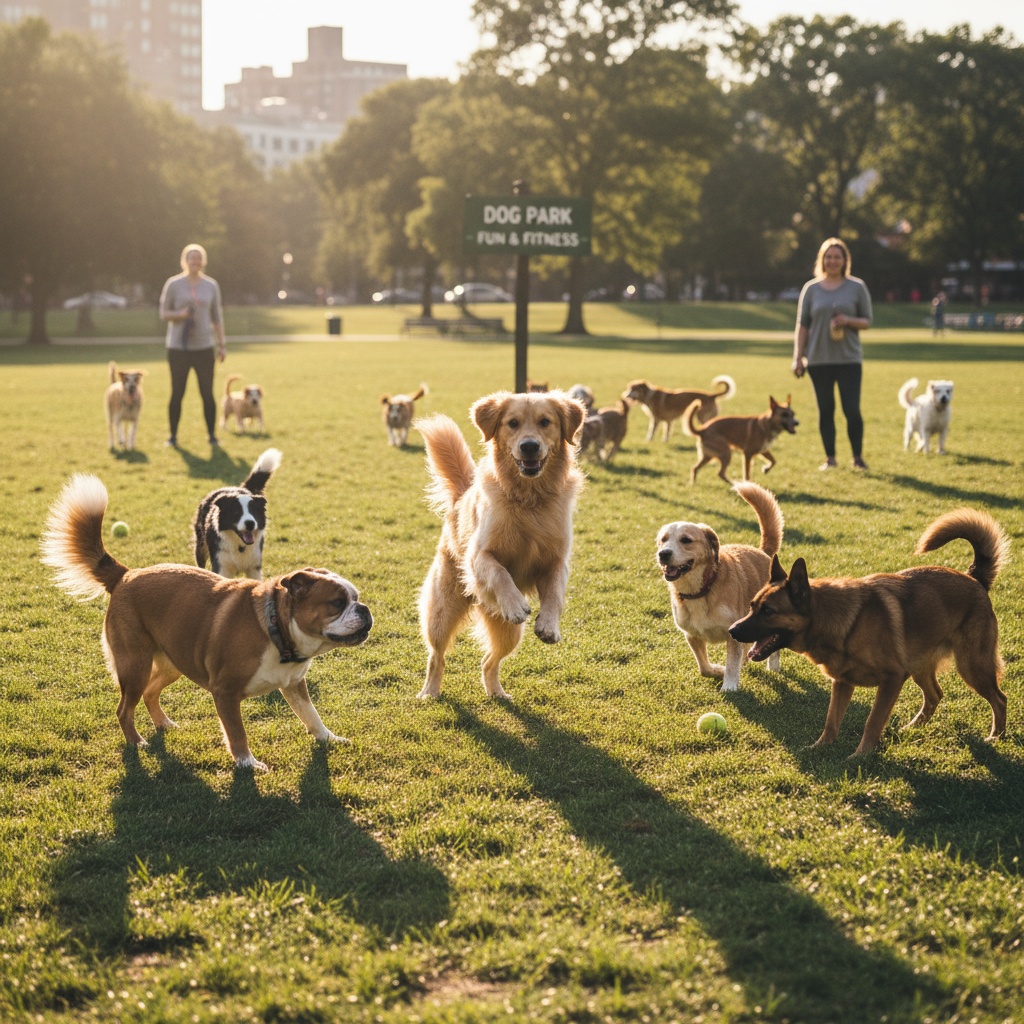
What’s Up With All the Barking?
Before you jump into solutions, it’s smart to get inside that fluffy head of theirs. Dogs bark because it’s, well, what they do. They’re trying to tell you something or maybe just burning off some extra energy. Understanding the cause is your first step when learning how to get your dog to stop barking. Here’s some top reasons:
- Boredom and loneliness
- Protecting their turf (territorial barking)
- Anxiety—especially separation anxiety
- Attention-seeking
- Responding to noises or people/other dogs
Got a pretty good idea which one’s your culprit? Awesome. That’ll come in clutch later.
Common Barking Situations and Solutions
Let’s break it down a bit. If you’re working on how to get your dog to stop barking, knowing when and why your dog barks helps pinpoint the fix. Different kinds of barking need different game-plans.
Boredom or Loneliness Barking
Dogs are social peeps, just in canine form. When they’re left alone for too long or don’t get enough playtime, they might start barking to pass the time (or to call you back). Here’s how to get your dog to stop barking from boredom:
- Exercise, exercise, exercise! A tired dog is a quiet dog. Get that energy out with walks, runs, fetch, or whatever gets their tail wagging.
- Toys galore: Stuffed Kongs, puzzle toys, and safe bones can keep your dog busy when you’re out.
- Doggy playdates: A little socialization goes a long way for mental stimulation.
Territorial Barking
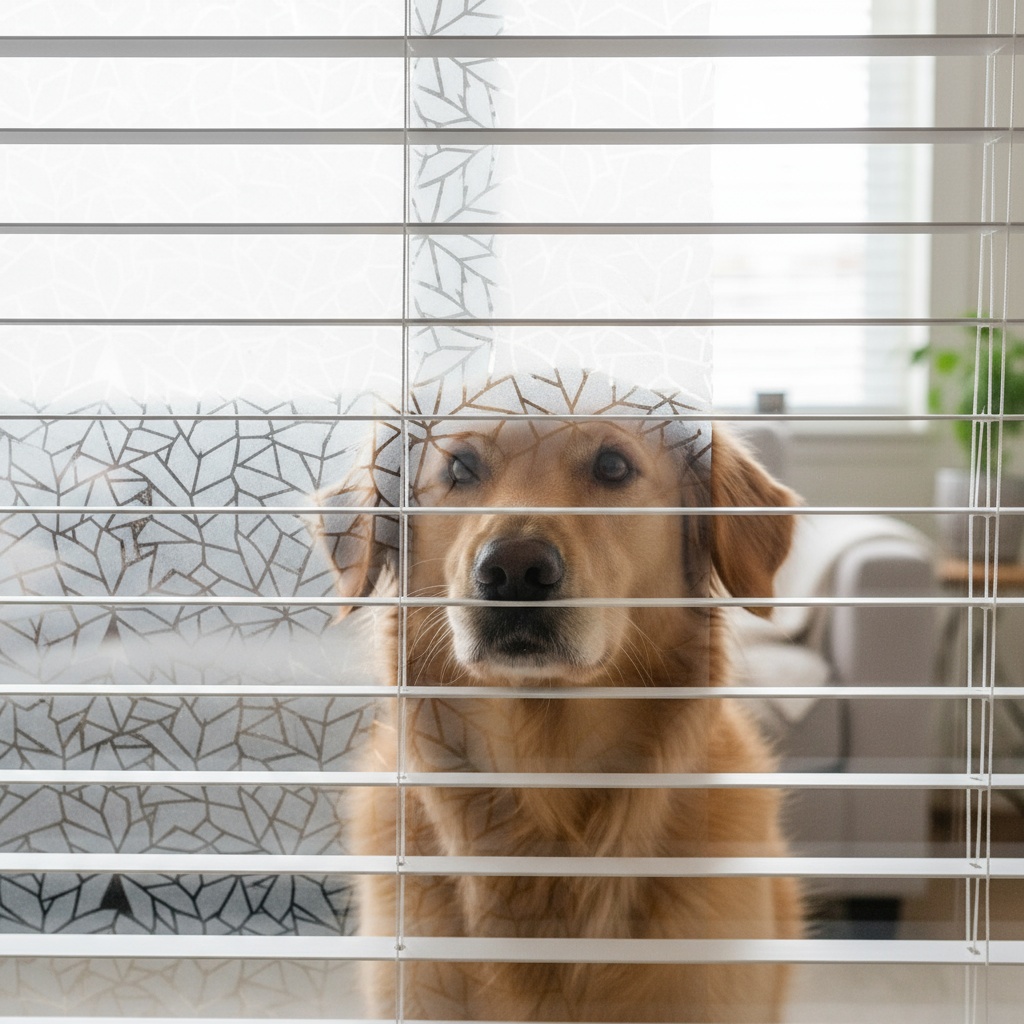
This is super common, especially in dogs with a strong guarding instinct. Your pup might go nuts when the mail carrier drops by or someone walks past the window.
- Block the view: Window film, blinds, or curtains… if they can’t see it, they won’t bark as much.
- Teach the “quiet” command: Calmly say “quiet,” wait for silence, then treat and praise like crazy. Rinse and repeat.
- Re-direct attention: Call your dog over and ask for a sit or lie down, then reward it. It’s magic.
Separation Anxiety Barking
This one takes a little more TLC, and it’s a biggie when you want to know how to get your dog to stop barking. Dogs with separation anxiety bark (and sometimes howl) when they’re alone.
- Desensitize leaving: Pick up your keys and don’t go anywhere. Put your coat on, then stay home. Mix it up, so these cues don’t signal doom.
- Leave special treats: Only when you leave, give your pup a special toy or chew that lasts, so they look forward to solo time.
- Soft exits and arrivals: Don’t make a big fuss when you leave or come home; keep things chill to reduce stress triggers.
Attention-Seeking Barking
If your four-legged goofball barks to get your attention (for play, food, or pets), here’s how to get your dog to stop barking:
- Ignore, ignore, ignore: Turn away. No talking, touching, or looking until your dog’s quiet. (Tough love, but it works.)
- Reward quiet moments: As soon as your pup stops barking—even a second—give praise and treats. They’ll learn quiet = good stuff.
Reactive Barking (to Noises or Other Animals)
Some dogs just can’t help themselves when they hear a noise outside. This is a biggie when it comes to learning how to get your dog to stop barking at random sounds or people/dogs.
- Counter-conditioning: When your dog hears a noise, distract with a treat or toy before the barking starts. Over time, your dog will associate those triggers with good things.
- Use white noise: A fan, radio, or TV can help mask outdoor noises that trigger barking.
Training Basics for How to Get Your Dog to Stop Barking
Training isn’t just about teaching tricks—it’s about teaching your dog how to chill out. Here are tried-and-true dog training basics you NEED to get down:
- Consistency is king: Always react the same way. If you sometimes give in to barking, it just confuses your dog.
- Positive reinforcement: This is the holy grail. Reward what you want, ignore what you don’t.
- Short sessions: Keep training fun and short. Quick wins build confidence for both of you.
So if you’re telling your friends, “I need to know how to get my dog to stop barking, like, yesterday,” these training basics are your launchpad.
Step-By-Step: Teaching “Quiet”
This command is a HUGE help, so let’s break down how to get your dog to stop barking using the “quiet” command:
- Let your dog bark a few times (triggering the bark if needed).
- Say “quiet” in a calm, firm voice. Wait for silence… even a quick pause is enough at first.
- As soon as there’s silence, immediately give a treat or favorite toy.
- Rinse and repeat (like, a LOT). Slowly increase the time your dog is quiet before rewarding.
- Practice in all sorts of settings and with different triggers.
This takes patience, but learning how to get your dog to stop barking on command is a game-changer.
Big Mistakes When Solving Barking (And How to Avoid Them)
- Don’t yell back: Your dog just thinks you’re joining the barking party, for real.
- Never use shock collars or harsh punishment: They can make barking worse and damage your bond. No quick fix is worth that.
- Don’t ignore the underlying issue: Figure out WHY your dog’s barking before trying to “fix” it.
- Don’t reward barking by accident: Giving attention or treats while the dog’s barking tells them it works. Oops.
Enrichment Ideas: Keep That Brain Busy
Sometimes, even when you know how to get your dog to stop barking, you gotta prevent the problem by giving your dog more to do day-to-day. Mental enrichment is everything:
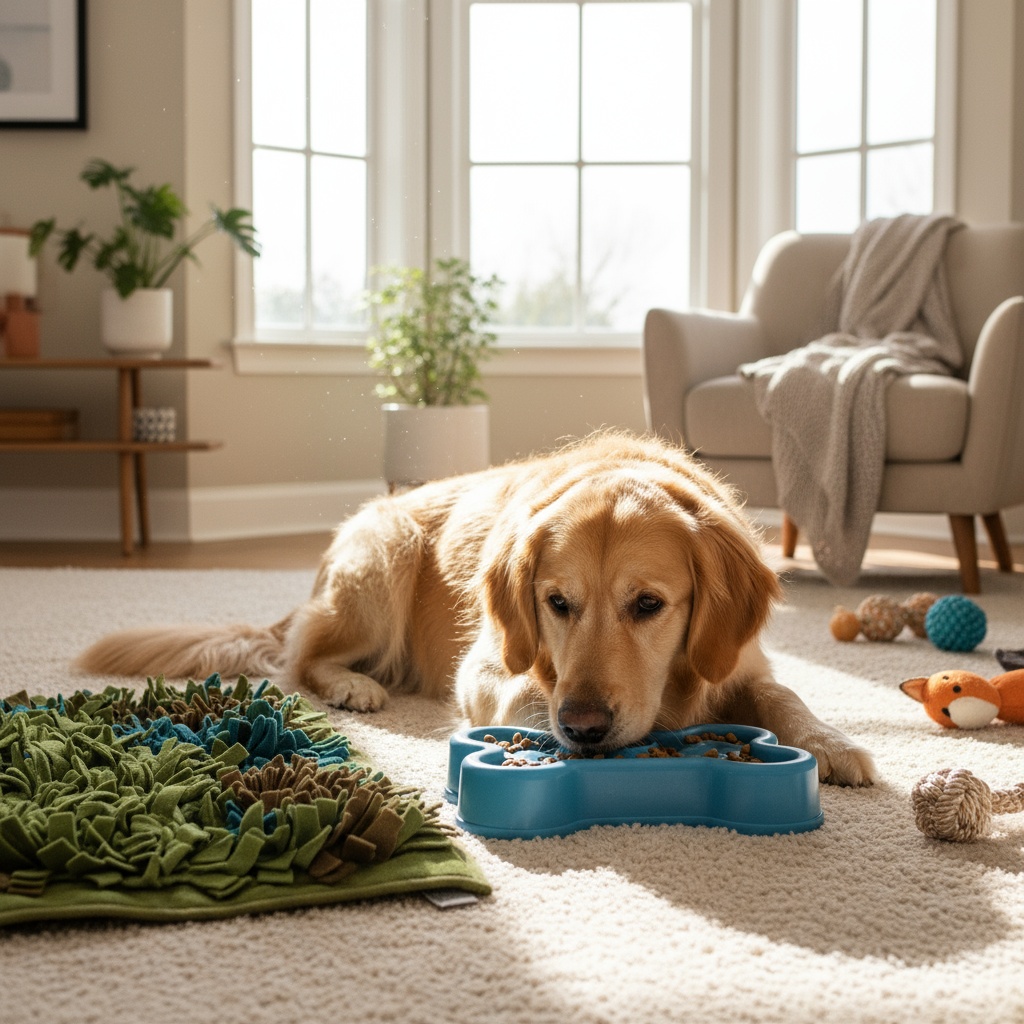
- Snuffle mats for feeding time—turn meals into sniffing adventures.
- Puzzle feeders and interactive toys for solo fun.
- Hide-and-seek games (with treats or toys or even you!).
- Learn a new trick each week.
A dog that’s tired—body and mind—has way less energy for endless barking.
What If My Dog Just Won’t Quit?
Hey, sometimes you try everything, but you still can’t figure out how to get your dog to stop barking. Don’t stress. There are folks who can help:
- Dog trainers and behaviorists: Sometimes pros see stuff we miss and can tailor a plan to your pup.
- Vets: Medical issues can sometimes make dogs super vocal—especially in older dogs. When in doubt, ask your vet.
- Doggy daycare: For high-energy or anxious dogs, a day of play and pals can make a MASSIVE difference.
Should You Use Anti-Bark Devices?
There are lots of techy gadgets that claim they know how to get your dog to stop barking—ultrasonic devices, collars, and apps. Be careful: Aversive tools (like shock or spray collars) are generally a no-go for most pros. Focus on positive, science-backed methods first. If you wanna try a product, talk to a pro first and always prioritize your dog’s well-being.
When to Worry: Barking as a Symptom
Most of the time, barking is just a behavior issue. But other times, excessive barking could mean something’s up, like:
- Pain or illness (sudden barking in an older dog can be a red flag)
- Loss of vision or hearing
- Major changes at home causing stress
If barking comes outta nowhere or just feels off, book a vet visit pronto.
Real Talk: How Long Will It Take?
Some dogs catch on quick, others take a few weeks. Be patient and make changes one at a time. Remember, when learning how to get your dog to stop barking, every dog is different. Stick with it and celebrate small wins.
Frequently Asked Questions
- Is it normal for dogs to bark sometimes?
Heck yeah! It’s natural and healthy—just not all day, every day. - Is it cruel to silence a barking dog?
Nope, as long as you’re targeting the real issue, not using harsh punishments, and giving your dog what they need. - Can you teach an old dog new (quiet) tricks?
Absolutely! It might take longer, but any age pup can learn new habits.
Final Thoughts: Mastering How to Get Your Dog to Stop Barking
The truth is, learning how to get your dog to stop barking is about so much more than just “shushing” them. It’s about understanding your pup, building better habits, and shifting both your mindsets. Keep things positive, patient, and consistent—and don’t sweat a little noise here and there. Your neighbors (and your ears) will thank you. And who knows, you might end up with the chillest dog on the block! Give these tips a shot, stick with the plan, and you’ll be amazed at what you and your pup can achieve together.