So, you just brought home your adorable new furball and you’re super excited—until those tiny razor-sharp teeth start chomping down on your hands, your slippers, and, well, everything else! If you’re like thousands of new puppy parents out there, you’re now Googling like mad, wondering how to get your puppy to stop biting. Don’t stress, though. You’re totally not alone, and trust me, with a lil’ patience and some smart strategies, you can kick the biting habit to the curb for good, and you can reference our comprehensive dog training guide for more on puppy behaviors. Get comfy, ’cause we’re about to dig deep into real solutions and classic rookie mistakes you wanna avoid.
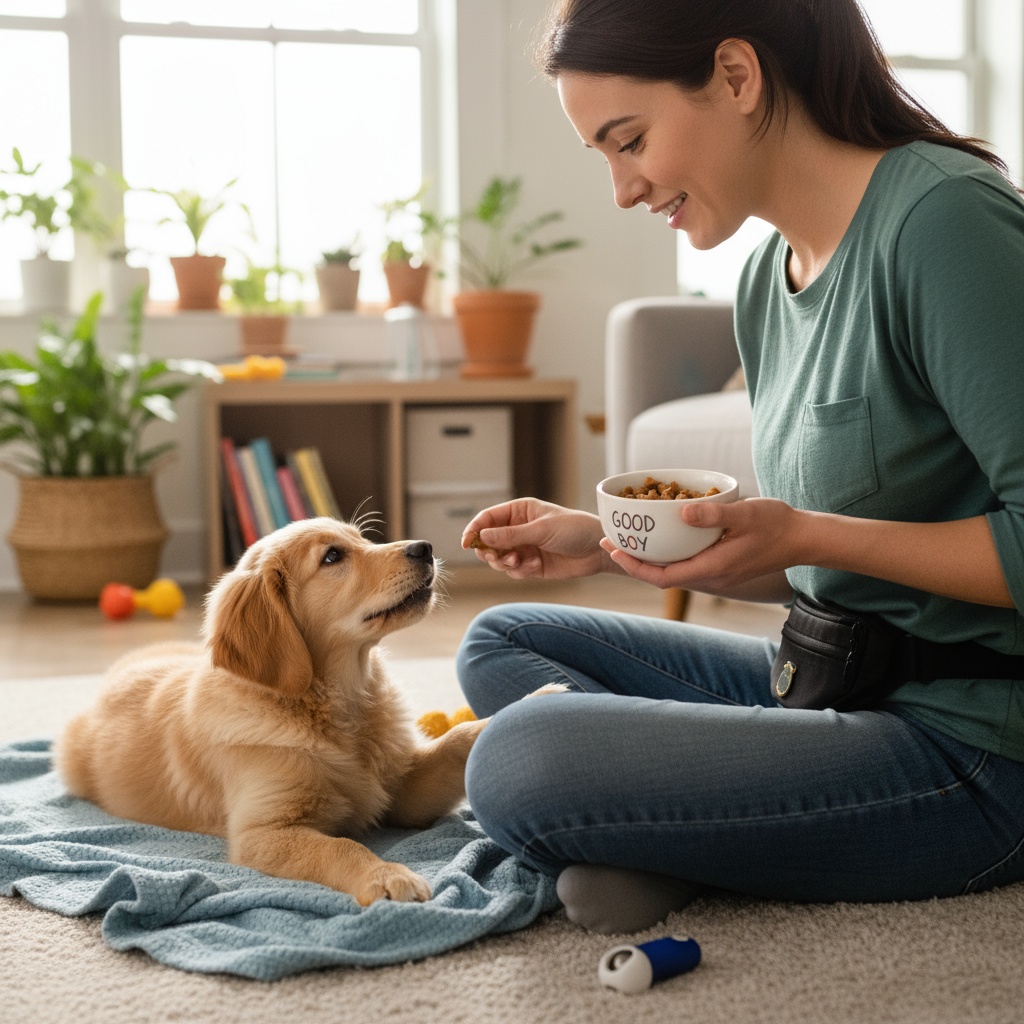
Why Do Puppies Bite Anyway?
Before you dive right into how to get your puppy to stop biting, it helps to know why your puppy’s doing it in the first place. Those nips and chomps aren’t because your pup wants to be the next K9 villain. Nah, puppies bite for lots of reasons, like:
- Teething: Puppy teeth (ouch!) are coming in, and chewing helps relieve the pain.
- Exploration: Pups use their mouths like humans use hands—they’re curious about EVERYTHING.
- Play: Puppies bite each other for fun. When they’re left with humans, they keep the party going.
- Attention seeking: Sometimes, it’s a surefire way to get you to react—even if it’s a loud OW!
How to Get Your Puppy to Stop Biting: First Steps
Alright, let’s cut to the chase. You want real results. Here’s what you gotta keep in mind when asking how to get your puppy to stop biting:
1. Stay Cool — Don’t Get Mad
Yeah, those little fangs hurt, but trust me, yelling or getting angry just confuses your puppy. You’re teaching them to fear you—a big no-no. Puppies learn best from calm, consistent correction.
2. Use a High-Pitched “Ouch!”
This trick mimics how puppies let their littermates know a bite is too hard. So next time your puppy latches on, say “Ouch!” in a high, yelpy voice. Pull your hand away and freeze for a second. Often your puppy will stop and look, all startled, then ease up next time. This classic tactic is a staple in how to get your puppy to stop biting guides for good reason—it works. Just don’t overdo the drama.
3. Offer Chew Toys (Lots of ‘Em!)
Redirect your chew monster’s mouth away from flesh and onto acceptable toys. Stock up on:
- Soft squeaky toys
- Puppy-safe rubber toys (Kongs, etc.)
- Frozen washcloths (soothe sore gums!)
Every time they try to bite you, swap in a toy instead. It’s all about teaching what IS okay to bite. It’s a golden secret in the world of how to get your puppy to stop biting. Puppies gotta chew on something, ya know?
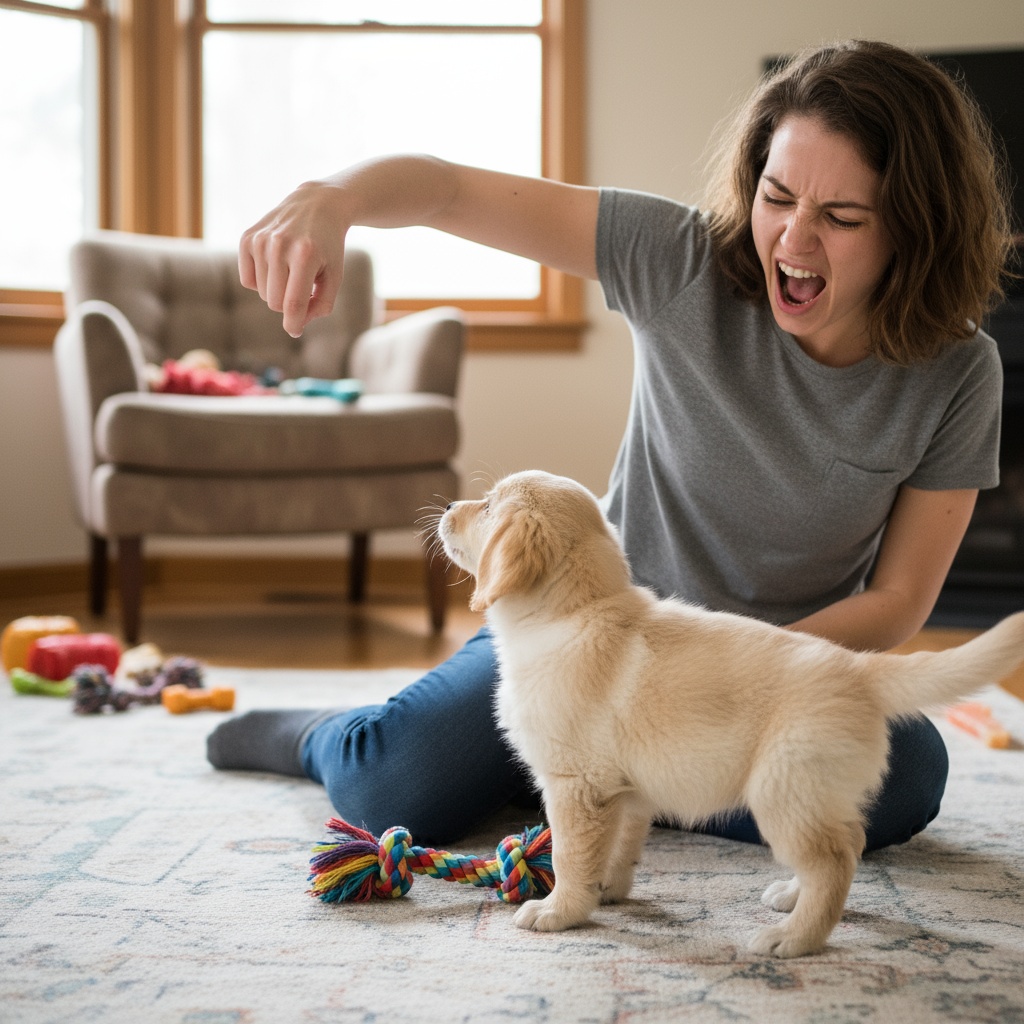
4. Time-Out Means Play Stops
Dogs live for play. When they bite, give a quick yelp, then stop the fun by turning away or leaving the room for 10-30 seconds. Pretty soon, your puppy realizes biting = boring. This method works wonders and teaches boundaries fast.
The Training Breakdown: Step-By-Step Solutions That Work
Step 1: Start Early, Be Consistent
The sooner you tackle how to get your puppy to stop biting, the better. Consistency is your BFF here. Everyone in the house has to follow the same rules and reactions. Mixed messages confuse puppies BIG time!
Step 2: Teach Bite Inhibition
This is pro trainer lingo for “learning to control biting strength.” Even when playing, if your puppy gets too rough, stop the action. Over time, they learn to be gentle. The earlier you work on inhibition, the less likely you’ll be dealing with accidental bites as your dog grows.
Step 3: Encourage Calmness
Puppies bite MORE when they’re amped up. Practice calm greetings, keep your own movements chill, and encourage chill-out time. Reward calm behavior with treats, gentle praise, and affection.
Step 4: Avoid Rough Play
It’s tempting to wrestle that little potato, but rough play teaches biting is OK and even fun. Stick to fetch, tug (with rules!), and hide-and-seek instead. When you do play tug, always set boundaries. If teeth touch the skin, the game ends instantly. It’s all part of knowing how to get your puppy to stop biting consistently.
Step 5: Use Physically Safe, Positive Reinforcement Only
No alpha rolls, no smacks, and definitely no nasty punishments. Use treats, toys, and love. Positive reinforcement is the fast track for how to get your puppy to stop biting vibes that last.
Common Mistakes That Slow Down Progress
- Inconsistency: One person yells, another laughs. Mixed signals confuse puppies—bad news!
- Playing tug with bare hands: Always use toys. Don’t be “that guy” who teaches hand-biting’s okay.
- Punishing physically: This can make biting worse or create fearful, anxious dogs.
- Missing Teething Cues: A teething pup needs a constant stream of safe chew items – don’t leave them hanging!
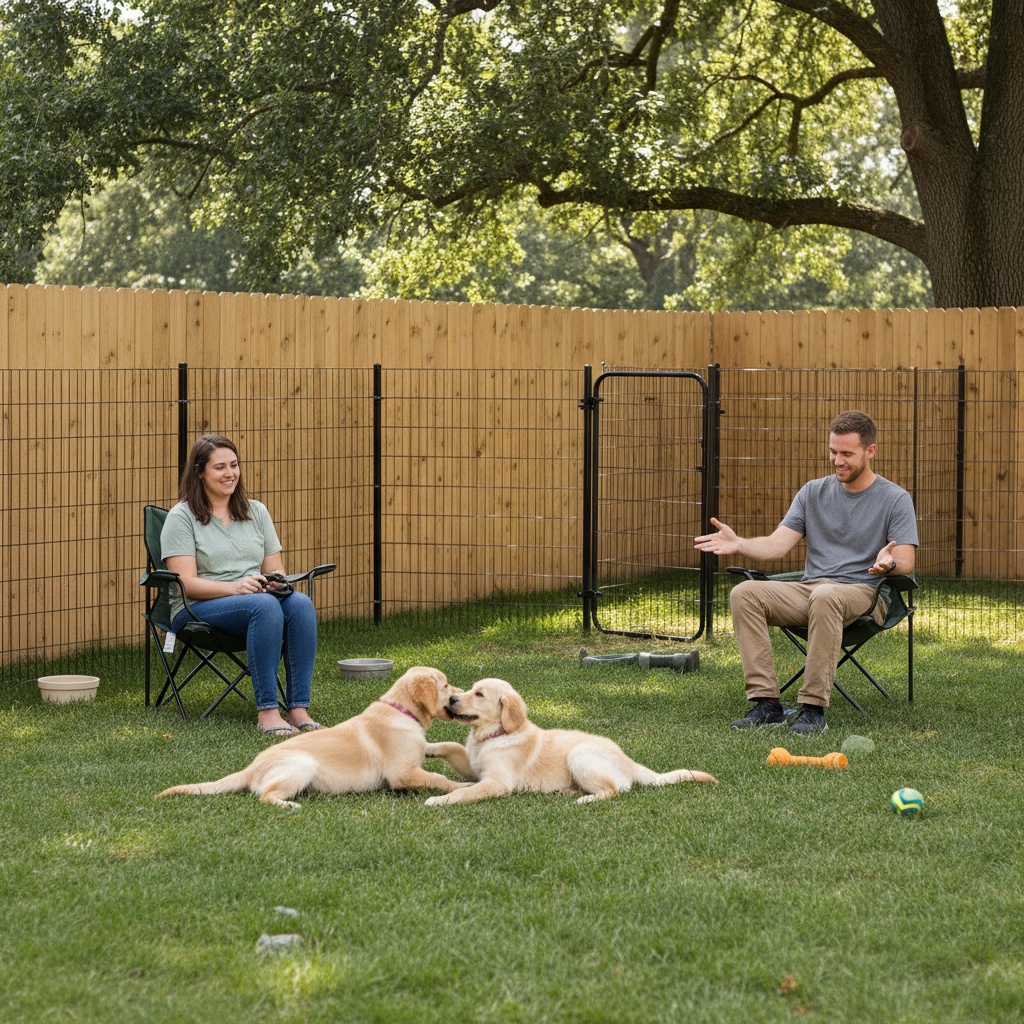
What About Biting During Playdates?
If your home pup is nipping at doggie BFFs, supervise closely. Puppies learn lots from their peers. If play bites get rough, give both dogs a break. Socialization helps with how to get your puppy to stop biting, too! The more pups your little one meets, the better they learn how to control their mouthiness in a safe, doggo-acceptable way.
When to Worry: Excessive Biting & Aggression
There’s playful biting, and then there’s biting because of pain, fear, or straight-up aggression. If you’ve tried all the above and your puppy’s not improving—or if you see real aggression (growling, snarling, snapping)—it’s time to hit up a pro trainer or certified behaviorist. Sometimes what looks like a biting problem is a symptom of anxiety, medical issues, or deeper behavioral stuff.
Troubleshooting: Puppy Biting at Kids or Clothes
How to get your puppy to stop biting kids’ fingers or hanging on to loose shirts and pants? Here’s what works:
- Teach kids to stand still, “like trees,” when bit. Movement = more excitement for puppies.
- Keep kids calm; squealing or swinging arms just fires the puppy up.
- Offer toys for the puppy to chase rather than grabbing hands or hem.
This makes sure everyone survives the puppy months with their dignity (and your wardrobe) intact.
How Long Does It Take for Puppy Biting to Stop?
The golden question! There’s no quick fix. Most puppies start to get the idea around four months old, when their big-dog teeth pop in and biting loses its fun. Stick to your guns, though. Even if your pup only bites “sometimes,” you have to enforce the rules every time—that’s how to get your puppy to stop biting for the long haul.
Advanced Tricks for Hardcore Biters
Got one of those stubborn cases who just won’t quit? Check out our best dog training books, then try these pro secrets on how to get your puppy to stop biting:
- Clicker Training: Click when your puppy interacts gently, then treat. Dogs catch on quick!
- Teach “Leave It”: Start with treats, then transfer the cue to hands or clothes.
- Set Up Training Sessions: Practice handling paws, ears, and collar while rewarding good behavior.
- Increase Mental Exercise: Brain games tire puppies out and reduce naughty impulses.
The Secret Weapon: Exercise & Enrichment
Bored puppies are bitey puppies. Make sure your little one’s getting enough out-of-house adventure and play. Try:
- Short training walks (even tiny pups need to see the world)
- Puppy agility (yep, there are safe mini-obstacle courses!)
- Interactive feeder toys
- Puzzle games with treats
A tired puppy’s less interested in using you as a chew toy, ya know?
Celebrating Success: When Your Puppy Stops Biting
The big day will come—your doggo learns to keep those chompers to toys and not your digits. Celebrate this big win! Keep up with gentle handling, regular play, and good ol’ positive vibes. If you keep up the game plan on how to get your puppy to stop biting, you’ll have a happy, gentle companion for life.
In a Nutshell: Key Takeaways on How to Get Your Puppy to Stop Biting
- Biting is 100% normal for puppies. Don’t panic!
- Be patient, consistent, and calm. React the same way every.single.time.
- Redirect to safe toys, praise gentleness, and stop play when biting happens.
- No punishments—positive vibes only!
- When in doubt, consult a pro. There’s no shame in asking for help!
Now that you’ve got the lowdown on how to get your puppy to stop biting, go ahead—put those tips into action and give yourself a high-paw. This phase is tough but it totally passes. And hey, when that fluffy tornado turns into your best friend, you’ll look back and laugh about all those “ouch!” moments.