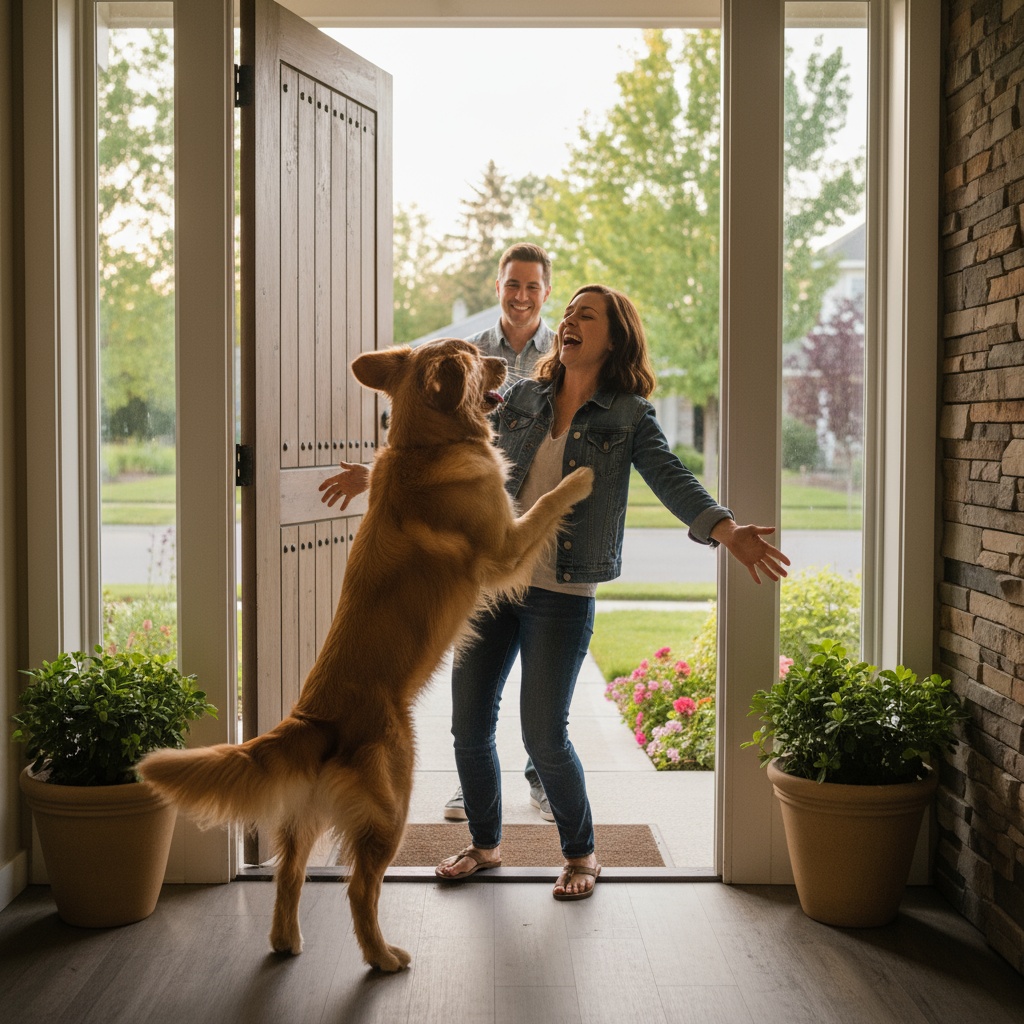
Everyone’s been there. You step through the door and—bam!—your dog launches at you like a furry, wiggly rocket. Dog jumping is one of those classic canine behaviors that cracks people up at first, but gets old real quick. Whether your dog is a pint-sized terrier or a 90-pound goofball, constant jumping can be annoying, embarrassing, and even a little dangerous (grimace). In this article, we’re tackling dog jumping head-on with practical advice, fun facts, and some honestly real talk about what works—plus what absolutely does NOT. Ready to curb dog jumping for good and get back to a calm, paw-some home? Buckle up, let’s go!
Why Do Dogs Jump?
Dogs jump for a ton of reasons, and almost all of ’em are natural and not meant to drive you nuts. It’s classic dog stuff. Understanding the “why” behind dog jumping helps you get your head in the right place for training. Here are some reasons your pup might be leaping all over guests, visitors and, well… anyone who dares enter:
- Excitement: Duh, right? Your dog is pumped to see you. That’s sweet, but there are way better ways to say hey.
- Seeking Attention: Dogs quickly learn that jumping makes people look at, talk to, or touch them—even if it’s to say NOPE!
- Greeting Behavior: Adult dogs and puppies sniff faces in greeting. You’re tall. Jumping puts your face at nose level. Makes sense from a dog’s view!
- Boredom: A dog with pent-up energy will find a way to expend that power. Jumping is fun for them, especially if it’s forbidden fruit.
- Reinforced Habit: If you or anyone else laughs, pets, or otherwise rewards jumping, your dog learns it’s worth repeating.
The Hidden Dangers of Dog Jumping
Sure, dog jumping can look cute with your own dog. But trust me, not everyone is down for a faceful of slobbery paws and dog hair stuck to their clothes. Here’s how dog jumping turns from funny to problematic:
- Injury Risk: A large dog can knock over kids, seniors or anyone who’s caught off guard.
- Dirty Clothes: Muddy paws do not mix well with white jeans or business suits. Yikes.
- Reinforces Excitement: It teaches your dog to be more hyped, not less, when guests come over or you arrive home.
- Fear or Anxiety: Some folks are legit scared of dogs. A jumping dog can make them way more nervous.
Dog Jumping: Common Mistakes Owners Make
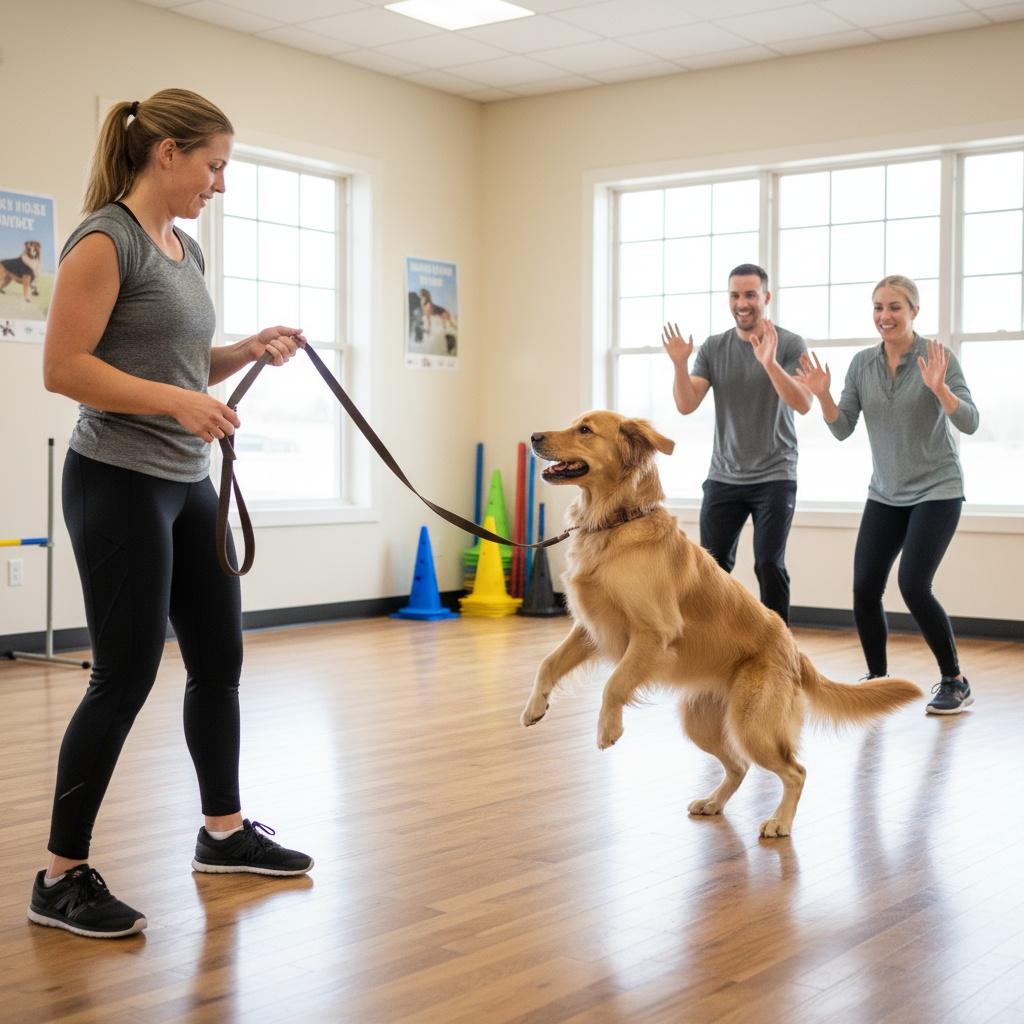
If you’ve tried to stop dog jumping and failed, you’re not alone—so many of us make honest mistakes that actually make things worse. Let’s clear ’em up:
- Pushing Your Dog Down: Even though it feels natural, pushing can seem like play. Your dog thinks, “This is the best!”
- Yelling or Scolding: Verbal attention, even annoyed, is attention. Dogs are sneaky like that.
- Letting Some Jumps Slide: Inconsistency confuses your dog. It’s ‘yes’ on Saturday, ‘no’ on Tuesday. Who can blame them?
- Ignoring the Root Cause: Many owners don’t realize why their dog’s doing it, so they never address the real need (attention, energy, etc).
How to Stop Dog Jumping: Step-By-Step Training
Now for the good stuff! Here’s a real-talk, proven approach to ending dog jumping behavior once and for all. Trust the process, fam—it takes time and consistency. For more tips, check out our comprehensive training guide.
Step 1: Set Clear Boundaries for Dog Jumping
- Decide what you want. No jumping on anyone? Or just no jumping on guests?
- Let everyone in the house (and your regular guests) know the plan. Consistency is EVERYTHING.
Step 2: Ignore the Jumping
- When your dog jumps, turn your back. Fold your arms and don’t look at them at all. Don’t speak, don’t touch.
- Wait for all four paws on the floor, THEN give attention. Praise, pet, treat, whatever—they get it only when grounded.
Step 3: Teach an Alternative Behavior
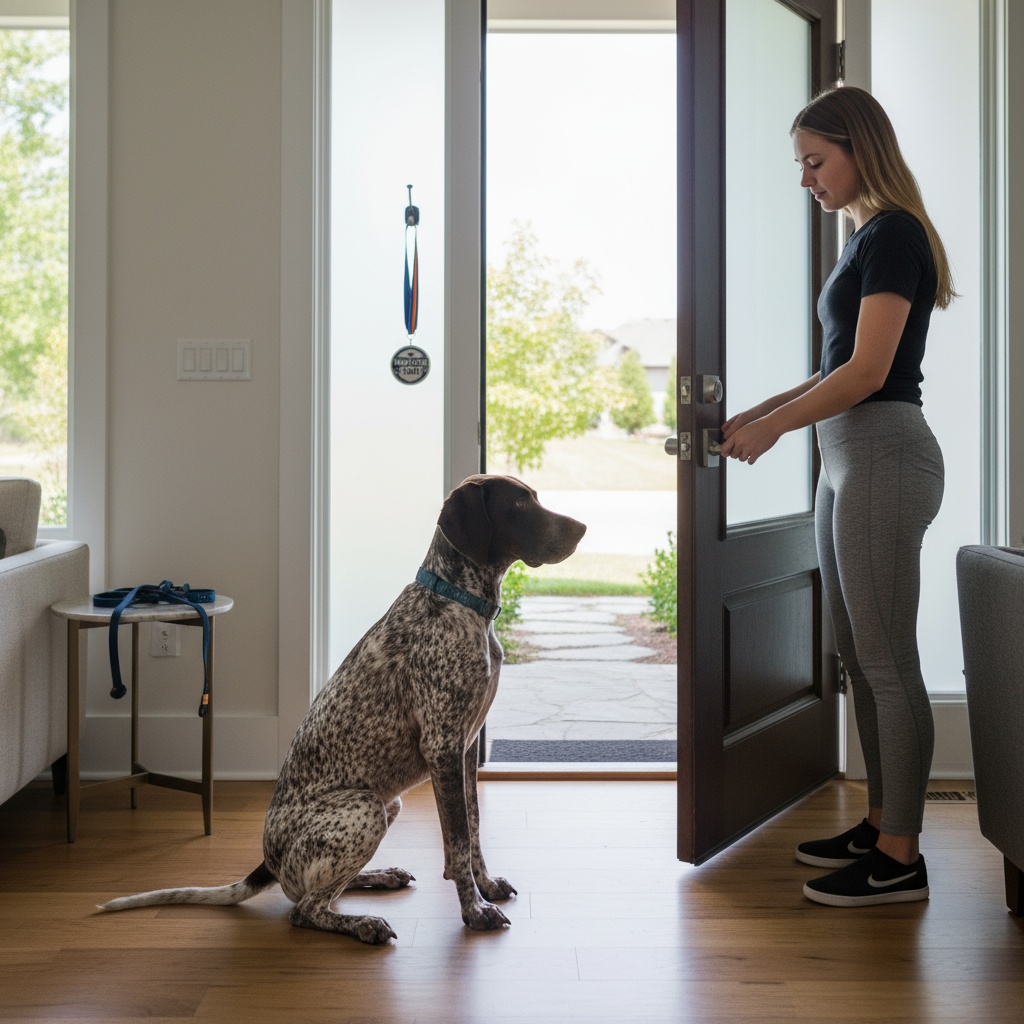
- What do you want your dog to do instead? Sitting’s a classic ask.
- Reward the heck out of sitting when people approach. Make it rain treats, affection, or that favorite squeaky toy.
- Practice this with everyone in the house. Later, ask friends to help (they’ll be thrilled, I’m sure…)
Step 4: Use a Leash for Control
- If your dog is a serious jumper, keep ‘em on leash when people arrive.
- Step on the leash to prevent a leap. Ask your dog to sit. Release the leash once calm behavior is shown.
Step 5: Stay Unfailingly Consistent!
- Every. Single. Time. Ignoring a jump means ignoring every jump. Really. No exceptions.
- Reward the behavior you DO want every single time—yes, even after a year. It takes a lot to overwrite dog jumping habits!
Pro Tips for Faster Results With Dog Jumping
- Tire Them Out First: Exercise is your secret weapon. A tired dog is waaay less likely to jump when guests arrive.
- Practice Calm Greetings: Have friends knock or ring the bell, but only let them in when your dog is calm and not jumping.
- Pre-Train With Family: Before you throw your dog into the deep end with guests, have family or roomies help rehearse calm greetings.
- Use Management Tools: Baby gates, pens, and crates can help prevent unwanted jumping while you work on training.
Dog Jumping and Puppies: Starting Off Right
If you have a new puppy, congrats! This is the perfect time to nip dog jumping in the bud. Puppies are total emos—they repeat what gets attention again and again. Here’s what to do:
- Avoid all eye contact, talking, or touching when those fluffy paws launch up.
- Give tons of attention for four-on-the-floor (literally lay on the praise and treats).
- Ask new people to ignore all jumping; reward the sit or calm greeting.
- Keep greetings calm yourself—no squealing or exciting hugs until paws are down.
What If My Dog Only Jumps on Certain People?
True story: Many dogs only pounce on Grandma (or the neighborhood mailman, or little kids). Here’s what to do if your dog targets certain folks for dog jumping marathons:
- Identify the triggers (excitement, nervousness, loud greetings, etc).
- Prearrange for those people to help train (if possible). Practice calm greetings, sit for petting, and reward like crazy.
- Use management for people who can’t help (like the delivery dude). Put your dog in another room or behind a gate until they’re calm.
Why Isn’t My Dog Stopping Dog Jumping?
If you feel like you’re stuck, here’s a checklist of likely issues:
- Are you (or your guests) sometimes letting jumping slide?
- Are people still pushing, talking to, or laughing at your dog when they jump?
- Is your dog getting enough daily exercise and enrichment?
- Are you being patient? (Yah, sometimes it feels slooooow.)
Honestly, dog jumping is a learned behavior that may have been reinforced for months or years. It’ll take some time to unlearn. Hang in there. It really works!
Tools and Products That Can Help Curb Dog Jumping
Will gear fix the problem? Nah, but used right, these tools can save your sanity while you train:
- Leashes: Super important for controlling greetings and managing excited dogs.
- Bait Pouch/Treats: Fast rewards mean you can pay for good behavior instantly.
- Gates and Pens: Set up a safe space so your dog isn’t bouncing off every guest who comes in the door.
- Clicker: Clicker training methods give crazy-clear feedback for your dog. Mark the behavior and pay with a treat.
What To Avoid When Training Dog Jumping
Never, ever use punishment (spray bottles, kneeing your dog, yelling, etc.). Not only does this confuse most dogs, but it can also freak them out or make greeting situations stressful. The name of the game is reward the good, ignore the bad. Stick to the plan!
Fun Facts About Dog Jumping
- Some dog breeds are genetically built for jumping—like Border Collies and Aussies. It’s in their blood!
- Dogs can learn almost anything with reward-based training, including dramatic greetings without jumping.
- Puppy classes and socialization are awesome for teaching polite greetings early.
Dog Jumping Success Stories
Let’s keep it real: Fixing dog jumping is one of the most rewarding things you can do as a dog owner. Need some inspo?
- Reggie the Rescue: A hyper Lab mix who knocked over guests daily, Reggie learned after two months of consistent sit-for-greeting work. His family now hosts BBQs without panic!
- Sassy the Staffy: Sassy stopped pouncing on neighborhood kids after her owners practiced with friendly neighbors and made a game out of calm greetings and treat rewards.
Maintenance: Keeping Dog Jumping in Check
The truth about dog jumping: You wanna keep rewarding polite behavior forever. Don’t drop the ball just because your dog stops jumping for a few weeks.
- Keep your treats, praise, and calm greetings handy for ongoing success.
- Reinforce training every time new people come over.
- If your dog “forgets” and jumps after a long break? Go right back to the basics for a refresher.
FAQs on Dog Jumping
- Is it OK to let my dog jump on me but not guests?
It’s possible, but tough for most dogs to split the rules—they’ll probably get confused. Best to stick with one rule for everyone. - How long will it take to stop dog jumping?
Depends on how long your dog has practiced it, your consistency, and your dog’s bred excitement level. Weeks to months is typical. - My dog only jumps when excited—should I worry?
Excitement isn’t “bad,” but jumping is not safe for everyone. Teach alternate behaviors for a win-win.
Takeaway: Ditch Dog Jumping for Good!
Your dog can totally learn to knock off the dog jumping and be the polite, chill canine you know they can be. It takes patience, some solid strategy, and a sense of humor. Don’t sweat the slip-ups—it’s totally normal, and you’ll get there faster than you think. Here’s the recap:
- Stop rewarding dog jumping with attention (even bad attention counts!)
- Reward four paws on the floor, sit for greetings, and all the good stuff
- Tell friends and family to play by your (no-jumping) rules
- Be patient, celebrate small wins, and keep it up!
When you’re finally able to invite people over or walk through your front door without being tackled by dog jumping madness, you’ll realize it was so worth it. Here’s to a calmer, happier dog—and way cleaner clothes.