So, you just got home with your adorable new puppy and you’re falling in love—until, ouch! Those little shark teeth sink right into your fingers. Sound familiar? If you’ve been frantically searching how to teach puppy not to bite, you’re 100% not alone (and it’s not hopeless, promise). From wiggly excited greetings to teethy playtimes that go too far, puppy biting is super common. But with some chill, patience, and a few pro tips, you’ll have your sweet fluff-ball playing nice and keeping all those precious fingers safe. Let’s dive in—you’re about to learn everything you need on how to teach puppy not to bite the smart, loving way.
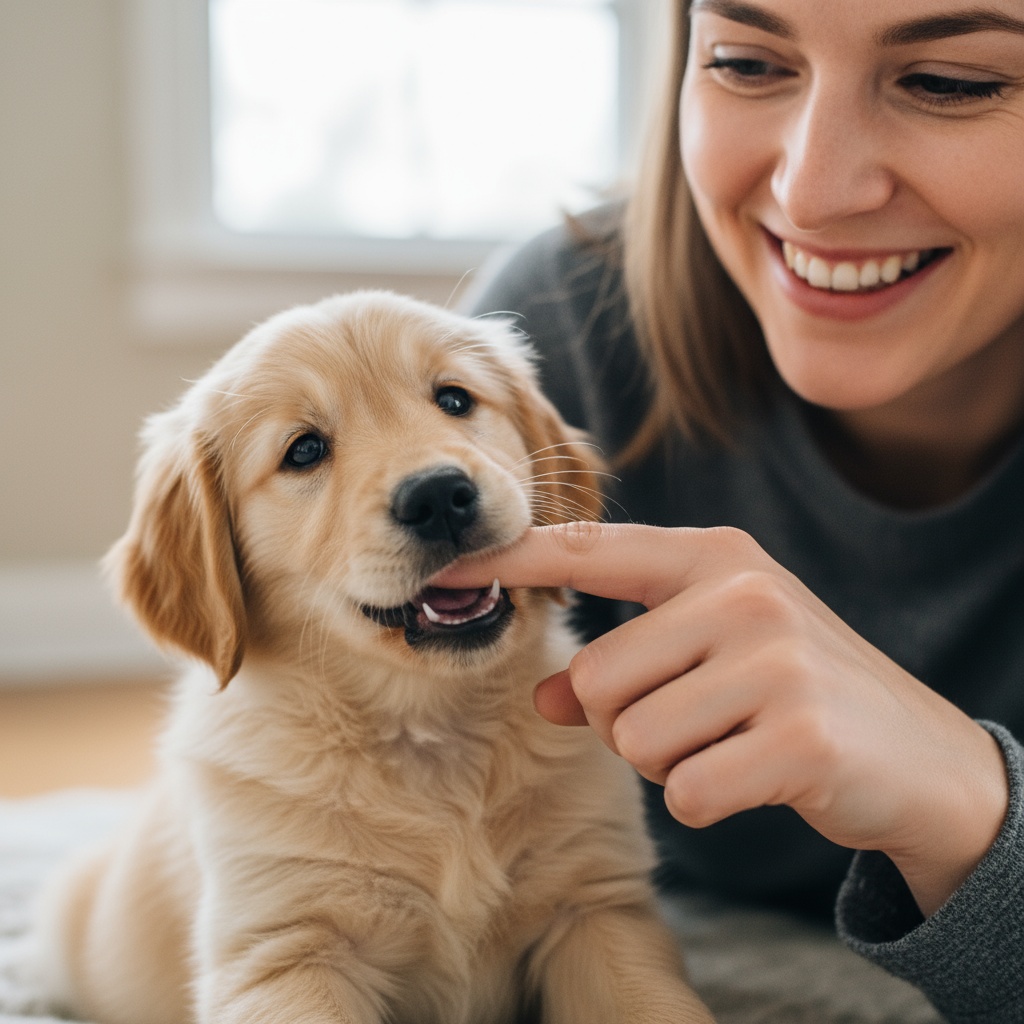
Why Do Puppies Bite? Understanding the “Why” is Crucial
Before we get into the how to teach puppy not to bite action plan, it’s good to know why your pup is constantly turning your hands, shoes, or clothes into chew toys. Here are some normal reasons behind this bitey behavior:
- Teething: Just like human babies, puppies go through literal teething pain. Biting is their way of soothing those sore gums.
- Exploring: Yep, puppies use their mouths to check out the world. Everything’s new, tasty, and bite-worthy (at least to them).
- Play: Puppies play with siblings by biting. It’s how they learn limits—what’s too hard, what’s all good, and what gets them in trouble with mama dog.
- Boredom: An understimulated pup will find their own fun. Unfortunately, that can mean biting your precious stuff—or you.
This all sounds normal, right? The key, though, is teaching your puppy what’s cool to chew and what’s not. That’s where you shine as a leader!
How To Teach Puppy Not To Bite: Setting the Ground Rules Early
Puppy biting won’t magically disappear—it needs a plan. The secret sauce? Consistency and patience. Here are the golden rules that work when you’re set on how to teach puppy not to bite:
- Never use physical punishment: It can break trust and make your puppy fearful or, worse, aggressive.
- Don’t encourage bitey games: No wrestling with hands or letting them chomp your fingers—it just teaches them it’s okay.
- Reward gentle play: When your pup uses their mouth softly or not at all, heap on the praise and treats.
- Everyone’s on board: Make sure *everyone* in your fam is following the same plan. Mixed messages slow the process down fast!
Step-By-Step: Positive Ways To Teach Puppy Not To Bite
Ready for some action? Here are proven steps to follow for how to teach puppy not to bite, breaking things down so they actually stick.
Step 1: Use the “Ouch!” Technique
[Pro tip: You are allowed to get dramatic here!]
- When your puppy bites down, say “Ouch!” loud enough to startle (but not terrify) them.
- Pull your hand away and stop play immediately. Turn away or even stand up to make your point.
- This mimics what littermates and mama dog do—they yelp and stop fun when play gets rough. Your pup learns: bite hard = fun goes bye-bye.
Step 2: Redirection Is Your Secret Weapon
Hands, feet, and pants-legs are tempting targets, but they’re not okay chew toys. When you see the bite incoming:
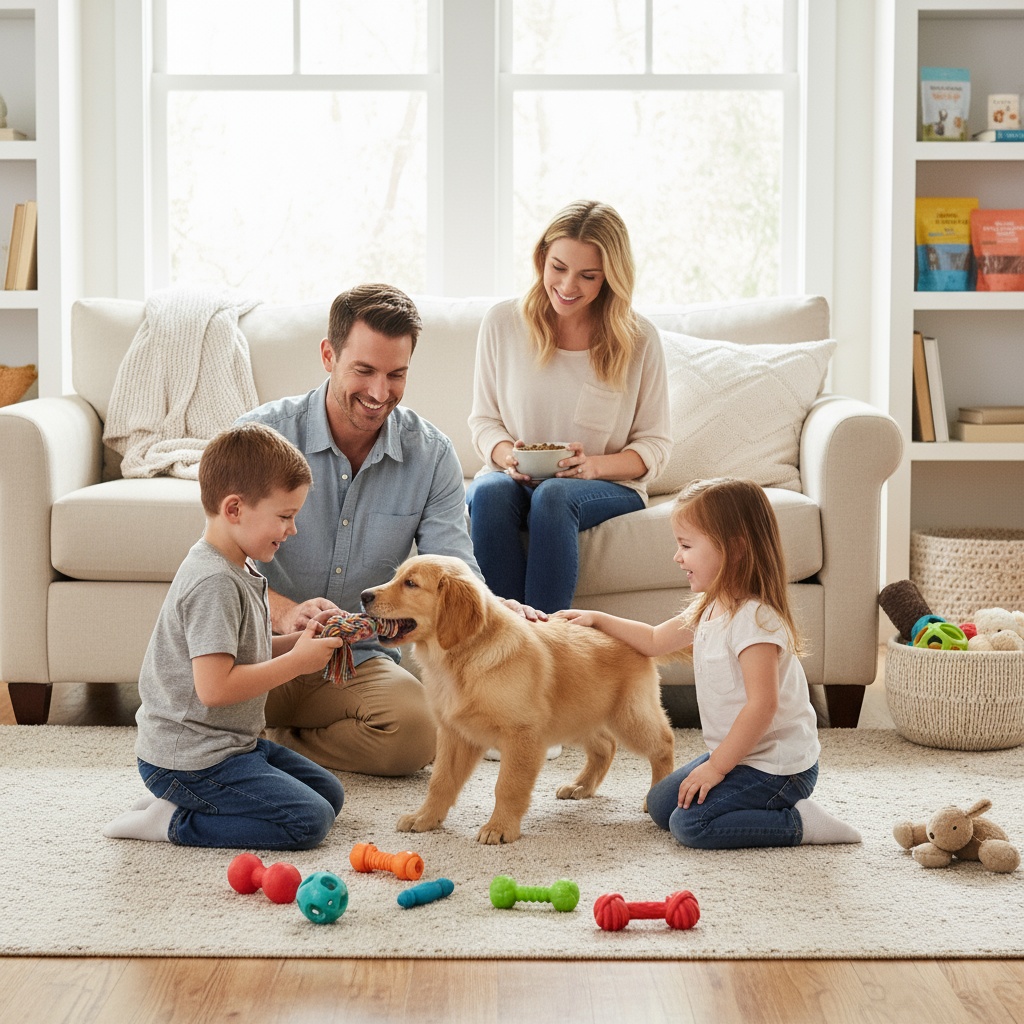
- Grab a puppy-safe toy and offer it immediately.
- Encourage biting and tugging on the toy, not you.
- Every single time your puppy goes for the toy instead, shower them with love, praise, or a treat.
Step 3: Practice Bite Inhibition
One key piece in how to teach puppy not to bite is getting them to control the strength of their bite. Here’s how:
- Don’t stop all play, but gently discourage hard bites more than soft ones—”Ouch!” and pause the fun for serious chomps, but softer bites can get lower-key correction.
- Over time, gradually withdraw attention for even gentle biting, so only super-soft, polite mouths get the play and attention they want.
Step 4: Time-Outs (The Ultimate Reset Button)
Puppies are smart, but sometimes they get wound up and miss all the signals. If your puppy ignores the “Ouch!” or keeps going wild:
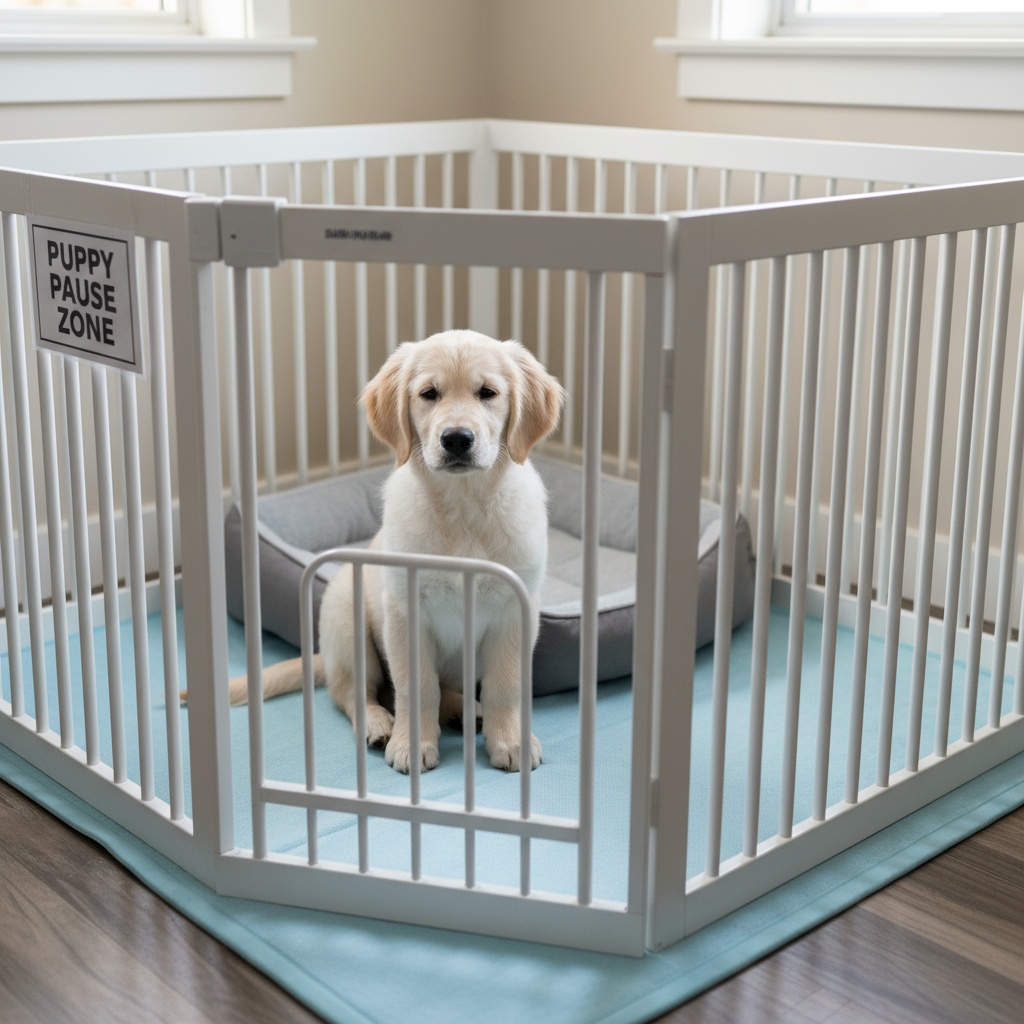
- Calmly pick them up (or gently guide them) and place them in a safe, puppy-proof “time out” area for 30-60 seconds.
- No scolding—just a short break. Quiet, simple, repeat as needed.
- Return and resume play calmly once the puppy has chilled out.
How To Teach Puppy Not To Bite: Why Toys Matter
This can’t be said enough: Have plenty of chew toys around at all times. When working on how to teach puppy not to bite, you’re redirecting their urge to chew to appropriate things. Good chew toys also help with teething pain and give your pooch something interesting, not your phone charger or toes.
- Rotate toys frequently so your puppy doesn’t get bored.
- Use interactive toys like treat-stuffers or squeakers to keep them engaged longer.
- Bounce, roll, or tug on toys to get your puppy interested if they’re ignoring them.
Common Mistakes to Avoid When You Teach Puppy Not to Bite
When learning how to teach puppy not to bite, there are some classic mistakes that actually slow down progress a ton. Make sure you’re not making these rookie goofs:
- Yelling or scaring your puppy: This builds fear, not trust (and they might just hide where you can’t reach).
- Offering your hands as “bait” during play: Tempting, but teaches bad habits long-term.
- Ignoring early signs of biting: Don’t wait till it’s full-on chomping. Fix it while they’re still mouthing minimally!
- Letting little kids play unsupervised: Those fast-moving hands and squeals can make puppies wild—always keep a close watch.
How Long Does It Take To Teach Puppy Not To Bite?
If it feels like your pup still bites after weeks, don’t panic. Most puppies grow out of intense mouthing and biting with consistent training. On average, you’ll see serious improvement in 2 to 4 weeks, but some breeds (hellooo Labs and Shepherds…) might take a while longer. Just stay patient, stay consistent, and remember you’re building lifelong habits.
Preventing Boredom: Secret Ingredient for Success
A lot of puppy biting starts when your little furball has energy to burn. One overlooked part of how to teach puppy not to bite? Tire ‘em out! Try these sanity-savers:
- Physical exercise: Short walks and fetch games go a looong way.
- Mental stimulation: Puzzle feeders, training games, and basic obedience work tire your pup’s brain.
- Frequent short training sessions: Keep things fresh and fun so your puppy looks to you for direction.
Building Better Habits: Socialization and Dog-to-Dog Play
Want to know another pro-tip for how to teach puppy not to bite? Let them play with other safe, well-behaved puppies and adult dogs. Dogs teach each other bite inhibition in ways we simply can’t.
- Supervised puppy classes are gold for bite control and overall confidence.
- Doggy playdates with mellow, puppy-tolerant dogs are also super helpful.
- Always supervise—never leave puppies to play with big dogs unsupervised.
What To Do If Puppy Biting Seems “Off”
So, what if you’re doing all the things for how to teach puppy not to bite and your pup is still biting a lot…or getting more aggressive? Here’s when to call in extra help:
- You notice growling, snapping, or guarding toys/food
- Your pup bites hard enough to break skin regularly
- Nothing seems to interrupt the biting, and your puppy seems out of control
If these happen, reach out to an experienced, positive dog trainer or your vet. Sometimes medical issues (like pain or frustration) or fear can hide behind those teethy moments.
Troubleshooting: FAQ on How To Teach Puppy Not To Bite
Q: My puppy bites my kids. How do I stop this?
This one’s super common. Make sure play with kids is always supervised, keep toys nearby, and teach your kids how to calmly walk away and get an adult if biting happens. Never punish the puppy—redirect, redirect, redirect! Set up gentle boundaries for both your puppy and your children.
Q: Should I hold my puppy’s mouth shut? Old-school trainers say that works…
Nope—never do this! It’s outdated, harsh, and ruins trust. Stick with positive redirection and gentle timeouts instead.
Q: What toys are best for a teething puppy?
- Rubber chew toys (Kong, Nylabone)
- Frozen washcloths (easy on those gums)
- Soft plush toys if your pup doesn’t eat the stuffing
Test a few and see what they like—every puppy is different.
Q: Will my puppy grow out of this stage?
Yes! With patience and consistency in how to teach puppy not to bite, your furry tornado will settle down. Most adult dogs mellow out a ton by 6-9 months, though occasional mouthing can stick around if not redirected.
Putting All The Pieces Together: Living With a Bite-Free Puppy
When you stay consistent and positive with the tips above, you’ll absolutely see a huge change. Your new normal? Soft, gentle play, safe hands, and way less stress. Remember, teaching your puppy not to bite isn’t about being strict or mean—it’s about teaching respect, trust, and how to chill out.
If you ever feel stuck or frustrated, take a break and breathe (you got this!). The journey to teach puppy not to bite can be messy, but it’s 100% worth it. You’ll build a bombproof bond with your dog, and your furniture, family, and friends will thank you for it!
Resources for More Success
If you want more tips on how to teach puppy not to bite, check for:
- Local positive reinforcement puppy classes
- Dog training books by respected trainers (think: Victoria Stilwell, Ian Dunbar, Zak George)
- Vet advice—especially if biting seems sudden, severe, or medical problems are suspected
- Online forums and groups for real-world support (and hilarious puppy pics to keep you motivated!)
Bottom line? Stick to gentle methods, redirect with toys, keep play calm, and reward all the good stuff you wanna see. When you focus on how to teach puppy not to bite, you’re building a happier, more peaceful home for everyone. Good luck! (And maybe keep a few Band-Aids handy…just in case.)