Alright, let’s get real—if you’ve ever wondered how to teach a dog not to bite, you are totally not alone. Puppy nibbles might be cute at first, but when your furry friend starts gnawing your hand like it’s a chew toy, those little teeth sting! Trust me, learning how to teach a dog not to bite is super important—not just for your own skin, but for your dog’s future and everyone they meet. So, grab your treats, summon your patience, and let’s break down exactly how to teach a dog not to bite with proven tips that really work (and yeah, a couple rookie mistakes I learned the hard way!).
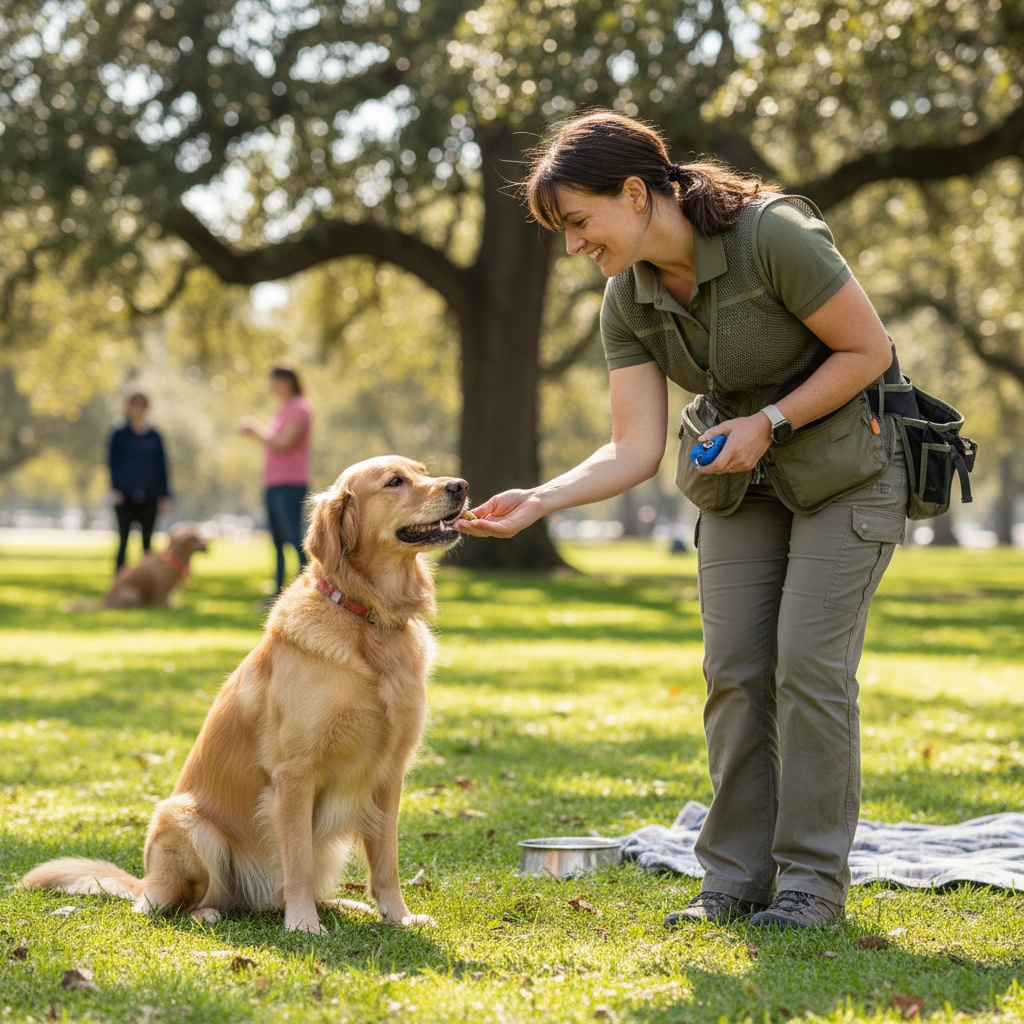
Why Learning How to Teach a Dog Not to Bite Matters (A Lot!)
Okay, let’s be blunt: dog bites can be scary. Aside from the ouch-factor, bites can mess up trust between you and your pup and even put them at risk of getting rehomed or worse. That’s why figuring out how to teach a dog not to bite from an early age is literally life-changing for you both. Still not sold? Peep these reasons:
- Safety for your family, kids, and friends
- Prevents legal trouble or health risks
- Makes your dog more welcome everywhere
- Builds a stronger connection and trust with your pet
Alright, now let’s get to the nitty-gritty on how to teach a dog not to bite for real.
Gettin’ to Know Why Dogs Bite
Understanding the “why” makes it way easier to figure out how to teach a dog not to bite. Here’s a quick list:
- Teething in puppies—it’s a thing, and it sucks
- Fear or anxiety
- Protecting toys, food, or their people
- Overexcitement or rough play
- Pain or sickness (dogs can’t just tell you they hurt!)
- Lack of training or boundaries
Each of these has slightly different solutions, but the basics of how to teach a dog not to bite are pretty similar, no matter the cause.
Puppy Biting: How to Teach a Dog Not to Bite From the Start
Raising a puppy? Congrats! You’re probably asking how to teach a dog not to bite, like, every single day. Puppy biting is natural, but you should absolutely start working on it ASAP. Here’s how to teach a dog not to bite (puppy edition):
- Redirection: If your puppy bites, offer a toy instead. Make the toy bonanza super fun so pup gets the picture.
- NO rough play: Tug-of-war and wrestling teach puppies biting is normal play. Play fetch or other non-contact games instead.
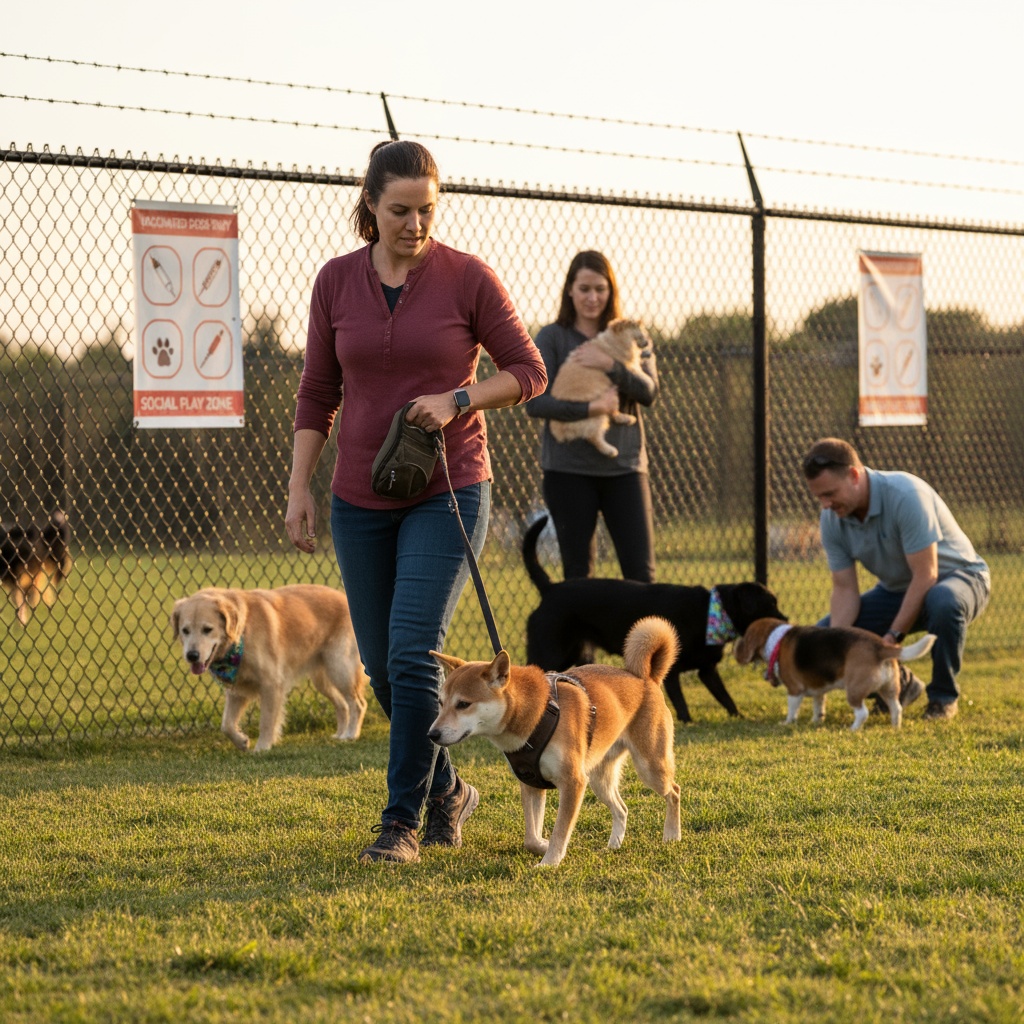
- Socialization: Let your pup meet safe, vaccinated dogs and people. Social pups bite less.
- Yelp—literally! When your puppy bites too hard, squeal (like a startled puppy). This is the natural way dogs say, “Yowch, that hurt!”
- Time-out: If the biting continues, walk away. Game over. Puppies quickly learn: bite = fun stops.
Consistency is Key in Teaching Puppies Not to Bite
Yeah, it can feel repetitive (and sometimes, kinda relentless). But consistency is honestly THE #1 thing in how to teach a dog not to bite. That means every family member has to be on board—no “well, just let him nibble me” exceptions!
Older Dog? Here’s How to Teach a Dog Not to Bite as an Adult
If you have an adult dog with a biting issue, don’t sweat it—there are ways to handle it. Here’s your survival guide for how to teach a dog not to bite when your dog isn’t a baby anymore:
- Veterinary check: First ask your vet if pain or illness is driving the biting. Gotta rule that stuff out pronto!
- Trigger hunt: Watch for patterns—does your dog nip during grooming, when startled, or if guarding a toy? Write it all down.
- Counter-conditioning: Reward calm behavior instead of bites. This is basically re-wiring your dog’s brain—praise and treat every time your dog calmly tolerates petting or touch.
- Teach basic cues: Sit, stay, leave it. These basics give you way more control when your dog gets overwhelmed.
- Desensitization: Slowly expose your dog to the stuff that flips their bite switch, but only as much as they can handle without biting. Loads of treats and patience here, peeps!
If the biting keeps up or is scary-serious, always consult a certified behaviorist who knows precisely how to teach a dog not to bite with positive methods.
The “Uh-Oh” List: What Not To Do
- No hitting or yelling – this just makes biting worse (and it’s cruel!)
- Don’t play tug with your hands – that encourages more biting, not less
- Never ignore serious bites – get pro advice for anything breaking skin!
- No roughhousing – activities that hype your dog up can trigger biting
Tools and Toys: Allies for How to Teach a Dog Not to Bite
Sometimes, having the right training equipment makes all the difference. When learning how to teach a dog not to bite, a few things can give you a serious paw up, like:
- Chew toys: Safe, sturdy, and interesting = hours of bite-redirecting fun
- Kongs and treat-dispensing toys: Keeps jaws busy and teeth off your limbs
- Bitter sprays: Some dogs hate the taste, so they’ll avoid chewing stuff with this on it (just don’t spray on family members!)
- Clicker: Useful for precise training and marking when your dog chooses toys over your fingers
Top Training Techniques for How to Teach a Dog Not to Bite
Redirection—Simple, But Works Like Magic
As soon as your dog latches onto you, say “nope” (or your choice of marker word), and immediately redirect to a toy. Praise like crazy when they grab the toy instead. This strategy is a golden core of how to teach a dog not to bite.
Teach Bite Inhibition
Dogs have to learn just how hard is too hard. If your dog accidentally nips, give a sharp, dramatic “Ouch!” Most pups will back off, realizing it’s time to chill with the teeth. Only resume play after a brief pause so they connect the dots—bite = end of fun.
Use Reward-Based Training
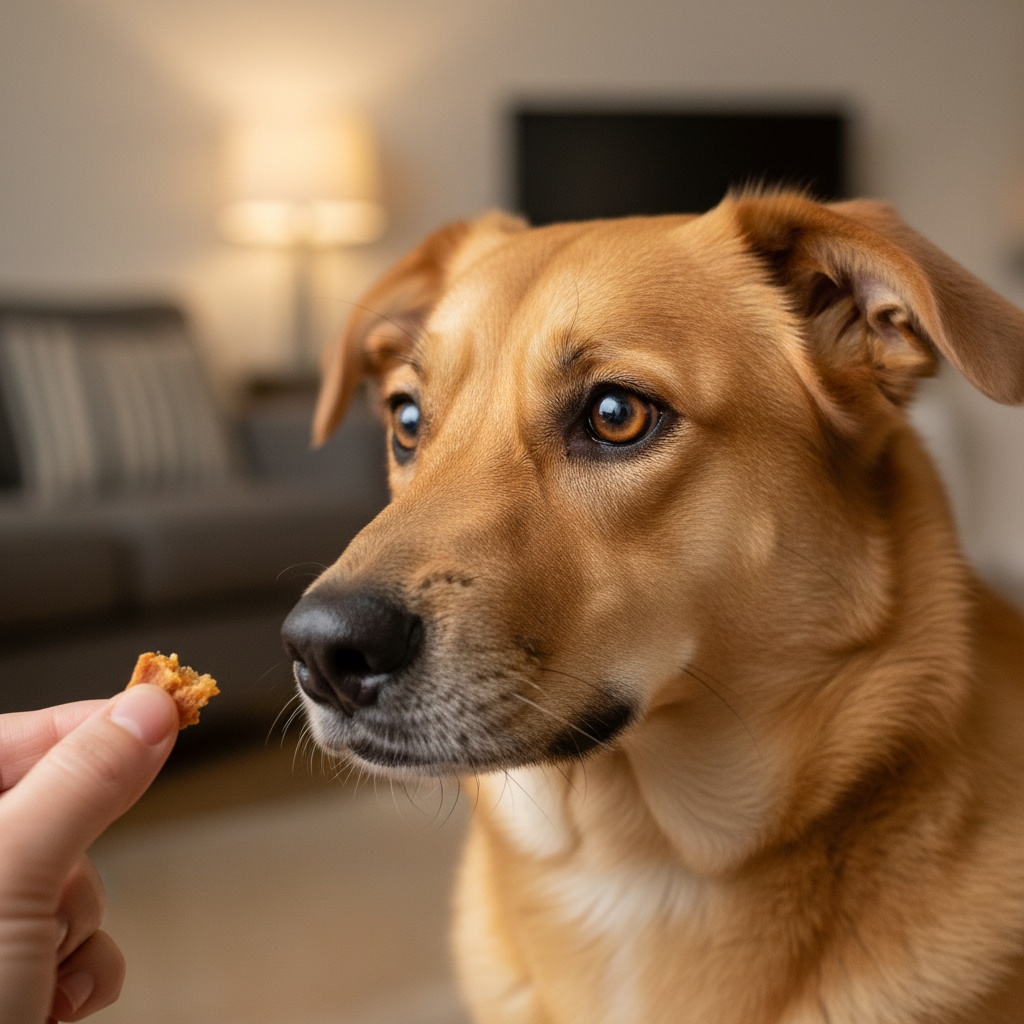
Reward calmness, gentle mouthing, or simply no biting with high-value treats. When your buddy gets it right, it’s high-key time to celebrate. This turns learning how to teach a dog not to bite into a game they’ll actually want to play.
Clicker Training—Next-Level Results
If you have a clicker, click and treat every time your dog plays gently or bites the correct thing. It helps reinforce what you want faster than just words alone.
Handling Playtime: Making It Safe and Fun
Play sessions are awesome…but also prime biting hotspots! Here’s how to teach a dog not to bite during play:
- Set rules for what’s OK and what’s not (no biting humans!)
- Always have a toy handy to redirect chompers
- If biting starts, calmly end playtime for a few minutes
- Teach your dog the “drop it” cue, so you can swap whatever is in their mouth in a hurry
How to Teach a Dog Not to Bite Strangers
Yeah, this one is super important—especially if you have guests or plan to walk your dog in public. Here’s how to teach a dog not to bite strangers:
- Socialization, socialization, socialization. Slowly introduce your dog to new people, always on-leash and with treats ready.
- Reward calm behavior and ignore/navigate away from stressy situations.
- Ask guests to ignore the dog at first, let your dog come to them, and reward gentle interest only.
If your dog is reactive or super shy, it’s never a fail to call in a pro, because keeping everyone safe is always priority one with how to teach a dog not to bite.
Common Mistakes to Avoid When Teaching a Dog Not to Bite
- Being inconsistent: Letting your pup bite “sometimes” sends mixed signals.
- Punishing instead of training: Fear-based methods just don’t work. Promise.
- Skipping socialization: Dogs need positive people time to learn safe behavior.
- Ignoring body language: Dogs warn you before they bite—learn the signs (lip licking, turning away, stiff body) so you can intervene fast.
Body Language: Spotting the Red Flags
Crucial to nailing how to teach a dog not to bite is learning their stress signals. Get familiar with these:
- Pinned ears
- Yawning when not tired
- Whale eye (when you see the whites of their eyes)
- Growling or air snapping
- Stiff, frozen posture
If you notice these, it’s time to de-escalate: back off, distract, or remove your dog from the situation before things can escalate.
What About Dogs with a Biting History?
Let’s keep it a buck: if your dog has bitten before, or if you adopted a dog with a bite history, it takes extra dedication to teach bite-free behavior. Always use management tools (leash, muzzle if needed for safety), and work with a certified pro who specializes in rehabilitating biting dogs. Sometimes, just providing structure and understanding your dog’s triggers are half the battle in how to teach a dog not to bite.
When to Seek Professional Help
There’s zero shame in backup! If you feel overwhelmed or the biting gets intense, that’s when pros shine. A qualified dog trainer or behaviorist can create a custom plan on exactly how to teach a dog not to bite in your unique home. Sometimes the fastest way to success is with a little expert guidance!
Practice Patience—Changing Biting Behavior Takes Time!
No joke, patience is your MVP when figuring out how to teach a dog not to bite. Celebrate small wins, even a little progress is progress! Don’t get discouraged if it takes longer than you hoped—every dog is unique, and you’re giving yours the very best chance at being a safe, happy member of your world.
Quick Recap: How to Teach a Dog Not to Bite (TL;DR for the Busy Folks)
- Start early and be consistent
- Use positive reinforcement—lots of treats and patience
- Redirect biting to toys
- Teach bite inhibition with yelps and time-outs
- Rule out pain or illness with your vet
- Control the environment—never set your dog up to fail
- Don’t punish or use rough play
- Practice, practice, practice!
Final Thoughts: Your Commitment Pays Off
Learning how to teach a dog not to bite is one of the most important (and rewarding!) things you can do for your fur kid. Think of it as an investment in your relationship, your dog’s happiness, and everyone’s safety. Be patient, use lots of positive vibes, and you’ll see progress—and, hey, maybe save a few socks and fingers along the way. Happy training!