If you’re reading this, there’s a solid chance you’ve already hollered, Why, oh why, does my puppy bite me?! Don’t freak. Most dog parents have been right where you are — clutching your bandaged fingers, exhausted, and googling solutions at midnight. That sharp sting from those little teeth can send anyone up the wall, but with some understanding and a few tricks up your sleeve, those nasty bites can totally become a thing of the past (promise!). So sit back, exhale, and let’s unravel the whole my puppy bites me problem together in a way that’s not just effective but also kinda fun.
Why Does My Puppy Bite Me? Understanding the Reason Behind Those Chompers
First things first: those puppy teeth got a purpose. It’s less about rage and more about curiosity, growth, and tons of excitement. Here’s why your little furball can’t seem to keep their teeth to themselves:
- Teething Troubles: Puppies begin teething around 2-4 months. Those new teeth hurt as they grow in, so biting stuff (including your hands and ankles, ouch) brings relief.
- Exploring Their World: Pups experience the world through their mouth. Spoiler: your skin is just as interesting to them as a new toy.
- Playfulness: Biting is a puppy’s way of playing with the littermates. No siblings? Don’t be shocked if my puppy bites me becomes their new game.
- Lack of Bite Inhibition: Puppies learn the “ow, too hard!” lesson from their littermates and mom. Without doggy siblings around, you’re the practice buddy.
- Attention Seeking: Some puppies quickly figure out that when they bite, humans *always* react. Negative or positive — it’s attention, and that’s what matters to them.
The Science: How Normal Is It If My Puppy Bites Me Constantly?
Honestly? Super normal. When you’re raising a puppy, biting is part of the package. The question isn’t “why does my puppy bite me,” but rather — what can you do about it, and how soon will it end? Most puppies outgrow this by 5-6 months if taught proper bite manners. But sometimes, if you miss out on training or let the problem slide, it can turn into an adult dog issue — and nobody wants that.
Puppy Teeth 101: When Is It Just Play vs. When Should I Worry?
You gotta tell when it’s just innocent play and when it’s veering into aggressive territory. Here’s some quick pointers:
- Normal Play Biting: Puppy wags tail, bounces around, shows a “soft mouth.” Bites don’t break skin.
- Painful Play or Overstimulation: Bites start leaving marks, pup acts wild, ignoring all cues to chill.
- Red Flags (Aggression): Growling, stiff posture, corners you, bites hard with intent. If you see this, chat with a professional ASAP.
The Dos & Don’ts When My Puppy Bites Me
Alright, let’s get practical. Here’s exactly what to do — and NOT to do — if my puppy bites me keep happening:
What You Should Do
- Stay Calm: Flipping out makes it a bigger game. Try to keep your cool (even when it stings!).
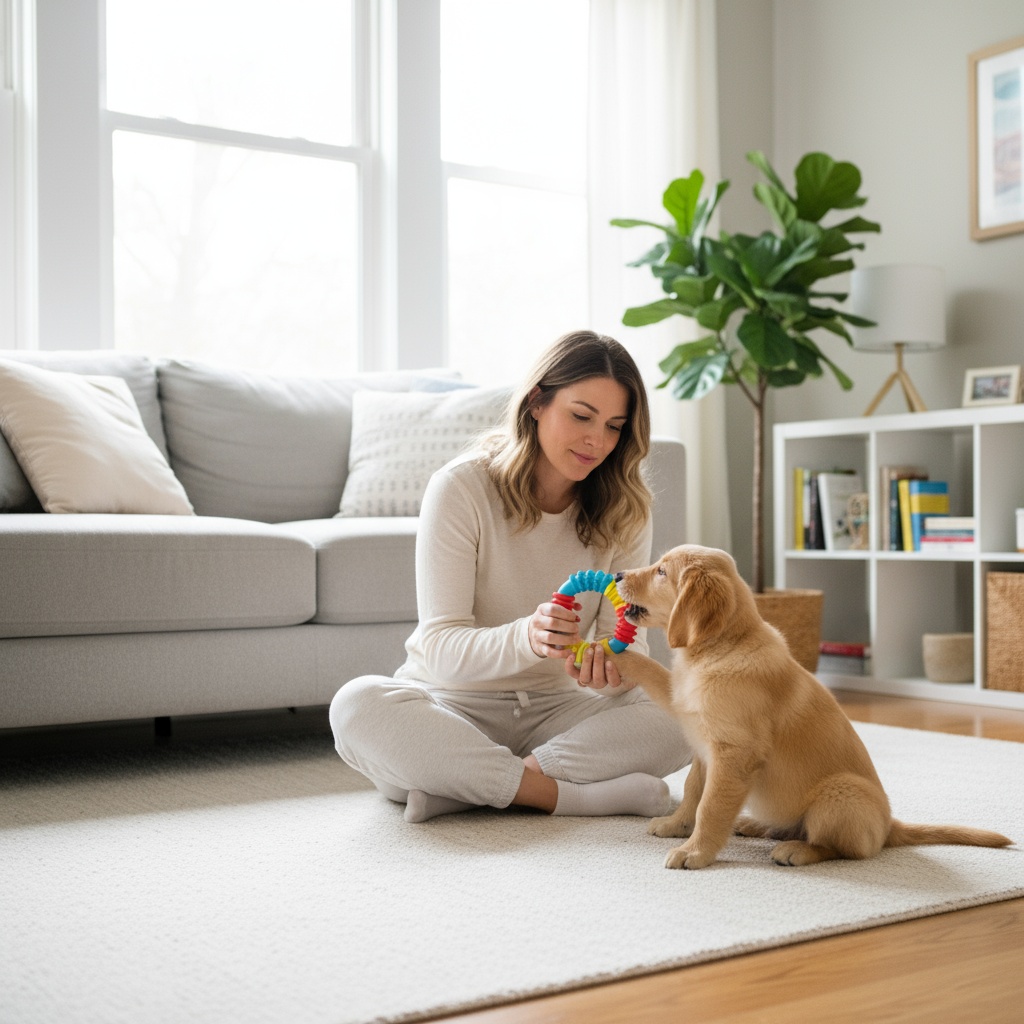
- Redirect the Energy: Instantly offer an appropriate toy. Every. Single. Time. Eventually, your pup learns what’s okay to chomp.
- Use a Yelp: Let out a high-pitched “ow!” or “yelp” just like another puppy would. Most puppies get it right away and stop (unless they get hyped up by noise). Watch their reaction.
- Give Time Outs: If they get too relentless, calmly end play. Turn your back and ignore for 10-30 seconds. Boring!
- Consistency Is Everything: Family and friends all need to do the same thing. If one person lets the puppy chew, you’ll be fighting an uphill battle.
What You Should NOT Do
- No Physical Punishment: Don’t hit, flick, squeeze jaws, or yell. It just ruins trust and, yikes, actually makes biting worse a lot of times (true story).
- Don’t Pull Away Fast: Instinct says yank your hand — but puppies love a chase! Move slowly and avoid rewarding them with wild motions.
- No Angry Reactions: It might scare your puppy or make them bite more if they think it starts a wild game.
Best Training Techniques When My Puppy Bites Me
Feeling stuck and wanna know how to turn this all around? Put these positive-training moves on repeat and watch progress happen:
1. Teach Bite Inhibition (Step-By-Step)
- Let your puppy gently mouth you during play.
- If they bite too hard, give a sudden, loud “ow!” and let your hand go limp.
- See if your puppy pauses. If yes, praise softly and resume play. Too much excitement? End the session for a few seconds.
- Repeat! Over a few weeks, your puppy learns only gentle play keeps you around.
2. Reward Good Behavior Like Crazy
- When your puppy licks, nuzzles, or snuggles instead of biting, shower them in love (and treats!).
- Smart pups catch on fast — if not biting equals bonus snacks, they start choosing that more often. My puppy bites me will vanish in no time when good behavior leads to rewards!
3. The Power of Chew Toys – Total Game Changer
- Keep a bunch of chew toys handy in every room you hang out. Whenever your puppy aims for your skin, offer a toy instead.
- Frozen washcloths or puppy teething rings work wonders for sore gums (much less ouch for you, trust me!).
- Swap out boring chews for new textures occasionally. That keeps your puppy hooked on the right stuff, not your hands!
4. Structured Playtime vs. Free-for-All
- Set up short, controlled training and play times. Puppies with purpose are less likely to get wild.
- If my puppy bites me tricks amp up when they’re overtired, cut sessions short, and let your pup nap it out.

How to Socialize Puppies Who Bite… Without Freaking People Out
Worried about your puppy’s reputation? “He’s SO sweet, but my puppy bites me all the time!” Socialization helps channel that energy into confidence — not craziness.
- Expose your puppy to gentle, patient dogs and humans who know how to interact properly.
- Organize puppy playdates with calm, adult dogs who give puppy-appropriate feedback (a soft growl or nudge is golden!).
- Take treats to public places and reward your puppy for calm, sweet behavior around new people (keep interactions short!).
- Enroll in a reputable puppy school — trainers can spot bite issues early and show you how to troubleshoot in real time.
Common Mistakes That Make My Puppy Bites Me Worse
Sometimes we make things harder for ourselves without even knowing it — here’s what not to do when tackling my puppy bites me:
- Letting kids play too rough (no wrestling, please!)
- Chasing or tugging your hand away, encouraging a predatory response
- Failing to give the puppy appropriate outlets for chewing and energy
- Ignoring the problem, hoping they “just grow out of it”
- Getting inconsistent with family rules and reactions
- Missing naps – overtired puppies are way more bitey
Real Talk: How Long Will It Take for My Puppy Bites Me to Stop?
Wish I could give you an exact number, but every pup’s different. Here’s a loose timeline:
- With active and consistent training: Most puppies learn solid bite inhibition in 2-4 weeks of hard work (sometimes faster, sometimes longer).
- Without training: Biting can stick around for months and *sometimes* become a lifelong habit — which is way harder to fix later.
- Teething Peaks: The wildest biting happens between 10-18 weeks. Over-the-top nipping *should* chill out by 6 months.
Remember, consistency gets you there way faster. If it’s getting worse, or you’re seeing growling/snapping, reach out to a dog trainer or veterinarian — sometimes, there’s more going on than just standard puppy teeth.
Troubleshooting: My Puppy Still Bites Me After Training — Now What?
If you’ve stuck with the training programs and are still struggling, don’t lose hope! Here’s your backup plan:
- Double check that all family members are doing the same thing EVERY time.
- Crank up the exercise and mental stimulation — a tired puppy is less mouthy.
- Get more creative with puzzle feeders, nose work, and treat toys to redirect bitey energy.
- Consider a one-on-one puppy class or private session. Sometimes, outside eyes catch mistakes you can’t spot.
- Vet check: Rarely, biting can be a sign of pain or underlying health issues. Rule that out if you’re seeing other odd behaviors.
Preventing “My Puppy Bites Me” From Becoming an Adult Dog Problem
The single most important thing you can do: don’t wait. The earlier you teach bite inhibition, the less likely biting will turn into a full-blown grown-up habit. Here’s some bonus tips:
- Bite training needs to start before 18 weeks — don’t delay!
- Keep up socialization past puppyhood to reinforce gentle mouth behavior.
- Give your growing dog plenty of appropriate chew toys and outlets for rough play (like tug on special toys, not hands).
- As your puppy grows, teach cues like “leave it,” “gentle,” and “drop it” for extra control.
Toolkit: The Best Products to Survive the My Puppy Bites Me Phase
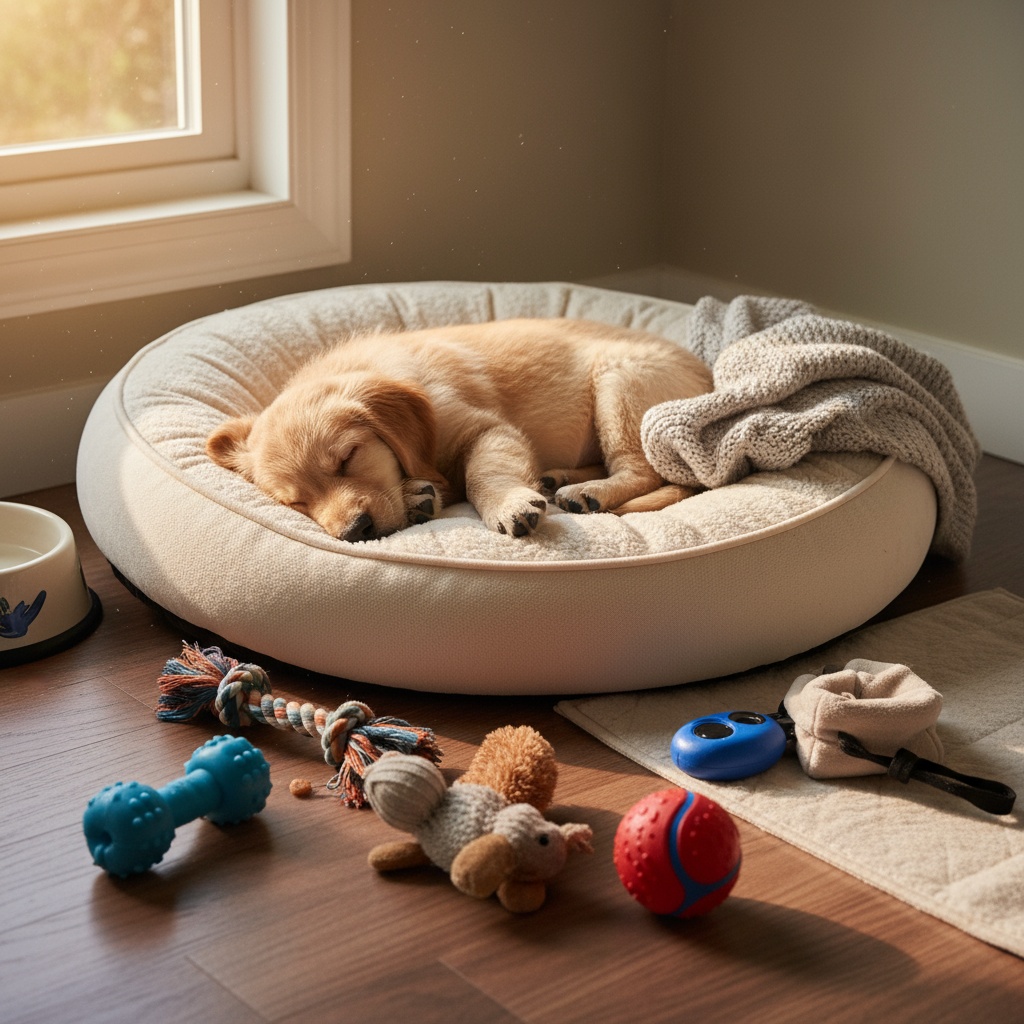
- Puppy Teething Toys: Look for soft, rubber, textured chews. Rotate new options weekly to up the novelty.
- Frozen Kongs: Fill with peanut butter, freeze, and hand over when biting peaks (total sanity-saver!).
- Deterrent Sprays: Bitter apple or similar sprays (for hands and furniture, not for puppy’s mouth) may help with stubborn pups.
- Interactive Puzzles: Keeps busy mouths occupied and brains engaged.
- Reward Treats: Tiny, tasty, soft treats make training easier and keep pups focused on you.
Story Time: You’re Not Alone in the My Puppy Bites Me Battle
Call it dog parent group therapy:
Marcy adopted Milo, an 11-week-old border collie, and for weeks, my puppy bites me was the family’s #1 issue. After consistent “ow!” yelps, lots of redirecting, and crate chill-out sessions when Milo got too wound up, the biting almost stopped by four months. Today, Marcy’s biggest stress? Having to beg Milo for snuggles instead of dodging his teeth! YOU could be next.
FAQ: Everything You Wished You’d Asked About My Puppy Bites Me
- Will my puppy ever stop biting me? – Yes! Almost all puppies outgrow this phase with proper training and patience.
- Should I punish my puppy for biting? – Nope. Focus on calm redirection, not punishment.
- Can too much play make biting worse? – Overstimulated puppies are more likely to nip, so keep sessions short and controlled.
- When do I need help from a professional? – If your puppy’s biting is extreme, causing injuries, or paired with aggression — call a trainer or vet right away.
Final Thoughts: Turning “My Puppy Bites Me” Into “My Puppy Loves Me”
Having a nippy puppy is tough, but stick with these tips and remember — biting’s just a phase. Your consistent, loving responses are what turn my puppy bites me into something you’ll be laughing about for years when your now-grown buddy curls up soft as butter next to you (no bandages needed). Take heart, cut yourself (and your pup) some slack, and gear up for calmer days. You and your puppy got this!