Alright, let’s dive straight in! Dog biting isn’t just a puppy problem—it’s something every dog owner can face, and it’s way more common than you might think. If you’re stressing out, wondering how to train your dog to not bite, take a breath. You’re definitely not alone in this! Whether you’ve got a hyper pup who loves to nip or an adult dog showing some teeth, the journey to gentle jaws is 100% doable. So put your worries on pause—we’re here to turn those chompers from troublemakers into model citizens!
Why do dogs want to bite anyway?
First up: let’s figure out why your dog might be biting. Understanding the root cause is step number one if you’re learning how to train your dog to not bite. Dogs use their mouths almost like we use our hands—it’s how they interact with the world. Sometimes, though, that curiosity slips into nipping or biting. Here are a few reasons:
- Teething: Puppies bite when teething because it helps relieve discomfort.
- Play: Especially in puppies, biting can just be a part of play—they do it with their littermates!
- Fear or Anxiety: A scared dog will often bite to defend itself.
- Possession: If your pup is guarding food or toys, biting might be a warning.
- Pain: Sore dogs may nip when touched.
So, how do you get from nibbling nuisance to chill, well-behaved pooch? Grab some treats, a dash of patience, and let’s talk how to train your dog to not bite for real.
The golden rules of bite prevention
Before grabbing fancy gadgets or calling trainers, remember these golden rules. They’re the foundation of any truly effective training:
- Remain calm and confident. Dogs feed off your vibes. If you’re anxious, they will be too.
- Never punish physical biting with physical force. This can make things worse—trust me on this one.
- Consistency is king. It’s not a “one and done” thing—you gotta work it daily.
- Supervision saves mishaps. Keep a close eye on your dog during the learning process!
Puppy nipping: turning baby sharks into little angels
Puppies are adorable, but those budding teeth are no joke! If you’re wrangling a “land shark,” learning how to train your dog to not bite is crucial right now. Here are top tips:
- “Ouch!” feedback. The second your puppy nips, let out a high-pitched “ouch!”—just like another puppy would. This tells them playtime stops if they get too rough.
- Redirect to toys. Always have chew toys on hand. If your pup bites, offer the toy instead, and praise them for chewing on it.
- Short time-outs. If your pup won’t stop biting, stop the play and walk away for a minute or two. They’ll learn biting ends the fun!
- Reward good behavior. Every time your puppy chooses toys or licks gently instead of nipping, treat ‘em!
Consistency is everything. Practicing these every single day is how to train your dog to not bite effectively in the long run.
Older dogs: biting issues and how to nip them (lol pun intended) in the bud
It’s a myth that you can’t teach an old dog new tricks. If an adult dog is biting, figuring out how to train your dog to not bite just takes a different approach:
- Rule out pain. Schedule a vet visit first—sometimes dogs bite because of physical discomfort.
- Socialization is key. Gently expose your dog to everything: people, noises, other pups. Take it slow and reward calm or neutral reactions.
- Desensitization. With triggers (like hands near their mouth), start at a distance and use yummy treats to make every exposure a positive one.
- Train “Leave it” and “No Bite” commands. Repetition is your BFF here.

Mastering the basics: teach impulse control
If you want to nail how to train your dog to not bite (and honestly, make your whole life easier), teach some impulse control exercises:
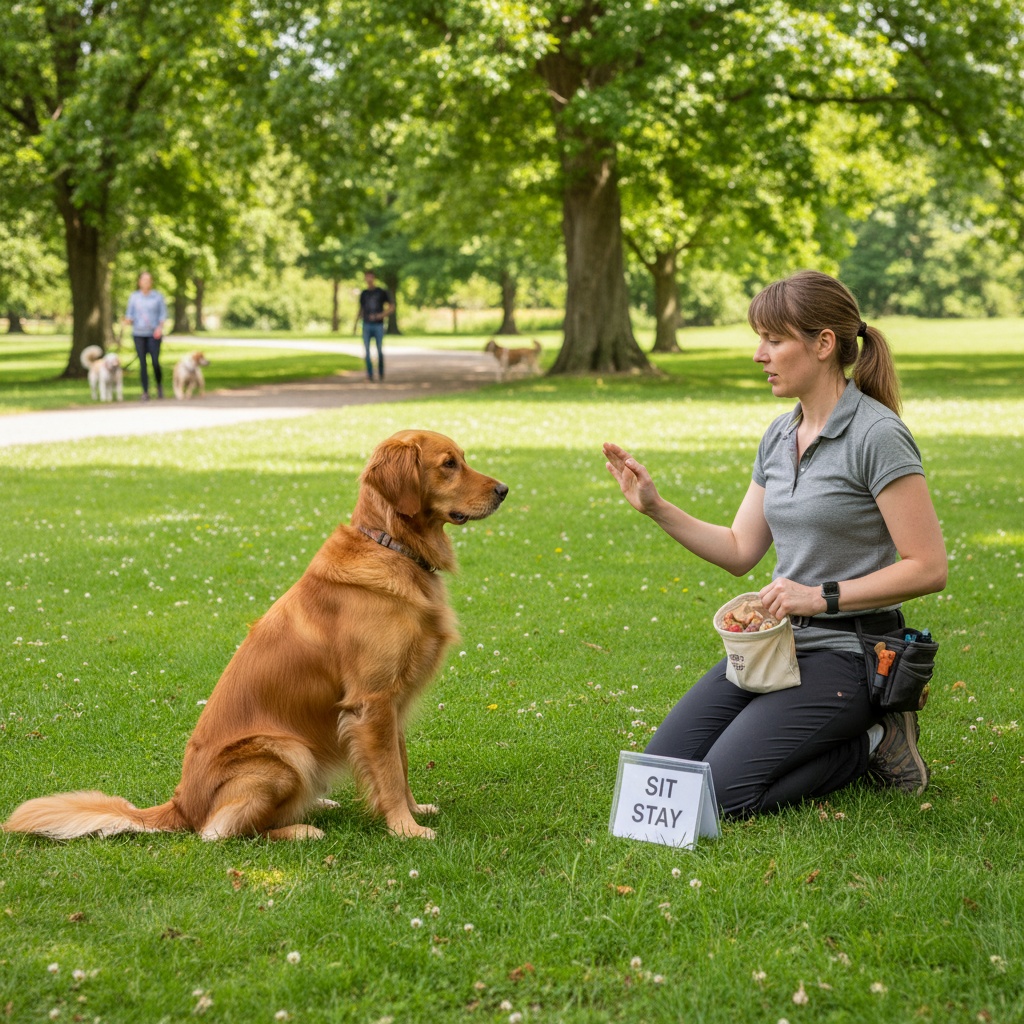
- “Sit” and “Stay”: Use these before giving treats or putting on the leash.
- “Wait” at the door: Make them sit and wait before you open it for walks.
- Food games: Hold a treat in a closed fist. When your dog stops mouthing, open your hand and reward. Rinse and repeat.
These build patience and teach your dog to think before using their mouth.
Using toys and chews to discourage biting
Look, dogs need to chew—it’s how they chill out. When working out how to train your dog to not bite, you wanna give them safe alternatives to your hands or ankles:
- Invest in tough rubber toys, chew sticks, and dental chews
- Rotate out toys to keep things fresh and exciting
- Consider puzzle feeders—they tire out both mind and jaw
If your pup or adult dog has a toy to gnaw, chances are your skin stays ouchie-free!
The social side: exposing your dog to the world
A huge part of how to train your dog to not bite is helping them feel comfy in the world.
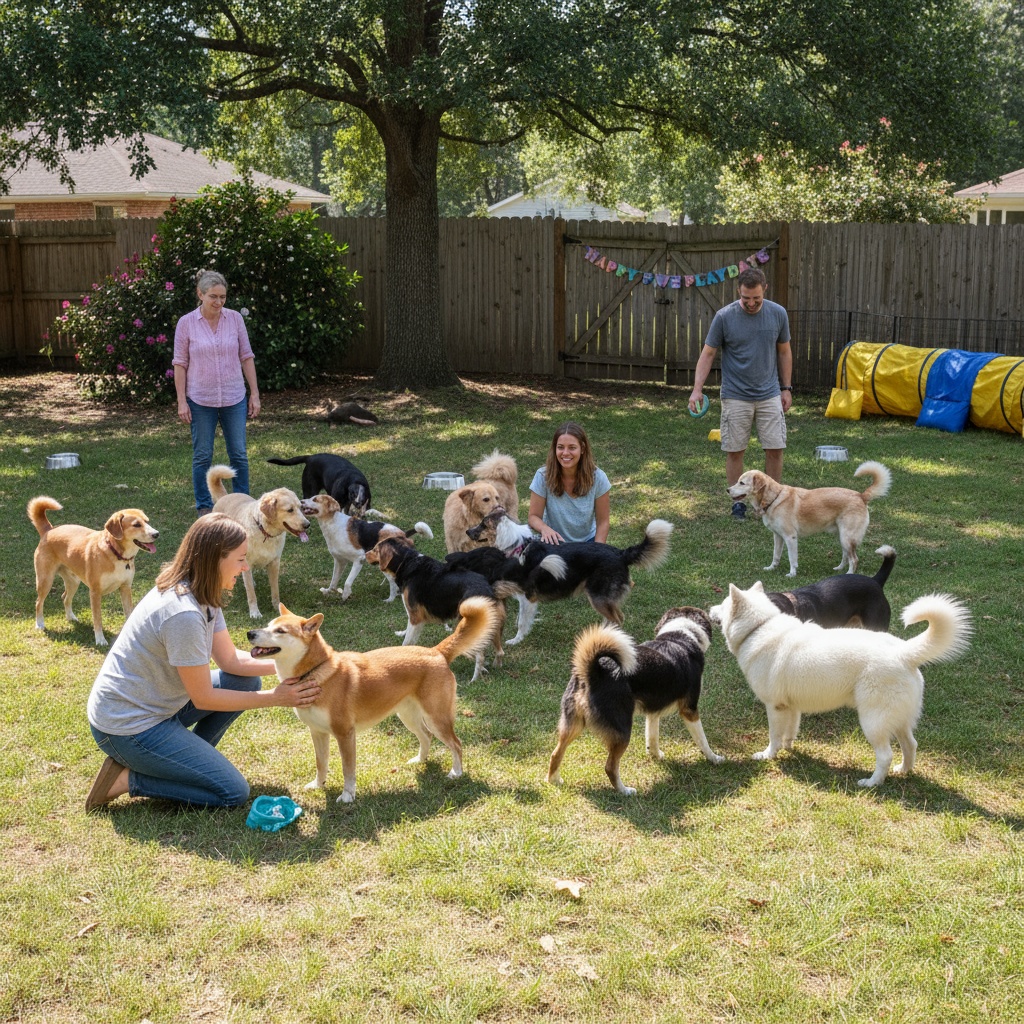
- Arrange “doggy dates” with trusted, gentle pups
- Invite friends over (bonus if they love dogs and can practice calm handling!)
- Take walks in different environments—parks, trails, even pet-friendly stores
Always supervise these interactions and keep them positive. The goal? Help your dog relax around both people and their furry peers. A relaxed dog is way less likely to bite!
The power of positive reinforcement
Please, forget outdated “dominance” training. Positive reinforcement is the only way to go for how to train your dog to not bite. Here’s how to use it like a pro:
- Treats: Keep small, tasty rewards in every room of your house (no joke!). Be ready to reward gentle mouth or calmness on the spot.
- Praise: Use your happy voice! Hype up your dog when they’re making good choices.
- Toys: Sometimes a squeaky toy is the best reward, especially for playful pups.
You gotta correct biting—in the right way
If your dog bites or nips during play, don’t yell or swat (that just turns things into a fight). Instead, do this:
- Say “Ouch!” and stand up
- Turn away or walk out of the room
- Ignore your dog for 30 seconds before calmly returning
This tells your dog that biting = instant end to all things fun. Trust me, dogs catch on waaay quicker than you think!
Red flag warning signs: when you need extra help
If your dog’s biting is:
- Breaking skin regularly, or
- Paired with serious snarling or snapping, or
- Directed at kids/other pets with real aggression…
Get professional support, ASAP. There’s no shame in reaching out to a vet, professional trainer, or behaviorist. Some issues run deeper than DIY fixes, and pros know how to train your dog to not bite safely. You’re not failing your dog—you’re being an awesome, responsible human.
Tricks to make training stick
- Train all family and friends on the same rules—consistency is everything!
- Keep training sessions short (5-10 minutes) but frequent
- Reward your dog immediately for gentle mouth—timing is everything
- Check your energy: keep interactions calm and positive
- Don’t set your dog up to fail (don’t roughhouse with your hands if your dog is still learning what’s okay!)
Common mistakes to steer clear of
- Jerking your hand away fast. This triggers chases, not calmness.
- Rough play with hands. Don’t encourage the very behavior you’re trying to stop!
- Ignoring warning signs. Pay attention if your dog’s body language goes stiff or shows the whites of their eyes.
- Inconsistent rules. If biting is sometimes okay and sometimes not…well, dogs aren’t mind readers!
Building trust: the secret sauce in every bite-free bond
Want your hard work to last? Build trust daily. The more your dog trusts you, the less likely they are to get defensive or scared (which leads to biting). This means:
- Super gentle handling, even if you have to give medicine or clean ears
- Sticking to a daily routine—consistency feels safe
- Listening if your dog seems uncomfortable, and dialing things back
When your dog knows you’re their safe space, they’ll try harder to listen and respect the rules you set—especially when it comes to learning how to train your dog to not bite.
FAQs: Biting worries, busted!
What if my puppy bites everything and everyone?
Totes normal for a young puppy! Just keep up redirection, give loads of chews, and be consistent. Never roughhouse with hands, and give tons of rewards for gentle behavior. Puppyhood doesn’t last forever!
Can you stop a grown dog from biting?
Absolutely! You may need to go slow and use extra positive reinforcement, but adult dogs can totally learn impulse control and gentle mouth with time.
Are dog muzzles helpful?
Muzzles, when introduced properly, can keep everyone safe while you work on training. But never use a muzzle to punish, and always consult a pro if you’re feeling overwhelmed.
Why is my dog suddenly biting?
New pain, fear, or changes at home could be the reason. Always check for medical problems first, then look at environment or stressors.
Your ultimate step-by-step training routine
Let’s pull everything together to give you a go-to plan for how to train your dog to not bite:
- Identify if the biting is playful, fearful, due to pain, or resource guarding.
- Rule out medical issues at the vet.
- Puppy? Use “ouch!” feedback, redirection, and loads of toys.
- For adults, work on impulse control, desensitization, and socialization.
- Use positive reinforcement for all gentle mouth or calmness.
- Set clear boundaries: no hands for play, no roughhousing until your dog masters manners.
- If biting lingers or escalates, call in a trainer or behaviorist. No shame, only progress!
Real-life success stories: Owners who conquered the bite!
Haley from Ohio struggled for months with her husky’s puppy mouthing. She stuck to “ouch!” feedback and only allowed chewing on toys. The results? By six months, her dog was as gentle as a lamb! John’s rescue lab had some scary snapping episodes. A vet check revealed arthritis pain—once treated and using gradual socialization, John’s lab became super chill and trusting with new folks. The biggest lesson? Every dog is unique, but how to train your dog to not bite works if you stick with it, adjust to your pet’s needs, and shower them with patience.
Wrapping it up: Your bite-free future
Learning how to train your dog to not bite isn’t just about keeping your hands safe—it’s about building a rock-solid relationship. When you combine patience, positive reinforcement, redirection, safe toys, impulse control, and a sprinkle of pro help when needed, you’re giving your dog the very best shot at a chill, happy life. Plus, you get to brag about your good dog to everyone in the park. High five (well, paw) to you for taking this step!
Ready to say goodbye to those puppy shark teeth and hello to a gentle, loving companion? Boom—you’re set up for success. You got this. And your pup will thank you with slobbery, bite-free kisses for years to come!