Nothing quite tests your patience (or your shoe’s durability) like a nippy little puppy. We’ve all been there: that moment of panic when your adorable furball transforms into a land shark and clamps down on your fingers, toes, or—arguably worst—your prized sneakers. But don’t freak out just yet. Learning how to keep your puppy from biting is totally doable, and it’s a rite of passage for every dog parent. In this guide, I’m spilling all the beans—no boring textbook stuff, just real talk on managing those razor sharp teeth.

Why Puppies Bite: Is It Normal?
Alright, first things first. If you’re wondering why puppies go all chomp-crazy, you’re not alone. Biting is totally normal puppy behavior. It’s kind of like baby humans sticking everything in their mouths, except puppies have way sharper teeth and a WHOLE lot more energy. It’s their way of exploring the world, playing, and also soothing their teething gums. But just because it’s normal, doesn’t mean you gotta just let it slide!
The 411 on Puppy Mouthing Behavior
Puppy biting usually peaks between 8-16 weeks. During this phase, they’re figuring out bite strength and social limits—what dog pros call “bite inhibition.” Other pups and mama dogs usually teach them those limits, but when they’re at home with you, that’s now your job. Let’s look at what’s happening:
- Teething Pain: Those new teeth hurt coming in. Chewing and biting relieves the discomfort.
- Exploration: They use their mouths to discover objects, textures, and even people.
- Testing Boundaries: Puppies learn what’s cool to bite (toys) and what’s not (your hands or face!).
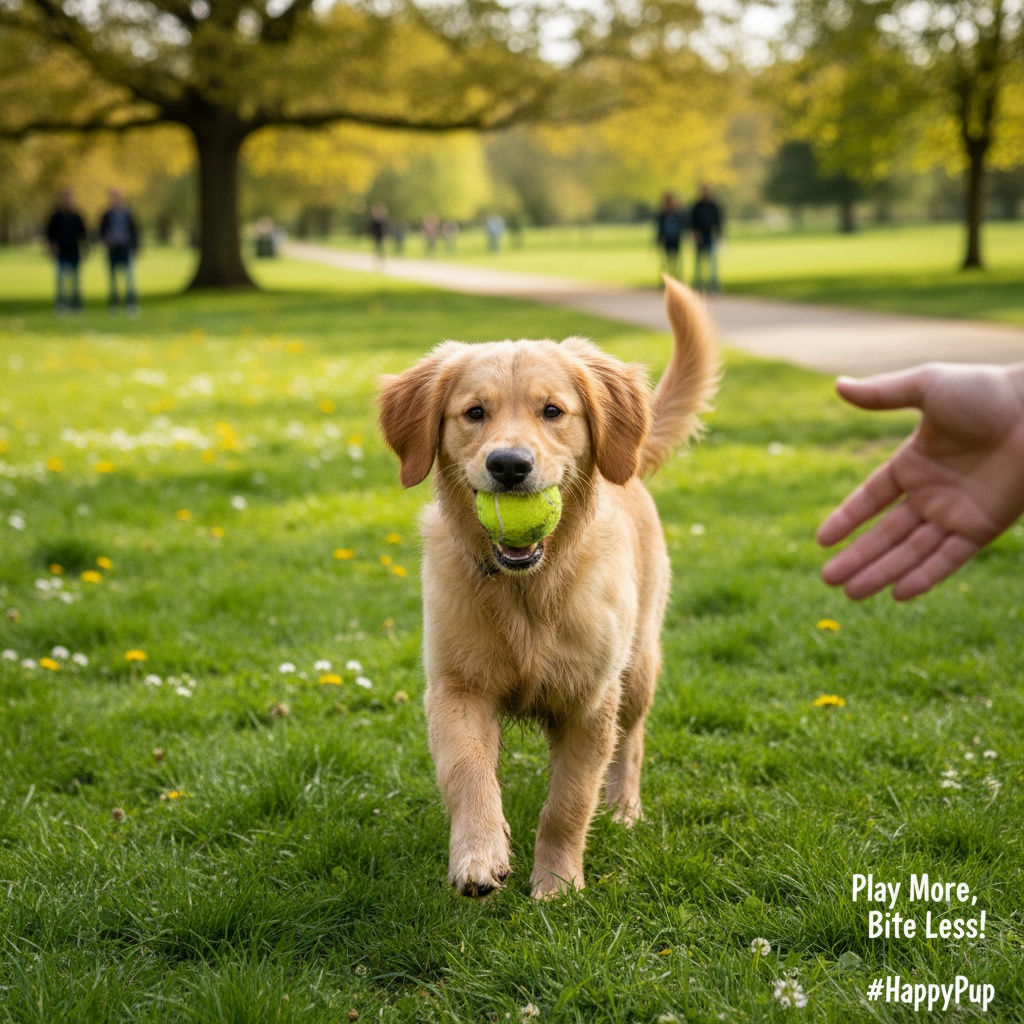
Puppy Biting Mayhem: What NOT To Do
So, before we dish out the fixes, let’s get clear on what you shouldn’t do when tackling how to keep your puppy from biting issues.
- Don’t yell or hit: Negative responses just scare your pup. They won’t connect your anger with biting, and it might make them anxious—or worse, aggressive.
- No roughhousing: Rough play with your hands teaches your dog that human skin is a toy. Keep hands off for play, use toys instead!
- Don’t pull away fast: This makes little hunters want to chase and bite even more. #Oops
How to Keep Your Puppy from Biting: Easy, Effective Steps
Let’s get to the juicy stuff. You want quick wins and a happy, non-murder-puppy, right? Here’s the lowdown on how to keep your puppy from biting step by step:
1. Use Toys as Shields (and Distractions!)
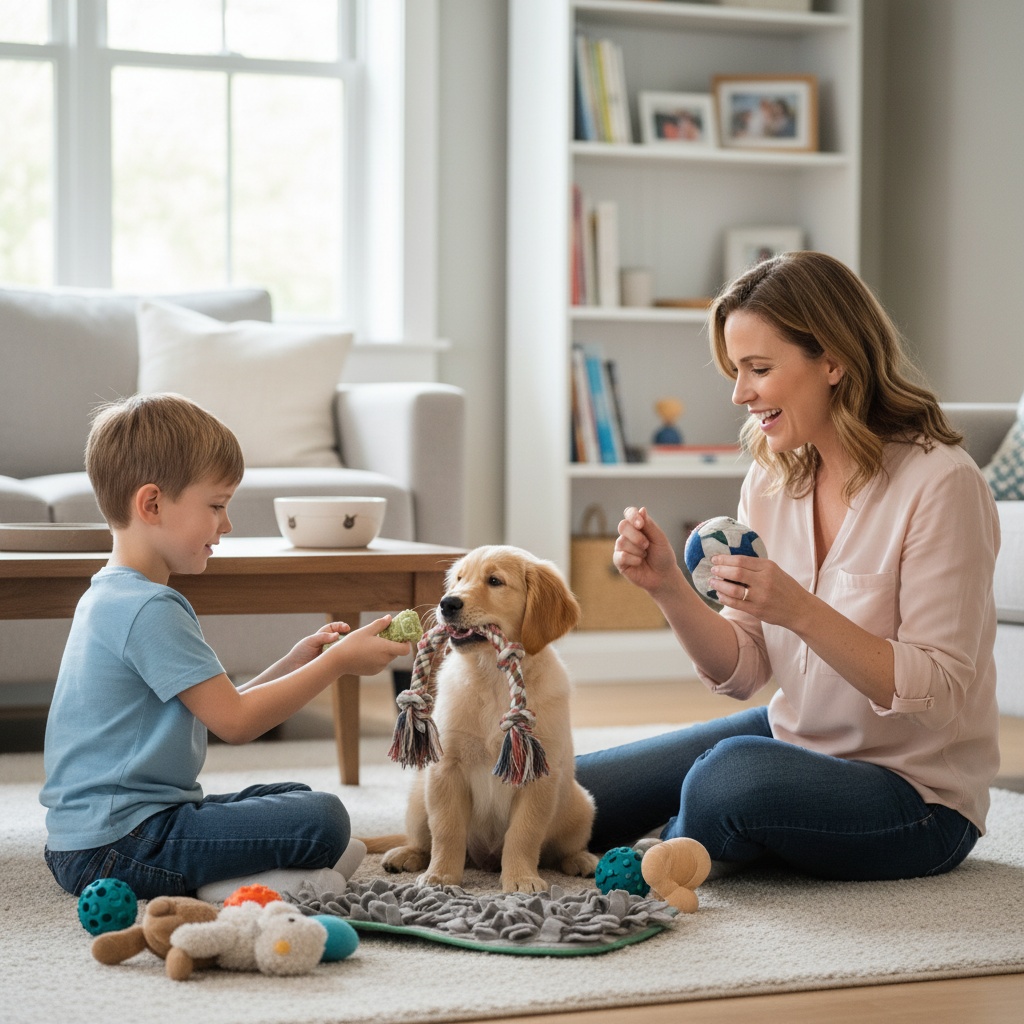
Always have a variety of puppy-friendly chew toys on hand. If your pup starts gnawing on your fingers, swap them out for a rubber or plush toy. It’s a smart swap and teaches what’s OK to bite.
- Rotate toys weekly to keep ‘em interesting.
- Squeaky toys and rope toys are top hits for redirecting bitey energy.
2. Master The Yelping Technique
This may sound a bit goofy, but it works! When your puppy chomps down, let out a loud, sharp “OW!” just like another puppy would. Make it high-pitched and a little dramatic.
- Puppies learn from their siblings that biting equals fun ending.
- After yelping, pause play for a few seconds—this teaches consequences.
3. The Time-Out Trick
Puppy getting too rowdy? Simply walk away or place them in a safe, quiet puppy space. Just 30-60 seconds does the trick.
- Consistency is key. If biting = time-out every time, they’ll chill faster.
4. Offer Plenty of Exercise
Under-exercised puppies get extra nippy! Mental and physical workouts help, big-time. Mix up short training sessions, short walks (age-appropriate), scent games, and fetch to burn energy—and reduce biting spikes.
5. Reward Calm, Gentle Play
Positive reinforcement works wonders. Any time your puppy plays nice—calmly chewing a toy or gently licking—offer a treat and praise, “Good gentle!” This reinforces what you want to see.
The Secret Ingredient: Consistency
Look, puppies won’t get what you want overnight. You gotta be chill but consistent. The magic formula with how to keep your puppy from biting is not expecting perfection after one day. Every single person in your house needs to use the same approach. Otherwise, pup’s gonna get mixed signals and…the biting sticks around.
When to Worry About Puppy Biting
Some nipping is normal, but if your puppy:
- Bites with a full, hard clamp instead of a quick nip
- Growls, snaps, or shows real aggression—not just playful mouthing
- Biting gets worse as they get older, not better
- Isn’t responding AT ALL to training techniques
You gotta consult a pro—either a vet (to rule out pain or issues) or a certified dog behaviorist. Sometimes, the problem goes deeper, and you want to nip that in the bud (pun totally intended!).
Help! My Puppy Only Bites One Person (Like Me!)
Don’t take it personally. Puppies often test limits with the one they’re closest to (usually YOU, the feeder/walker/cuddle-giver). If they’re biting just one person more, make sure everyone’s sticking to the same plan—no mixed messages! Practice gentle redirection every. single. time.
Managing Puppy Biting Around Kids
Little kiddos are often targets because they squeal, wave hands, and run—basically acting like giant, squeaky dog toys. When teaching how to keep your puppy from biting to kids, show them:
- Not to run or wave hands during play
- How to offer toys, not fingers
- Red light: If puppy nips, everyone freezes till they chill out
What About Puppy Classes?
Highly recommend! Puppy classes are clutch for socialization and teaching self-control. Your pup learns bite inhibition from other puppies and gets worn out (win-win). Plus, a good trainer can spot issues before they become bad habits.
DIY Activities for Nippy Puppies
- Frozen peanut butter Kong: Gives them ages of chewing satisfaction
- Interactive treat puzzles: Engages their brain so they’re too tired to bite
- Tug-of-war: Teach boundaries—if teeth touch skin, game over
- Hide and seek with toys: Keeps ‘em busy (and their mouths off your skin!)
Frequently Asked Questions On How to Keep Your Puppy from Biting
- How long does biting last?
Most puppies outgrow it by 6-8 months if you keep up training—promise! - Does neutering/fixing help?
Not really for biting; that’s more about hormones. Focus on training! - Can teething toys really help?
Heck yeah. Chilled/frozen toys are clutch for teething pain. Try West Paw Toppl or any safe puppy toy you can freeze.
Common Mistakes When Working on How to Keep Your Puppy from Biting
- Switching up your correction method every few days
- Letting biting slide one day, then getting mad the next
- Forgetting to praise gentle play—don’t just focus on what NOT to do!
- Over-tiring your puppy—grumpy puppies bite more, not less
When Does Puppy Biting Turn Into Aggression?
Most of the time? Not at all. Puppy nipping is normal. True aggression has warning signs—raised hackles, growling, snapping, guardy behavior—that you usually don’t see with typical teething nipping. But if you see these, talk to a pro ASAP.
Celebrating Progress: How to See Success
Remember, learning how to keep your puppy from biting means patience and baby steps. You might feel like nothing’s working for a week, then—bam!—suddenly you notice more kissing than nipping. Celebrate those gentle moments with party-level praise. You did this, pet parent!
Recap: Fast Tips on How to Keep Your Puppy from Biting
- Always redirect biting to toys
- Yelp, pause play, or time-out when bitten
- Reward calm, gentle play
- Be patient, stay consistent
- Get help if biting is hard, rough, or feels aggressive
The journey on how to keep your puppy from biting isn’t always a straight line, but trust me—the payoff is soooo worth it. There’s truly nothing better than proud, gentle, well-mannered pup (with your fingers and toes safe and sound). Keep on keeping on, and soon you’ll both be pros at the non-biting, stress-free pup life. High five (no teeth) for that!