Hey there, puppy parents! If you’ve just welcomed a little furball into your home, you might feel like you’re living in a shark tank. Tiny needle teeth gnawing on fingers, toes, chair legs, basically anything that stays still long enough – we get it, it’s wild out here. The good news? You’re not alone. And learning how to train a puppy to not bite doesn’t have to be a nightmare. In fact, with the right tricks and a sprinkle of patience, you’ll have your pup gently licking your hands in no time, leaving the biting days in the rearview mirror.
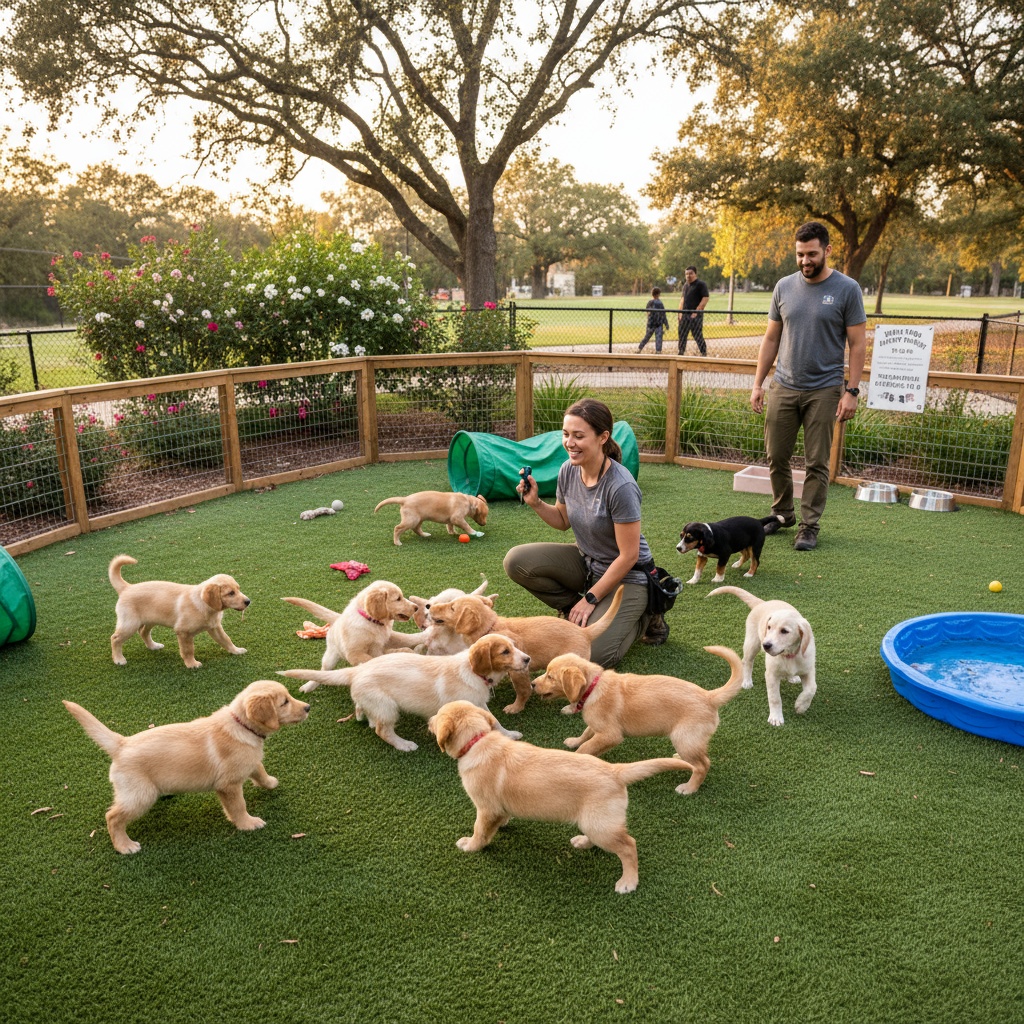
Why Do Puppies Bite Anyway?
Puppies aren’t little monsters – biting is totally normal (even if it’s totally annoying). They’re exploring their world, teething, or maybe just playing. Sometimes they get hyped up and forget their manners, but that’s where you come in. Knowing why your puppy bites helps you understand where that wild energy is coming from and how to redirect it. Let’s get into the juicy details of how to train a puppy to not bite so you both can chill.
Common Reasons Puppies Bite
- Exploration: Puppies experience stuff with their mouths, kinda like human babies.
- Teething: Those little teeth hurt, and they need something to chew on.
- Playfulness: Biting is a big part of puppy play!
- Attention Seeking: If biting gets a reaction, they’re likely to keep doing it.
When Biting Is More Than Just Playful
Most puppy biting is harmless, but sometimes, it can be a sign of stress or fear. Learning how to train a puppy to not bite is also about understanding your pup’s body language. Watch out for growling, snarling, or snapping – these behaviors mean your pup might be overwhelmed and need a gentle approach.
The Best Age to Start Training
If you’re reading this with a six-week-old puppy clawing at your pants, you’re right on schedule. The earlier you start working out how to train a puppy to not bite, the better. Puppies are like sponges – the more positive habits you introduce early, the easier it’ll be to break bad ones later. But don’t panic if your six-month-old is still chomping. It’s totally possible to make progress at any age!
Setting Expectations: What Success Looks Like
Let’s be real: how to train a puppy to not bite isn’t a one-and-done kinda thing. There’s no magic button. But with enough consistency and love, you’ll see those puppy teeth easing up in days or weeks. Your goal isn’t to have a robot dog who never opens their mouth, but a pup who knows when to keep those teeth to themselves. Consistency is key!
Step-By-Step: How to Train a Puppy To Not Bite
1. Recognize and Redirect the Biting
Every time those puppy teeth aim for your skin, calmly say “Ouch!” in a firm (not scary) voice. This mimics what littermates do and usually makes the pup pause. Right away, grab a puppy-friendly chew toy and offer it instead. The golden rule of how to train a puppy to not bite: Don’t scold, just redirect.
- Be consistent: Every single bite gets the same response.
- Use a different, high-pitched tone for “Ouch!” (but don’t yell).
2. Offer Awesome Chew Toys
A huge part of mastering how to train a puppy to not bite is giving them legit alternatives. Dogs love texture! Rotate a few different kinds of chew toys, like:
- Rubber toys (Kongs are classics)
- Soft plush toys (great for teething pups)
- Rope toys (for tugging and gnawing)
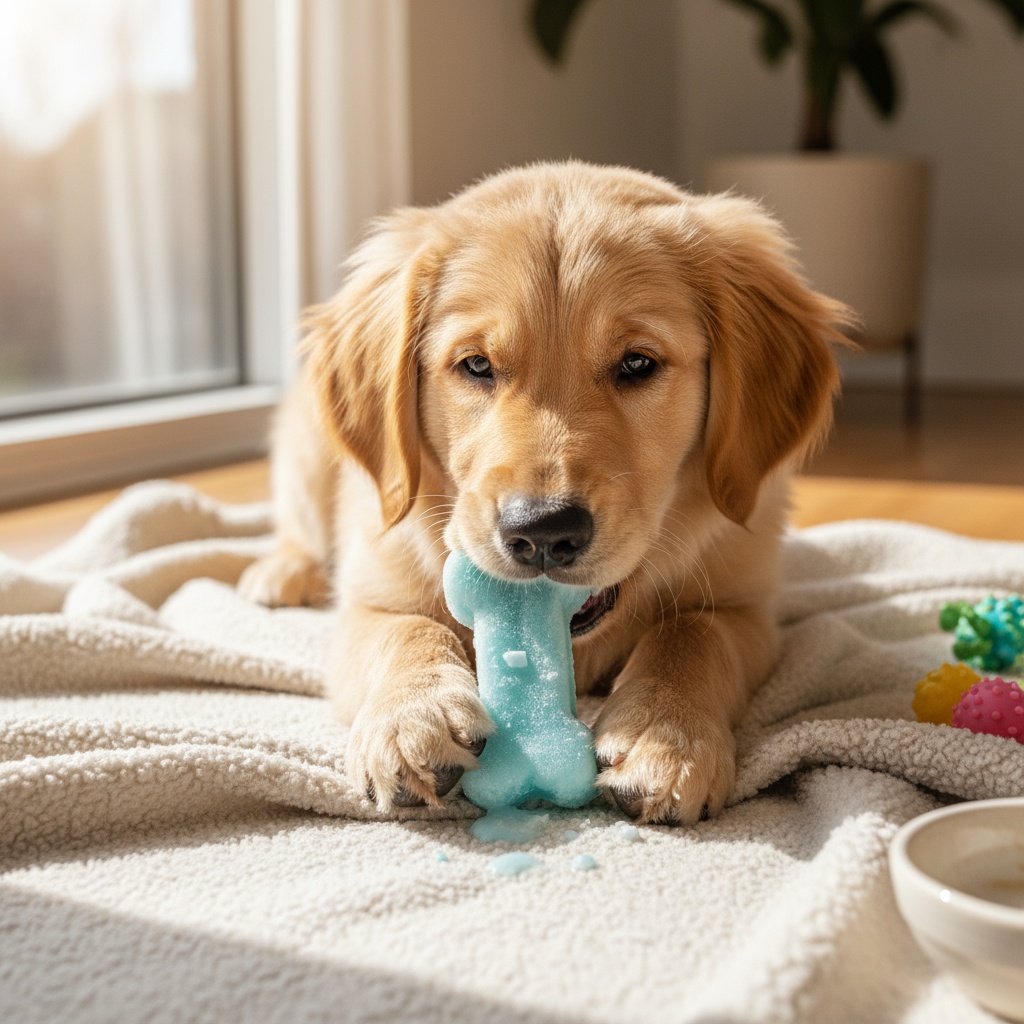
- Frozen treats (great for swollen gums)
3. Practice Puppy Socialization
Puppies learn loads from playing with other pups. Puppy classes are gold for figuring out how to train a puppy to not bite. If one pup bites too hard, others will yelp and stop playing for a sec. Your dog learns boundaries fast, and you don’t even have to lift a finger!
- Puppy classes are awesome for safe socialization
- Well-socialized adult dogs can teach puppies manners, too
4. Use Positive Reinforcement
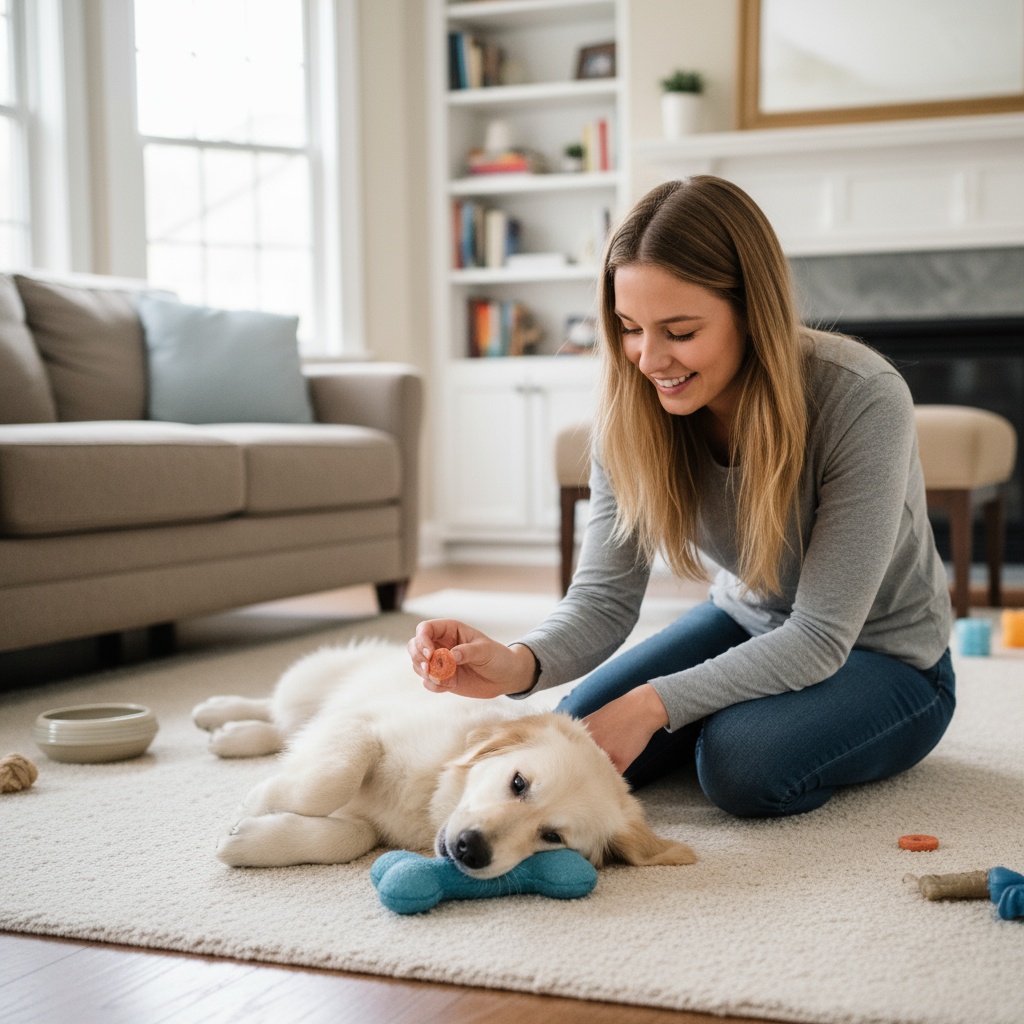
Dogs love treats, praise, and affection. When your puppy stops biting or gently takes a toy instead of chomping down, go wild! Give a treat, offer belly rubs, or heap on that baby talk. When you reward the good stuff, your puppy is like, “Aha! This is what my human wants.”
- Keep treats handy for quick rewards
- Make praise exciting: silly voices, claps, or happy dances
5. Avoid Rough Play
This tip is huge. If you want to master how to train a puppy to not bite, stop playing rough games with your hands. No tug-of-war with bare fingers, no letting them chase and chomp at socks. Every time a hand or foot becomes a toy, you’re teaching