Let’s get real for a second—if you’ve brought home a puppy, you know exactly what chew chaos looks like. Those tiny jaws can leave a trail that’s… well, let’s just say not so cute. The urge to stop puppy chewing might come from the shredded couch, your favorite sneakers, or even the woodwork. But here’s the thing, fam: chewing is totally normal for pups. The trick is steering that need to chew into harmless, even helpful, habits. In this huge, straight-talking guide, we’re going to break down everything you need to know about how to stop puppy chewing for good—without losing your cool or your stuff. Let’s dive right into the puppy confusion and find some peace, shall we?
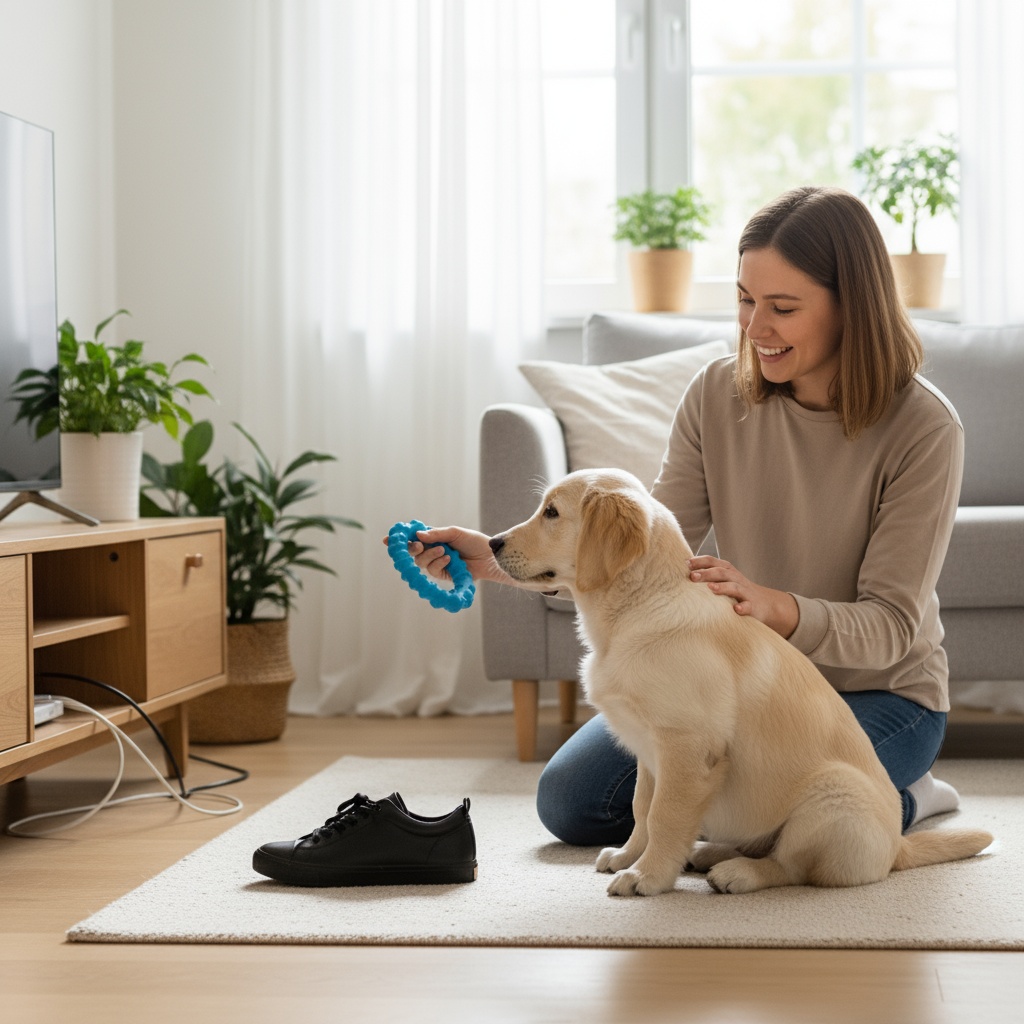
Why Puppies Do What They Do: The Chewing Instinct
Before you try to stop puppy chewing, ya gotta know why it’s even a thing in the first place. Chewing isn’t your puppy plotting against you. Nope, it’s natural instinct. Some big reasons include:
- Teething pain relief: Those baby teeth are coming in and going out—and that hurts. Gnawing helps pups soothe their tender gums.
- Exploration: Puppies use their mouth like babies use their hands. Texture, taste, and even temperature are all fair game.
- Boredom: Puppies have bundles of energy to burn. If they aren’t mentally or physically engaged, chewing fills the gap.
- Attention seeking: Believe it or not, your reaction might be rewarding! Puppies might chew stuff just to get a rise outta you.
The Cost of Ignoring Chewing Behavior
If you ignore the need to stop puppy chewing early, it doesn’t just mean more ruined shoes—it can also create a tough habit to break. Plus, some things they chew (like electrical cords or toxic plants) are downright dangerous. So, it’s not just your stuff at risk; your puppy’s safety is on the line, too. Let’s get proactive so you and your little beast can both catch a break.
Early Steps: Puppy-Proof Like a Boss
Let’s face it, prevention is clutch. The first step to stop puppy chewing is to set your home up for success. Check these practical tips:
- Pick up temptations: Shoes, laundry, remote controls—stash these out of reach. The less temptation, the better.
- Block off forbidden zones: Use baby gates or exercise pens to limit puppy’s access to trouble areas.
- Hide wires and cords: Use covers or tack them up where puppy can’t get to them. Electrical cords are a nightmare waiting to happen.
- Stash cleaning supplies: Keep all toxic stuff behind closed doors or up high.
- Keep trash hidden: Puppies looove smelly stuff. Use dog-proof lids on trash cans or keep them behind a cabinet door.
The Right Chew Toys: Your Secret Weapon
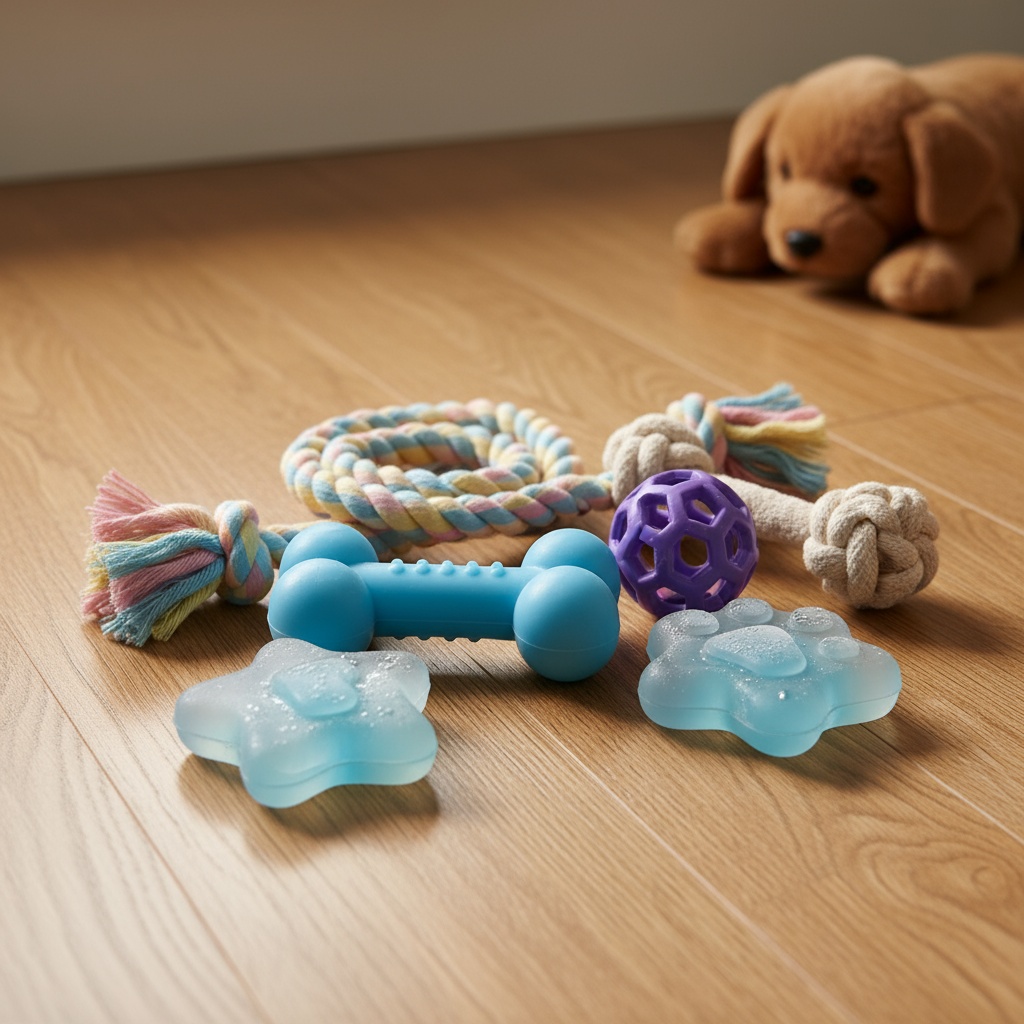
Let’s keep it real: you can’t stop puppy chewing entirely, but you can put it on YOUR terms. Proper chew toys are your best friend (next to the puppy, duh). Here’s how to pick the winners:
- Age-appropriate: Puppy teething toys are softer and gentler on baby teeth. Don’t use hard chews for tiny pups.
- Variety: Mix up textures, shapes, and materials. Rope, rubber, plush—every pup’s got their fave.
- Check the size: Avoid anything small enough to swallow or choke on. When in doubt, size up.
- Safety first: Go for toys from trusted brands. Skip anything that can splinter or break apart easily, and consider investing in quality dog training equipment.
- Use teething rings: Chilling some puppy teething rings can add soothing, cooling relief.
Redirect, Don’t Punish: Shaping Good Chewing Habits
If your puppy starts chewing on the wrong thing, don’t freak out. A calm “no” and redirection works way better than yelling—this is one of the core dog training techniques that emphasize positive methods. Here’s your action plan to stop puppy chewing the right way:
- Take away whatever they’re chewing (nicely, now).
- Replace it with an approved chew toy.
- As soon as they chomp on the right thing, go wild with praise! Make a big deal out of it, seriously.
- If your puppy ignores the toy, try making it more interesting—wiggle it, stuff it with treats, or even try a little puppy-safe peanut butter.
Consistency is King: How to Keep Everyone on Board
If you wanna make stop puppy chewing stick, everyone who spends time with your dog needs to be on the same page. Create family rules and make sure everyone:
- Knows which objects are off-limits (no more old shoes as toys!)
- Follows the same redirect-and-reward routine
- Supports puppy-proof zones and boundaries
Beating Boredom: Mental & Physical Exercise Fixes Chewing
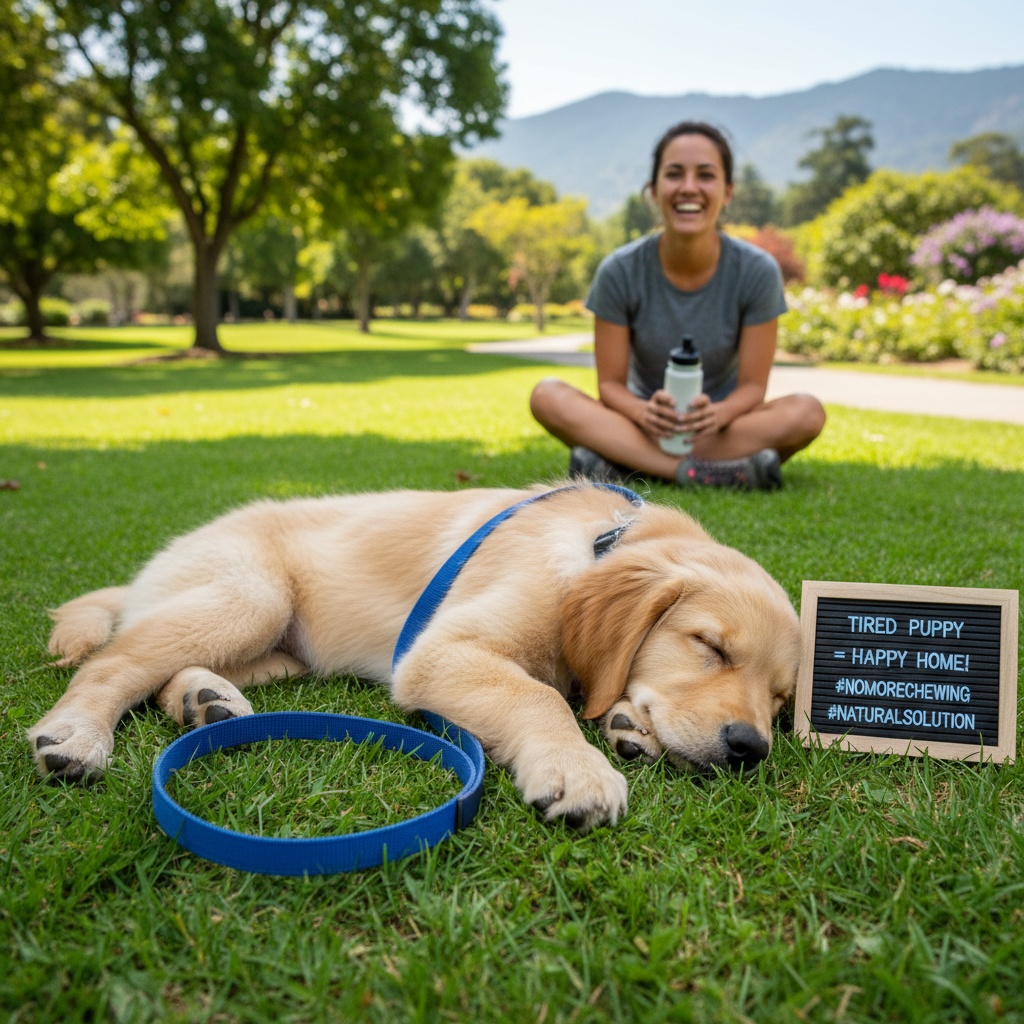
A tired puppy is a happy (and less chewy) puppy. Here are top ideas for beating boredom, which goes a loooong way to stop puppy chewing:
- Daily walks: Short bursts of exercise burn energy and satisfy curiosity.
- Training games: Teach basic commands, trick training, or even try puppy agility for fun!
- Puzzle toys: Busy toys stuffed with treats keep brains busy and jaws moving on acceptable stuff.
- Playdates: Social pups get worn out physically and mentally after play with other friendly dogs.
- Rotate toys: Swap out chew toys regularly to keep them fresh and exciting.
Handling Separation Anxiety That Drives Chewing
Sometimes, puppies chew because they’re anxious, especially when you’re not home. To stop puppy chewing tied to separation anxiety, try these steps:
- Start with short absences and gradually increase your time away.
- Leave a piece of clothing with your scent in the puppy’s crate or safe zone.
- Keep arrivals and departures low-key.
- Use a crate or playpen if your puppy feels safe there—never as punishment though.
- Offer a special toy or treat ONLY when you leave, so leaving feels positive.
Puppy Teething Timeline: When Does It Get Better?
Wondering when you might stop puppy chewing for good? Teething goes through stages:
- 3-6 weeks: Baby teeth start coming in.
- 12-16 weeks: Baby teeth are replaced by adult teeth (most chewing problems peak now — hold on tight!).
- 6 months+: Chewing usually drops off as all adult teeth are in, but habits can linger.
Reality check: Some breeds and high-energy pups may keep chewing into adulthood if not redirected early.
What to Do When Chewing Gets Out of Control
Sometimes, standard advice to stop puppy chewing just isn’t enough. If your dog’s destructive, acting obsessive, or is hurting himself, it’s time to call in the pros:
- Vet visit: Rule out dental pain or health issues if chewing is excessive or sudden.
- Professional trainer: Certified trainers can make a custom chew-be-gone plan and help with stubborn cases.
- Behaviorist: For deep anxiety or obsessive chewing, animal behaviorists are clutch.
DIY Chew Deterrents: Do They Work?
If your puppy keeps going for furniture legs, try safe at-home deterrents to stop puppy chewing! Tactics include:
- Commercial sprays (check pet stores for bitter apple or citrus deterrents)
- Homemade sprays (always double-check safety with your vet)
- Covering table legs with double-sided tape for a temporary fix
But remember: deterrents work best along with good habits, not as your only plan.
Rewards and Positive Reinforcement: The Golden Rule
Hands down, the fastest way to stop puppy chewing is to show your pup what’s good and celebrate it! Every single time your puppy chews something appropriate, give tons of praise or a treat. This positive cycle is key to changing behavior forever.
Do’s and Don’ts for Chewing Correction
- DO: Monitor your puppy, redirect often, reward generously
- DO NOT: Yell, hit, or punish your puppy—this just creates fear and confusion
- DO: Keep valuables out of reach and stick to your training plan
- DO NOT: Use old shoes or socks as toys—it confuses pups about what’s off-limits
Must-Know Myths About How to Stop Puppy Chewing
Let’s bust a few myths about how to stop puppy chewing that are still kickin’ around dog parks:
- Myth 1: Chewing is always caused by bad behavior. Truth: It’s a normal, natural stage for puppies (seriously, it’s biology).
- Myth 2: You can stop chewing by punishing your puppy. Truth: Punishment doesn’t teach what’s right—just what to fear.
- Myth 3: Only some breeds chew. Truth: All puppies chew! Some just have more energy and need extra help.
- Myth 4: There’s a magic product to solve it instantly. Truth: No single product beats good training and consistency.
Real-Life Success Stories: Patience Wins the Chew Battle
If you’re starting to feel like you’ll never stop puppy chewing, here’s some hope—every pup can learn. Tons of dog owners have faced the chewstorm and survived. Angie from Austin used puzzle feeders to tire out her Aussie, and goodbye table legs. Mark swapped his Lab’s chew focus with frozen carrots and a rotating toy stash. Both saw massive improvement within a month by sticking to their guns and celebrating small wins. You got this too!
FAQs: All About How to Stop Puppy Chewing
- How long will this last? Most chewing drops off after six months, but habits need redirecting now to avoid lasting damage.
- Is it okay to leave my puppy alone? As long as your home is puppy-proofed and your pup is safe in a crate or playpen, yes—just keep absences short to start.
- What’s the biggest mistake to avoid? Giving old shoes as toys! (You’ll regret it when your new kicks get shredded.)
- How much exercise does my pup need? Young puppies need several short play or walk sessions daily. Tired dogs chew less.
Wrapping It All Up: Patience, Positivity, and the Right Plan
In the end, to stop puppy chewing you gotta combine prevention, redirection, praise, and a solid stash of chew toys. You’re not just teaching your pup where to put those teeth—you’re shaping a confident, happy dog who knows the rules. It won’t happen overnight, but stick with these tips, keep your humor handy, and soon enough, your shoes (and your sanity) will be safe again. Happy training, and may your chew chaos turn to calm in no time!