Let’s be real—there’s nothing more embarrassing than your pup nipping at your guests, or worse, giving someone an actual little chomp. If you’ve been frantically searching “how to train your dog not to bite,” you’re definitely not alone. It’s a super common problem, and believe it or not, even the sweetest puppies can have a mischievous streak. But guess what? With the right approach and a dash of patience, you can totally teach your furry sidekick to ditch the biting habit. Trust me, you don’t have to be a pro dog trainer to make it happen!
Why Dogs Bite: Getting to the Root of the Problem
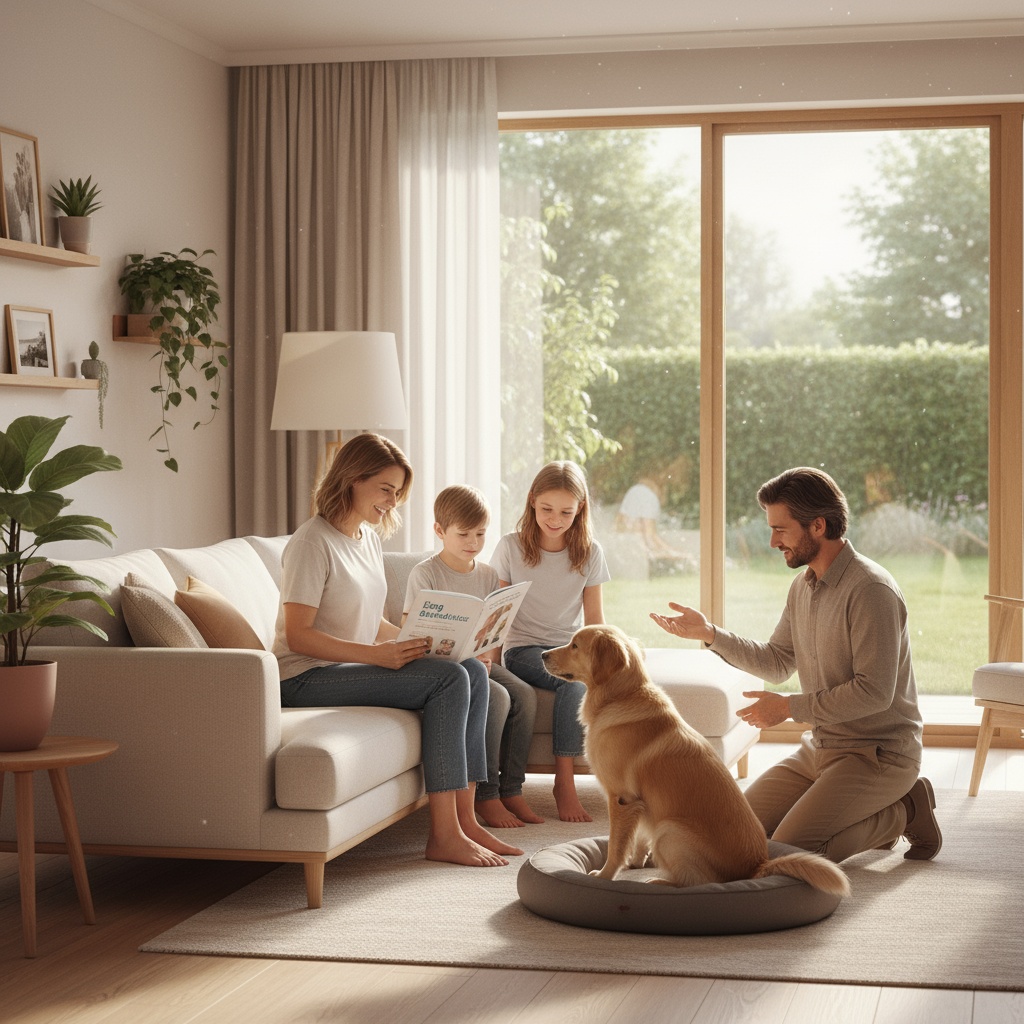
Before we go deep into the nitty-gritty of how to train your dog not to bite, it makes sense to understand exactly why dogs bite in the first place. If your dog’s been a bit of a menace, don’t freak out! Biting is natural behavior for dogs, especially puppies. Here are the main reasons doggos bite:
- Teething: Puppies, just like human babies, go through a teething stage and find relief by chewing and biting.
- Play behavior: Dogs naturally use their mouth to explore the world and play with their siblings.
- Fear or anxiety: When scared or anxious, a dog may bite as a form of defense.
- Pain or discomfort: If your buddy’s in pain, biting could be their way of telling you.
- Protective instincts: Sometimes, dogs bite to protect their food, toys, or their territory (aka your lap!).
Understanding what triggers your dog’s biting is crucial. The method you’ll use for how to train your dog not to bite depends on what’s going on in your dog’s noggin.
Is Dog Biting Just a Puppy Thing?
People love blaming biting on teething puppies, but the truth is older dogs can bite too! Whether it’s a little nip during play or something more serious, it’s never something to ignore. Don’t wait till it’s out of hand—start learning how to train your dog not to bite right away, no matter your dog’s age.
Red Flag: When Biting Turns Serious
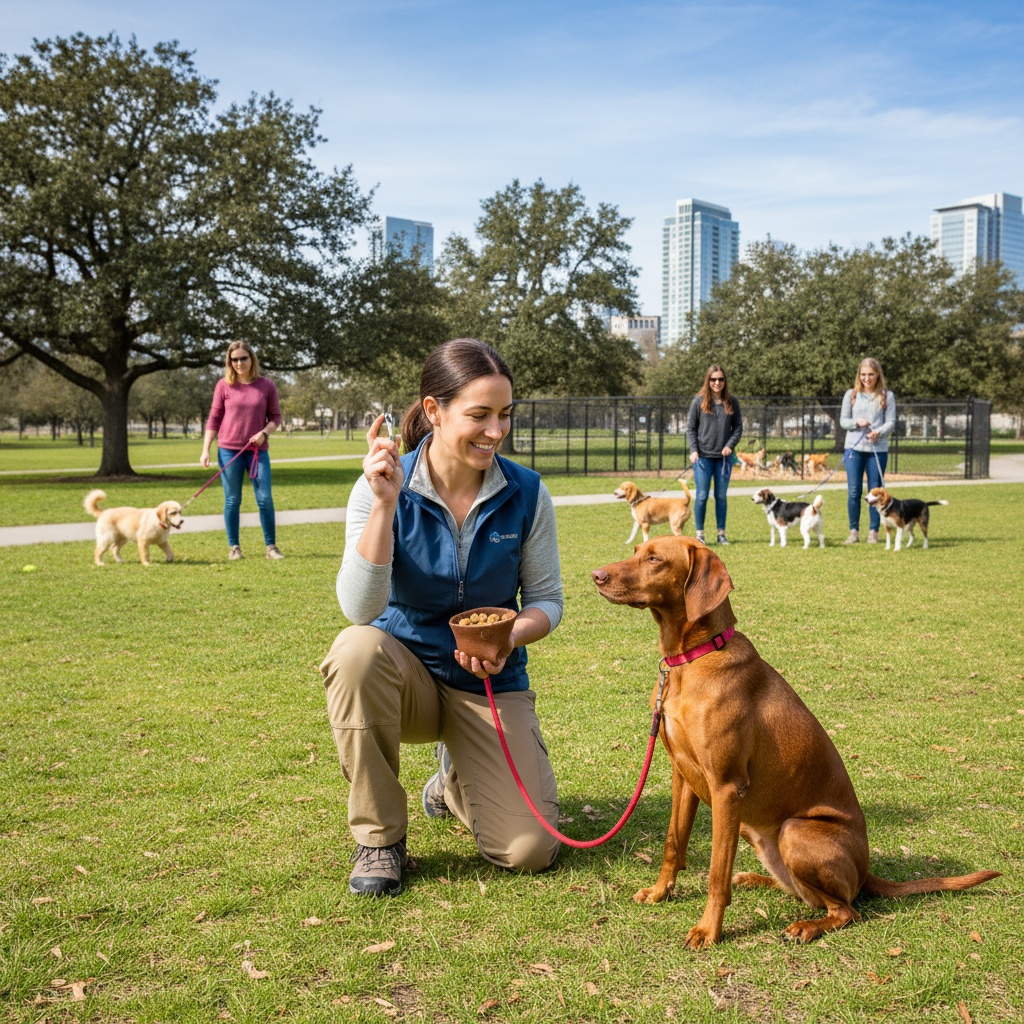
Biting doesn’t mean your dog is bad, but if you notice any of the following, it’s time to kick things up a notch:
- Biting is frequent or escalating
- Your dog growls, snarls, or shows teeth
- Someone gets hurt or feels threatened
- Biting happens out of the blue
- The behavior isn’t improving
These are warning signs that you shouldn’t ignore. If you’re in over your head, don’t be shy to call in a certified trainer or animal behaviorist. You got this—but sometimes pros gotta step in!
How to Train Your Dog Not to Bite: Setting Up for Success
When it comes to how to train your dog not to bite, consistency is your best friend. Here are a few essentials to get sorted before you dive into training:
- Identify triggers: Watch when and why your dog starts biting.
- Health check: If the biting starts suddenly, get a vet to rule out pain.
- Family meeting: Everyone needs to be on board with the training methods.
- Supplies: Grab chew toys, treats, and maybe even a clicker.
Ready? Let’s roll up those sleeves and dig into the real training magic of how to train your dog not to bite!
Teaching Bite Inhibition: The First Step to Success
Bite inhibition is a fancy way of saying your dog learns how to control the force of their bite. Puppies usually pick this up from their littermates — if one bites too hard, the other yelps, and the game stops. You can use this to your advantage:
- When your dog bites (even gently) during play, let out a loud “Ouch!” and stop the play immediately.
- Ignore your dog for 20-30 seconds so they learn biting = no fun.
- Resume play calmly. If biting happens again, repeat the process.
This process is simple but super effective when you stick with it. Soon your dog will realize that biting is a one-way ticket to boring-ville!
Redirect That Chomp!
An epic trick in the how to train your dog not to bite handbook? Redirection! When you spot that mischievous glint in your dog’s eyes, switch their attention to a chew toy or interactive puzzle. Try these:
- Offer a toy as soon as they start to mouth your hands
- Play fetch, tug-of-war, or hide-and-seek with toys instead of your fingers
- Keep treats in your back pocket for quick, positive reinforcement
Redirection teaches your pup that toys are for chewing—humans are not. It also builds good play habits and makes life less stressful for, well, everyone!
Consistency: The Big Secret to Training
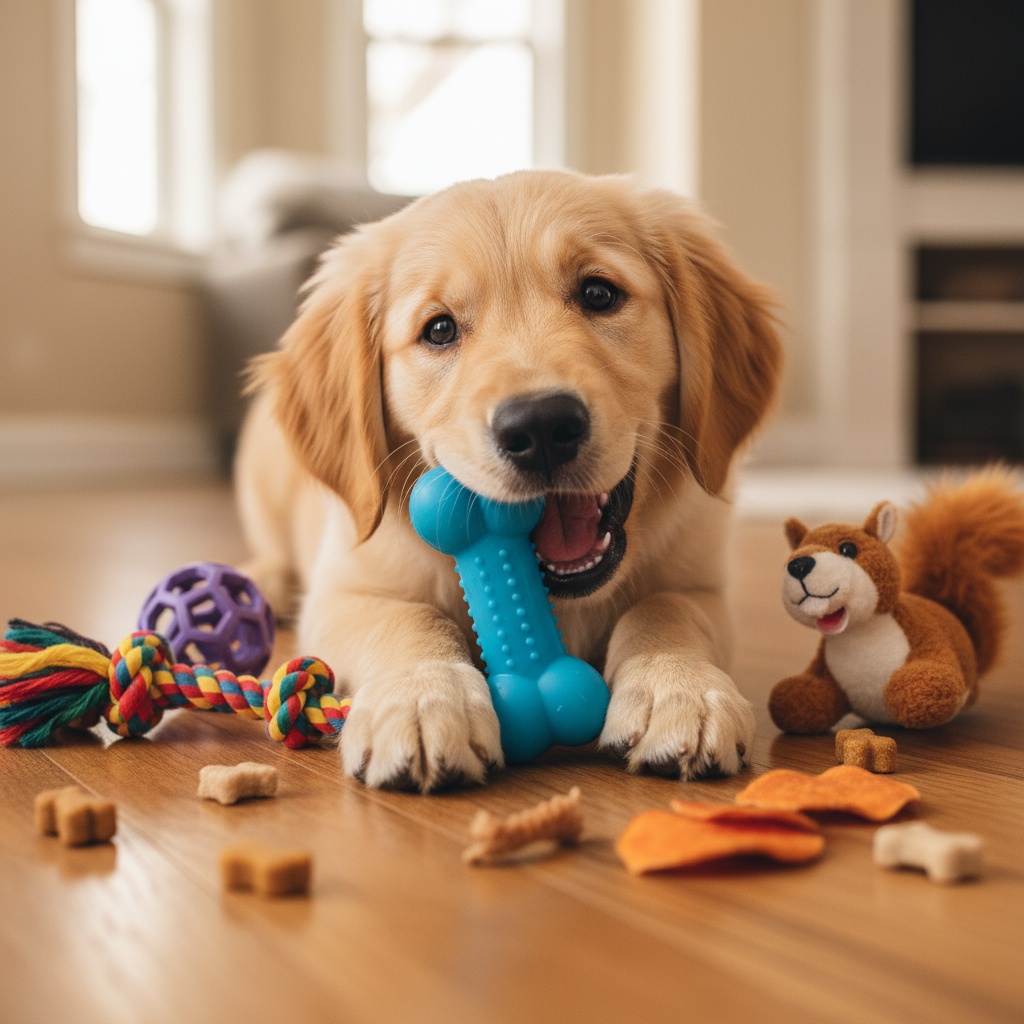
Let’s shout this loud for the folks in the back: Consistency is EVERYTHING. When you’re practicing how to train your dog not to bite, everyone in the household needs to react the same way to biting. That means no roughhousing with hands, no giggling when the dog bites (hard, but important), and absolutely no punishment-based methods!
Punishing your dog can backfire, making them scared or even aggressive. Stick with positive reinforcement and consistent limits, and you’ll see real, lasting change.
Setting Boundaries With Kids
Kids and puppies are a wild combo, right? But kids are naturally loud, unpredictable, and touchy-feely—which might overwhelm your dog. When teaching how to train your dog not to bite, explain to kids:
- Never to pull ears, tails, or fur
- Not to bother the dog during meals or nap time
- How to gently offer toys instead of hands
- The importance of giving the dog their personal space
Supervise all interactions, and make sure everyone knows the house rules.
What about Adult Dogs Who Bite?
It’s a myth that old dogs can’t learn new tricks. If your adult dog bites, start from square one. Use the same bite inhibition, redirection, and consistent reactions. The difference? Be a bit more patient—learned habits can be stubborn! But with love (and maybe a treat or twenty), you’ll do just fine.
Socialization: Your Secret Weapon
One of the best things you can do in how to train your dog not to bite is to socialize your dog. Expose them, gradually and positively, to different people, dogs, and experiences. This teaches your dog not to bite out of fear or anxiety. Some easy ways to socialize:
- Puppy classes with other dogs
- Walks in busier areas so your dog gets used to noise and crowds
- Controlled playdates with calm, friendly dogs
- Introducing to visitors with lots of treats and space
The more your dog sees the world, the less likely they’ll feel freaked out and reach for those teeth.
Using Positive Reinforcement: The Game-Changer
So here’s the kicker for how to train your dog not to bite: reward, reward, reward! The more you praise and reward your dog for gentle behavior, the faster they’ll get the message. Try this out:
- Praise or treat any time your dog stops biting on their own
- Clicker train to mark gentle interactions
- Give lots of love (and yes, treats) for chewing toys, not people
No need to hold back—celebrate every little victory!
What Should You Not Do When Training?
Even with the best intentions, some stuff can really mess up your progress. Big NO-NOs for how to train your dog not to bite:
- Physical punishment—nagging, yelling, or (please don’t!) hitting
- Letting your pup play with hands or feet
- Inconsistent reactions (sometimes laughing, sometimes punishing)
- Getting angry or frustrated—training is a journey, fam!
Keeping a calm and positive mindset will help your dog trust you and pick up new habits faster.
How Long Does It Take?
Training isn’t a quick hack—it’s a journey! Depending on your dog’s age, temperament, and past experience, teaching how to train your dog not to bite can take weeks to months. The most important thing? Don’t give up! Every dog is unique, and progress (even if it’s slow) counts big time.
Advanced Tips For Stubborn Biters
If your dog is stubborn or extra bitey, try some pro-level moves:
- Professional help: Book a session or two with a force-free trainer
- Hazard management: Use muzzles (when needed) for everyone’s safety during big outings
- Daily exercise: Tired dogs bite less! Get those zoomies out
- Clicker training: Mark and reward every gentle interaction
- Interactive games: Mental stimulation keeps boredom (and naughtiness!) at bay
It’s often just a matter of finding what clicks for your dog. Stay creative!
How to Train Your Dog Not to Bite Specific Scenarios
Puppy teething: Always keep a chew toy handy. Gently remove your hands and replace with the toy as soon as the biting starts.
Resource guarding: Work with a trainer if your dog bites over food or toys. Use trading games with high-value treats and work up slowly.
Fear biting: Never force your dog into scary situations. Use desensitization (slow, positive exposure) and give your dog lots of control over how close they get.
Excitement: If your dog bites during play, take frequent breaks and use calm, structured games. Avoid rough play that encourages biting.
What to Do If Your Dog Bites Someone
Yikes. It happens—even to the best pet parents. Here’s what to do:
- Stay calm. Get your dog away from the situation.
- Check the wound and suggest medical attention if needed.
- Provide your contact info and proof of rabies vaccination.
- Secure your dog and contact a professional for next steps.
Taking responsibility is key. Focus on what you can do better for the future, and commit to ongoing training.
Real Life Success Stories
Don’t just take my word for it—here are some real stories from dog parents who conquered biting with the exact methods we’ve dished out:
- Maggie: Her golden retriever went from wild shark week to gentle play-buddy using yelping and time-outs.
- Jorge: After consistently redirecting and rewarding, his rescue pit bull finally stopped nipping when visitors walked by.
- Lila: Socializing her anxious doodle turned scary growls into calm greetings at the park.
If they can do it, so can you. For real!
TL;DR: Quick Recap on How to Train Your Dog Not to Bite
- Understand why your dog is biting (it’s usually normal at first!)
- Use bite inhibition training: say “ouch!” and pause play
- Redirect to toys whenever your dog goes for hands or clothes
- Be consistent with boundaries—no mixed messages!
- Use only positive reinforcement—never punish
- Socialize your dog for well-rounded confidence
- Involve kids and family in all safety rules
- Get professional help if needed for severe issues
With a little bit of patience and a whole lotta love, you’ll master how to train your dog not to bite and set your pup up for a life of wagging, not nipping. Remember, it’s totally normal to hit bumps along the way—don’t sweat it!
FAQs on How to Train Your Dog Not to Bite
Can I ever let my dog play with my hands?
Honestly? Best not to. Even “gentle” mouthing can turn rough with excitement. Always redirect to toys for play.
My dog only bites strangers. What should I do?
Focus on gradual, positive socialization, and create safe, structured introductions. Keep the vibes calm and rewarding.
How do I stop my puppy from biting my ankles when I walk?
Try freezing like a statue when they bite, then re-engage with a toy. Reward as soon as they’re calm.
What if my dog doesn’t improve?
Don’t stress. Most biting issues CAN be solved, but some take longer. If you’re stuck, call a trainer for backup.
You’ve Got This!
Learning how to train your dog not to bite isn’t just about teaching new tricks—it’s about building stronger trust and a happier bond with your four-legged fam. Keep experimenting, stay positive, and don’t forget to celebrate even the tiniest wins. Biting might be a natural doggy thing, but together, you can totally nip it in the bud!