You’ve just walked through the door, tired from work, and before you can even drop your keys, your dog lunges at your hand with a powerful chomp. Ouch! Sound familiar? If this scenario has you nodding, you’re not alone. Dog bite training is one of the most searched topics for dog owners, and let’s be real, it can make or break your bond with your furry best friend. So, let’s dive in and tackle dog bite training together, uncovering tips, tricks, and professional strategies that will leave you both wagging your tails in happiness.
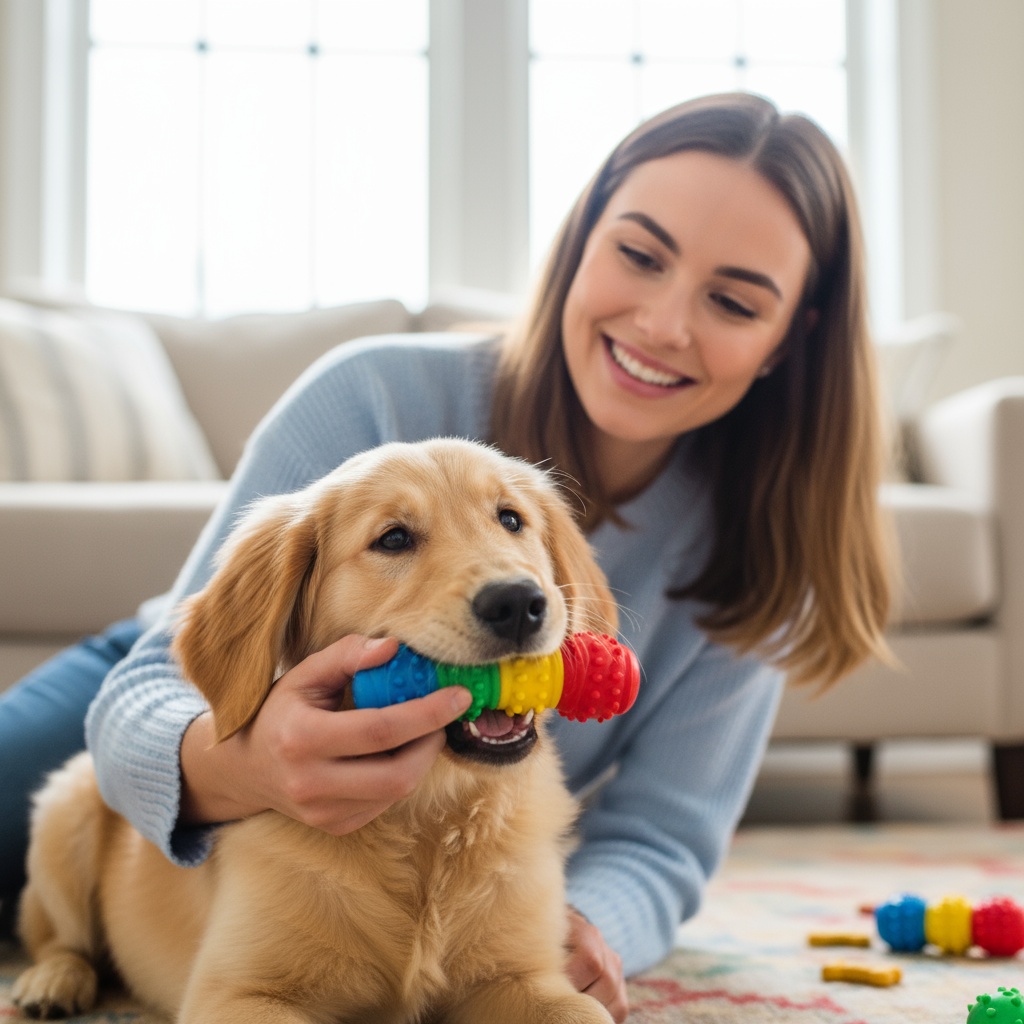
What the Heck Is Dog Bite Training Anyway?
Alright, let’s be clear—dog bite training isn’t about teaching your dog to bite people on command (unless you’re in law enforcement or security, but that’s a whole other ballgame). We’re talkin’ about training your dog not to bite, or if they must (hello, teething puppies!), to do so gently and appropriately. Whether you’re raising a rowdy puppy or dealing with a grown dog who’s a lil’ too mouthy for comfort, mastering dog bite training is key for peace at home—and a safe community.
Why Dogs Bite: Understanding the Root Causes
Before you dive headfirst into dog bite training, it’s vital to grasp why dogs bite in the first place. Here are a few reasons your four-legged pal might be showing those pearly whites:
- Puppy Teething: Puppies explore the world with their mouths, and when they’re teething, everything looks like a chew toy.
- Fear or Anxiety: A scared dog can bite out of self-defense.
- Resource Guarding: If Fido thinks you’re stealing his favorite toy or treat, watch those nashers!
- Overstimulation: Crazy play sessions can quickly turn into nippy nightmares if your pup gets overexcited.
- Lack of Socialization: Dogs who weren’t properly socialized might not know how to behave around people or other animals.
Knowing the cause is step one in mastering dog bite training.
The Golden Rule: Prevention Is Better Than Cure
If you can snuff out unwanted biting before it becomes a habit, you’re winning at dog bite training. Here are some simple (but mega effective) steps:
- Supervised Play: Always keep a close eye on interactions, especially with kids.
- Puppy Socialization: Expose your pup to all sorts of sights, sounds, smells, and peeps. Confidence prevents fear-based bites.
- Chew Toys Galore: Give your dog tons of appropriate things to chomp on. Dog bite training should never equal no biting—just proper biting!
Quick Prevention Hacks for Everyday Life
- Keep Calm: Don’t yank your hand away fast—this can turn play into prey-chase and trigger a bite!
- Clear Spaces: Remove stuff that tends to trigger bad behavior, like forbidden snacks or shoes.
- Learn Body Language: Know the difference between happy play and an anxious pup ready to snap.
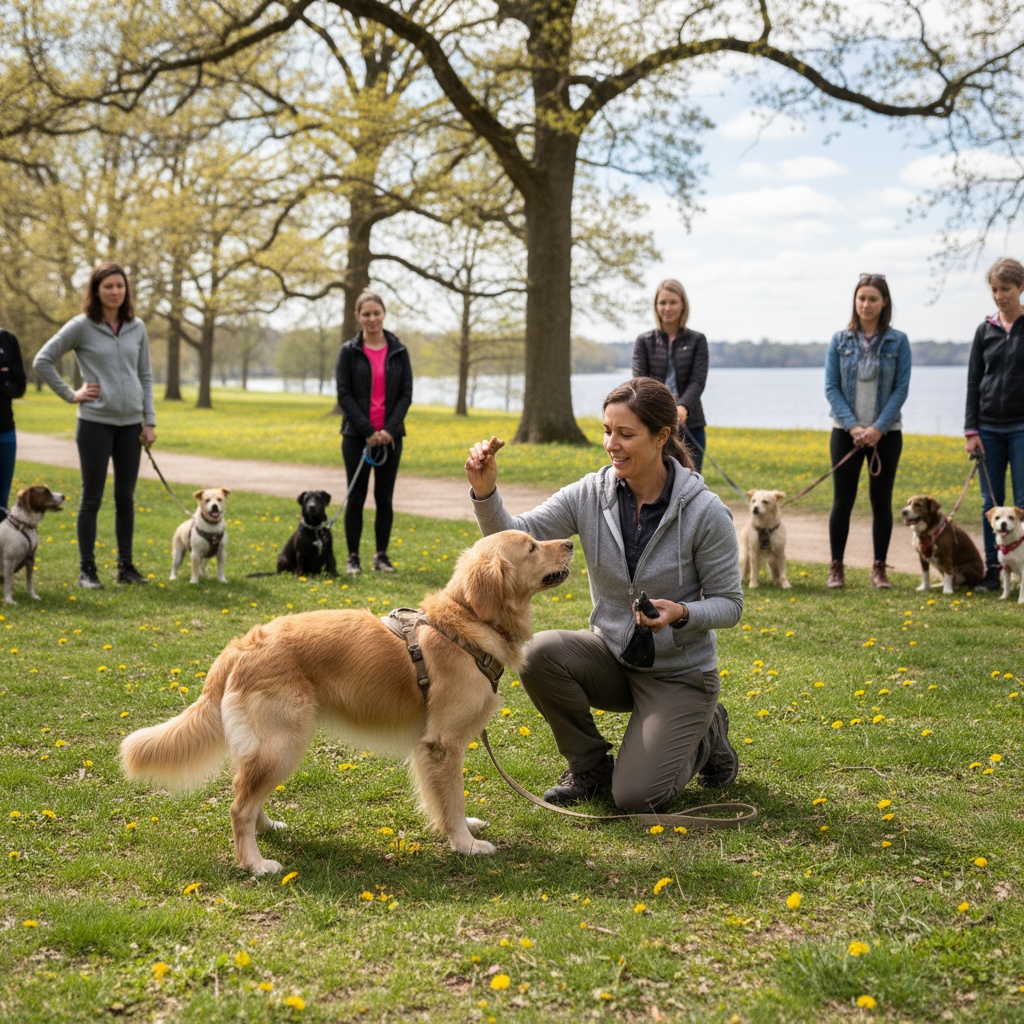
Building Bite Inhibition: How to Teach Soft Mouths
Bite inhibition is a huge part of dog bite training. Translation? Teaching your pup to control the force of their bite. It’s all about nipping, quite literally, future biting in the bud.
The “Yelp and Freeze” Method
Nothin’ like good old dog speak! When puppies play, a sharp yelp from a sibling stops play instantly. Use this to your advantage:
- When your puppy bites too hard, make a high-pitched “Ow!”
- Immediately freeze and stop play.
- Wait for your pup to calm down, then resume.
Repeat often! Puppies are quick learners. Over time, your puppy will realize that hard biting makes all the fun vanish. That’s basic dog bite training 101, and it’s surprisingly effective.
Time-Outs: The Chill Factor in Dog Bite Training
- If yelping doesn’t work, try a short “time-out.”
- After a bite, gently remove your pup from the situation for a minute or two. Boredom is a brutal teacher!
Red Flags: When to Seek Pro-Level Help
Look, we all love DIY fixes, but sometimes dog bite training needs a professional touch. If your dog:
- Shows aggression without warning
- Bites out of fear, not play
- Continues to bite despite steady training
It’s time to consult a certified dog trainer or behaviorist. Safety always comes first.
Common Myths About Dog Bite Training
- “My breed would never bite!” Every dog can bite. No breed is immune—period.
- “Punishing biting works best.” Nope! Harsh punishment can make things worse by building fear or aggression.
- “She’s just teething, it’ll stop.” Well, yeah, but without guidance, this can quickly become a lifetime habit.
Moral of the story? Smart, positive dog bite training beats old-school punishment every time.
Ages and Stages: Tailoring Dog Bite Training by Life Phase
Puppies: Cute But Deadly (To Your Fingers!)
- Redirect, redirect, redirect. Got bit? Gently push a chew toy into your pup’s mouth instead.
- Short training sessions. Young pups have micro-attention spans—keep lessons brief and fun.
- Socialization field trips. Safely (and positively) meet as many peeps and pets as possible.
Adolescent Dogs: Testing Boundaries
- Consistency is king. Teens push limits, so don’t slack off on dog bite training now!
- More mental exercise. A bored dog is a bitey dog, so break out the puzzle toys.
Adult Dogs: Breaking Bad Habits
- Routine checks. Medical issues like sore teeth can cause sudden biting—so see your vet first.
- Step up the rewards for calm play. Treats for gentle mouths, all day long!
Positive Reinforcement: Your Secret Weapon
Bitey dogs are usually reacting out of excitement, stress, or confusion. That’s why the best dog bite training comes down to positive reinforcement:
- Treats for gentle behavior
- Praise and pats for no biting
- Redirect bad play into good play
Bottom line? Your dog learns fastest when training feels like a game, not a punishement.
Step-By-Step Game Plan: The Ultimate Dog Bite Training Routine
- Create boundaries — Start with clear rules. No biting, not even gentle, on people.
- Use the “leave it” command — Teach your dog to drop or ignore temptations.
- Practice the “gentle” cue — With treats, reward your dog for taking a treat softly.
- Incorporate safe toys — Always have chewables handy to redirect unwanted nipping.
- Be consistent — Everyone in your household must follow the same do’s and don’ts.
Managing Kids and Dog Bite Training
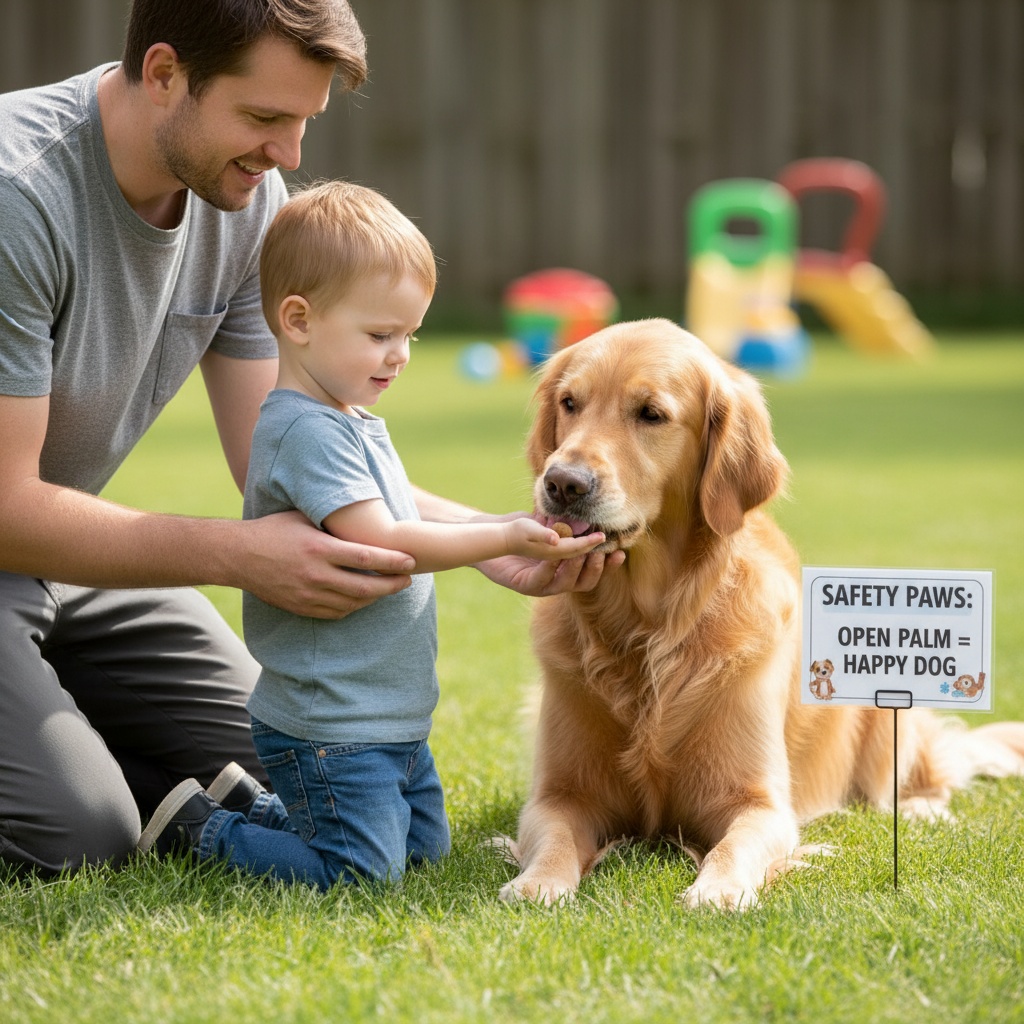
Let’s be honest, kids can unintentionally wind up a dog, and that’s when bites are most likely. Here’s how to balance fun and safety:
- Teach kids to never tease or grab at dogs
- Show them how to give treats with an open palm
- Practice calm interactions under supervision
- Explain how to stand still (“like a tree”) if a dog gets too wild
What If There’s a Bite? First Aid & Damage Control
Even with the best dog bite training, accidents happen. If your dog bites, here’re your first steps:
- Stay calm—don’t scold immediately
- Clean the wound with soap and water
- Apply pressure to stop bleeding
- If the bite is serious, seek medical advice
- Investigate the trigger (Was your dog sick? Surprised? In pain?)
Avoid These Common Dog Bite Training Mistakes
- Ignoring early warning signs — Growling, stiff posture, or avoidance shouldn’t be dismissed.
- Roughhousing — Wrestling can encourage rough play and nipping.
- Delayed correction — Timing matters in dog bite training; correction must happen immediately.
Frequently Asked Questions About Dog Bite Training
Can any dog be trained not to bite?
Heck yes! With patience and consistency, dog bite training works wonders, no matter the age or breed.
How long does dog bite training take?
Kinda depends! Puppies may catch on in a few weeks, while older dogs might need more time. Stick with it—progress comes with patience.
Is it ever too late for dog bite training?
Naw. Old dogs, new tricks—don’t underestimate your furball’s ability to change for the better.
Bonus: Resources for Next-Level Dog Bite Training
- Books like “The Other End of the Leash” by Patricia McConnell
- Online courses from positive reinforcement trainers
- Certified trainers in your local area
Wrapping Up: Peace, Love, and No More Bites
When it comes down to it, dog bite training is all about understanding, patience, and using positive strategies to guide your pup toward safe and gentle habits. Don’t lose hope if there are setbacks. Every dog can learn—sometimes, they just need you to show them the way (and maybe a few more treats than you’d expect!). Put these strategies into play today and say goodbye to those ouch-filled days for good. Your hands (and your dog!) will thank you, fur real!