Okay, let’s talk real for a sec — my puppy bites. And honestly, it’s driving me a little bonkers. You brought home that adorable furball, expecting floofy cuddles and Insta-perfect moments, but instead? Bam. Tiny daggers for teeth aimed at your hands, your ankles, your favorite hoodie. Sound familiar? Welcome to the club — the club of baffled new puppy parents figuring out why their lovely pup is part land shark.
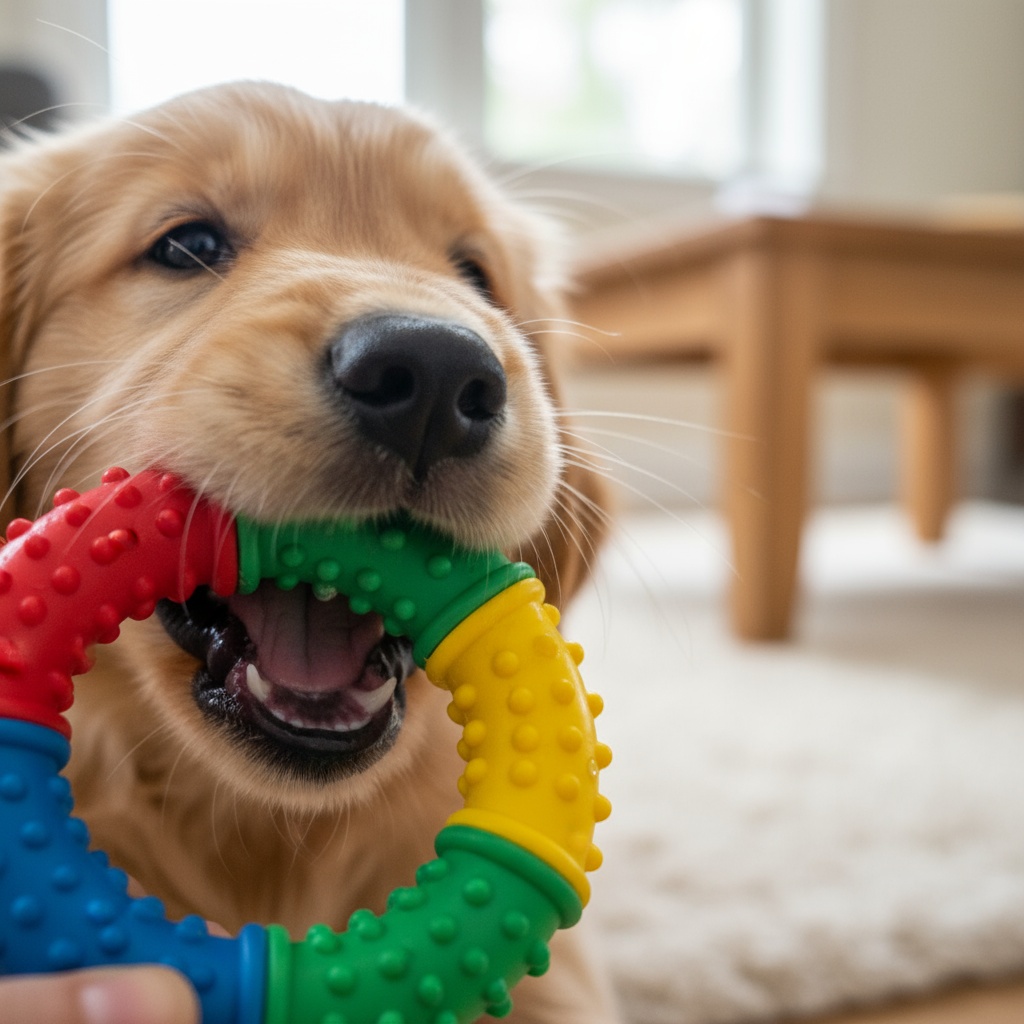
Why Does My Puppy Bite Everything?
So, let’s start at square one: why does my puppy bite? Seriously, what’s going on in that little noggin of theirs? The first thing you gotta know is, this is totally normal puppy behavior. Puppies explore the world with their mouths. Just like human babies, they teethe, get curious, and — let’s be honest — sometimes just wanna play rough. But if you find yourself repeatedly thinking, “My puppy bites everything! When will this stop?!” you’re definitely not alone.
- Teething: Puppies go through teething. Their gums ache and biting soothes the pain.
- Exploration: Puppies are like tiny, furry scientists. Mouthing and biting is their way of learning about the world.
- Play: Biting is often a form of play, especially with other pups. They just haven’t learned human skin isn’t as tough as fur!
- Communication: Sometimes, biting is how they say, “I’m bored!” or “I need attention!”
- Overstimulation: An overwhelmed or overtired puppy may bite more. Imagine a toddler throwing a tantrum, but with sharper teeth.
If you’re googling “my puppy bites” at 2am while nursing a half-shredded slipper, don’t stress. With the right knowledge and techniques, you can totally handle this stage. Let’s break it down, step by step.
When Puppy Bites Cross the Line
Sure, some nipping is a normal part of puppyhood. But what if my puppy bites way more than seems normal? If you’re starting to see red marks or your friends are suddenly “too busy” to come over, you know it’s time to tackle this head-on.
- Is the biting hard enough to break skin?
- Is your puppy not responding to yelps or correction?
- Is the biting intense during play and outside of it?
If you answered yes to any of those, your next step is to dial up your training game with a comprehensive dog training guide.
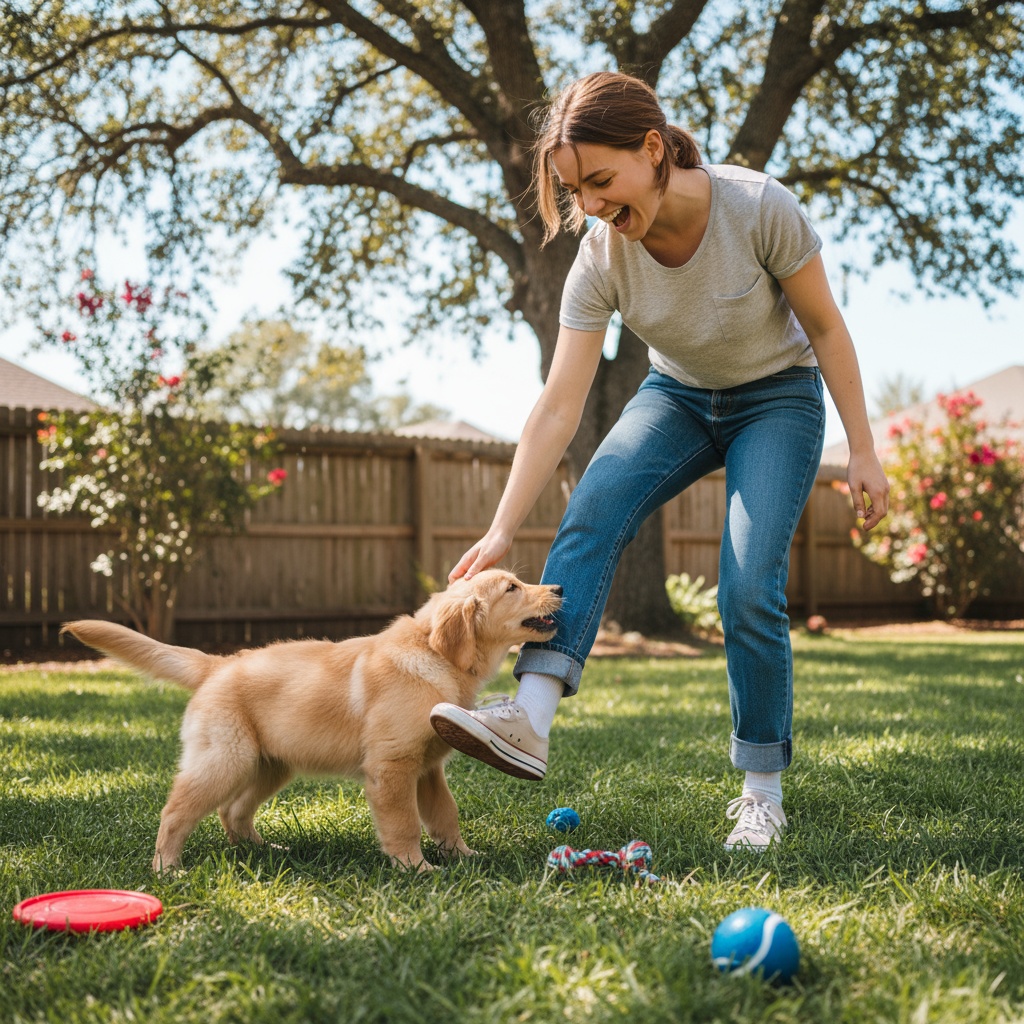
Quick Science: Learning Bite Inhibition
Puppies actually learn bite inhibition — basically, how hard is “too hard” — from their littermates and mama dog. If they bite playmates too hard, the other pups yelp and stop playing. That’s a big, fat “oops” in doggie language. If your pup left their litter too early, they might not have gotten the memo. Which means it’s up to you, my friend, to teach them.
The “My Puppy Bites” Survival Guide
1. React Like a Puppy Would
Get ready to ham it up: when your puppy bites, yelp. Seriously! A quick, loud “OW!” (not angry, just surprised) mimics the sound their siblings make. Most pups will pause, looking guilty. Immediately let your hand go limp and ignore them for a few seconds. If my puppy bites again, repeat. Consistency is key!
2. Redirect to Something Safe
Here’s where toys come in clutch. If your puppy bites, grab a chew toy and offer it up. Chewing on toys (not humans) should always be encouraged. Keep a stash in every room so you’re always ready to swap your fingers for something safe.
3. Time-Outs Are Not Just for Kids
If my puppy bites and gets wild, a short time-out works wonders. This doesn’t have to be anything dramatic. Just calmly pop them in their crate or a puppy-proof room for 30–60 seconds. The goal is for them to learn, “Bite, and the fun ends.”
4. Reward Good Choices
Catch your puppy being gentle? Heck yes — praise them, throw in a treat. Reinforce calm, non-bitey behavior and they’ll be a quick study. That smug “I-did-good” look on their face? Pure gold!
5. Set Boundaries with Play
Games like tug-of-war can make biting worse if not managed. Only play when you can supervise closely. If teeth hit skin, game over. Boom. This teaches them that the fun stops if they bite you instead of the toy.
How to Socialize a Puppy That Bites
Socializing your puppy — even the little biter — is so important. The more confident and chill your pup is, the less likely you’ll be typing “my puppy bites” every day for life. Arrange safe puppy meet-ups so they learn how hard is too hard from their own kind, under supervision.
- Enroll in puppy classes — trainers are incredible allies.
- Invite vaccinated, friendly dogs for playdates.
- Let your puppy observe different people and places (just arms length away until they’re nipping less!)
What to Avoid When Addressing Puppy Biting
It’s super tempting to just shout “NO!” But, trust me, harsh discipline does more harm than good. Don’t punish, hit, or grab your pup’s muzzle. This can make biting worse, break your trust, and even lead to fear-based aggression.
Instead, stay calm. If you’re really losing your patience (hey, we’ve all been there), take a step back. Your “my puppy bites” struggles are temporary, but your bond with your dog is forever.
The Importance of Consistency and Patience
When you’re in the thick of it, Googling “my puppy bites” in a panic, it can feel like this phase will never end. But remember: every puppy is different. Some catch on fast (the Einsteins of the dog park), and some… well, let’s just say they keep you humble. The trick? Be consistent with your training and super patient.
It might help to chart your progress, or even film your training sessions. Some days, your hands will look like they’ve fought a cactus, but those gentle, bite-free days will slowly get more common. Hang in there!
Special Note: When Puppy Bites Are Actually Aggression
Occasionally, persistent or severe biting isn’t just typical puppy mouthing — it can signal something more serious. If your dog is snapping, snarling, or showing guarding behaviors with food or toys, reach out to a qualified trainer or vet behaviorist ASAP. These rare cases aren’t something you should DIY.
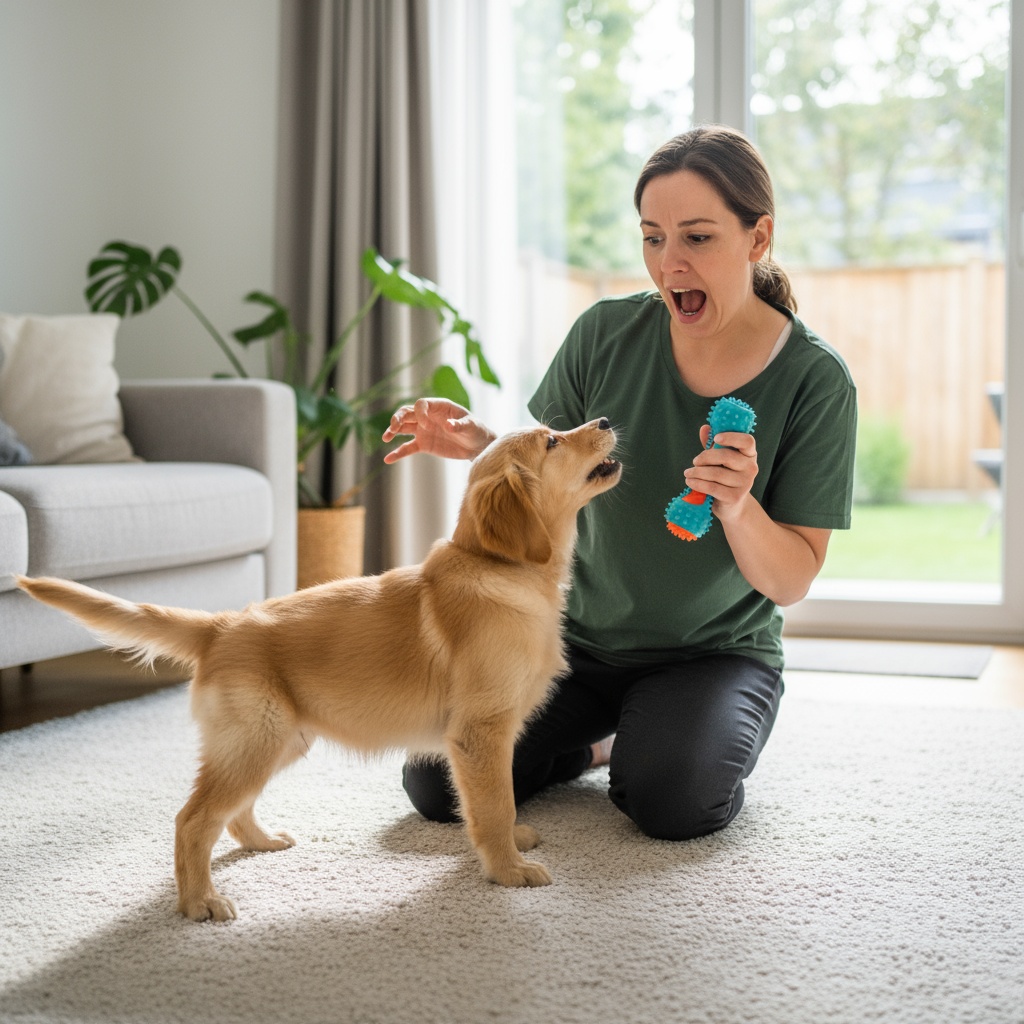
Managing Biting in Specific Situations
My Puppy Bites When Excited
Excitement biting is super common. Does your puppy love greetings, and their enthusiasm comes with teeth? Try this:
- Ignore jumpy, mouthy greetings. Only pet when all fours are on the ground and mouth is calm.
- Keep greetings short and sweet. Less chance to spiral into wild land-shark mode.
- Train a “sit” or “down” for hellos — treats work wonders for motivation.
My Puppy Bites During Play
Biting ramps up during exciting games. Here are some fixes:
- Keep play sessions short. Quit while you’re ahead.
- If my puppy bites me, switch to a less-exciting toy or take a quick time-out.
- Teach “leave it” and “drop it” as fun games, so your pup loves trading objects — instead of nipping at your hand.
My Puppy Bites My Feet and Ankles
Yup, this one is classic herding behavior. You’re basically a sheep in your pup’s eyes. Here’s what helps:
- Keep a tug toy in a pocket. When your puppy targets your feet, distract with the toy.
- Stop moving, stand still like a tree. Moving feet are irresistible!
- Consider teaching a “place” cue — so your pup can chill on their bed when things get crazy.
Best Toys and Tools for a Puppy That Bites
Wondering what chews work for your little velociraptor? The best ones soothe sore gums, redirect that urge, and hold your pup’s attention. Stock up on:
- Rubber Chew Toys: Kong, Nylabone, etc.
- Soft Plush Toys: Great for gentler pups or when supervised.
- Rope Toys: Awesome for interactive play and tug-of-war
- Puppy-safe Frozen Treats: Freeze their favorite toy for teething relief.
Always check the toys for safety — nothing beats regular supervision during play sessions! If you ever doubt if the toy is safe, ditch it.
What If My Puppy Bites Adults and Kids?
It’s a myth that puppies only bite their owners. Sometimes, grandma visits and suddenly she’s the chosen chew toy. Kids tend to get it worse, since they move fast and squeal. Here’s how to keep everyone safe:
- Always monitor young kids with puppies.
- Teach kids to move calmly and not wave hands in the puppy’s face.
- Model gentle petting and reinforce boundaries.
- If my puppy bites, guide them away from play with a toy — never punish.
Your job: be the puppy referee! Keeps dogs and humans safer, and protects those precious kiddo fingers.
Surviving the “My Puppy Bites” Phase: Tips from Real Owners
- “Stick with a routine — my puppy bites less when he knows what to expect.”
- “Cheese cubes and a ton of toys. Saved my fingers!”
- “Get a playpen. When she got wild, that was her chill zone.”
- “If you’re feeling overwhelmed, ask friends for help, or take a breath. It does get better!”
Long-Term Outlook: Will My Puppy Ever Stop Biting?
You’ve probably asked yourself a hundred times: when will my puppy stop biting? Good news — as long as you stick with training and consistency, your puppy will grow out of it. Most puppies are over their bitey phase by 5 to 6 months, though occasional mouthing can linger.
Adult dogs who still mouth too much usually missed critical training — but with patience, most can learn better ways to show affection and excitement. If my puppy bites as they grow older, keep up the redirection, socialization, and positive reinforcement. Dogs want happy humans!
My Puppy Bites FAQs
- Is it normal if my puppy bites when I pet them? Totally. Puppies learn bite strength — just redirect ASAP.
- Should I yelp every time my puppy bites? If it’s a gentle nip, yes. But don’t overdo it, or your pup will just think you’re being weird.
- Do certain breeds bite more? Herding breeds, terriers, and retrievers may nip more, but any puppy can go through this phase.
- Can I use bitter sprays to stop biting? Sometimes, but they’re no substitute for real training.
Final Thoughts: You’re Gonna Make It
If you’re pulling your hair out, take it from a fellow survivor: it will get better. My puppy bites phase was wild — there were days I wanted to scream. But stay consistent and remember you’re building trust for a lifetime. Before long, you’ll have that insta-cuddle puppy you dreamed of, plus all the bragging rights. Chin up, you got this!
And hey, if the “my puppy bites” blues hit again, come back and scroll through this guide. There’s light at the end of the tunnel, and it ends with a well-mannered, happy pup. Good luck, and keep those toys handy!