If you’ve just welcomed a new four-legged friend into your life, you totally know that puppy love means fun, cuddles, and… yikes, sometimes razor-sharp teeth! Training a puppy not to bite is hands-down one of the first challenges most owners face. It’s a wild ride but, honestly, one of the most rewarding experiences as you bond with your pup, teach boundaries, and raise a well-mannered doggo.
Understanding Why Puppies Bite
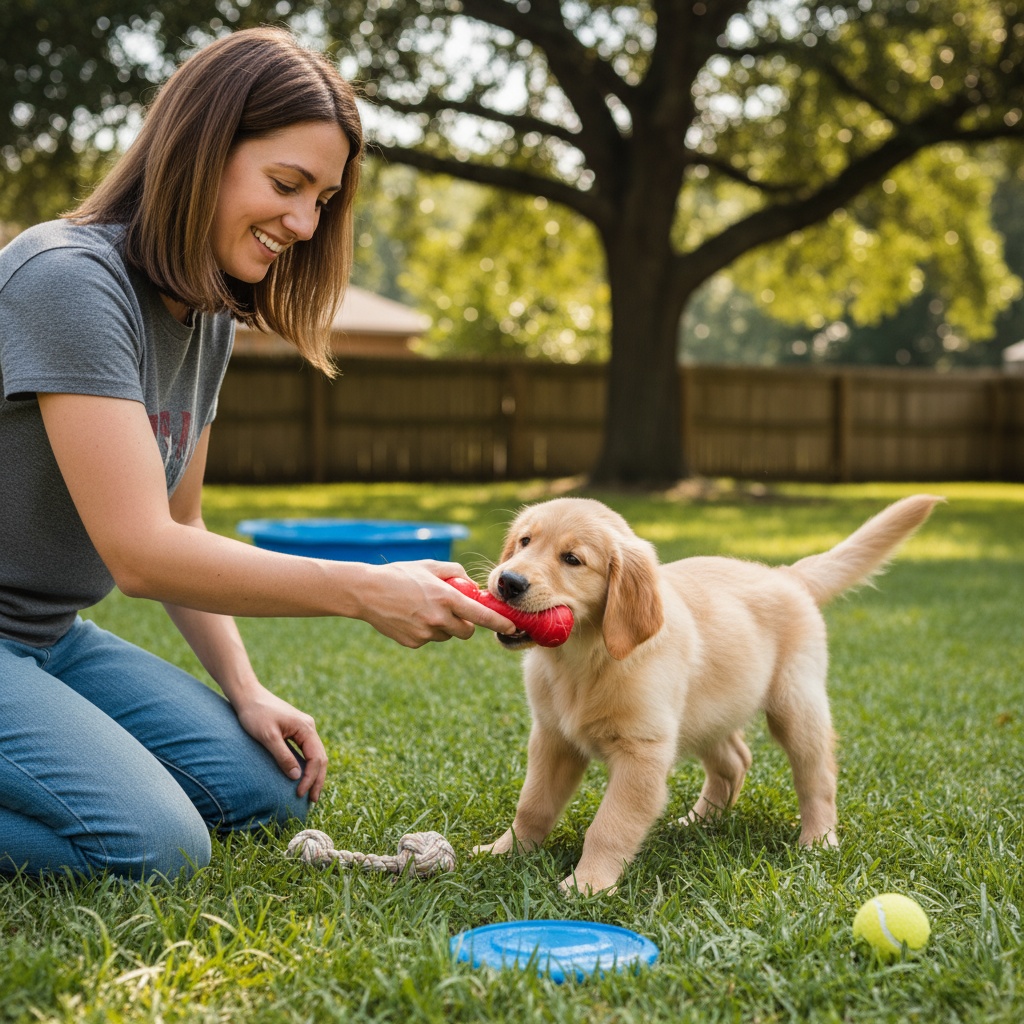
Before jumping into practical steps for training a puppy not to bite, it’s super helpful to realize *why* puppies bite in the first place. Knowing where your little furball is coming from is already half the battle won!
- Teething Pain: Puppies lose their baby teeth and grow adult teeth just like human babies. Chewing and biting help soothe the pain.
- Learning About the World: Dogs use their mouth like we use our hands. They nip, chew, and taste everything to explore.
- Play Behavior: Their littermates tumble, chase, and nip constantly. When you play, your puppy thinks nipping is just part of the game!
- Excitement or Overstimulation: Overexcited pups might get mouthy, and when there’s no littermate around, well… your fingers are fair game.
The Golden Rule: Never Use Force!
Let’s set things straight. Never use hitting, harsh punishment, or anything that hurts your pup for training a puppy not to bite. Gentle, consistent correction is key! Puppies learn best with patience and positive vibes, so let’s dive into humane, effective ways to teach bite inhibition.
Essential Steps for Training a Puppy Not to Bite
Here comes the strategy! Training a puppy not to bite isn’t a one-trick pony deal. You’ll need a toolbox of techniques for different situations. Consistency and being chill about slip-ups go a long way, trust me.
Step 1: Socialize Your Puppy
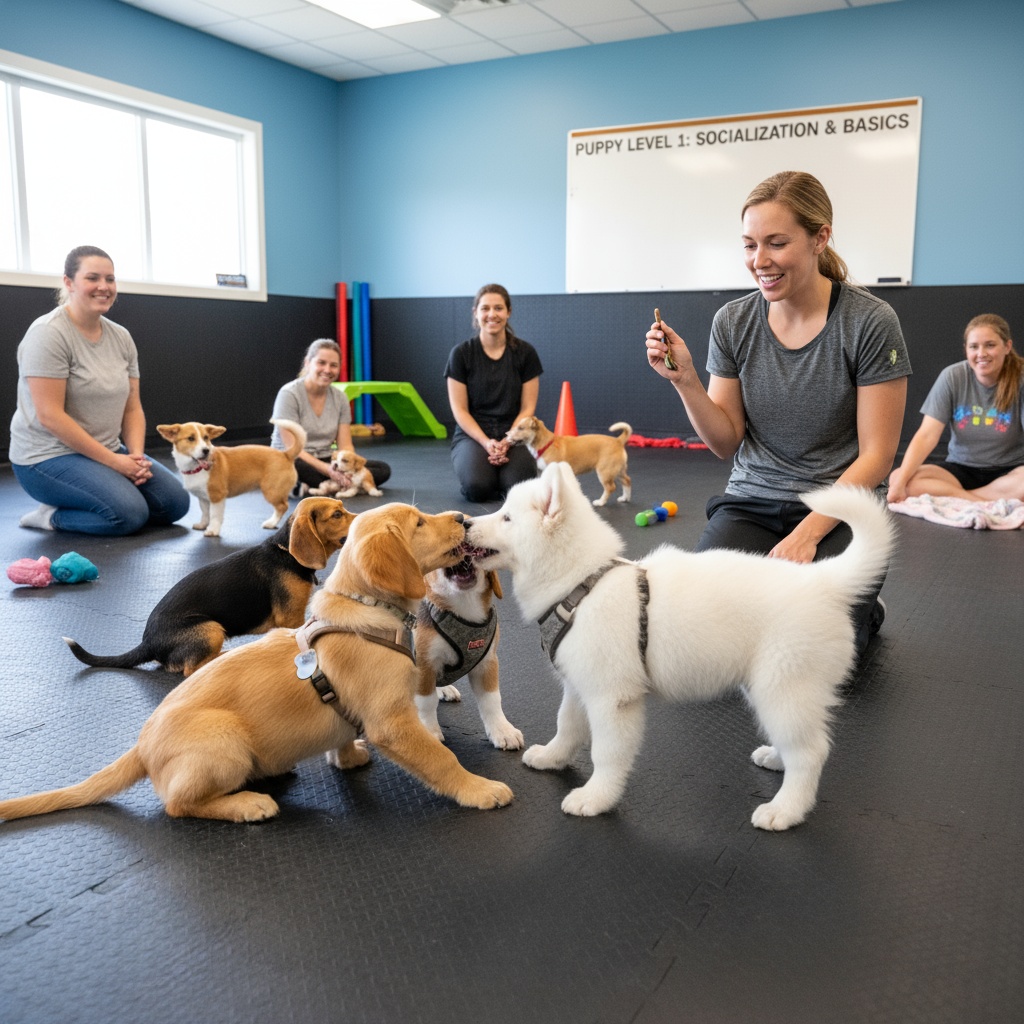
Socialization lays the foundation. When your pup interacts with other vaccinated puppies and gentle adult dogs, they learn what’s okay during play and what’s “too much.” This is nature’s way of training a puppy not to bite. Puppy kindergarten classes are fab for this!
Step 2: Use Positive Reinforcement
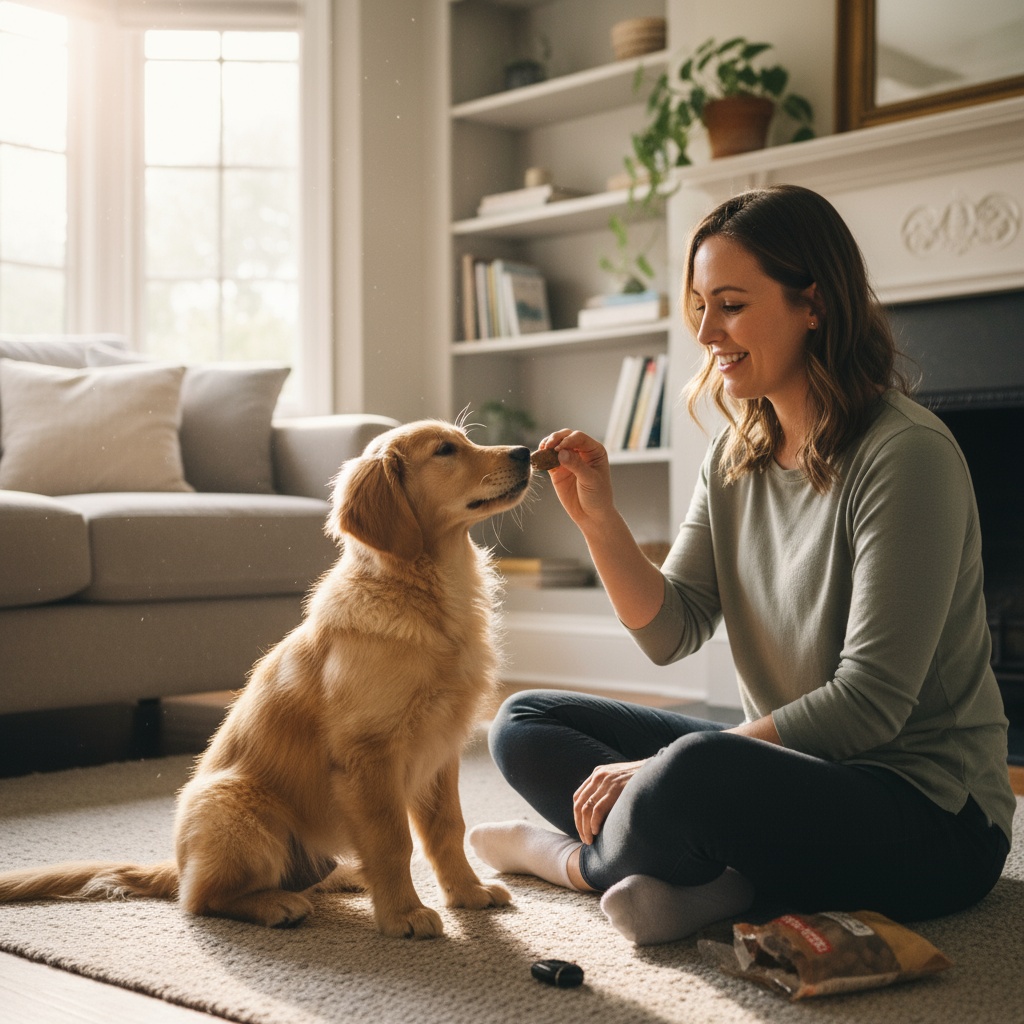
The number one secret to training a puppy not to bite? Reward the heck outta good behavior. When your dog bites gently, or better yet, doesn’t use teeth at all, mark that with a cheery “Yes!” or a click (if you’re into clicker training) and hand over a tasty treat.
- Always reward calmness and polite play.
- Keep treats handy so you can mark good moments instantly.
Step 3: Teach “Ouch!” and Withdraw Attention
When your puppy chomps too hard, yelp “Ouch!” in a slightly high-pitched, startled tone, just like a puppy would. Then, immediately stop all play and stand up or turn away. Training a puppy not to bite means teaching them biting ends the fun—fast.
- If the biting continues, calmly leave the room for 30 seconds. Return, try again.
- No angry scolding, no hands in the face. Just peace out and ignore.
Step 4: Redirect to Toys
Keep an arsenal of chew toys and soft plushies nearby. Whenever you see your puppy winding up for a nip, grab their favorite toy and enthusiastically offer it. Training a puppy not to bite your hands means showing them there’s stuff they *are* allowed to chew!
- Rotate different textures to keep your puppy interested.
- Engage in tug, fetch, or chewing games regularly.
Step 5: Reward Calm Mouths
For training a puppy not to bite, it’s super important not to overlook the calm, “chill” moments. When your puppy sits or lays quietly by your side without chewing or biting, keep treats flowing and shower them with gentle pets and praise.
Step 6: Manage Overexcitement
If your puppy gets too hyper and starts biting, stop the game and give them a break. Puppies, like kids, get cranky and wild when overtired or over-stimulated. Create a cozy spot for your pup to nap and recover.
- Short, frequent play sessions help prevent overload.
- End play while it’s still fun — don’t wait til your pup’s outta control.
Common Challenges and Fixes for Training a Puppy Not to Bite
Sometimes, even when you’re doing everything right, your puppy gets stuck on the “bite everything” mode. Don’t panic. Setbacks are 100% normal. Training a puppy not to bite takes time and patience. Here’s how to handle some typical trouble spots:
My Puppy Only Bites Me!
This happens because you’re the main playmate! Training a puppy not to bite often means the owner needs some backup. Have other family members help with play and training so your puppy learns everyone deserves gentle treatment.
He Only Bites When Excited
Excitement equals biting, especially during play or when greeting. For training a puppy not to bite in this scenario, slow things down:
- Stop play if teeth touch skin
- Ask for a “sit” before greeting
- Remind guests to ignore jumping and biting — only reward sitting!
Bites Get Worse During Teething
Training a puppy not to bite gets rough when your puppy is teething! Provide frozen toys, chilled wet washcloths, and safe chews to help relieve discomfort.
Puppy Bites Hurting Children
Little humans move unpredictably and make high-pitched noises — puppies think it’s playtime 24/7! Always supervise kids and puppies, and teach kids to stay calm, move slowly, and avoid rough play. Training a puppy not to bite around children needs constant adult management!
Puppy Not Responding to Training
If training a puppy not to bite feels impossible, it might be time for pro help. Certified dog trainers can spot mistakes in your technique and give you personalized tips. Some pups just need a little expert touch.
What NOT To Do When Training a Puppy Not to Bite
Okay, here comes the real talk. Just as important as knowing what to do, you gotta know what *not* to do when training a puppy not to bite:
- No Yelling or Hitting: This just scares your pup and makes behavior worse.
- No Muzzling for Play Biting: Muzzles restrict natural behavior and don’t teach correct mouth use.
- No Grabbing Snouts or Sticking Fingers in Mouths: These old-school tricks make biting more likely, not less.
- No Rough Play with Hands: Wrestling or tugging at your puppy with your hands encourages biting for fun.
FAQs About Training a Puppy Not to Bite
How long does it take for training a puppy not to bite? Yo, every pup’s different, but most catch on within a few weeks to a couple months if you’re consistent.
Is biting ever a sign of aggression? Most puppy nipping is normal play! But if bites are hard, relentless, or paired with snarling, consult a trainer.
Can all breeds be trained not to bite? Absolutely! From tiny Chihuahuas to Great Danes, training a puppy not to bite works for every breed.
Advanced Techniques for Training a Puppy Not to Bite
Ready to level up your dog-training game? Let’s get into some advanced stuff for training a puppy not to bite!
Teaching Soft Mouth (Bite Inhibition)
Before your pup learns to NEVER touch skin, they first need to learn to bite gently. Here’s how you “shape” a soft mouth:
- Allow mild mouthing and interrupt if it gets harder.
- Gradually expect even softer play (reward softly, interrupt harder bites).
- With practice, only reward if they touch your hand with super gentle pressure, or not at all!
“Trade Up” Game
This game not only helps with resource guarding, but also gives your puppy something to do when tempted to bite:
- Let your pup mouth a toy.
- Offer an even better treat in exchange for giving up the toy.
- Their reward comes from redirecting their mouthy energy onto something allowed!
Controlled Play Dates
Arrange puppy play sessions with known gentle dogs. The more chances your dog gets to learn polite play from peers, the faster training a puppy not to bite will be.
Life After Training: Enjoying a Polite, Bite-Free Pup
When you finally see progress training a puppy not to bite, it’s next-level awesome. Enjoy life with a dog that knows your hands are for petting, not gnawing. A little effort now means a lifetime of safe, happy play for you, your dog, and absolutely everyone they meet.
Final Tips for Success
- Consistency Rules: Everyone in the home must react to puppy biting the same way, every time.
- Patience Over Perfection: Don’t expect instant results. Puppies are learning 24/7, even when you aren’t training!
- Enrich Your Puppy’s Life: Tired, busy, stimulated puppies bite less. Mix up your routine with walks, brain games, and social outings.
- Celebrate Wins: Your puppy’s first polite greeting? That’s a victory — treat yourself (and your dog!)
Tools That Help with Training a Puppy Not to Bite
- Chew toys (rubber, rope, plush, and treat-dispensing types)
- Training treats (high-value goodies are extra motivating)
- X-pens or baby gates for safe puppy zones
- Kongs or puzzle toys, stuffed and frozen, for solo entertainment
Celebrate the Journey!
Training a puppy not to bite isn’t just about stopping a habit. It’s about building a lifetime bond and trust between you and your dog. Keep laughing, keep loving, and don’t sweat the little mess-ups. Rome wasn’t built in a day, and neither is a perfectly behaved puppy!
You got this! Go out there and show the world just how amazing training a puppy not to bite can be when you do it with kindness, patience, and a bit of doggie slang thrown in for good measure. Happy puppy parenting!