Ever found yourself wincing as your adorable little pup clamps down (again) on your fingers or nips the back of your heel with those razor-sharp puppy teeth? Yeah, welcome to the wild world of puppy ownership. If you’re here, you’re probly searching one thing over and over: when do puppies stop biting? Well, buckle up and grab a coffee (or a Band-Aid), ‘cause we’re diving headfirst into all the crazy reasons why puppies bite, when this madness typically ends, and what you can ACTUALLY do to help your pup grow outta this chomp-happy phase without losing your mind… or too many socks.
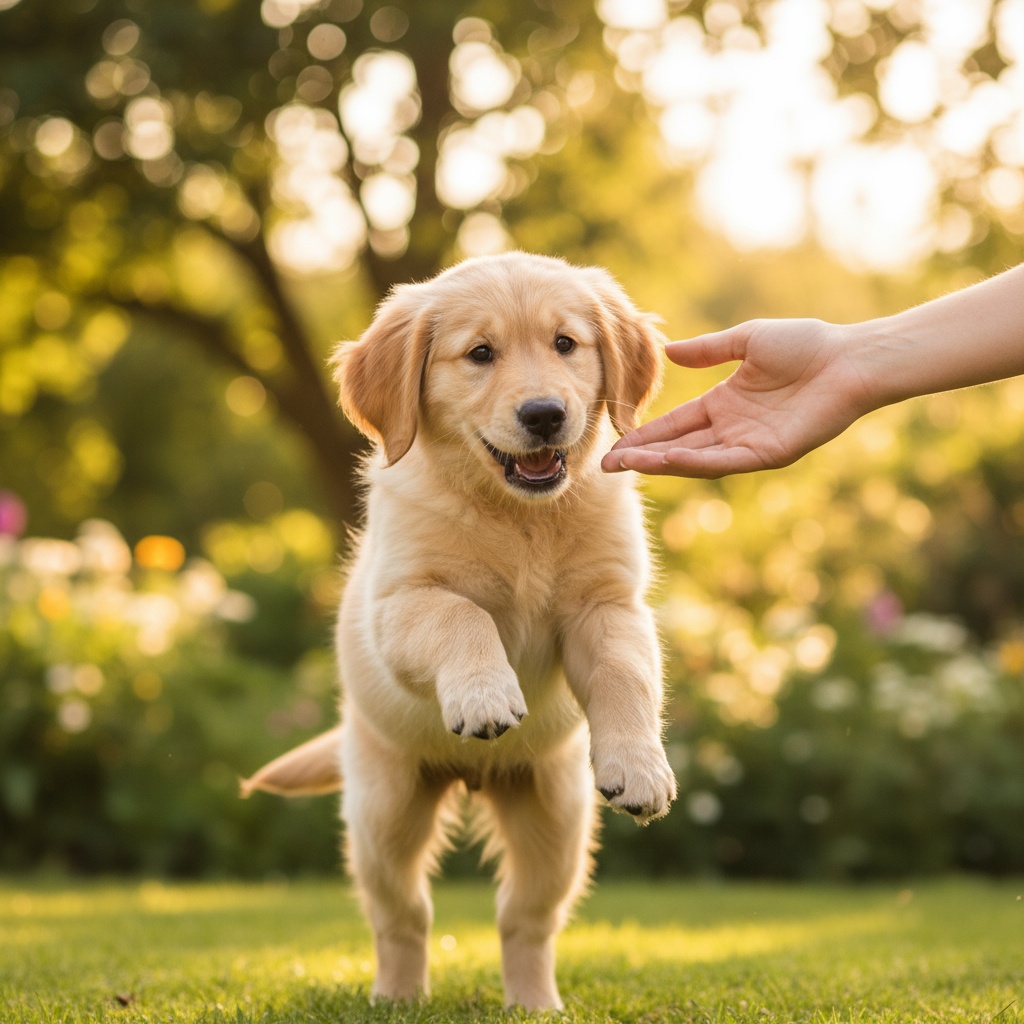
Why Do Puppies Bite Nonstop?
Try not to take it personally—your pup isn’t trying to spite you. Biting is just their way of exploring the world. Puppies are born curious, and their mouths are like their eyes and hands combined. But let’s get real, even tho it’s natural, that doesn’t make it less painful! So, when do puppies stop biting? First, you need to know why it’s happening:
- Teething: Puppy teeth are sharp for a reason, and when they’re teething, everything is fair game—your toes, sleeves, furniture, even your beloved plants.
- Playing and Socializing: Puppies bite during play. It’s what they do with their littermates, and hey, you’re family!
- Exploring: Just like babies, puppies check everything out with their mouth.
- Testing Boundaries: Biting is a communication tool for pups—they’re trying to figure out how rough is too rough.
When Do Puppies Stop Biting for Real?
Okay, let’s get straight to the point and answer what you came for! When do puppies stop biting? On average, most puppies start to settle down and stop their hard biting sometime between 5 and 6 months of age. But, lemme hit you with some more detail because not all pups are on the same timeline.
The Biting Timeline: What to Expect by Age
- Up to 8 Weeks Old: Babies! Literally, these pups are still learning bite inhibition from their littermates and momma. You won’t be able to stop biting behavior in this phase, but you CAN redirect it with gentle toys.
- 8 to 12 Weeks Old: The teething circus kicks in. Jaw pain is real (for them and you). Biting and nipping are crazy frequent right now because those tiny chompers are coming through HARD.
- 12 to 16 Weeks Old: As teething ramps up, biting can feel like it’s spiraling. But hang on! If your’e starting training now, this is when you’ll see progress. Consistency is key.
- 16 to 24 Weeks (4-6 months): This is when most puppies will stop biting so much, with training, patience, and maturity. Adult teeth are coming in and your pup is catching on that biting humans isn’t the vibe.
- 6 Months Plus: For a lot (not all) puppies, the worst of the biting is over. But if it’s not, don’t stress. Some breeds or especially excitable pups just need extra time and training reinforcement.
Puppy Biting vs. Aggression: Know the Difference!
This one is super important. A lotta folks panic, thinking their 12-week-old baby is ‘aggressive.’ But the overwhelming majority of puppy biting is NOT aggression—it’s natural. So, when do puppies stop biting means also looking at HOW they bite. Play biting is usually gentle or easy to distract, while aggression has stiff body language, raised hackles, and growling that doesn’t let up if you try to distract. If that’s your pup, get a pro trainer in ASAP.
Signs It’s Play Biting
- Loose, wiggly body language
- Pup gladly switches to a toy if you offer
- Wants to keep playing or be near you
Warning Signs to Watch For
- Stiff, tense body
- Deep growling or snapping
- Retreats, hides, or starts guarding their toys or food
Top Training Tips: How to Help Puppies Stop Biting
You don’t gotta just wait it out. There are some wicked effective ways you can teach your pup not to chomp you to bits. If you’re thinking, ‘cool, but when do puppies stop biting if I use these tips?’—the answer is: WAY FASTER.
1. Redirection is Your BFF
Always have a chew toy (or five) nearby. When your puppy bites your hand or feet, redirect straight away. Give them the toy, praise the heck outta them when they bite it instead. It might feel like Groundhog Day, but this is honestly the fastest way for them to figure it out.
2. Use the ‘Yelp’ Method
This totally works for most pups. When they bite too hard, say “Ouch!” or yelp like a littermate. Pull your hand away and pause play. They’ll learn that biting shuts down the fun. Don’t overdo it—if you yelp every two seconds, they might just think it’s a noise game.
3. Stay Chill, Buddy
No need to shout or smack! If your puppy gets even more jazzed when you react, just turn your back or walk away for a moment. That little bit of boredom is an awesome teacher.
4. Be Consistent—Every. Single. Time.
Consistency is honestly the secret sauce to all dog training, especially when it comes to when do puppies stop biting behavior. Everyone in your home has to be on the same page. Mixed messages just make things drag on longer.
5. Puppy Socialization
Letting your dog play with respectful, vaccinated adult dogs and other puppies teaches them what’s too rough. Puppies learn SO much bite inhibition this way, and it makes your life a heck of a lot easier.
What If My Puppy Won’t Stop Biting?!
Still Googling when do puppies stop biting with bandaged hands? For reals, some pups are just extra mouthy (hello, herding breeds and retrievers!). If you feel stuck, try these next-level tricks:
- More Exercise: A tired puppy is a good puppy! Boredom often = biting.
- Brain Games: Use puzzle toys, frozen Kongs, or training sessions to keep their brains busy (not your ankles!).
- Time Outs: If biting just won’t stop, calmly remove the puppy from the action for a quick break. No punishment, just a chill-out moment.
- Professional Trainer: If your puppy is showing signs of aggression (rather than crazy play), don’t wait. Call in a positive trainer, stat.
Toys and Tools: Biting Survival Must-Haves
If you feel like your house is a puppy-bite warzone, here are a few sanity-saving items. These won’t make your puppy stop biting overnight, but they make the journey a bazillion times easier:
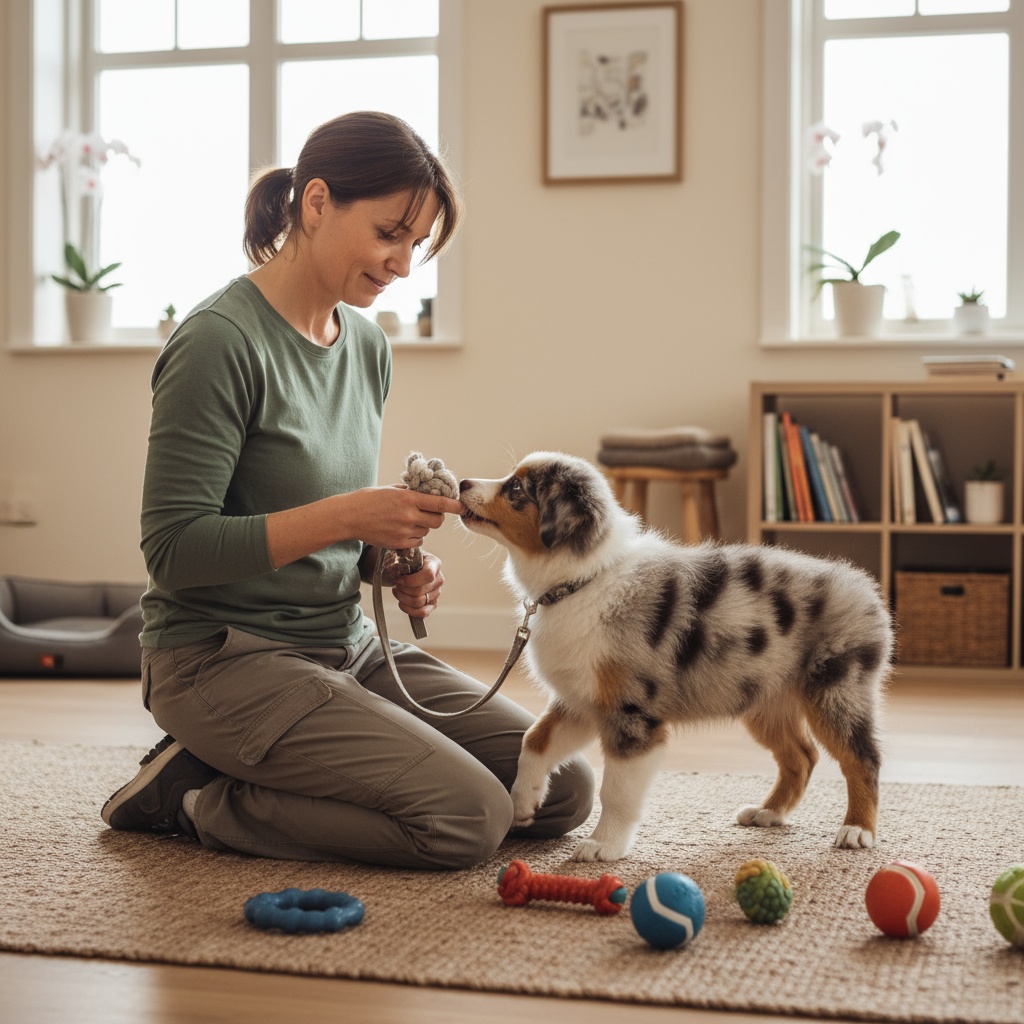
- Rope Toys: Great for tug and for puppies working out loose teeth.
- Treat Dispensing Balls: Keep those jaws busy AND reward gentle chewing.
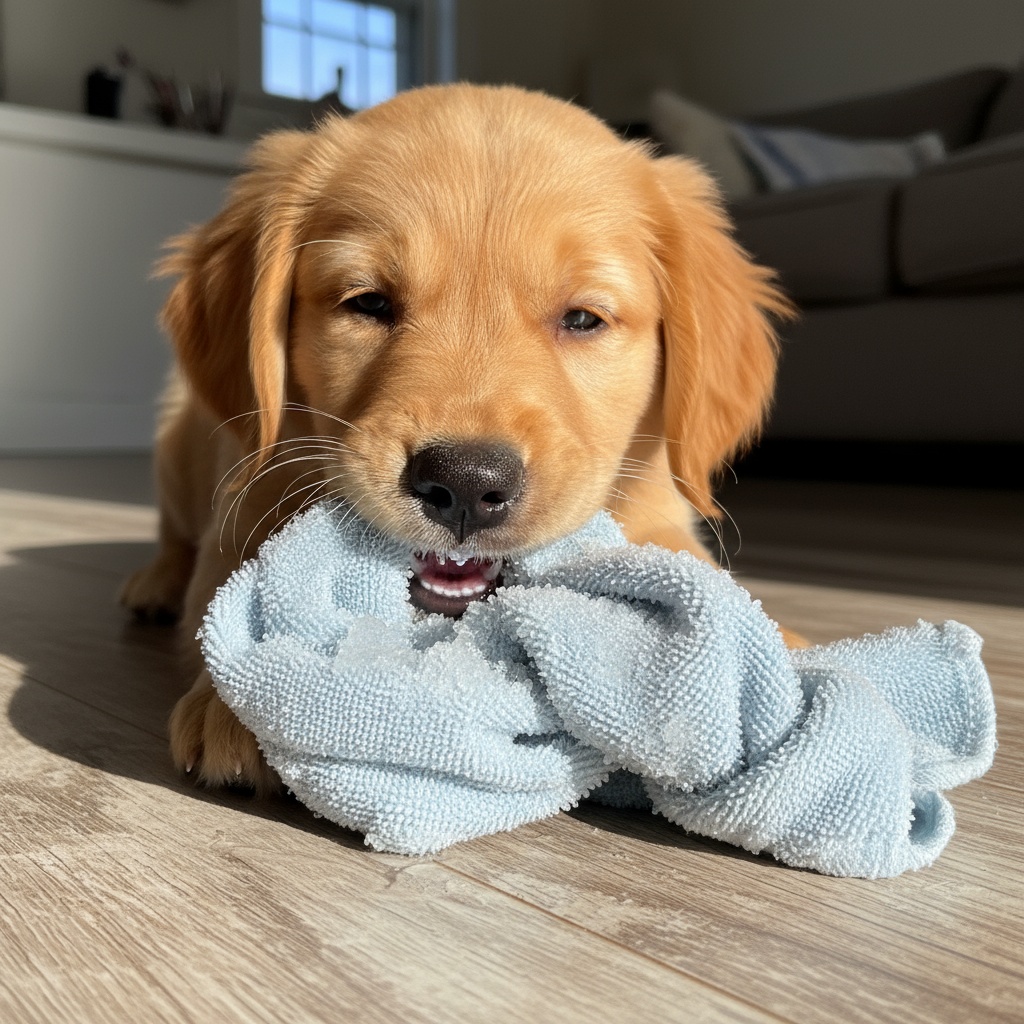
- Frozen Washcloths: Soaked, twisted, then popped in the freezer. Gives instant teething relief!
- Antlers/Bully Sticks: (If you use ‘em safely!) Super tough chews for serious gnawers.
Comparing Bitey Breeds: Some Are Mouthier Than Others!
Let’s be real for a sec—not all puppies bite at the same rate or intensity. If you’re worried and still wondering when do puppies stop biting specifically for your breed, check if your pup is in one of these wild groups:
- Retrievers: Labs and Goldens are born to mouth things. It’s in their DNA, but with good training, the biting fades (usually around 4-6 months).
- Herding Breeds: Collies, Aussies, and Corgis tend to bite ankles and chase. Work extra hard on impulse control games!
- Bull Breeds: Pits, Bulldogs, and Boxers can go from hard-mouthed to soft super quick with training, but ya gotta be consistent!
No matter what, all dogs can learn not to bite humans. Promise!
Frequently Asked Questions About Puppy Biting
- Is it normal for puppies to bite so much?
Absolutely! Up to six months, puppies use their mouths constantly. Totally normal (but not always fun for you!). - Should I punish my puppy for biting?
Nope. Punishment just makes things more stressful. Redirect and reward calm behavior instead. - What if nothing works?
It can take time. If biting isn’t improving by 6-7 months, book a session with a positive dog trainer. They’ll help you break through stubborn habits.
Biggest Mistakes Puppy Owners Make With Biting
- Inconsistent rules: Sometimes you let the pup bite, sometimes you yell? That’s super confusing for a baby dog!
- Wrestling games: Might seem fun, but they ramp up excitement and encourage more biting.
- Lack of toys: If you’re not offering enough chew outlets, your skin becomes the next best thing.
- Punishment: Scaring your puppy never teaches them HOW to be gentle—it just teaches them to hide from you.
Celebrate Progress: How Do You Know It’s Working?
- Your puppy starts choosing toys to chew instead of your hand.
- They stop biting as hard and try to mouth you gently.
- They react to yelps and time-outs faster and with less intensity.
- Play sessions get longer without anyone bleeding (always a good sign!)
Remember: every puppy is different. But most will leave the bitey stage behind by 6 months, especially with just a bit of training and loads of patience.
Final Thoughts: Hang In There!
Puppy biting can honestly feel NEVER-ENDING (and heckin’ exhausting), but it really does pass. Keep using redirection, be super consistent, and remember: your sweet, well-mannered adult dog is right around the corner. When do puppies stop biting? Most are done by six months, but you’re laying the groundwork for years of awesome, gentle dog moments ahead. Hang in there, give those toys a workout, and celebrate every little win along the way. And, hey, if you end up with a puppy that just LOVES to hold things in their mouth, at least you know where their heart (and teeth) are!