Alright, dog lovers, let’s get real for a sec. If you’ve ever been on the receiving end of a pup’s chomp, whether it’s your own fur baby or a dog you’re sitting for a mate, you know it ain’t fun. That first nip might be cute when they’re tiny, but those puppy teeth are sharp—ouch! Whether you’ve got a teething bundle of chaos or an adult dog with some pesky habits, training a dog not to bite is one of the most important things you’ll ever do as a dog owner. So buckle in, grab your treat pouch, and let’s dive into the world of canine manners.
Why Do Dogs Bite Anyway?
Ever wondered what actually goes on in your pup’s mind when those jaws close in? It’s not always aggression! Here’s a quick run-down of common reasons a dog might bite:
- Teething Pain: Puppies chew and bite to relieve discomfort (just like babies!).
- Play Behavior: Dogs naturally play with their mouths. It’s normal doggo stuff, but it needs tuning down.
- Fear or Stress: If a dog feels threatened, they might bite to defend themselves.
- Pain Responses: A sudden jab from a sore leg or ear infection can make even the gentlest pup snap.
- Lack of Socialization: Dogs who haven’t met lots of people and other animals may be unsure how to act.
The Three Golden Rules for Training a Dog Not to Bite
Look, when it comes to training a dog not to bite, there are a few simple guiding lights:
- Prevention is key (nip it in the bud early!)
- Consistency beats chaos (everyone’s got to play by the same rules, from Aunt Sally to the local dog walker!)
- Patience, seriously (no such thing as an overnight fix—sigh!)
The Step-by-Step Process: How to Train a Dog Not to Bite
You’re probably chomping (hah!) at the bit for some concrete steps. Let’s break down exactly what you need to do for training a dog not to bite—puppy or adult.
1. Start With Socialization
It’s nearly impossible to overstate how important early socialization is when training a dog not to bite. Socialization means getting your dog used to a ton of different people, sights, smells, and animals. That way, new experiences won’t seem so scary!
- Take your pup on walks around the neighborhood, to the park, dog-friendly stores, etc.
- Invite friendly, gentle people over. Show your dog that meeting new folks is awesome (hello, treats!).
- Let them sniff around and explore, always in a controlled, positive way.
If you’ve got a grown dog, don’t sweat it. Socialization still matters! Go slow and steady, rewarding calm, non-bitey behavior.
2. Teach Bite Inhibition
Dogs need to learn that humans aren’t made of metal.Training a dog not to bite is really about teaching bite inhibition: that gentle mouths are good, hard bites are bad news bears.
- Let pups play with their littermates. If one gets too rough, the other yelps and backs off—that’s important feedback!
- When playing with your dog, let out a sharp, “Ouch!” or “No!” if chomping happens. Stop play for a few seconds. Trust me, that’s boring for your dog, and they’ll learn to hold back.
- Reward gentle play and mouthiness with treats or more play.
3. Use the Power of Redirection
If your dog’s about to launch a sneak attack on your shoes (or your hand), you gotta redirect that energy pronto! Training a dog not to bite means teaching them what’s okay to chew and what’s off-limits.
- Keep a dog-safe chew toy or bone handy at all times.
- When teeth go for your skin, say “No,” then offer the toy instead (bonus points for praising when they chew the right stuff!).
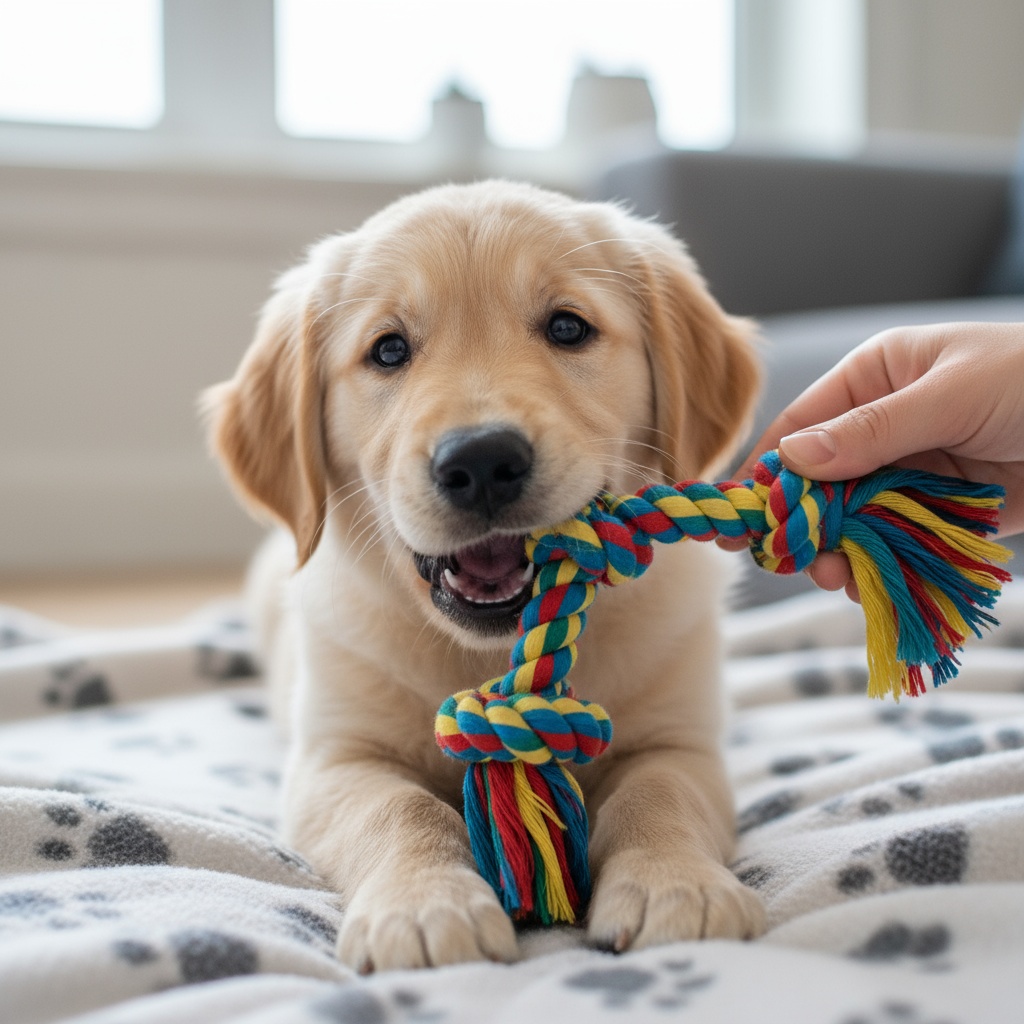
- Experiment with different textures—some pups love rope toys, others like rubbery ones.
4. Teach Basic Obedience Commands
People sleep on good old sit, stay, and leave it, but these basics are super important in training a dog not to bite. A dog focused on you and following commands is a dog who’s too busy to nip, you feel me?
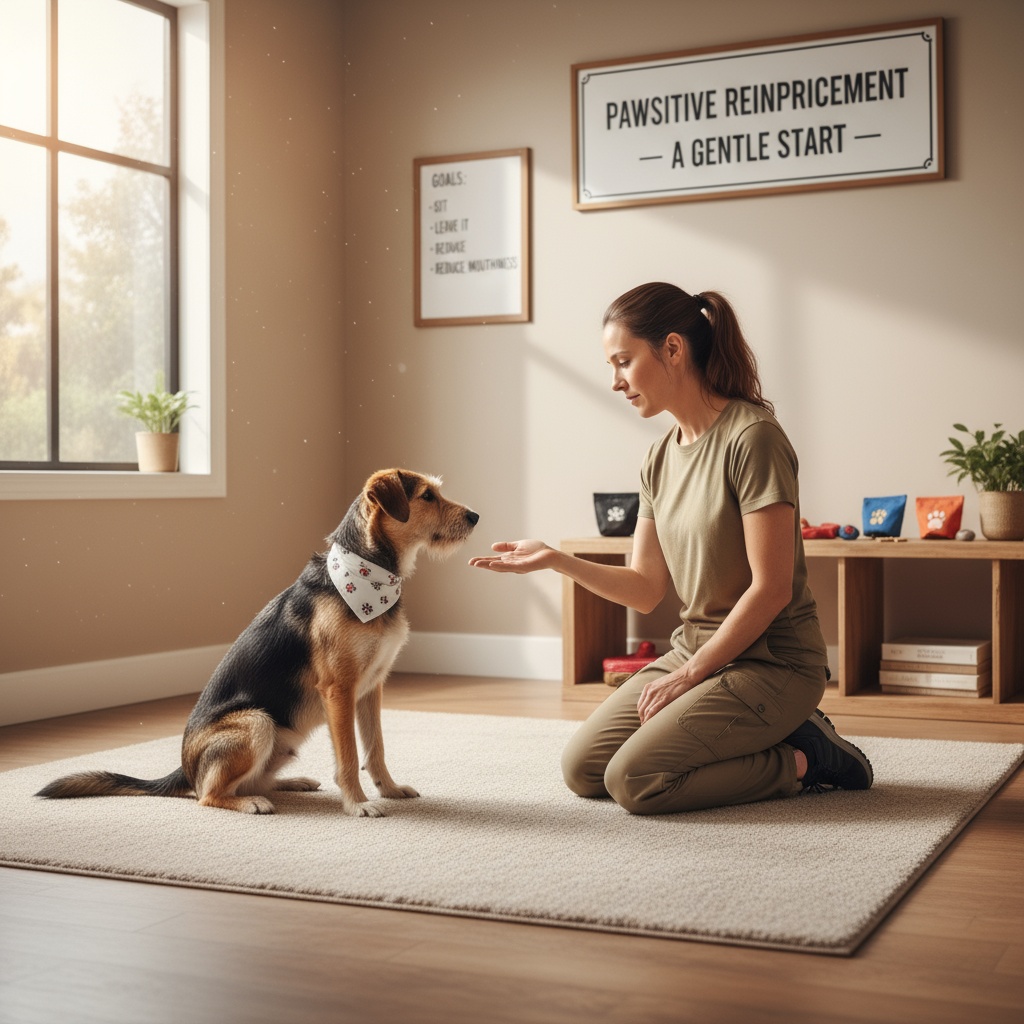
- Use positive reinforcement: treats, belly rubs, and that baby talk pups seem to adore.
- Consistency here is everything. Practice daily for short sessions.
- Work those commands into playtime and mealtime for maximum effect.
5. Manage the Environment
If you know when your dog gets nippy—like during play or when guests arrive—prepare ahead. Management is a part of training a dog not to bite, too! Remove triggers when you can, and keep playtime calm with loads of mental stimulation (puzzle toys, snuffle mats, or even teaching new tricks!).
6. Know When to Seek Professional Help
Sometimes, despite your best efforts at training a dog not to bite, your pup might still be struggling. It’s not your fault, and there’s no shame in ringing up a certified dog trainer or animal behaviorist. Look for pros with solid reviews and legit certifications—they’re worth their weight in treats!
What NOT to Do When Training a Dog Not to Bite
This part’s mega important, so listen up. Old-school, harsh training methods are a big no-no! Never:
- Hit or shout at your dog (just creates more fear and more bites!)
- Hold their mouth shut (confusing and stressful for pups)
- Rub their nose in anything (seriously, don’t)
- Punish after the fact (dogs live in the moment; they won’t connect the punishment with past behavior)
Positive reinforcement works wonders. Trust me, you’ll get further with treats and patience than with yelling.
Special Tips for Puppies
Puppy teeth are relentless. If you’re knee-deep in the puppy phase, training a dog not to bite is about riding out the storm with a bit of style (and lots of patience). Here’s a quick guide:
- Schedule loads of short, supervised play sessions.
- Stock up on chews and rotate them often to keep things exciting.
- Practice “gentle” cues, rewarding soft mouths with treats.
- Have all family members on the same page: no rough wrestling that encourages biting!
Tips for Older Dogs or Rescue Dogs
So, you rescued an older dog and, um, they came with some bitey tendencies. No worries! Training a dog not to bite at any age is possible with a bit of extra TLC:
- Go slow. Don’t force your new buddy into scary situations.
- Identify and manage triggers: loud noises, quick movements, or unfamiliar folks.
- Shower them with praise for calm behavior; ignore (but don’t punish) unwanted nibbles.
- Never hesitate to bring in a pro for extra support.
How to Prevent Biting Situations
Half the battle with training a dog not to bite is NOT letting bad habits develop in the first place. Prevent problem moments:
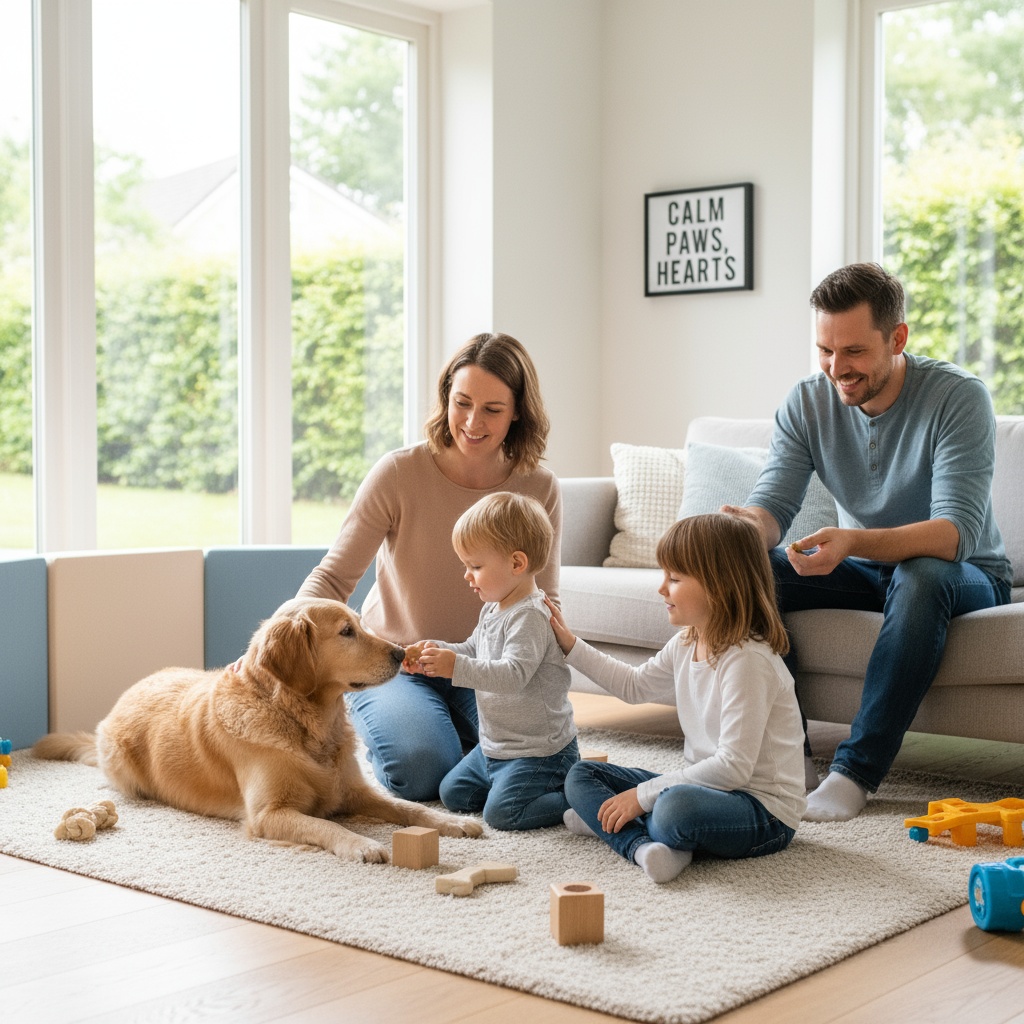
- Teach kids to be gentle: no ear-pulling or sitting on the dog (yes, that happens!).
- Supervise all interactions, especially with other pets and children.
- Give your dog a “safe zone” like a crate or bed, and teach everyone to let them be when they’re chilling.
- Watch for warning signs: growling, baring teeth, stiff posture—these mean “back off”.
Rewarding Success
Celebrate the wins! Every time your furry mate chooses NOT to bite, break out a treat, offer loads of praise, or bust out their favorite squeaky toy. Make the right behaviors super rewarding, so your dog gets with the vibe you’re after when training a dog not to bite.
FAQs About Training a Dog Not to Bite
Q: How long does it take to train a dog not to bite?
A: Honest answer? It depends! Some pups get it in weeks, some adults need a few months. The more consistent you are with training a dog not to bite, the faster it’ll click.
Q: Is it ever too late for training a dog not to bite?
A: Nope, it’s never too late! It may take a bit longer with older or rescue dogs, but learning happens at all ages.
Q: What if my dog bites out of nowhere?
A: Sudden aggression can be a sign of pain or illness, so get your vet to rule out medical problems ASAP. After that, team up with a trainer.
Wrap-Up: Don’t Wait—Start Training a Dog Not to Bite Today!
If you’re reading this and thinking you’ve got a long road ahead—don’t sweat it. Every time you choose to focus on training a dog not to bite, you’re making things safer, happier, and less stressful for everyone (including your dog!).
Take it one day at a time. Be patient, keep your sense of humor, high-five your dog for the good stuff, and remember: You got this! Need a hand? Dog trainers and behaviorists are just a call away. The sooner you start training a dog not to bite, the sooner you can say goodbye to those not-so-cute nibbles for good. Good luck and happy training, mates!