Let’s get real—having a pup that bites is more than just a lil’ embarrassing at the dog park. Whether it’s those adorable puppy nibbles turning into not-so-cute chomps or a grown dog getting snappy, bites can be a major buzzkill for you and your best furry pal. So, you’re here because you want to know how to teach dog not to bite—and you want it to freakin’ work. Good news: you’re in the perfect place! In this in-depth guide packed with real talk, step-by-step tips, and some lighthearted stories (mixed with my own dog-training goofs), you’ll discover exactly how to nix the nibbles for good.

Understanding Why Dogs Bite First
Before you go all-in on correcting biting, it’s seriously important to get why bites happen. Dogs, especially puppies, use their mouths like we use our hands—to explore their world, play, communicate, and sometimes even to test limits (yeah, just like toddlers stickin’ everything in their mouth). To teach dog not to bite, understanding motivation is half the battle, my friend!
Main Reasons Dogs Bite
- Teething: Puppies bite more when new teeth are coming in. Their gums itch, and they’ll chew on anything—your fingers included.
- Overstimulation: Dogs can get hyped during play. If your game gets too wild, some dogs forget their manners.
- Fear or Anxiety: A stressed out dog may nip to protect itself.
- Poor Socialization: Dogs that haven’t learned social rules may not know biting is a no-no.
- Resource Guarding: Some dogs bite to protect food, toys, or even people.
Understanding these triggers will seriously power up your ability to teach dog not to bite. If you spot the ‘why,’ you can nix that behavior way faster.
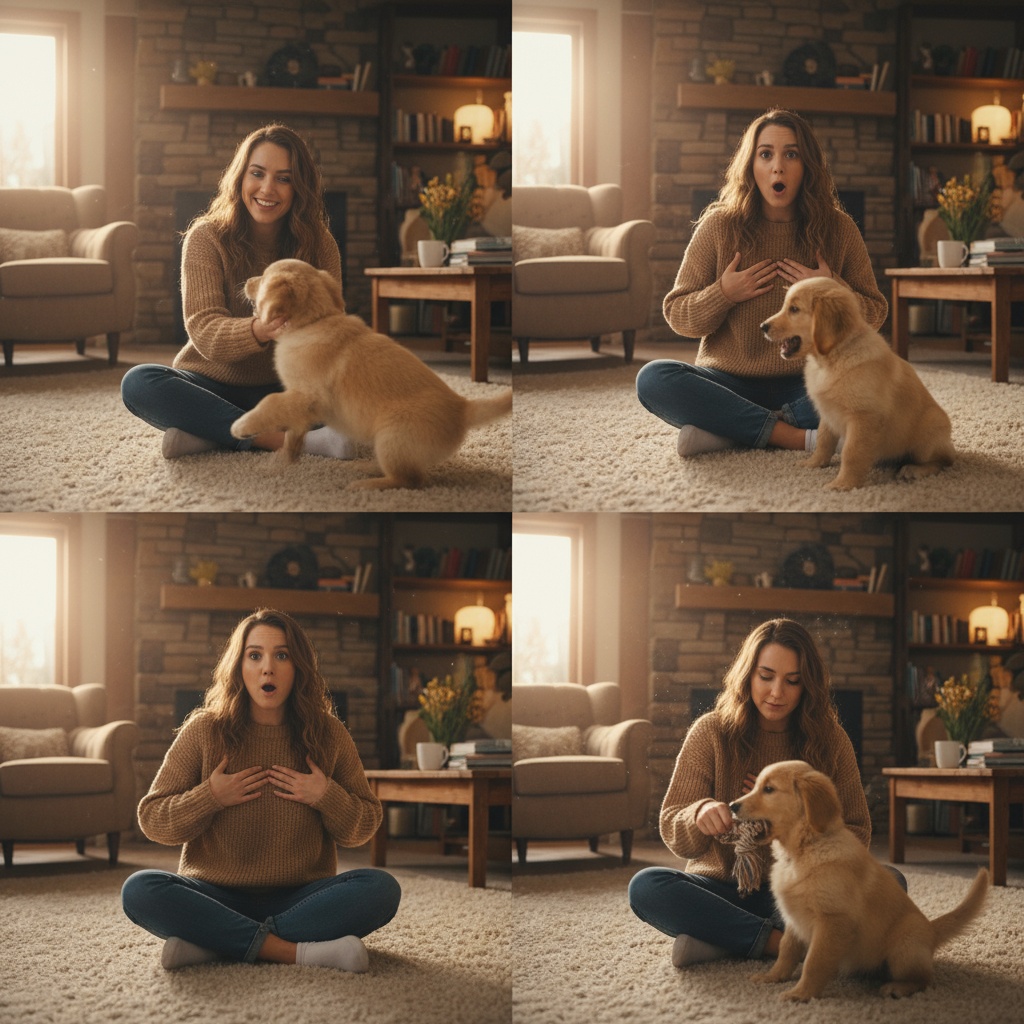
Puppies vs. Adult Dogs—Biting Solutions
Let’s break it down, ’cause age matters! Teaching a boisterous puppy not to bite is different from breaking the biting habit in a grown-up pooch.
How to Teach Pup Not to Bite
- Yelp Like A Puppy: Pups learn boundaries from their littermates—if one bites too hard, the other yelps and play stops. Mimic this by giving a high-pitched “Ouch!” when they bite.
- Redirect to a Toy: Always keep chew toys handy. If your puppy bites you, calmly put a toy in their mouth instead.
- Stop Play: When your puppy gets too rough, end playtime immediately. This teaches ‘bite = no fun.’
- Positive Reinforcement: Reward your puppy with treats or praise when they play gently.
Addressing Adult Dog Biting
- Identify the Trigger: Is it certain people, situations, or objects? Pinpoint what sets them off.
- Desensitize and Counter-Condition: Gradually expose your dog to triggers at a distance, pairing with treats. Increase closeness as your dog remains calm.
- Consistency Is Key: Always respond the same way to bites. Inconsistency confuses your dog.
- Seek Professional Help: If the biting is fierce or unpredictable, a dog trainer or behaviorist is your best bet.
Step-by-Step Tips To Teach Dog Not To Bite
Alright, let’s get rollin’ with direct-action steps! These methods work for pretty much every dog, no matter the breed or age. Here’s how you teach dog not to bite—with a dash of patience and a heap of love.
1. Socialization Is Your Secret Weapon
Dogs who meet lots of people, pets, and experience new environments are way less likely to become nippy. Start socializing puppies before they’re 16 weeks, but older dogs can learn too. Arrange supervised playdates, walks at busier parks, and positive meet-and-greets with new faces.
2. The Bite Inhibition Game
Bite inhibition means teaching your dog to control the force of their mouth. Here’s how you can show them:
- When your dog starts to mouth you, watch for pressure. If it hurts, stop play immediately and ignore your dog for 20–30 seconds.
- Repeat as needed—dogs are wicked quick learners when their fun gets paused.
- Gradually, only respond to softer and softer bites, not just hard ones. You want ’em to learn that teeth on human skin = playtime shut down.
3. Chew Toy Central
Biting is natural, so provide legal chewing outlets:
- Use textured toys, chew ropes, and rubber bones
- Rotate toys to keep things interesting
- Smear a dab of peanut butter for extra fun (make sure it’s xylitol-free!)
4. Train Calm and Focused Behaviors
Nosedive into basic obedience commands like ‘sit,’ ‘stay,’ and ‘leave it’. Dogs that listen and focus on you are less likely to bite in the first place. Plus, you’re setting up a communication game plan for every situation. Using treats and praise, ask for an alternative behavior when your dog looks about to bite.

5. Manage Triggers and Prevent Escalation
If your dog gets snappy around certain things (like kids, skateboards, or while eating), manage those scenarios with:
- Baby gates
- Leashes
- Supervised interaction
Management isn’t forever, but it prevents accidents while you work on training. Remember, safety’s a big deal!
What NOT To Do (Seriously, Don’t!)
Never use physical punishment, yelling, or intimidation when aiming to teach dog not to bite. These strategies not only fail—they can totally break the trust between you and your pup. Plus, they risk turning a mouthy dog into an aggressive one. Stick with guidance, consistency, and positive vibes.
Bonus: Games That Help Teach Dog Not To Bite
Turning learning into a game is hella fun and super effective. Try these lil’ tricks to keep your training lighthearted:
- Find It: Toss treats on the ground and have your dog sniff them out. Gently hand them a treat, rewarding a soft mouth.
- Gentle Command: Hold a treat in your palm and close your hand if your dog goes to nip. Only reward when they use a soft touch or lick.
- Swap and Switch: If your pup bites a hand during play, instantly trade your hand for a toy and keep the party going with the toy instead.
Common Mistakes When Trying to Teach Dog Not To Bite
We’ve all been there—here’s what to watch out for, so you don‘t stumble like I did:
- Letting Kids Get Rough: Kids can hype up puppies way quick. Supervise all playtime and teach gentle interaction.
- Reinforcing Biting: Accidentally pulling your hand away fast can turn you into a fun, moving target. Stay calm and still if a bite happens, then redirect.
- Skipping Socialization: Isolating your dog out of fear can backfire—get them out learning what’s cool and what’s not.
When Should You Worry About Dog Bites?
Here’s the honest truth: some bites are serious biz. If your dog is:
- Biting aggressively or drawing blood
- Growling, snarling, and showing teeth as a warning
- Guarding resources intensely and charging at people
Then it’s time for legit professional help. Certified dog trainers and animal behaviorists work miracles every day confronting biting problems. Plus, the sooner you act, the better.
Consistency and Patience—The Real Secret Sauce
Don’t get discouraged! Even pro trainers mess up sometimes (trust me, ask about the time my border collie chewed up three pairs of slippers before I stopped leaving them out—oops). Training is a marathon, not a sprint. Celebrate the small wins. If your dog uses teeth less today than yesterday, you’re CRUSHING it!
FAQs: Everything You Need to Know to Teach Dog Not To Bite
- Is it normal for puppies to bite? Yup. It’s natural and part of learning. But you definitely wanna teach those boundaries young.
- Will my dog grow out of biting? Sometimes, but many don’t unless you actively teach them not to. Don’t leave it to chance.
- What happens if I ignore biting? Dog might keep at it and even escalate. Jump in early with positive methods for best results.
Final Thoughts: You Got This!
Biting is a common issue, but it’s 100% fixable with patience and the right techniques. By using positive reinforcement, socializing your dog often, providing the right chew toys, and correcting biting gently—but consistently—you’ll teach dog not to bite and enjoy a safer, happier relationship for years (whew, right?).
If you run into stubborn roadblocks, don’t hesitate to reach out to a pro. There’s zero shame in getting backup! Your fur friend will thank you—and so will your fingers. Now get out there and enjoy your bite-free best buddy!