Let’s be real—puppy chewing can turn your home into utter chaos, leaving you feeling straight-up desperate as your new furball shreds everything in sight. If you’ve ever walked into a room and found your favorite sneakers in pieces or those expensive couch cushions gnawed to the stuffing, you know exactly what I mean. But here’s the good news: puppy chewing isn’t just a phase you gotta suffer through. With the right strategy and a little patience, you can totally flip the script and turn this wild behavior into a learning win for both you and your pup.
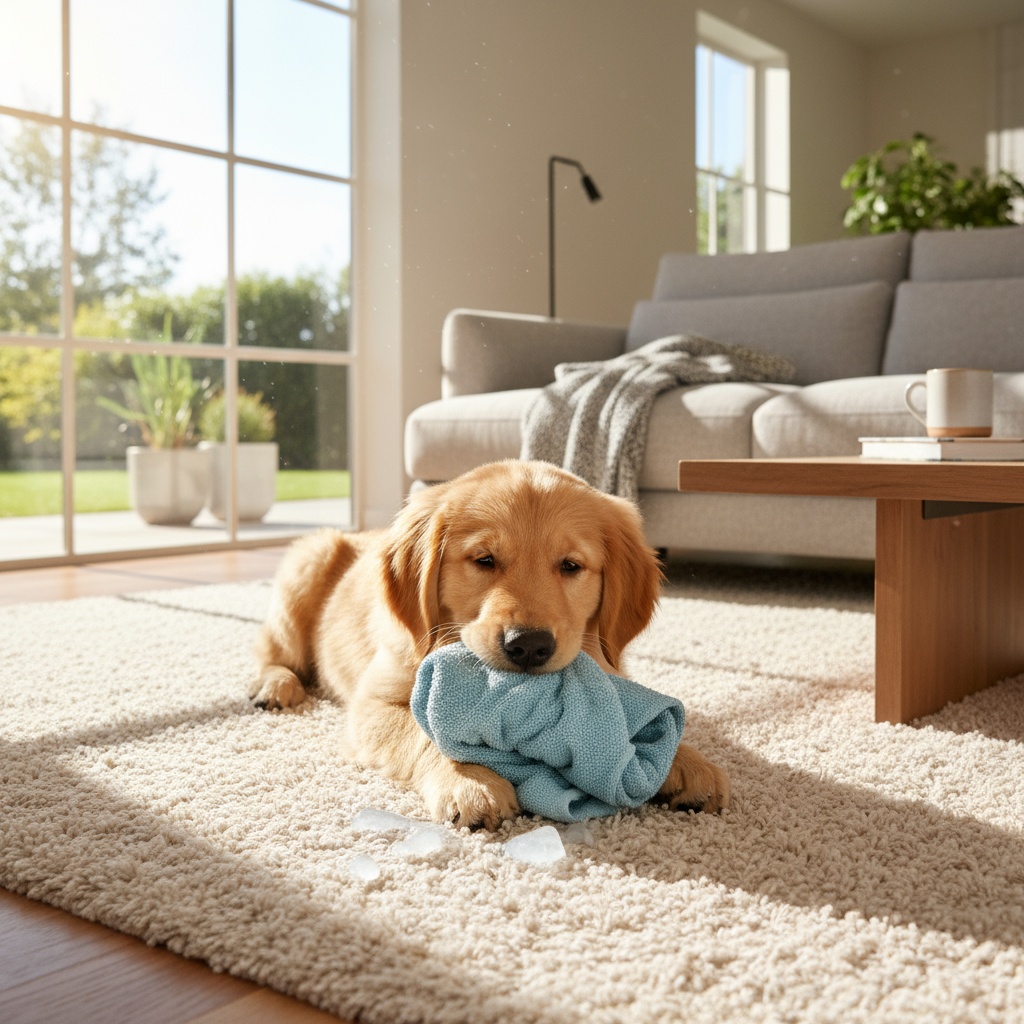
Why Puppies Chew (And Why It’s Totally Normal)
To get a handle on puppy chewing, it’s super important to first understand why your pup is all about that ‘chew life’ in the first place. Puppies, just like human babies, explore their world using their mouths—so chewing is natural for them. But there’s more to it than just curiosity.
- Teething Woes: Just like us, those lil’ pups have baby teeth, and when they start falling out and their adult teeth come in, it can get pretty uncomfortable. Puppy chewing helps relieve teething pain.
- Boredom: Puppies have bundles of energy and little patience for sitting around. Chewing gives them something to do and keeps that wild energy in check.
- Exploration: Let’s face it, noses and mouths are ‘Google’ for puppies. They want to taste and feel everything around them, from your slippers to their toys.
- Anxiety: Chewing can be soothing and may help puppies cope with stress or being separated from their people.
So, when your puppy is chewing (even if it’s on totally the wrong thing!), remember they’re not trying to be ‘naughty’. Puppy chewing is how they learn—your job is teaching them what’s pawsome to chew…and what’s not!
Recognizing Normal vs. Problematic Puppy Chewing
Puppy chewing hits every new dog owner, but not all chewing is created equal. Here’s how to tell the difference between normal and problem chewing:
- Normal Puppy Chewing: Happens during playtime, is often targeted at toys or objects you left around, and generally peaks between 3–6 months when teething is at its worst.
- Problem Puppy Chewing: Is obsessive, happens when you’re gone, results in destruction of furniture or dangerous items, or your puppy chews on everything in sight—even after the teething phase should be winding down.
If chewing is causing injury, destructive levels of damage, or lasting into the dog’s adult years, you gotta take action ASAP!
Top Causes of Excessive Puppy Chewing
Even the chillest, most experienced dog people can get tripped up by a relentless chewer. What really triggers out-of-control puppy chewing? Let’s dig deeper:
- Teething Pain: Sore gums make puppies desperate for relief, so they gnaw on anything they can find.
- Lack of Stimulation: A bored puppy is a chewing puppy. Not enough play or mental games makes your stuff irresistible.
- Separation Anxiety: If your little guy freaks out when left alone, destructive puppy chewing is often how they act out that stress.
- No Boundaries: If puppies aren’t shown what’s okay to chew and what isn’t, they just improvise—often badly!
- Poor Nutrition: Sometimes, puppies lacking certain nutrients start chewing weird stuff like rocks or wood.
Preparing Your Home (And Your Mind!) for Puppy Chewing
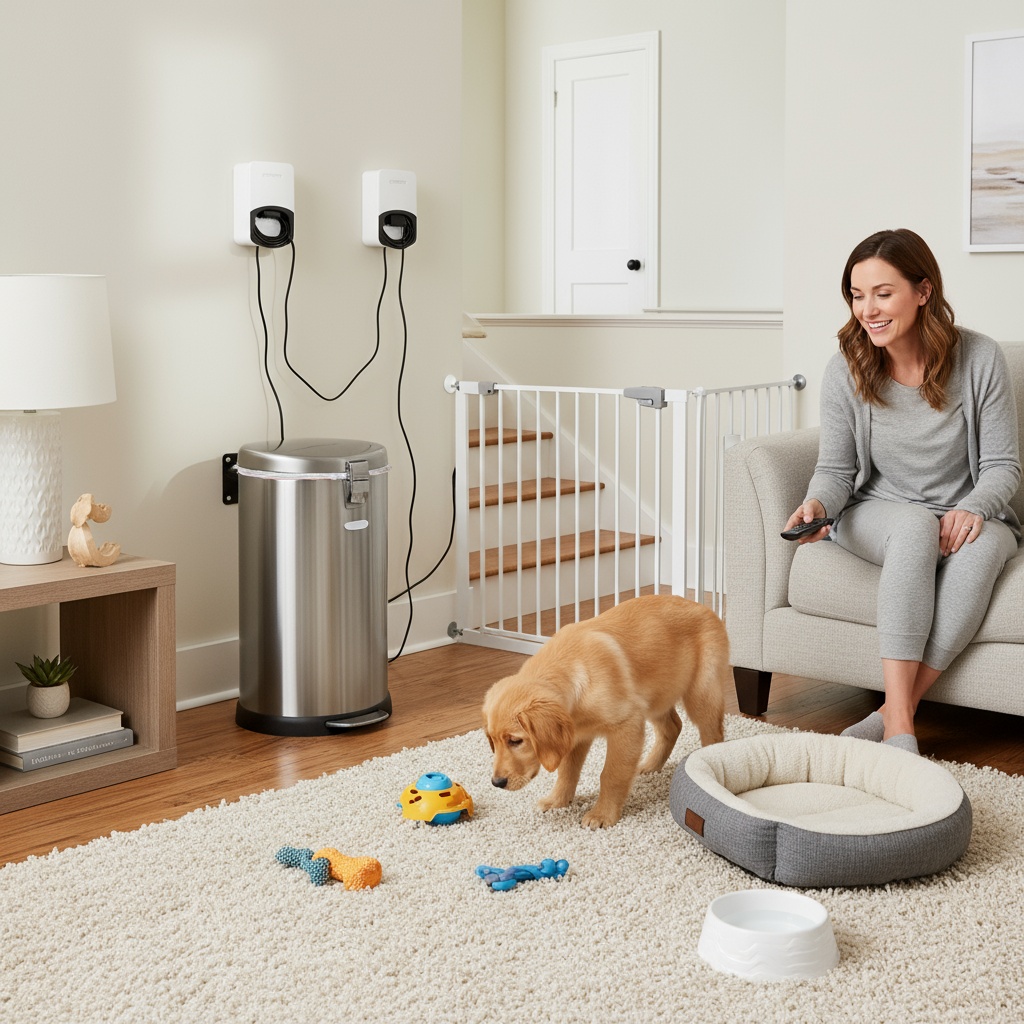
News flash: Prevention is your best friend. Before your pup comes home, puppy-proofing is a must for stopping chewing disasters before they happen. Here’s where to start:
- Hide Electrical Cords: Puppies love to chew cables. Use cord protectors or tape them outta view.
- Secure Trash Bins: Puppy chewing loves stinky garbage. Keep lids tight and trash out of reach.
- Pick Up Small or Dangerous Items: Remote controls, socks, jewelry, coins, or meds? Store them higher than puppy height.
- Provide Safe, Yummy Chews: Stock up on puppy-safe chew toys! More on this in a sec.
- Block Off “Forbidden Zones”: Baby gates are gold for keeping your puppy out of rooms full of chewable temptations.
Choosing Safe Chew Toys for Puppies
Ready to channel all that chewing energy into something positive? The right chew toys are game changers. But not every toy is up to the task, especially for heavy puppy chewing. So what should you look for?
- Durability: Hard rubber toys like KONGs or Nylabone puppy chews hold up to gnawing. Avoid super-soft toys that tear up easy.
- Bite Size: Make sure toys aren’t so small your puppy can swallow them, but not so big they can’t bite.
- Texture Variety: Puppies love different textures, so rubber, rope, and treat-filled toys are all favorites.
- Flavor: Some toys are flavored to make them extra-appealing. Chicken, beef, and peanut butter are classics.
Rotate a variety of chew toys so puppy chewing doesn’t get bland or stale. And always supervise—no chew toy is indestructible!
Training Your Puppy to Chew the Right Things
Let’s get real: puppies do not come programmed knowing what’s “chew OK” and what’s “off-limits.” The key to controlling puppy chewing is clear, consistent redirection, drawing from our dog training basics guide. Here’s the process that works (without losing your mind!):
- Caught in the Act? Redirect Fast: When you see inappropriate puppy chewing, calmly take away the item and offer a chew-acceptable toy instead. Praise your pup when they use it.
- Rewards, Not Punishments: Shouting or smacking doesn’t work and just makes your pup scared. Reward good chewing instead: treats, praise, or extra playtime are all power moves.
- Limit Access: New puppies should only be where you can supervise, so you stop issues before they start.
Yeah, you’ll have to be a broken record for a while. But that consistency will pay off! Remember: every chewing mistake is a learning opportunity—for both of you.
Providing Enough Exercise and Enrichment
You probably don’t want to hear it, but a tired puppy is a well-behaved puppy. If your dog’s spent energy on play and mental games, they’re way less likely to go crazy chewing up your stuff. Some quick wins to fight boredom & excessive puppy chewing:
- Daily Walks: Even tiny breeds need short, regular walks.
- Training Sessions: Teach simple tricks or practice basic commands. This tires puppies out mentally!
- Playdates: Socializing with other pups burns off loads of energy.
- Puzzle Toys: Treat-dispensing toys work their lil’ brains and keep them happily distracted.
Handling Teething Time: Puppy Chewing Overload!
The teething phase is intense—first baby teeth fall out, then adult teeth push through, making gums super sore. Here’s what can really help:
- Frozen Wet Washcloth: Wet a washcloth, twist it up, freeze, and let your puppy gnaw on it for cool relief during teething.
- Freezable Chew Toys: Some puppy chew toys can go right in the freezer. The cold soothes sore gums.
- Chew On, Not Off-Limit Stuff! Keep shoes, socks, and other ‘chew-bait’ out of reach during this super bitey time.
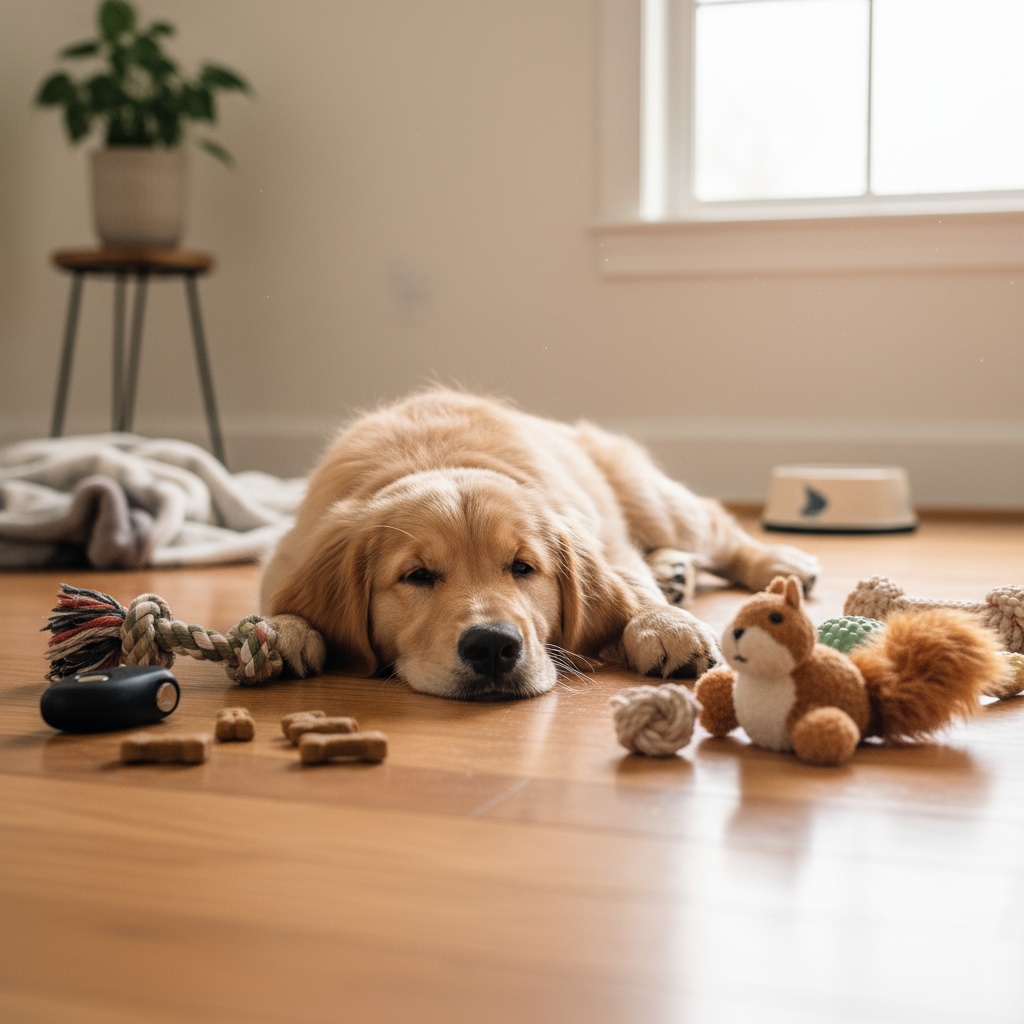
What To Avoid With Puppy Chewing
Trust me on this—trying quick fixes like bitter sprays or yelling will only frustrate both you and your furball. Here’s what NOT to do when fighting puppy chewing battles:
- No Yelling or Physical Punishment: This just creates fear and can make chewing worse.
- Don’t Offer Old Shoes or Socks: Puppies can’t tell a ‘junk’ shoe from your prized Nikes—stay consistent!
- Never Leave Dangerous Stuff Out: Electric cords, cleaning supplies, or foods like chocolate are all big NOs.
- Don’t Give Up if Chewing Persists: Some dogs chew longer than others—keep at the training and redirection.
Puppy Chewing and Separation Anxiety
If your dog matches up toy destruction with your leaving, you might be dealing with separation anxiety chewing. You gotta handle the anxiety and the chewing. Some solutions:
- Short Absences: Practice short separations and slowly build up. Always return with a calm vibe.
- Safe Space: Create a cozy crate or playpen with safe chew toys for their ‘alone time’ training.
- Background Sound: Soft music or TV can help some anxious puppies feel less lonely.
- Leave and Return Calmly: Big fusses make absences more stressful. Keep it chill.
How Long Does Puppy Chewing Last?
Most puppy chewing peaks between 3–6 months, but honestly, every dog is different. Some will chill out by 6 to 8 months, while strong chewers or working breeds could keep the chewing streak going until 1 year old (or even longer!). The earlier you get on top of training, the sooner it fades!
Signs Your Puppy Is Chewing Out of Stress
If your dog is chewing all day and night, check for these stress signals—puppy chewing ain’t always just boredom!
- Excessive Drooling or Panting: Could mean teething pain or anxiety.
- Whining or Crying: If they get vocal and start gnawing at doors, it’s probably stress chewing.
- Destruction When Alone: Textbook sign of separation anxiety. Puppies need comfort and company too!
Vet Check: When Puppy Chewing Is Serious
Once in a blue moon, puppy chewing is driven by dental issues, nutritional problems, or even obsessive-compulsive tendencies. If your pup suddenly starts chewing way more than usual or chews stuff like rocks, dirt, or wood, hit up your vet. And if chewing leads to bleeding gums or broken teeth, don’t delay!
The Ultimate Daily Routine to Curb Puppy Chewing
Living that ‘puppy chewing battle’ life? Here’s a sample daily routine you can use that’ll keep you both sane and your stuff safe:
- Morning: Potty break, breakfast, short walk, 10 minutes of play, and a safe chew toy when you can’t supervise.
- Lunch: Training session (sit, stay, come), puzzle toy for mental stimulation, supervised play. Always swap chew toys to keep stuff fresh.
- Afternoon: Potty, play, and more supervised time in the house or yard. Redirect any sneaky chewing the second you see it.
- Evening: Family hangout time, chew toys for quiet time, and always pick up ‘forbidden’ stuff before bed.
Real-Life Success Stories: Puppy Chewing Turnaround
Still feeling like a lost cause? You’re not alone—every new puppy parent has a crazy chewing story. Like Sarah, whose golden retriever “Chewie” (of course that’s his name) destroyed three shoes in one week. One month of consistent redirection and puzzle toys and Chewie now goes nuts for his frozen KONG instead of Dad’s shoes.
Or the Johnson family, whose border collie puppers chewed door frames daily. After upping their daily walk game and adding interactive feeding, the out-of-control puppy chewing slowly faded until no more home repairs were needed.
It just takes some grit, patience, and the right know-how—totally doable, right?
Conclusion: You Got This (And Your Stuff Will Survive!)
Puppy chewing is straight-up one of the wildest parts of new dog parenthood, but it is conquerable. Keep your energy positive, your boundaries clear, and your stash of chew toys overflowing. And hey, don’t beat yourself up—it’s a learning process. Remember, every chewed-up shoe is just a lesson on the way to a calm, happy, and well-mannered adult dog. Consistency, kindness, and patience—that’s the real secret sauce to beating the puppy chewing blues!