So you just brought home your adorable puppy and—ouch! Those tiny teeth sure are sharp, huh? Puppy biting is cute for, like, two seconds, and then it’s just not. Maybe you’re asking yourself, “Is it normal for a puppy to bite this much?” Short answer: heck yes. But here’s the good part: you can totally win the battle against puppy biting with the right knowledge and techniques (and a lil’ patience, obvs). This guide is your no-fluff, real talk path to raising a well-mannered puppy who keeps those teeth to themselves.
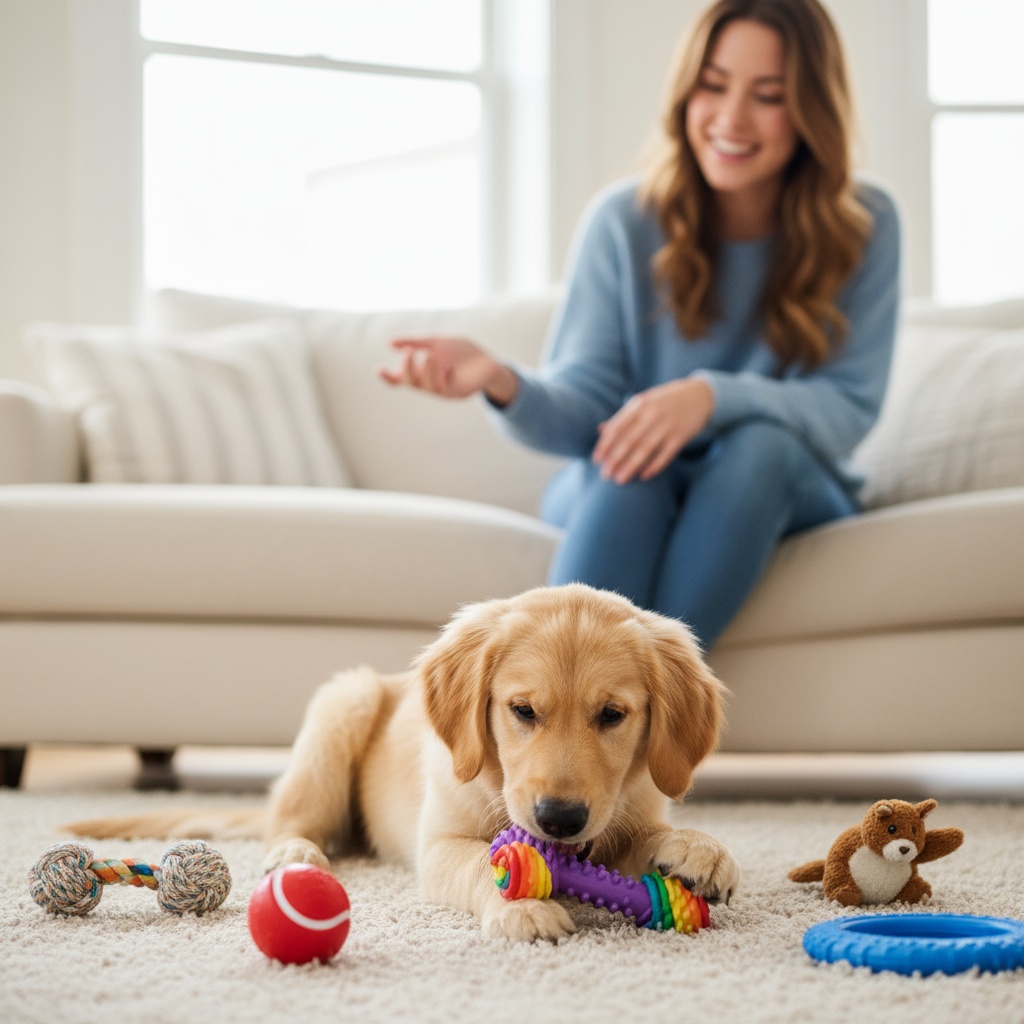
Understanding Puppy Biting: Why Do Puppies Bite?
Puppy biting doesn’t mean your doggo is aggressive or plotting world domination. It’s a totally normal, healthy behavior—when puppies are growing, they use their mouths to explore, play, self-soothe while teething, and learn boundaries. Still, that doesn’t make your fingers (or ankles) feel better when they’re being gnawed on. Below are the main reasons behind puppy biting:
- Teething Pain: Those little chompers are coming in, and pups bite to relieve discomfort.
- Play: Puppies play with siblings using their mouths. They don’t realize our skin isn’t as tough as their littermates’ fur.
- Exploration: Your pup’s mouth is their main tool to check out new stuff.
- Lack of Boundaries: Puppies haven’t learned bite inhibition—they don’t realize when they’re biting too hard.
When Puppy Biting Is a Problem
Yeah, almost all puppies bite, but when is it more than just a quirky phase? Here are some signs puppy biting could be heading into trouble territory:
- Your puppy gets wild-eyed, bites hard, and seems like they can’t calm down even after a break.
- Biting isn’t getting better or seems to be getting worse after a few weeks.
- There’s growling, lunging, or puppy seems seriously mad—not just playful.
- Other pets or kids in the house are getting nipped way too often, and it’s not just quick mouthing.
Got any of the above? It’s a good time to chat with a pro dog trainer. But for MOST cases, regular puppy biting is 100% trainable at home!
Puppy Biting vs. Aggression
Let’s clear this up: puppy biting does not mean your dog will turn out mean. Real aggression is very rare in puppies. True aggression looks different—it usually comes with stiff body language, a hard stare, snarling, and biting with intent to harm. Playful or teething-related puppy biting? That’s a classic learning phase, not a character flaw.
How Long Does the Puppy Biting Phase Last?
You’re probably wondering, “will my puppy stop biting soon?!” Typically, puppy biting peaks around 12 weeks and starts fading out by 5-6 months, especially with the right training. If you keep using the strategies in this article, most pups are super gentle by their first birthday. But don’t worry if you still get the odd nip—consistency is key.
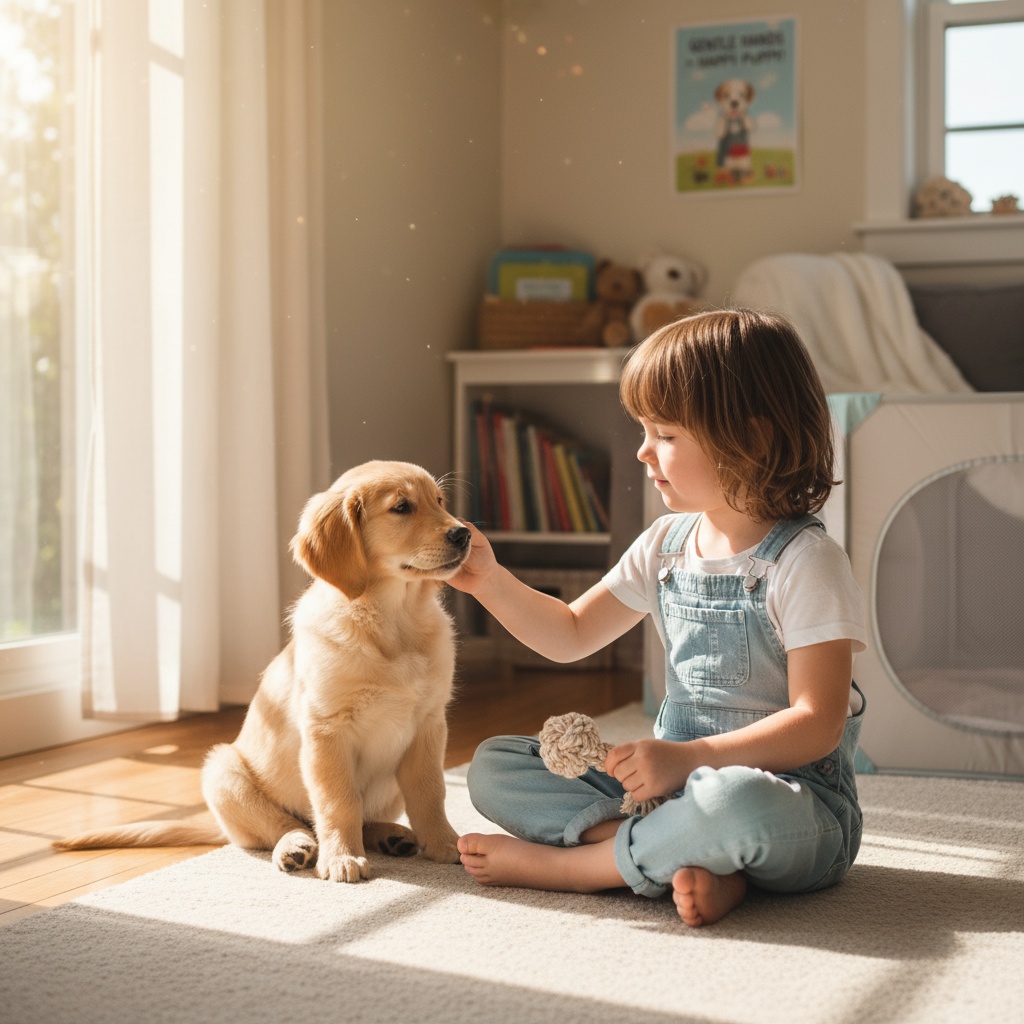
What NOT to Do About Puppy Biting
Before we get to the juicy solutions, let’s chat about some stuff you shouldn’t do:
- Don’t hit, smack or yell at your puppy: That just scares them, which can hurt your bond and make biting worse.
- No “alpha rolls” or harsh discipline: Totally outdated and can create serious fear.
- Avoid grabbing their snout or shoving fingers in their mouth: Not only is it unpleasant for puppies, but it can totally backfire and teach them to guard or snap.
- Don’t try to “bite back”: This method is confusing for a puppy and does not work!
How to Stop Puppy Biting: Positive, Proven Strategies
Tired of wearing Band-aids on your fingers? Here’s the gold: proven, reward-based ways to stop puppy biting in its tracks (that actually work, no gimmicks):
1. Teach Bite Inhibition
Bite inhibition just means teaching your puppy how hard is too hard when playing with humans. Here’s how to nail it:
- When your puppy bites too hard, let out a sharp, but not scary ‘OUCH!’ or ‘YIPE!’
- Let your hand go limp.
- Pause play for 10 to 20 seconds (stand up and ignore your pup or calmly leave the area).
- Once your pup is calm, resume play—as long as they use a softer mouth.
- Repeat—every single time. Consistency is the secret sauce for puppy biting rehab.
Puppies learn from littermates that hard play stops play. If you’re steady, your puppy will figure out, “If I chomp, the fun ends.” That’s a lesson they won’t forget.
2. Redirect With Toys
Got a bitey puppy? Channel those jaws onto something safer:
- Whenever puppy biting kicks in, quickly swap your hand for a sturdy chew toy, rope, or puppy-friendly plush.
- Keep a toy in your pocket so you can react fast.
- Rotate toys so your buddy doesn’t get bored—variety is clutch for teething puppies.
- Praise your pup like crazy when they chew a toy instead of your skin.
3. Use Time-outs (But Not Too Many)
If your furball ignores the ouch + toy swap combo, a short time-out is totally fair. Here’s how:
- No yelling, no drama.
- Just calmly pop your puppy behind a baby gate, in a safe puppy-proofed area, or walk away for 30-60 seconds.
- Stay chill! Don’t forget to reward chill behavior when you reunite.
Don’t let time-outs become a constant—use them alongside teaching bite inhibition and redirection for best results.
4. Reward Calm Behaviors
If your puppy sits politely or chews on their toy instead of gnawing on you, throw a party (ok, not literally). Instant praise or a treat shows your puppy what TO do—which is, y’know, not being a little land-shark.
5. Give Your Puppy Enough Exercise (Mental Too!)
Bored or pent-up puppies are pro nibblers. If you up the exercise, you’ll down the biting. Puppies need exercise for their age and breed, plus plenty of enrichment like:
- Puzzle toys or snuffle mats
- Short training sessions
- Sniff walks that wear ‘em out
6. Don’t Roughhouse With Hands
Yeah, it’s hella cute when puppies pounce and chew your hands, but it literally teaches them hands = toys. Stick to tug ropes and toys for wild play sessions and avoid hands-on wrestling games. Consistency matters so your pup doesn’t get mixed signals.
7. Socialize Your Puppy (Properly)
Puppies learn social skills and self-control by meeting new people and dogs (safely, obvs). Enroll in puppy classes or find calm, vaccinated dogs for playdates. Other well-behaved adult dogs usually deliver the perfect “dude, that’s too much” feedback for pushy pups. Socialization is your puppy biting secret weapon.
8. Offer Teething Relief
Let’s be real: puppy biting spikes during teething. Give your fuzzy friend approved chews or frozen toys (try a damp washcloth in the freezer) for sore gums. A teething puppy just wants relief, not drama.
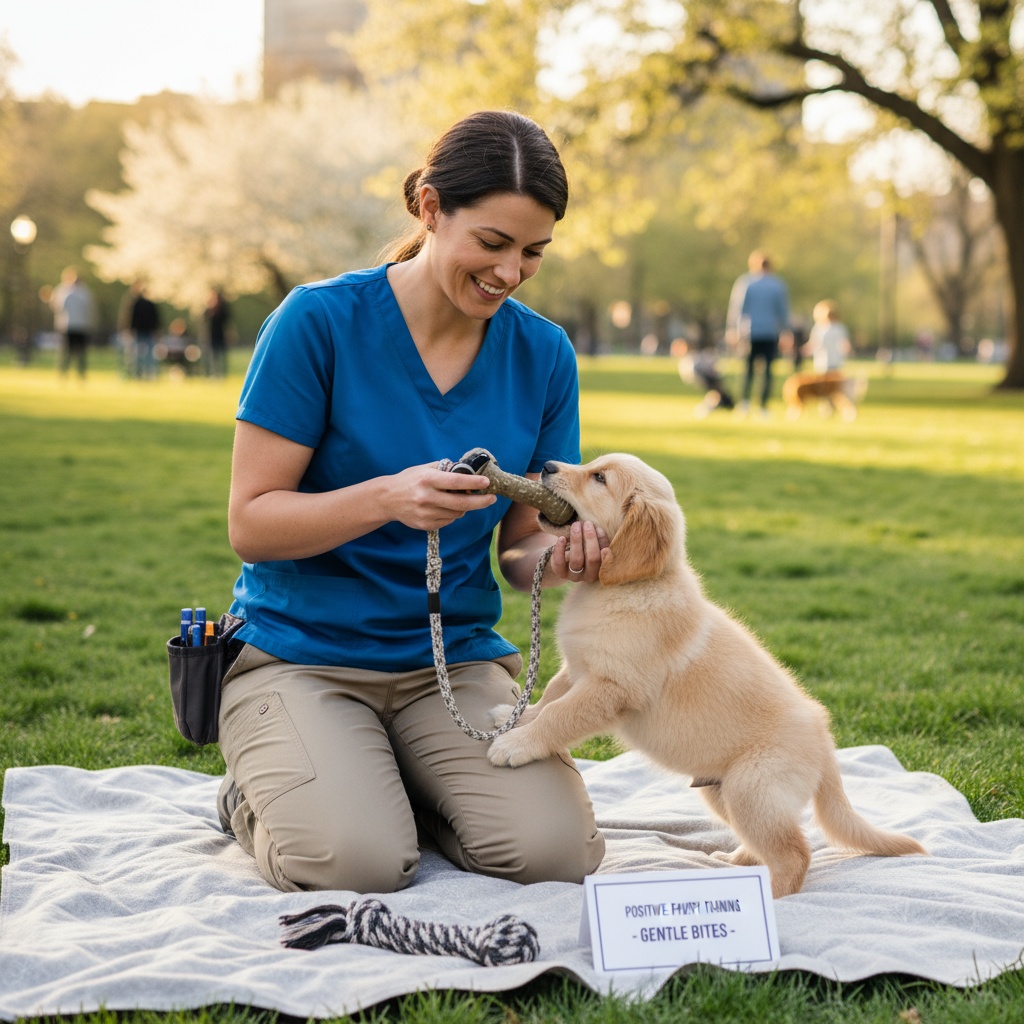
9. Set Boundaries With Little Humans
If you’ve got kids, teach them the puppy biting plan, too. Little ones need to know to walk away if puppy bites, never to hit, and to use toys for play. Kids and puppies should always be supervised together!
Common Mistakes People Make With Puppy Biting
Even with the best intentions, it’s easy to trip up. Watch out for these puppy biting traps:
- Dishing out mixed messages (sometimes letting pup bite, sometimes not)
- Getting too physical or trying to punish nips
- Not providing enough exercise or mental enrichment
- Not showing the puppy what you WANT them to do
- Thinking “it’ll just stop on its own” (Nope! Consistent training is key)
Puppy Biting at Night: Help!
Nighttime zoomies leading to puppy biting? Super normal. Try these game-changing tips:
- Give lots of mental and physical exercise during the day, but wind down with calm activities in the evening
- Offer a teething toy while you chill together
- If puppy biting ramps up, guide your puppy to their crate or bed with a treat (don’t turn it into a punishment, though!)
Advanced Solutions: When Puppy Biting Just Won’t Quit
Let’s say you’ve tried all the classic tricks, and you’re still in the WWE ring with your biter. Here’s what else to try:
- Video yourself training so you can spot what’s working (and what’s not)
- Break The Cycle: If your puppy gets super wound up when biting, try a structured routine: play, train, walk, chew, nap—repeat
- Consult A Pro: Reach out to a positive reinforcement-based dog trainer for tailored advice
Pro tip: Sometimes more bites mean your puppy is over-tired or overstimulated. Puppies, like babies, need lots of naps and downtime. Cranky pups = bitey pups!
Puppy Training Schedule: Biting Edition
If routines make your life easier (and they def make puppy biting easier), here’s a simple schedule to keep puppy biting in check:
- Morning: Potty break, short walk, breakfast, chew toy, basic training
- Midday: Play with toys, gentle socialization, nap time
- Afternoon: Potty, quick training game, fetch or tug (with toy!), nap or quiet time
- Evening: Dinner, short training session, enrichment toy, wind-down cuddle or gentle brushing
This vibe gives your puppy loads of physical and mental activity, which equals less frustration and less biting overall.
Frequently Asked Questions About Puppy Biting
Is it normal for my puppy to bite me so much?
Yup—it’s normal! Puppy biting is part of how your new pal learns what’s ok. If you respond consistently, most biting naturally fades as puppies grow and learn boundaries.
Are some puppies more bitey than others?
For sure. Some breeds (like herders and terriers) tend to use their mouths more. High-energy puppies also often get extra mouthy when tired or bored.
What if my puppy bites hard and draws blood?
While rare, it can happen—especially when they get overexcited. If you use the strategies above and there’s no sign of real aggression (hard eyes, snarling), just keep working on bite inhibition and see a trainer if you’re worried.
Can puppy classes help with biting?
Definitely! Puppy classes are AH-MAZING for teaching bite inhibition and social skills. Plus, you’ll get live feedback from trainers.
When to Call a Pro
Most puppy biting goes away with patient, positive training. But if you see:
- Sudden, intense aggression
- Bites that aren’t playful (growling, guarding, drawing lots of blood)
- Kids or pets being hurt despite training
Reach out to a certified dog trainer ASAP. Early help makes a huge difference.
Wrapping Up: From Land Shark to Lap Dog
Puppy biting drives. us. all. bonkers. But—good news! A chill, happy, gentle-mouthed puppy is totally do-able with practice and patience. To recap:
- Stay consistent and patient
- Use positive training methods (never punishment!)
- Redirect that puppy biting onto toys, not your hands
- Celebrate calm moments, and keep up with exercise and mental enrichment
Your efforts now mean a seriously awesome adult dog down the road. Don’t let puppy biting wreck the good times—nip it in the (pun intended!) bud and get back to enjoying puppyhood. You got this!