Ever had one of those mornings where your pup decides it’s a good idea to announce their presence to the whole block, at full volume, at 6 a.m.? Yeah, me too. Dogs bark, that’s just what they do. But sometimes, barking turns from a cute little warning to an epic, nonstop concert. If you’ve looked into solutions, there’s a solid chance you’ve come across the no bark collar. Let’s get straight into the nitty gritty of no bark collars—what are they, do they work, and should you even consider using one?
What Actually Is a No Bark Collar?
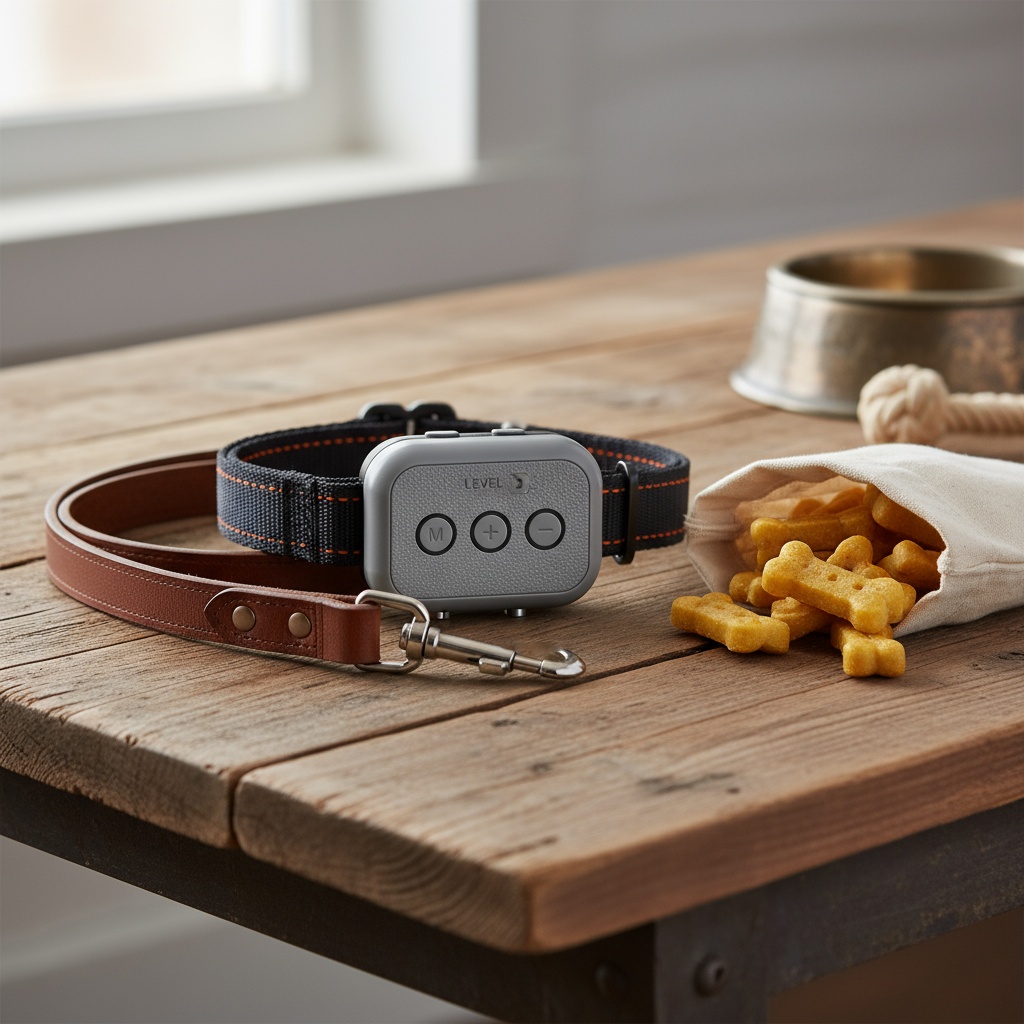
The no bark collar isn’t anything new under the sun, but it’s gotten loads of attention lately. At its core, a no bark collar is a canine training tool designed to lessen or outright stop your dog’s barking. Basically, it detects when your furry friend barks and then responds with a pre-set correction, like a beep, a vibration, a citronella spray, or in some collars, a static shock (yikes!). These collars are widely debated, but before you go all “no way!” or “sign me up!”, let’s dig deeper into what the no bark collar actually does and how it can fit into your training toolkit.
The Different Types of No Bark Collar
Not all no bark collars were created equal. They range from chill and gentle to, uh, a bit more intense.
- Static No Bark Collar: Uses a small electric zap. Not everyone’s cup of tea, and can be controversial. Usually adjustable in intensity, but still, not all dogs—or humans—are down with this idea.
- Vibration No Bark Collar: Instead of a shock, it vibrates on your dog’s neck when it senses barking. Personal faves for the sensitive bunch, since it’s less harsh.
- Citronella Spray No Bark Collar: Pumps out a quick blast of citronella in front of your dog’s nose. Dogs find the scent a bit weird, so it can distract them from barking.
- Ultrasonic No Bark Collar: Emits a high-frequency sound only your dog can hear. It’s meant to annoy—but not harm—your dog and interrupt that non-stop bark party.
People sometimes ask if the no bark collar works instantly. Spoiler alert: don’t expect a miracle overnight. Each dog reacts differently, depending on their temperament and the reason behind their barking. But, with consistency, the no bark collar can seriously help some pups chill out.
How Does a No Bark Collar Work?
The magic behind the no bark collar lies in its trigger. Most no bark collars have sensors designed to recognize the sound, and sometimes the vibration, of your dog barking (so it’ll ideally ignore other dogs’ barks—though, let’s be honest, technology isn’t flawless). Once it detects barking over a set threshold, it corrects your dog with the method specific to the collar type—be it buzz, spray, or beep.
- When your pooch barks, the no bark collar kicks in.
- The dog receives a correction—usually starting low, then ramping up if barking continues.
- Over time, your dog starts connecting the dots: bark equals beep/vibration/spray/zap, so maybe keep it down.
Important note: many modern no bark collars are designed with safety features to avoid over-correcting, like stopping after a set number of corrections, which is good news for you and your best bud.
Should You Use a No Bark Collar?
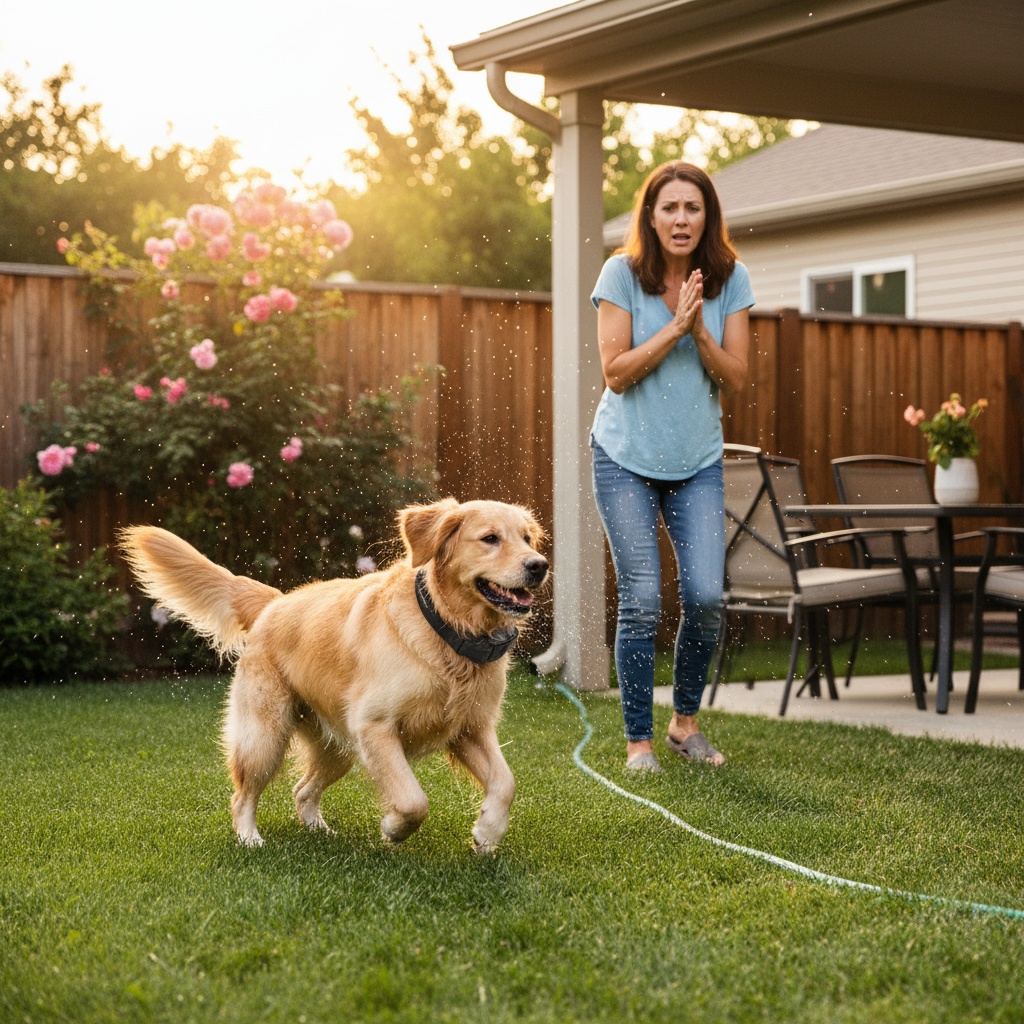
Deciding whether to use a no bark collar isn’t as simple as just wanting your dog to give it a rest. You gotta ask yourself a few key questions:
- Why is your dog barking? Are they bored, anxious, scared, or just a bossy barker?
- Have you tried positive reinforcement or training first?
- How old is your dog? Most experts say pups under six months shouldn’t rock the no bark collar.
- Are you committed to supervising your dog while they’re wearing the no bark collar?
Some dogs bark for super legit reasons—like needing to go outside, letting you know someone’s at the door, or because they’re stoked to see you. So, before jumping to the no bark collar, try to sort out what’s up first.
The Pros and Cons of the No Bark Collar
Here’s the real talk you came for. Let’s break down what’s awesome and not-so-awesome about the no bark collar:
Pros
- Quick Results: For some dogs, the no bark collar is a magic bullet. They connect correction with their barking, and the noise stops fast.
- Easy to Use: Pop the collar on, set it up, and you’re good to go (after reading the instructions, of course!).
- Reduces Disturbance: If you have easily annoyed neighbors or live in an apartment, a no bark collar can save your sanity—and maybe your lease.
Cons
- Potential for Misuse: Relying only on a no bark collar, without digging into the root of the problem, might just mask the issue rather than fix it.
- Possible Stress: Some dogs get anxious or fearful with a no bark collar. That’s not what we want, right?
- May Not Work for All Breeds: Certain breeds, especially stubborn or naturally vocal ones, might ignore even the most persistent no bark collar.
- Ethical Concerns: Some folks (and professional organizations) are totally against using any kind of correction-based equipment like the no bark collar.
How to Use a No Bark Collar Safely
Let’s say you’ve thought it through and decided a no bark collar might help. Here’s how you can use it safely and kindly:
- Read the Manual: Honestly, don’t skip this. Each no bark collar has its quirks.
- Start with the Lowest Correction: Keep things chill to see how your pup reacts.
- Keep Sessions Short: Don’t leave the no bark collar on 24/7. Take breaks throughout the day.
- Monitor Your Dog: Watch for signs of stress or unexpected reactions.
- Rotate with Positive Training: Pair the no bark collar with rewards for quiet behavior. High-value treats, cuddles, or a quick game can reinforce the peace-and-quiet vibes.
- Check the Fit: A too-tight no bark collar can be painful, and too loose? Won’t work.
Trust me: Nobody—including your four-legged friend—wants this to be a negative experience. Make the no bark collar a temporary tool, not a permanent fixture.
Common Mistakes Using a No Bark Collar
People make rookie mistakes all the time with the no bark collar. Wanna avoid being “that guy” at the dog park? Here are some no-gos:
- Leaving the no bark collar on all day and night. Let your dog rest, and check their skin!
- Ignoring the cause of barking. Stress, boredom, or medical problems need a vet—not just a quick fix collar.
- Using a no bark collar with a dog under 6 months or with tiny breeds. Be kind to little ones and seniors.
- Not checking the collar fit. (Yeah, it sounds obvious, but you’d be amazed how many folks skip this step.)
Best Practices for the No Bark Collar
Ready to try the no bark collar out? Sweet! Here’s your quick-start guide:
- Introduce the no bark collar slowly; let your pup get used to the feel before turning it on.
- Choose the right type. If static seems harsh, try vibration or citronella spray no bark collar first.
- Always use positive reinforcement with the no bark collar.
- Observe for changes in your dog’s mood or skin condition.
Remember, the no bark collar should never be your only strategy. It shines brightest when paired with smart training, lots of exercise, and a bit of detective work on your part.
No Bark Collar: Safety and Ethical Considerations
Let’s real talk for a sec. Even though the no bark collar keeps a lotta peace, not everyone’s on board. Some animal welfare groups argue that the no bark collar, especially ones using shock, can be cruel. Many professional dog trainers say to use ’em only when all other methods fail, and never as a punishment. So what’s the verdict?
- Choose a reputable no bark collar brand. Do your research.
- Always combine with gentle training and positive vibes.
- Avoid if your dog has health issues, anxiety, or trauma.
- Never use a no bark collar on puppies or elderly dogs.
Tips from the pros: consult a certified dog trainer or your vet before using the no bark collar, especially for persistent barking issues.

Alternatives to the No Bark Collar
Not sure about the no bark collar? No sweat, there’s plenty of other ways to bring down the decibels.
- Positive Training: Use treats and attention to reward quiet behavior. Teach the “quiet” command like a champ.
- Exercise: A tired dog is a quiet dog. Give your pup plenty of walks and playtime.
- Mental Stimulation: Puzzle toys, chew toys, and hide-and-seek games can distract from barking triggers.
- White Noise: A fan or soft music can help drown out triggers like doorbells or passing cars.
- Professional Help: Certified trainers or behaviorists can get to the bottom of gnarly barking problems.
Sometimes, the no bark collar is best left as a last resort, and these alternatives can help address barking at the source, not just mute it.
Frequently Asked Questions about the No Bark Collar
Is the no bark collar safe for all dogs?
The no bark collar isn’t a one-size-fits-all fix. It’s generally not recommended for puppies, elderly, small breeds, or anxious dogs. Always consult your vet or trainer for advice.
How long does it take for a no bark collar to work?
Some dogs “get it” within a day, others take longer. Consistency and combining the no bark collar with training works best.
Can the no bark collar be used in the rain?
Depends on the model. Many are water-resistant, but not all are fully waterproof. Check the manual before letting your dog romp in puddles with their no bark collar.
Will the no bark collar hurt my dog?
Reputable ones are designed to deliver a harmless correction. Never leave the no bark collar on too long, and always monitor your dog for any distress.
The No Bark Collar: Final Thoughts
Alright, let’s wrap this baby up. The no bark collar isn’t an automatic fix for every chatty pup, but for some doggos, it’s a legit life-saver—protecting your sanity and relationships with the neighbors. The trick is using it kindly, smartly, and never as your only solution. Investigate the whys behind the barking, pair the no bark collar with solid training, and consult the pros as needed.
Remember, you want your pup to be happy, healthy, and quiet—at least sometimes. If you approach the no bark collar with care, patience, and a focus on your dog’s wellbeing, it can absolutely help bring peace and quiet to your home.
Have you tried a no bark collar before? Share your stories—or your funny dog barking fails—in the comments below!