Oh, the joys of having a puppy in the house! They’re all fluffy fur, wiggly butts, and sometimes, those sharp little teeth. If those puppy nibbles have you constantly saying “Ouch!” under your breath, you’re not alone—pretty much everyone who’s raised a dog has been there. Today, we’re diving deep into how to train a puppy not to bite, so your favorite furry friend can grow up into a well-mannered, gentle adult dog. Grab a snack, because we’re about to dig in and sort out those chompers in the most effective way possible.
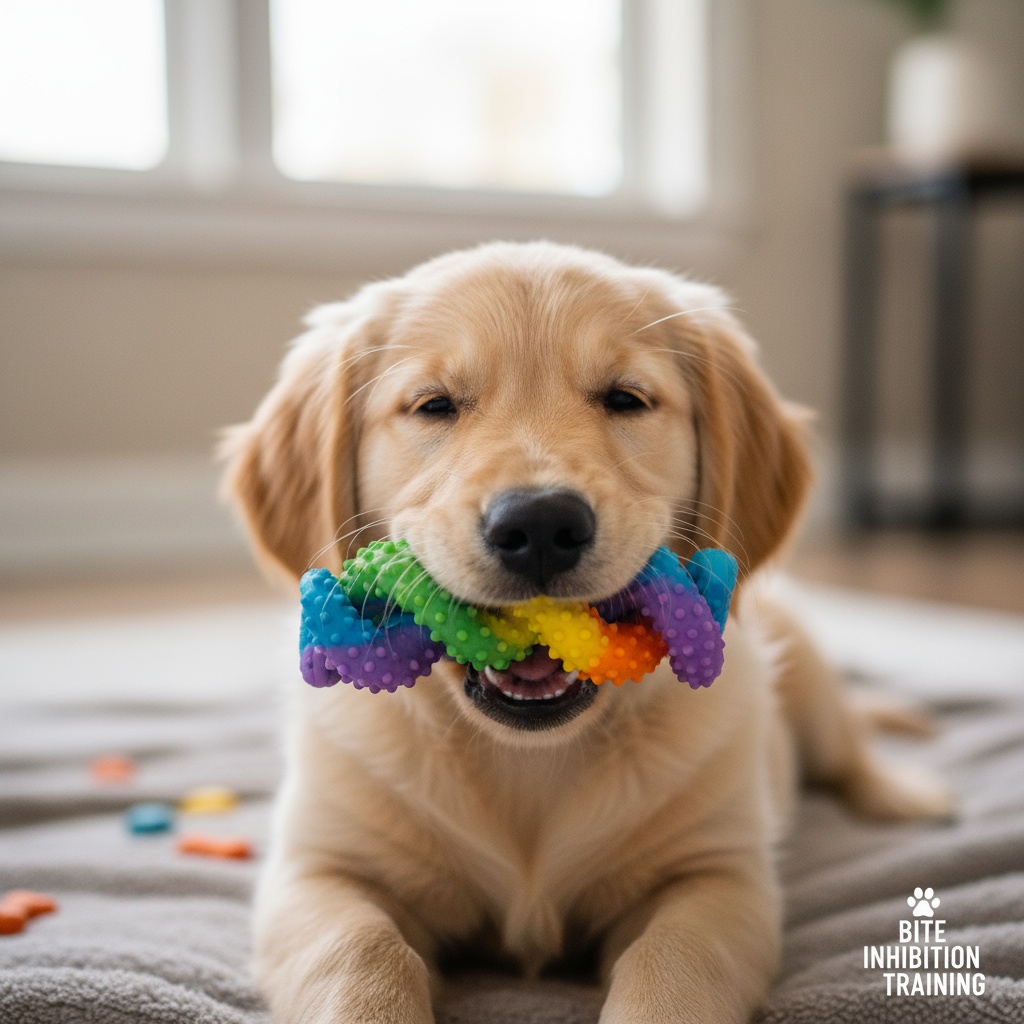
Why Puppies Bite and Why It Matters
Before we talk about how to train a puppy not to bite, let’s get real about why they’re biting in the first place! Puppy biting is totally normal. It’s how they explore their world, just like a human baby would stick stuff in their mouth (except your furniture and hands definitely aren’t teething rings). Puppies bite during play, to show excitement, or even just to get your attention. But that doesn’t mean you gotta just let them nip away—puppy teeth can truly hurt, and those tiny nips can turn into big problems if you don’t address them early.
The Science Behind Puppy Nipping
Learning how to train a puppy not to bite isn’t just about setting rules. It’s about helping your pup develop good habits for life. Between 3-6 weeks old, puppies learn bite inhibition from their littermates and mom. When a bite is too hard, the sibling yelps or walks away, teaching the puppy, “Yo, that hurt!”. If you brought your puppy home early or they’re still a wild biter, now you’re the teacher.
Building a No-Biting Foundation
Every process for how to train a puppy not to bite starts with patience, consistency, and a sprinkle of good humor. Here’s what works:
- Start Early: Don’t wait! When they bite, training starts now.
- Stay Consistent: Everyone in your house needs to follow the same rules.
- Reward Good Behavior: When your pup mouths gently or plays without teeth, that’s treat time!
How to Train a Puppy Not to Bite: Step-by-Step
Let’s get into the heart of how to train a puppy not to bite. We’ll break down every step with simple instructions and real-life tips.
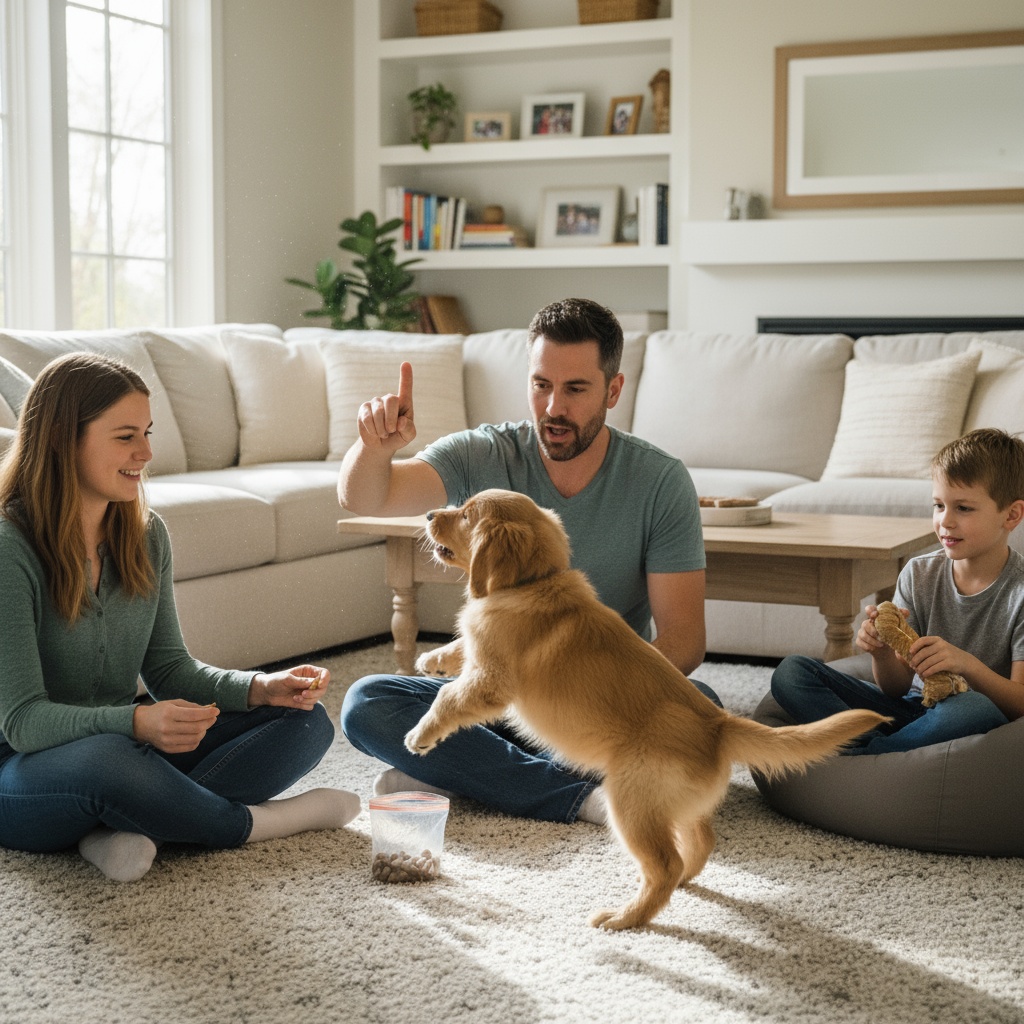
Step 1: Mimic Mom & Siblings
- When your pup chomps down too hard, let out a high-pitched “Ouch!” Just like their littermate would.
- Stop interacting for a few seconds. Fold your arms and look away. You want to send the message: “Biting means the fun stops.”
- If your dog calms down, go back to gentle play.
Step 2: Replace, Don’t Just Say No
Scolding alone isn’t enough. Your dog needs to understand what they should bite instead. So:
- Have a chew toy handy. When they go for your hand, say “No,” and quickly pop a toy in their mouth instead.
- Reward them with big praise when they take the toy.
- Repeat this every time. You’ll be amazed how fast they pick it up!
Step 3: Set Bite Thresholds
How to train a puppy not to bite? Make the rules clear:
- Allow soft mouthing at first, but yelping or pausing play when pressure increases.
- Each week, expect gentler and gentler play. Your dog will soon learn to keep those chompers in check.
Step 4: Socialize Your Puppy
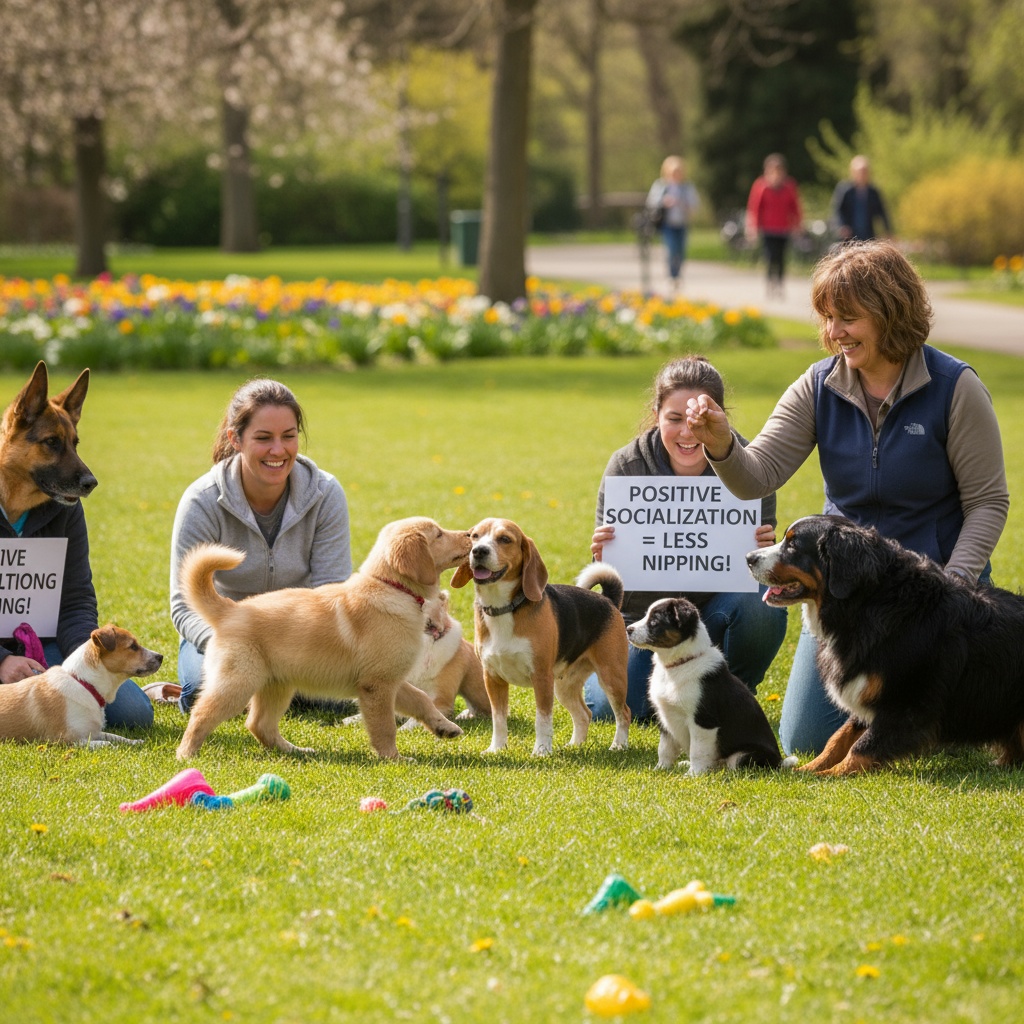
Puppies who meet lots of friendly people and gentle dogs get better at playing politely. Safely expose your pup to new faces after vaccinations. This helps with your plan for how to train a puppy not to bite because they’ll pick up calm behaviors from others.
- Sign up for puppy classes (the best place for bite control lessons!)
- Let your pup meet gentle dogs who correct with a bark or a look.
- Encourage gentle play with kids (under supervision, trust me on this!)
Step 5: Teach “Leave It” and “Drop It”
Control their urge to bite with simple commands:
- Start with a treat in one hand. Show it, say “Leave it.” If they turn away, reward!
- Practice “Drop it” by offering a toy, then showing a higher-value treat. When they drop the toy, treat. Repeat every day.
- Commands like these help with how to train a puppy not to bite even beyond hands—they’ll listen when it comes to food, furniture, or even that old shoe you keep forgetting to put away.
Troubleshooting Bitey Puppies: Common Issues
Puppy Just Won’t Quit?
If you feel like nothing’s working, don’t worry. Some pups are extra nippy, especially certain breeds (hello, herders and retrievers!). Here’s what to try:
- Increase Exercise: A tired pup is too pooped to bite.
- Try Time-Outs: If play gets too nippy, calmly put your puppy in a safe spot for a minute.
- Switch Up Toys: Find toys your dog goes wild for—some love squeakers, others love ropes!
Biting During Teething
Teething pain can boost biting. Here’s how how to train a puppy not to bite changes during this stage:
- Freeze wet washcloths or dog toys to soothe sore gums.
- Avoid rough play that excites biting.
- Patience is vital—those teeth don’t last forever, but your training habits will!
Red Flags: When to Get Help
Training should be fun and positive, but if biting gets scary—like breaking skin or comes with growling, stiff bodies, or lip curls—it’s time for professional help. Some aggressive biting needs a vet or certified trainer to evaluate, pronto.
- If your efforts in how to train a puppy not to bite have zero effect after a few weeks
- If your puppy bites hard and often, especially unprovoked
- If you feel unsafe, get support—it’s totally okay to call in a pro!
Puppy-Proofing Your Home for Success
An important part of how to train a puppy not to bite is setting up your home for easy wins:
- Keep tempting shoes and clothes out of reach.
- Make sure there are chew toys in every room.
- Use puppy gates to manage their freedom when you can’t supervise.
Consistency Is Key: Family Rules for How to Train a Puppy Not to Bite
It only works if everyone’s on board. Set rules:
- No roughhousing with hands.
- Toys only for tug games.
- Never hit or yell. That just makes puppies anxious (and more likely to bite!)
- If your kiddo gets nipped, teach them to freeze instead of yanking away—that triggers more chasing and biting.
How to Train a Puppy Not to Bite When Excited
The most common time for puppy nipping? When they’re wild with excitement! Whether you’re coming home, playing fetch, or doling out treats, here’s how to train a puppy not to bite in the heat of the moment:
- Ask for a sit before greeting or giving treats.
- Keep greetings calm with slow petting and soft voices.
- End play immediately if teeth meet skin. Calmly walk away.
Myth Busting: What Not to Do
- Don’t hold your puppy’s mouth closed. It doesn’t teach anything but fear.
- Don’t thump their nose. It’s mean and can cause trust issues.
- Don’t use harsh punishments. Reward-based methods are proven to work best for how to train a puppy not to bite.
Celebrating Your Wins!
You’re gonna see progress with how to train a puppy not to bite. Puppies usually start improving within weeks. Celebrate the small stuff! Maybe today your pup only nipped twice instead of ten times—call that a win and treat yourself (and your dog) to extra cuddles.
Road to a Bite-Free Adult Dog
The best reward for learning how to train a puppy not to bite? A calm, confident, friendly dog everyone loves to be around. Puppyhood is short, but your patience will shape your buddy for life.
- Start training now—don’t wait for “tomorrow.” You’ll be grateful you did!
- Don’t sweat the bad days; everyone slips up sometimes.
- Big love for your puppy, every step of the way!
Quick FAQ: How to Train a Puppy Not to Bite
- Is biting normal for puppies? Absolutely—but you gotta teach them what’s ok and what’s not.
- At what age do puppies stop biting? Most puppies start to calm by 5-6 months if you’re consistent. Serious biting past 7 months? See a pro.
- What if my puppy bites my face? Teach boundaries, use toys for face-level play, never encourage rough games.
- Can I train a rescue puppy not to bite? Yes! The rules for how to train a puppy not to bite work with any age, but older dogs might need extra patience.
Wrapping Up: Your Puppy, Your Rules!
Learning how to train a puppy not to bite is a journey—kinda like a rollercoaster, to be honest. With the right tools, love, and a pinch of humor, you’re gonna ace it. Remember, no pup is perfect, and neither are we. But every day you work at it, those sweet little puppy teeth will have less and less reason to make you say “Ouch!” And before long, you’ll have a cuddle buddy who keeps their biting just where it belongs—on their toys and chews, and outta your skin. Happy training, and may your days be filled with tail wags, not tooth marks!