Let’s be real—puppy teeth are like tiny needles, and if you’re reading this, you’re probably sporting some bite marks yourself. Whether your new floof is going full shark mode or just giving you those mischievous nibbles, you’re here for answers on how to teach puppy not to bite. And trust, you’re not alone! Biting is a super common phase, and I’m here to help you turn those chompy chompers into gentle jaws—without losing your sanity or your favorite socks.
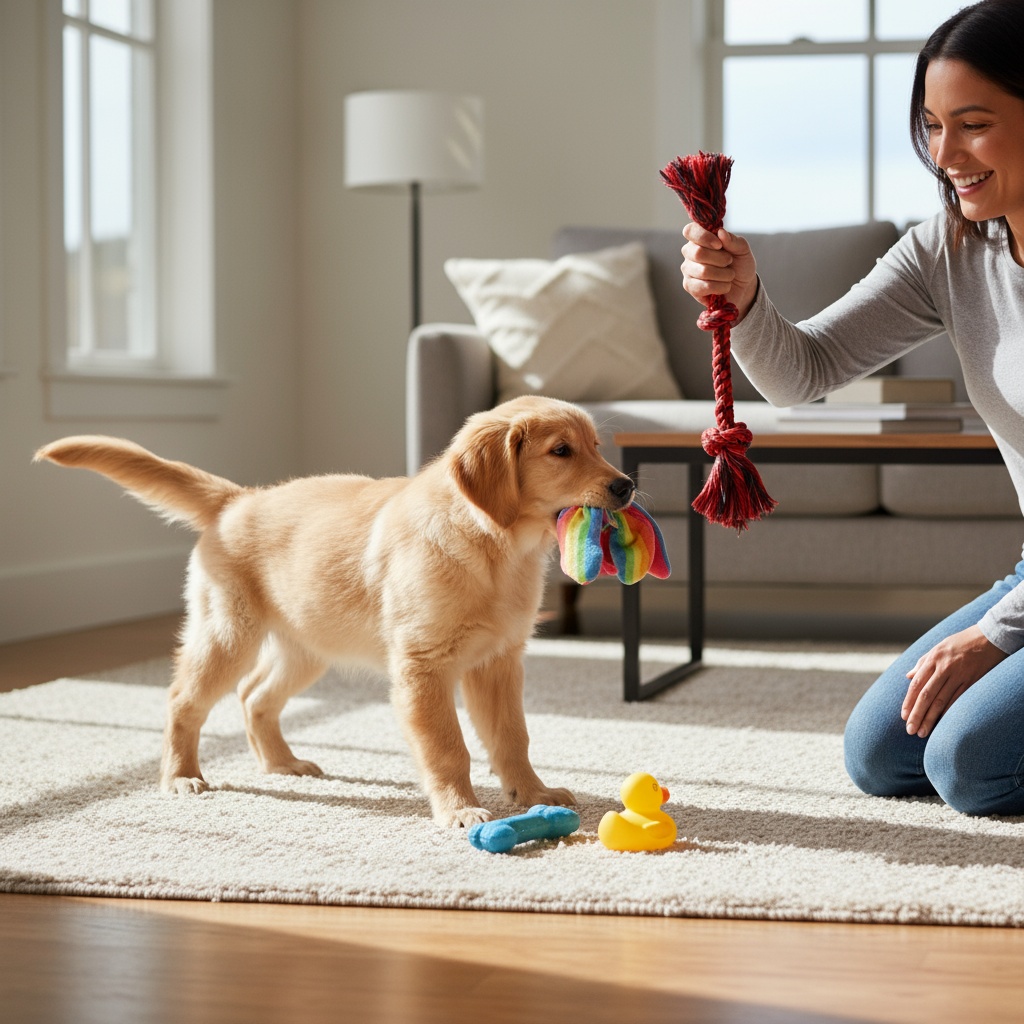
Why Do Puppies Bite, Anyway?
Before diving into how to teach puppy not to bite, you gotta know where this behavior comes from. Puppies bite for lots of reasons. It’s not because they’re plotting world domination (well, maybe). It’s mostly because:
- Teething pain: Like human babies, puppies need to chew to relieve sore gums.
- Playing: In the wild, pups nip each other to test boundaries and develop social skills.
- Exploring: Their little mouths are how they check out the world—sort of like us with our hands.
- Attention seeking: That little nibble might be their way of saying “Hey, look at me!”
So, no need to panic. Biting doesn’t mean your puppy is a future menace. It just means you gotta learn how to teach puppy not to bite—the right way, of course.
The Golden Rules of Puppy Bite Training
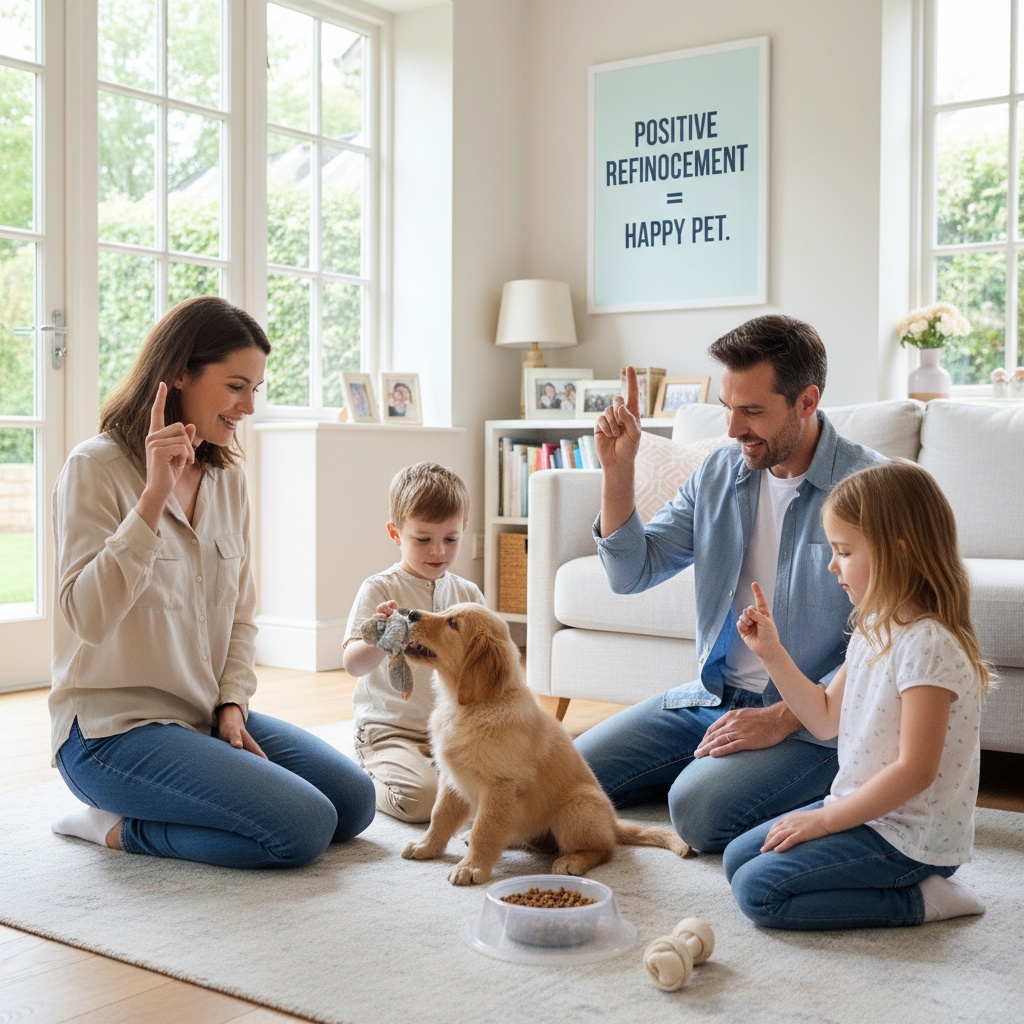
Okay, pop quiz! What’s the biggest mistake most puppy parents make when handling bites? Yup—you guessed it: they unintentionally encourage it. Here are some golden rules you absolutely need to follow on your journey of how to teach puppy not to bite:
- No hitting or shouting. This can make your puppy scared or even more excitable. Not cool.
- Consistency is KING! Whatever training technique you choose, stick with it. Mixed signals confuse your pup.
- Everyone must be on board. Make sure the whole squad (roommates, kids, everyone) uses the same rules and methods for how to teach puppy not to bite.
- Patience pays off. This stuff takes time. Your pup will get it, promise!
Easy Step-by-Step Ways on How to Teach Puppy Not to Bite
Ready? Arm yourself with treats, patience, and maybe some bandaids… just in case. Here’s how to teach puppy not to bite in simple, actionable steps.
1. Teach Bite Inhibition First
Bite inhibition means your puppy learns how much jaw pressure is too much. This is huge! Playtime is your opportunity to practice this.
- Let out a yelp: When your puppy bites too hard, make a sharp “ow!” or high-pitched yelp (yeah, you’ll sound goofy, do it anyway). This mimics how littermates react.
- Pause the fun: Freeze, remove your hands, and stop playing for a few seconds. They’ll realize play ends when they bite too hard.
- Resume gently: If they bite softly, resume the game. Repeat as needed. That’s how to teach puppy not to bite—by showing what’s acceptable.
2. Redirect to Toys (Every. Single. Time.)
Your hands are NOT chew toys. The sooner your puppy learns this, the better.
- Keep a couple of chew toys nearby at all times.
- If your puppy tries to bite you, calmly pull away and offer the toy.
- Praise like crazy when they bite the toy instead of you (puppies LOVE positive feedback!).
3. Use the Time-Out Method
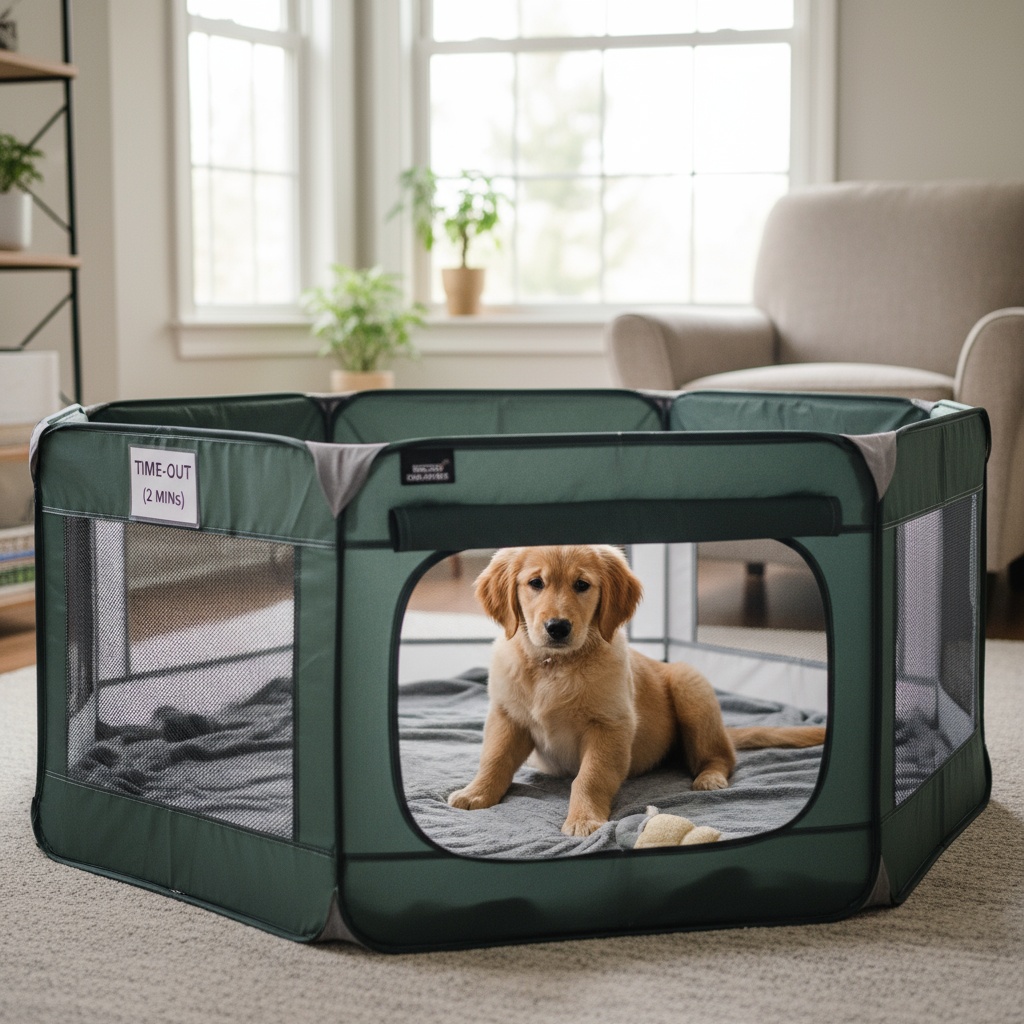
If your puppy turns into a land shark, use a time-out. This teaches that biting = no attention or fun.
- Say “no bite” (keep it simple, your pup’s not Shakespeare!).
- Step away from your puppy or put them in a safe, boring space briefly. Don’t use crates as punishment, though.
- Wait a minute or two, then try again.
4. Play Biting Games Carefully
Games like tug-of-war are awesome for teaching self-control, but only if done right.
- If your puppy’s teeth touch your skin, game over! Drop the toy, ignore them for a sec, then resume when they’re calm.
- Use toys, not hands, for all bitey games when practicing how to teach puppy not to bite.
5. Reward Good Behavior Religiously
Catch your puppy NOT biting? YES! Time for dog treats for training, some cuddles, or a cheerful “good job!” Positive reinforcement is everything in how to teach puppy not to bite.
6. Socialize Early and Often
Puppy classes and doggy playdates are one of the top hacks on how to teach puppy not to bite. Why? Other dogs will teach bite boundaries WAY faster than any human can. Just make sure the play is safe and supervised.
Myth Busters: What NOT To Do
Okay, let’s bust some myths on how to teach puppy not to bite. Old-school advice still floats around, but you’ll want to avoid:
- No muzzle as punishment. Muzzles can be scary for pups and don’t teach them what to do instead.
- No physical discipline. Swatting or holding the mouth closed can make your puppy afraid or even aggressive. Big nope.
- No “alpha rolls.” Rolling your puppy onto their back is outdated and dangerous for your relationship.
- Don’t ignore persistent biting. If biting gets worse or is paired with aggression, talk to a professional trainer or vet. There could be more going on.
How Long Does It Take to Teach Puppy Not to Bite?
Look, it’s not gonna happen overnight. And that’s totally normal. On average, you’ll see results in a couple of weeks if you stick with your plan. Some pups (I see you, herding breeds!) can take longer. If it’s been a few months and you’re still struggling with how to teach puppy not to bite, don’t sweat it—dog trainers can be lifesavers.
Biting Through Teething: Surviving the Worst Phase
Teething hits around 3 to 6 months (yikes!). Help your puppy out by:
- Offering frozen toys or carrots for painful gums (supervised, of course).
- Avoiding rough play during peak teething times.
- Staying extra consistent with redirecting to toys.
Remember, how to teach puppy not to bite during teething is all about patience and lots of safe chew options.
Consistency: Your Secret Weapon
I know I said it before, but for real—consistency makes or breaks your training. Your puppy is trying hard to learn how to teach puppy not to bite, so help ’em out:
- Use the same cues and reactions every single time.
- Get the whole fam on the same page. No exceptions.
- Be patient—it will pay off!
Dealing with Hard-Core Biters: When to Get Help
If your puppy’s biting is intense, persistent, or you’re seeing any growling, snapping, or fearful behavior, it’s smart to check in with a professional trainer or a vet. There’s zero shame in bringing in a trainer or a vet. Sometimes, how to teach puppy not to bite needs a custom approach for extra tough cases.
Handling Young Kids and Puppy Biting
Kids and puppies—can be super cute, but also total chaos! If you have little ones in the house, follow these key steps when teaching how to teach puppy not to bite:
- Teach kids to never yank their hands away fast (this triggers the chase/biting instinct for puppies).
- Always supervise playtime to prevent accidental roughhousing.
- Show kids how to use toys instead of hands.
- Remind them to stay calm and never yell or hit when bitten.
Hands-On Practice: Quick Exercises for Daily Training
Here are some routines you can use EVERY day while working on how to teach puppy not to bite:
- Hand feeding: Give kibble or treats one at a time, only if your puppy takes them gently.
- Gentle greetings: When you come home, kneel down and greet your puppy only if they keep their mouth soft.
- Puppy massages: Touch their paws and ears gently, rewarding calmness. If they try to bite, pause and try again later.
- Treat for calm settles: Whenever your puppy sits quietly or chews on an appropriate toy, reward with affection or a treat.
FAQs on How to Teach Puppy Not to Bite
What should I do if my puppy gets more excited when I yelp?
This happens! Some puppies get riled up by noise. If this is your dog, skip the yelp and calmly withdraw your attention instead.
Do certain breeds bite more than others?
Yep! Herding breeds, retrievers, and terriers tend to be mouthier. But don’t worry—how to teach puppy not to bite works for all breeds.
Is puppy biting ever a sign of aggression?
Usually, puppy biting is totally normal. But if there’s growling, snapping, or it feels scary, check in with a vet or dog behavior pro just in case.
Your Ultimate Puppy Biting Survival Kit
Here’s what you’ll want on hand for your how to teach puppy not to bite adventure:
- Lots of safe chews (rubber toys, bones, frozen treats)
- Training treats galore
- A plan that the whole fam follows
- Patience—like, a LOT of it
And when you’re ready, puppy classes! Socializing helps puppies learn bite inhibition faster by playing with other dogs. Score.
Pup-tastic Progress: Celebrate Every Win
The main secret about how to teach puppy not to bite: every little win is HUGE. Fewer bite marks today? Yes! Gentle mouthing instead of chomping? Celebrate it! Keep going and give your furry BFF tons of chances to practice gentle, calm behavior. Keep your patience handy and remember—with the right steps, you’ll have a polite, gentle puppy sooner than you think.
Final Thoughts: Turning Your Land Shark into a Gentle Pup
Biting sucks, but it’s just a phase in the wild world of puppyhood. If you follow the steps above, stay positive, and reward what you DO want to see, you’re totally acing how to teach puppy not to bite. And hey, pet parent life is messy sometimes. But nothing beats transforming that wild pupper into your sweet, gentle bestie. You got this!