Let’s be real for a second—those sharp puppy teeth? Ouch! Everyone who’s ever brought home a bouncy little furball knows the stuggle: how to teach a puppy not to bite. If you’re constantly finding your hands, shoes, or even the couch in the crosshairs of your puppy’s jaws, trust me, you’re not alone. The good news? You don’t need to be a dog whisperer to stop this gnawing (literally) issue. This guide is packed with *real-life* strategies on how to teach a puppy not to bite, using today’s most effective, kind, and science-backed tips.
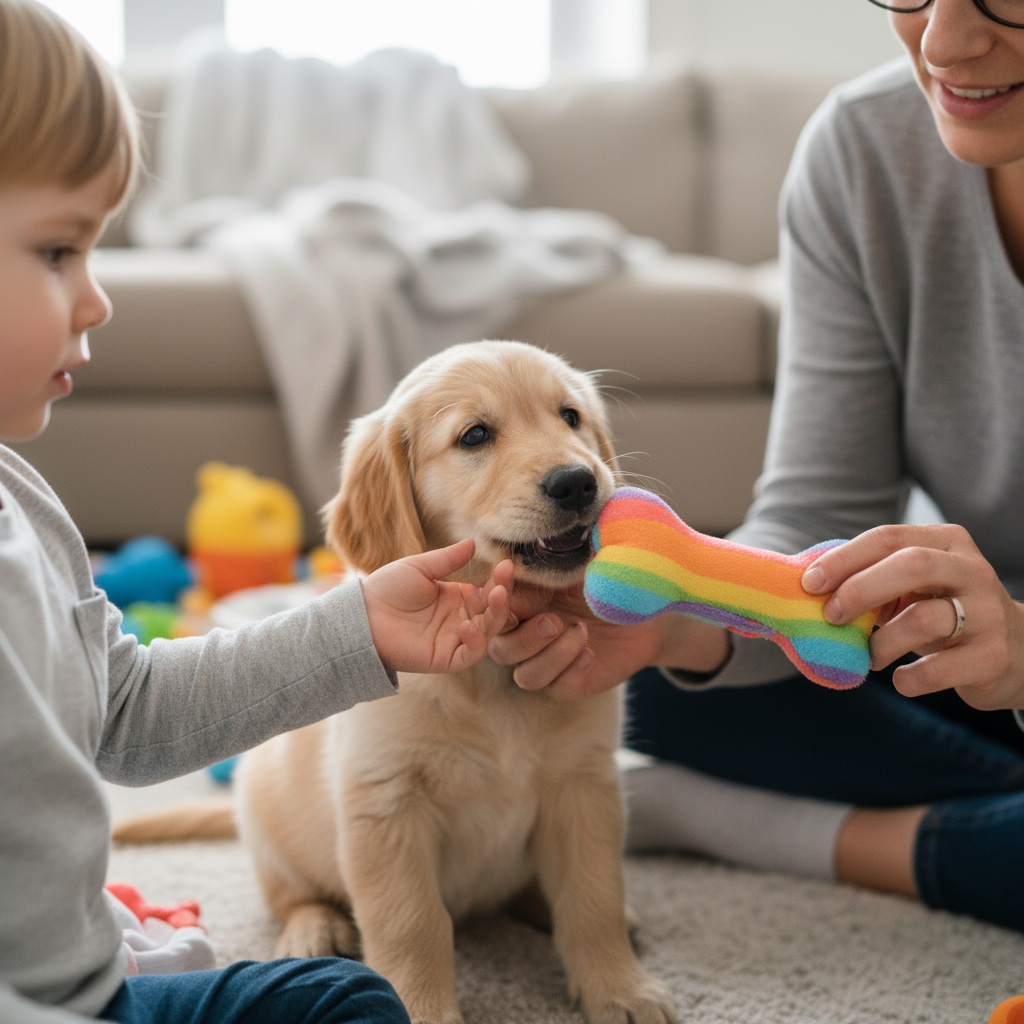
Why Puppies Bite—It’s Not Just You!
First thing’s first: biting is a totally normal part of puppyhood. Puppies, like babies, explore the world using their mouths. But while those tiny teeth might look cute, they deliver a bite that feels like tiny daggers! Understanding why your pup bites is the first step in learning how to teach a puppy not to bite effectively:
- Teething pain: Just like little humans, puppies experience sore gums when their teeth are coming in. Chewing eases the discomfort.
- Play-fighting: In a litter, puppies use their mouths to play with siblings. Our hands often substitute as “siblings.”
- Exploration: Puppies use their mouths to investigate new objects, sensations, and yes, people!
- Lack of boundaries: Puppies need to learn what’s off limits, and that takes a bit of guidance from—guess who?—you!
When Does Puppy Biting Become an Issue?
Biting is normal, but it should never become aggressive. If your little buddy’s biting *hurts* or is directed at faces or shows intense growling, seek advice from a pro. But most puppy biting is friendly or playful, and teaching your pup boundaries is absolutely doable for every dog parent. Let’s dig deep into how to teach a puppy not to bite and make life with your bestie way more chill.
The Foundations: Consistency and Patience
Before we get into the nitty gritty on how to teach a puppy not to bite, here’s the first rule: consistency! Picking random moments or methods will confuse your dog. Instead, be patient, repeat the steps wherever bites happen, and don’t forget to celebrate progress (no matter how tiny!).
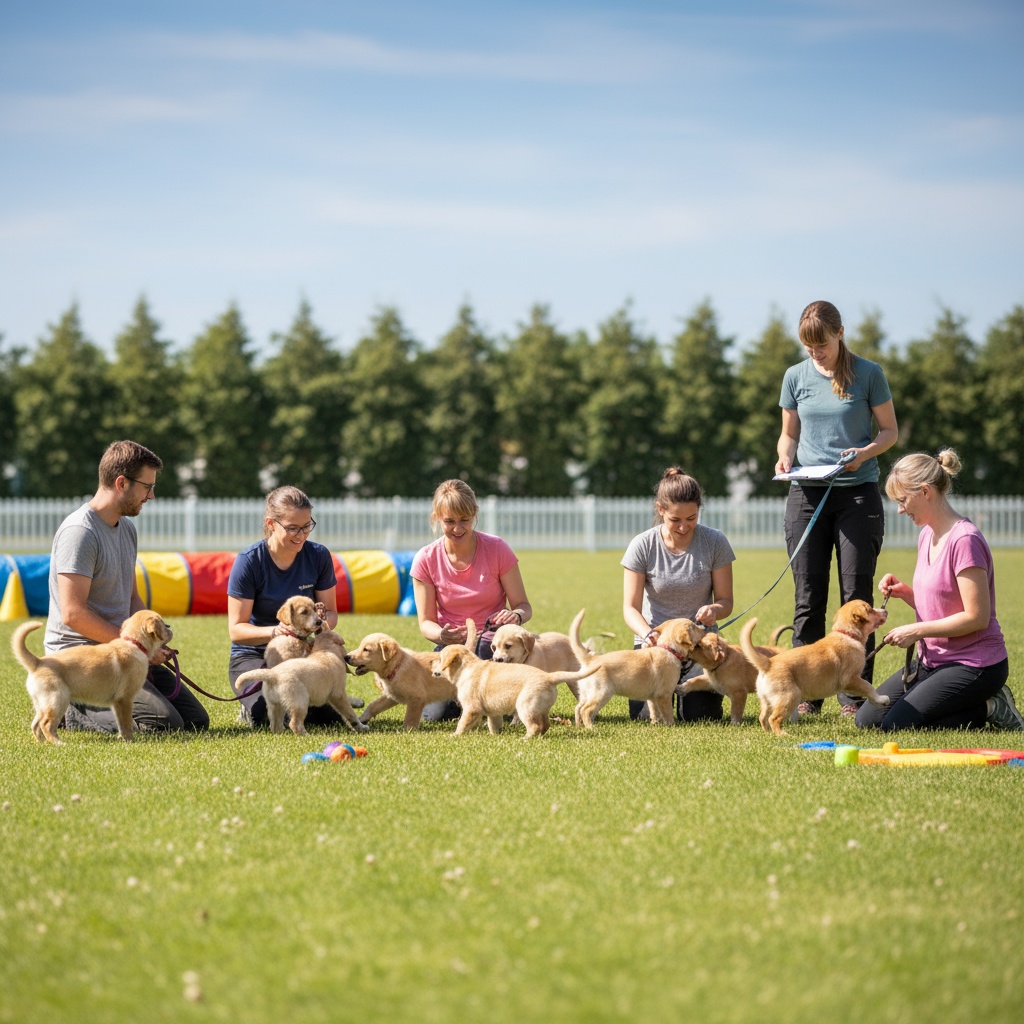
Step-By-Step: How to Teach a Puppy Not to Bite
1. Teach Bite Inhibition
This is the bread and butter of how to teach a puppy not to bite. Bite inhibition means your puppy learns how much pressure is okay to use when biting, and eventually, that biting humans isn’t allowed at all. Here’s how it works:
- Start with a yelp: If your puppy bites you during play, let out a high-pitched “Ouch!” This mimics the yelping littermates use to say “too hard!”
- Freeze play: Immediately stop the game. Put your hands away and ignore your pup for a few seconds. This teaches them that biting stops the fun.
- Resume calmly: After a pause, gently resume play. If they bite again, repeat the yelp and time-out process.
Pro-tip: Don’t yank your hand away (that just invites your puppy to chase and chomp even more!).
2. Redirect That Biting Energy
Redirection is the secret sauce when figuring out how to teach a puppy not to bite. Rather than just telling your puppy “no,” show them what is okay to bite:
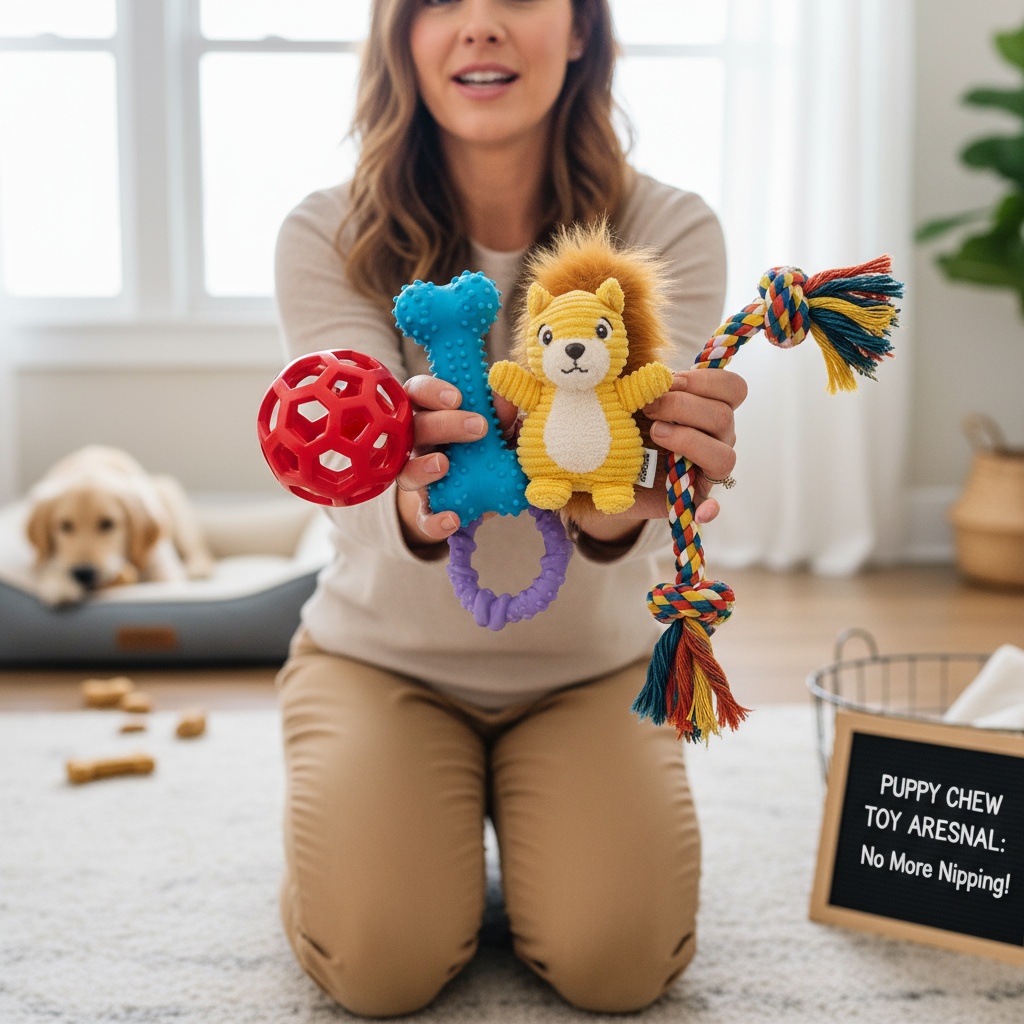
- Keep a few chew toys handy at all times (trust me on this one—one for every room helps!)
- If your puppy starts biting you, calmly say “no,” and offer a toy instead. Praise them when they chew on the toy.
- Use toys for tug and fetch. This not only redirects energy but bonds you and your pup.
It’s not magic, but with time you’ll notice your dog naturally seeks out toys for chewing fun.
3. Socialize, Socialize, Socialize!
One of the big keys in how to teach a puppy not to bite is proper socialization with other dogs and people. Puppies learn bite boundaries best in puppy class or safe playdates with other vaccinated pups:
- Let your puppy play with older, patient dogs. They’ll clearly signal when biting is out of line!
- Enroll in a puppy socialization class (most trainers offer one for young dogs).
- Supervise all play to ensure things stay safe and fun.
The more positive experiences your puppy has, the better they’ll learn how to play without using their mouth as a weapon!
4. Teach Simple Obedience Commands
Obedience isn’t just about showing off at the park—it’s a key step in how to teach a puppy not to bite. Sit, stay, and leave it all help foster self-control in even the spunkiest pups. Practice basic commands daily, especially when your dog gets mouthy. This helps your puppy focus, calm down, and learn what you want.
- Use high-value treats for extra motivation
- Keep sessions short and positive—remember, puppies have the attention span of a goldfish
When your puppy starts to bite, redirect them into a “sit” or “down,” then reward. It’s positive reinforcement 101, and it totally rocks!
What *Not* To Do When Teaching Puppies Not To Bite
Let’s keep it real: Not all advice is good advice. When learning how to teach a puppy not to bite, there’s a few traps to avoid:
- No physical punishment: Never hit, slap, or tap your puppy’s nose. This can harm your bond and even trigger *more* aggression.
- Don’t play rough with hands: Wrestling with your hands just reinforces that hands are for biting. Use toys instead!
- Skip harsh scolding: Loud shouting can frighten your puppy and make training less effective.
Gentle, consistent correction always wins in the long run.
Is My Puppy Just Being Playful – Or Aggressive?
Most puppy mouthing is just for fun, but it’s important in how to teach a puppy not to bite that you recognize the signs of “normal” versus “not okay.” Playful biting is usually gentle, with wiggly bodies and soft eyes. Aggressive biting is stiff and often accompanied by growling or showing teeth. If you’re seeing signs of aggression, call in a veterinarian or a certified dog trainer. Better safe than sorry, ya know?
What If it Feels Like Nothing Works?
Sometimes, despite your best efforts at how to teach a puppy not to bite, nothing seems to stick. Here’s what to try if you’re ready to rip your hair out:
- Check your own consistency: Are all family members using the same approach?
- Is your puppy getting enough exercise? Boredom can crank up the mouthiness.
- Try new toys: Experiment with different textures—some puppies love teething rings, others go wild for crinkly toys.
- Enlist help: Puppy training classes are a goldmine for real-time feedback and support.
Every dog’s different, and sometimes you just need to tweak your tactics. Hang in there!
Puppy Biting Survival Kit: Must-Have Products
- Multiple chew toys: Rubber and plush, treat-dispensing and squeaky. Rotate often for novelty.
- Puppy-safe bitter spray: Spray furniture or objects your dog loves to gnaw. Tastes nasty, teaches boundaries.
- Puppy playpen: Give yourself (and your stuff) a break when you need it!
Consider these tools your new best friends on your journey learning how to teach a puppy not to bite!
Golden Rules for Success: Your Quick-Reference Guide
- Be 100% consistent in your response
- Redirect to toys every time
- Keep training sessions short and upbeat
- Socialize often (dogs AND humans!)
- Celebrate small wins—progress is progress!
Common Myths About How to Teach a Puppy Not to Bite
Let’s debunk a few of these old wives’ tales about puppies and mouthing so you can focus on what really works:
- “Puppies grow out of biting.” Not always—without clear boundaries, biting can become a habit that sticks.
- “A quick slap will teach them.” Nope. This just scares your pup and breaks trust.
- “If I let my puppy bite me, they’ll like me more.” Puppies crave structure and need guidance to thrive, not just “anything goes” play.
How Long Does it Take to Teach a Puppy Not to Bite?
This question gets tons of airtime, and honestly, it depends! Most puppies show huge improvement in a few weeks if you’re diligent with how to teach a puppy not to bite. For some pups, the process can take a couple months, especially during teething. Stick with it, because the reward—gentle, happy puppy play—is totally worth the effort.
What If My Puppy Bites Kids or Visitors?
This is when things get extra tricky. Puppies often view kids as playmates, and their fast movements really trigger the play-bite instinct. Here’s what to do as part of your plan for how to teach a puppy not to bite:
- Supervise *all* interactions with small children.
- Teach kids to stay calm, use toys, and stand “like a tree” if the puppy gets too excited.
- Redirect puppy biting away from hands/feet onto toys ASAP.
- Let guests know the training routine and how to respond if bitten (no yelling or hand-flapping, please!).
Troubleshooting: What If It Gets Worse?
If puppy biting seems to be ramping up, check for new stressors: teething stages, less exercise, or big changes in your routine. Sometimes life gets busy, but making sure your puppy gets enough play, rest, and brain/chew toys goes a long way. If all else fails, don’t be afraid to reach out to a pro trainer or a vet to check for pain or underlying issues.
Graduation Day: When You Know It’s Working
Here’s how you’ll know your efforts on how to teach a puppy not to bite are finally paying off:
- Your pup mouths toys, not hands, for play
- Random nipping during play drops way down (or vanishes entirely)
- You can redirect or stop biting almost immediately
- Friends and family are no longer covered in band-aids (amen!)
Celebrating Progress—And What To Expect Next
If you’re putting in the work with how to teach a puppy not to bite, give yourself a pat on the back! Remember, puppies are learning *every* day. Don’t expect perfection from day one, but with love, patience, and some stellar chew toys, you’ll have a gentle-mouthed, happy dog on your hands in no time. Keep up the good work, and don’t forget—you and your pup are a team. Stay positive and enjoy those puppy cuddles!
Final Thoughts
Mastering how to teach a puppy not to bite isn’t just about saving your hands or shoes—it’s about building trust, communication, and a lifelong bond with your dog. Whether you’re a first-timer or a seasoned pup parent, these strategies will help make those baby shark days a distant memory. Hang in there, and soon your puppy will be the most polite pup on the block!