Alright, let’s get real—puppy biting can be a nightmare. You bring that adorable bundle of fluff home, thinking you’re living the dream, but pretty soon, those razor-sharp teeth are turning your hands into a chew toy. How to stop puppy biting suddenly becomes the main quest of your life. Don’t freak out, though! Every new pup parent’s been there. Those little nips aren’t just annoying, they can straight-up hurt (trust me, I’ve got the scars to prove it). More importantly, if not addressed, it can turn into a much bigger behavioral issue down the line. So if you wanna know how to stop puppy biting—once and for all—you’re in the right spot.
Understanding Why Puppies Bite in the First Place
Before we jump to solutions, let’s talk about why this happens. Puppies bite for a bunch of reasons and understanding these can really change how you approach correcting it:
- Teething: Yup, like human babies, their gums hurt and biting relieves discomfort.
- Exploring the World: Dogs use their mouths like we use our hands, to feel things out.
- Social Play: Play-biting is normal with their littermates—it’s how they practice being dogs!
- Attention Seeking: Sometimes, acting like a lil’ shark gets them fun responses from humans.
- Lack of Boundaries: They just don’t know biting sucks for humans until we teach them.
Knowing this, you realize the solution isn’t punishment, but teaching. And I got you covered on exactly how to stop puppy biting the smart, kind, and effective way.
The Golden Rules to Stop Puppy Biting
Let’s lay out the golden ground rules that will be the backbone for your plan on how to stop puppy biting:
- Never Use Physical Punishment: That’ll just make your pup scared or aggressive.
- Consistency is Key: Everyone in the house has to follow the same rules, always.
- Redirect, Don’t Just Scold: Show your puppy what’s okay to bite!
- Praise Good Behavior: Positivity sticks way better than yelling.
Sneaky, Effective Ways to Stop Puppy Biting
Here are my tried-and-true techniques on how to stop puppy biting. Some dogs get it in a few days, others take some weeks—so be patient, friend! This is a marathon, not a sprint.
Teach Bite Inhibition—Ouch Means Stop!
Puppies naturally learn bite inhibition from their litter when play gets too rough and their sibling yelps or walks away. To replicate this, whenever your puppy bites you hard during play:
- Say “Ouch!” or let out a sharp yelp (not too dramatic, just enough to startle).
- Immediately stop playing and withdraw attention—even turn your back or leave for a few seconds.
- If your puppy calms down and tries to interact nicely, continue play.
- If biting happens again, repeat the yelp and walk away.
This teaches your pup that biting = all the fun goes away. With consistency, biting should lessen and eventually stop.
Offer Proper Chew Toys
Part of the answer to how to stop puppy biting is redirecting that energy into something dog-approved. Stock up on safe chew toys:
- Rope toys, teething rings, frozen washcloths (for sore gums), and treat-dispensing toys.
- Every time your puppy goes for your hand, gently move their mouth onto the toy instead.
- Encourage them to chew—make it fun by playing tug or hiding little treats inside toys.
This way your pup learns, “Oh, this is what I’m supposed to gnaw on!” and not your fingers. Easy win.
Use Positive Reinforcement Like a Pro
Want a secret weapon in learning how to stop puppy biting? Carry treat bits with you and catch your puppy being gentle:
- Any time your puppy mouths gently or interacts without biting, give verbal praise and offer a treat.
- Use commands like “Gentle” as they behave well, associating the command with gentle play.
- Reinforce calm play with lots of love and rewards. Puppies love to please you!
Positive reinforcement works fast when you’re consistent. Remember: you get more of what you reward.
Time Outs—They Work for Puppies Too
If your pup just isn’t getting the message, or gets overexcited and won’t stop biting, use a short time out:
- Say “No bite” in a calm, firm voice, not yelling.
- Immediately remove yourself (or the pup) from the situation for a minute or two. Use a safe, puppy-proofed space—not a scary place.
- Come back and begin play again. If biting happens, repeat the process.
Time outs teach your dog that fun ends when biting begins. It’s a super clear, consistent lesson and works wonders.
Socialization and Puppy Playdates
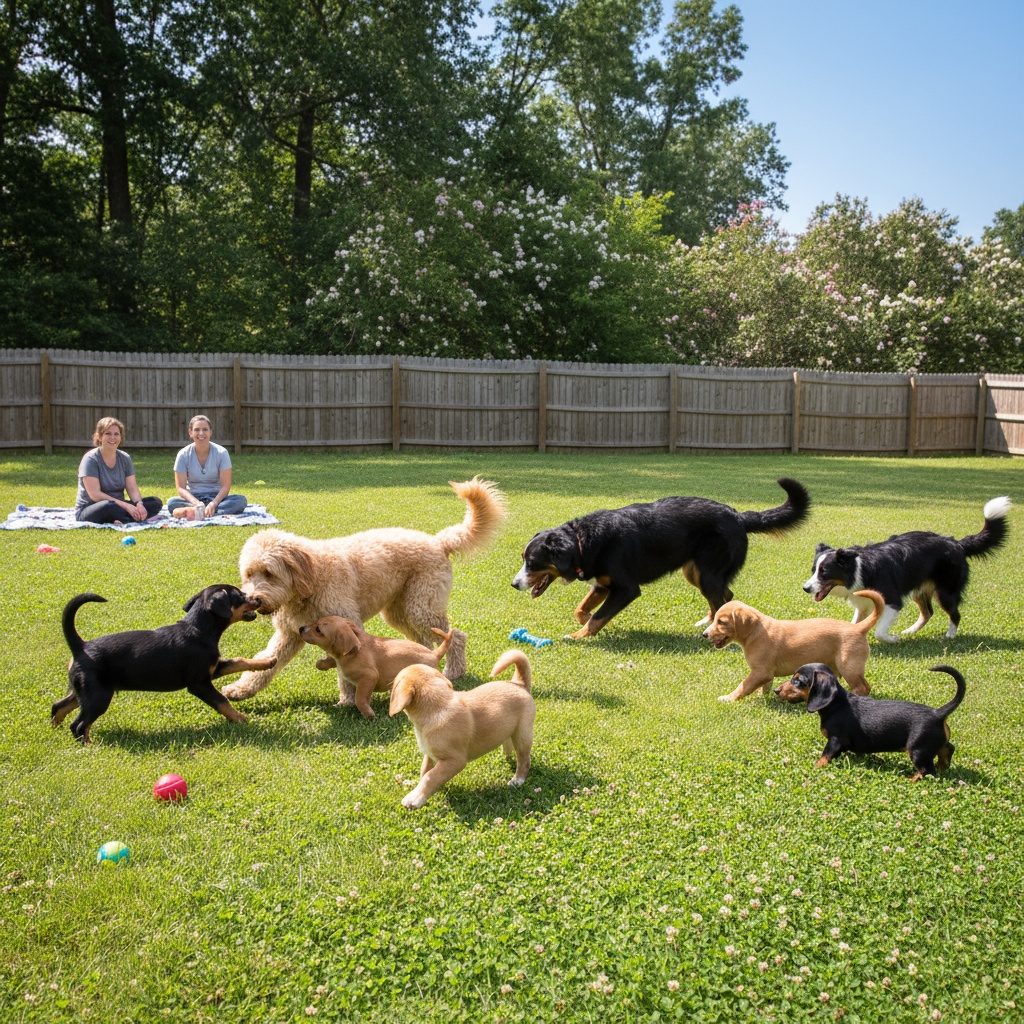
Letting your puppy play with other well-mannered adult dogs (friends’ pets or at puppy classes) helps teach bite control:
- Other dogs won’t put up with too much nipping. If your pup bites, they’ll end play—just like you do at home.
- Puppies pick up social cues best from their own kind, which helps reinforce your lessons at home.
Always supervise these play sessions. Choose other dogs with patient, friendly temperaments for the best results!
Avoid Rough Play That Encourages Biting
Sometimes we send our puppies mixed signals. Tug-of-war, wrestling, or letting them mouth your hands during play makes it seem like biting is okay. I get it—it’s cute when they’re little, but not so cute when they’re bigger and stronger.
- Stick to playing with toys only.
- Redirect any attempt to bite hands or feet.
- Teach biting isn’t how you interact with humans.
Consistency is the game-changer in how to stop puppy biting for good.
Training Mistakes to Avoid When Teaching Your Puppy
Let’s get one thing straight: yelling or hitting does not teach your pup how to stop puppy biting—it just teaches fear. Want happy results? Avoid these pitfalls:
- No Physical Punishment: Hurting a puppy damages trust and can make biting worse.
- No Mixed Signals: Don’t allow nipping sometimes and correct it other times.
- No Chasing: Don’t turn time outs into a game of chase, it defeats the purpose.
- No Over-Tired Puppies: Overly tired or wired puppies bite way more. Schedule naps!
If things plateau, don’t get discouraged. Puppies need a lot of repetition and patience! Keep at it, and you’ll both come out stronger.
Lifestyle Tweaks to Support Bite-Free Living
Beyond direct training, little changes in your daily routine make how to stop puppy biting way easier:
- Exercise: Tired pups are calmer pups. Daily exercise burns off excess bite energy.
- Enrichment: Mental games and puzzle feeders keep busy minds on something other than your ankles.
- Routine: Structured routines make puppies feel secure, which helps them behave better!
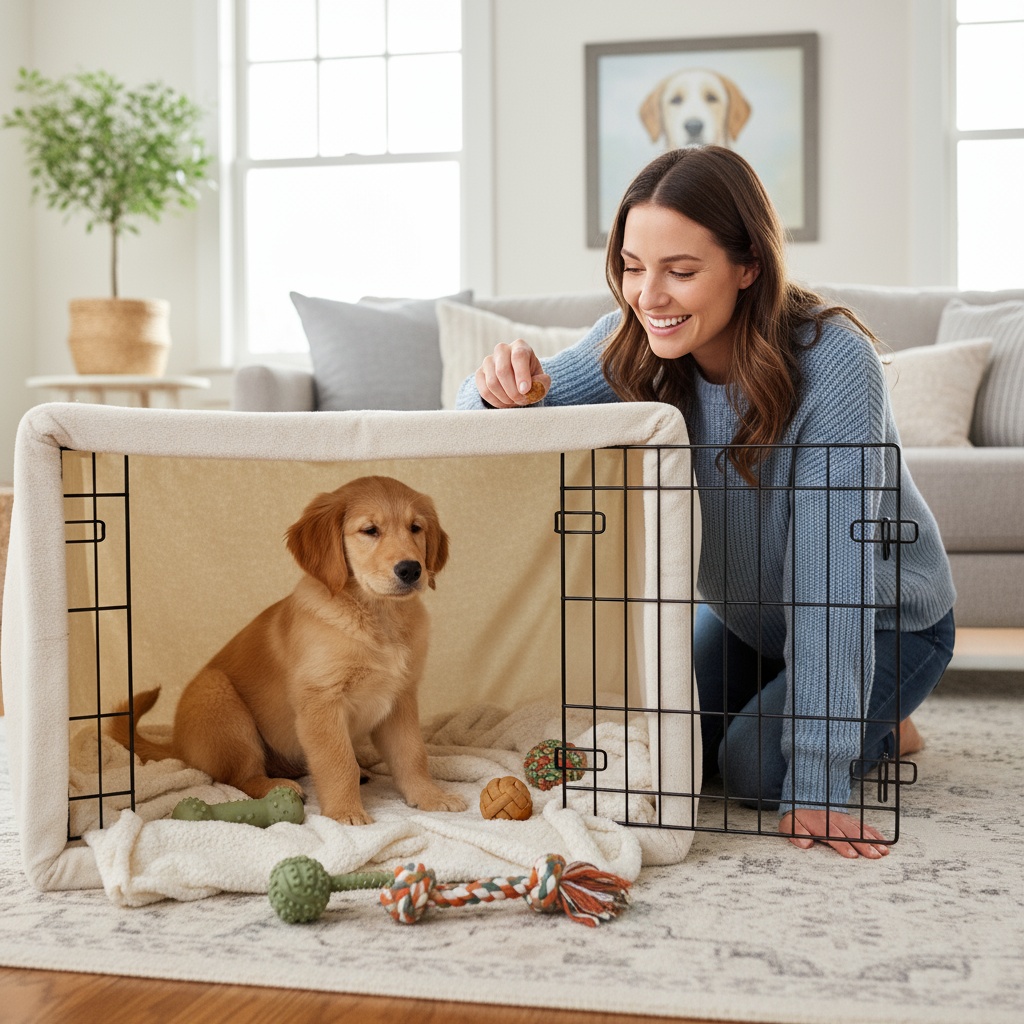
- Crate Training: Gives your pup a safe place to rest and chew on appropriate items only.
Combine these with training, and you’ll see a HUGE difference in your pup’s biting behavior over time.
Special Cases—When Puppy Biting Gets Out of Hand
If you’re consistent and follow the steps above, biting should lessen. But sometimes, biting is really persistent, super hard, or starts to look aggressive instead of playful. What then?
- Puppy won’t release grip no matter what? Calmly use a toy to disengage, and consider reaching out to a professional trainer.
- Biting accompanied by growling, stiff body, and snapped jaws? This can signal fear or aggression—definitely contact a pro.
- Puppy is scared, shy, or snaps at strangers? Don’t wait to get help. Early intervention is key for these pups.
Most pups are simply learning, but if you have any doubts, a session with a certified trainer can make all the difference.
Tips for Kids and Visitors—Making Everybody Bite-Proof
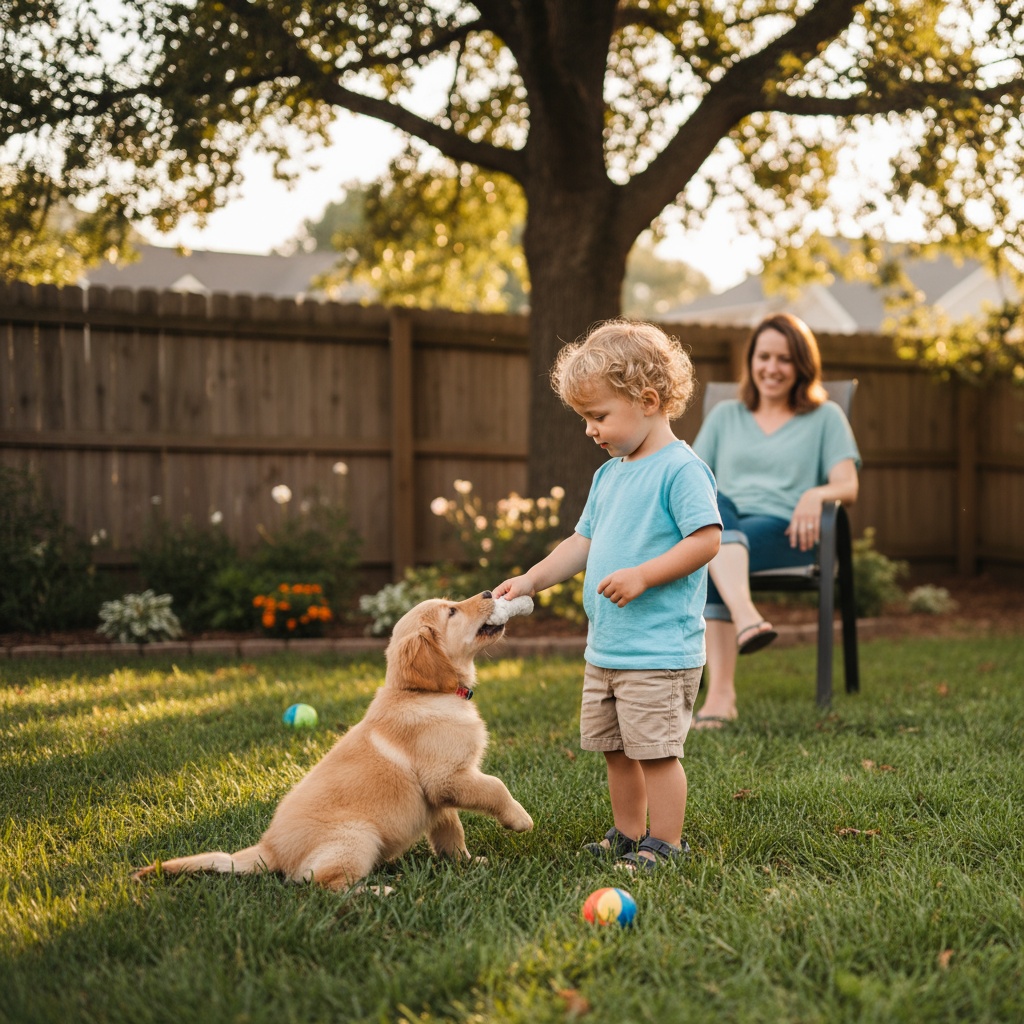
Little humans are more likely to get bit simply because puppies see them as playmates. Teach kids how to interact safely:
- Stay Calm: Running and squealing excites puppies and triggers those little chompers.
- No Waving Hands: Teach kids to pet, not wave or grab.
- Supervise all playtime between puppies and kids.
- Teach “Be a Tree”: Stand still, hands at your sides, and ignore the puppy if it gets too nippy.
For visitors (or your delivery guy, LOL):
- Explain that the puppy is learning manners.
- Offer treats for calm greetings only.
- Encourage guests to ignore the pup if it mouths or jumps up.
With everyone on board, you’ll see progress much faster.
How Long Does It Take to Stop Puppy Biting?
This part varies. Some pups catch on quick and others take weeks or even a couple of months. What matters is your consistency! Most puppies get a handle on biting by the time their adult teeth are in (around 5-6 months), but the sooner you start teaching how to stop puppy biting, the better your results will be.
A quick recap for success:
- Consistency: Apply the same rules every time, everywhere.
- Positive Reinforcement: Good behavior always gets love and praise.
- Don’t Lose Hope: Progress might come in spurts—stick with it!
Frequently Asked Questions About How to Stop Puppy Biting
Is biting just a phase? Do all puppies grow out of it?
It’s mostly a phase tied to teething and learning, but not every pup “just grows out of it.” Active training is the surest path to success in how to stop puppy biting.
Can teething toys really help?
YES! Good teething toys not only comfort sore gums, but they also help redirect your puppy’s chewing away from your hands and onto appropriate objects, totally helping on the journey how to stop puppy biting.
What if my puppy only bites one person?
Often, the person being bitten is inadvertently encouraging it with inconsistent responses or rougher play. Make sure everyone interacts the same way to stop this.
Should I spray my dog with water or bitter apple?
Eh, while these might startle your pup, they don’t actually teach the correct behavior. Focus on redirecting instead of punishing in your plan for how to stop puppy biting.
When should I get help from a trainer?
If biting becomes aggressive, is paired with growling, fear, or your efforts don’t work after a couple months—get professional help ASAP. Early training is everything!
Wrapping Up: The Ultimate Puppy Biting Solution
There you have it! Now you know exactly how to stop puppy biting using real, no-nonsense steps. You’ll need patience, persistence, and a sense of humor (because puppies will puppy, after all)—but in no time, you’ll have a happier, more polite, less bitey furball on your hands. Don’t sweat the small setbacks. Celebrate those wins, keep up the good work, and remember you’re shaping a lifelong companion. Good luck, and may your hands be gloriously free of puppy teeth marks soon!