Biting is one doggy habit that can drive any pet owner up the wall. If you’re constantly asking, “How to get your dog to stop biting?” you’re not alone. Biting is a totally normal behavior for pups, especially during puppyhood, but when your furball turns into a serial nibbler or worse, a full-on chomper, it’s time to nip that habit in the bud. Let’s dig deep into how to get your dog to stop biting, break it down into simple steps, and give you the tools to turn your doggo into a gentle, sociable companion.
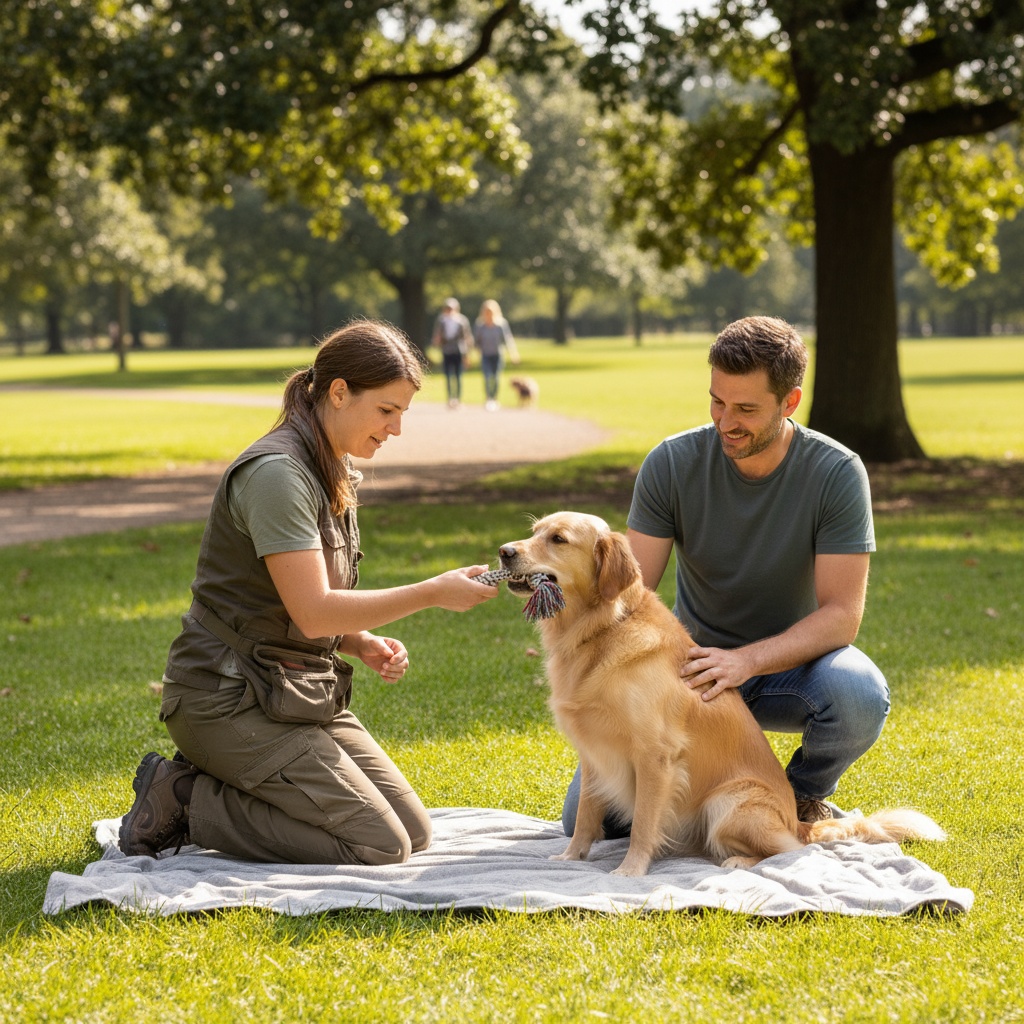
Why Puppies Bite (And It’s Kinda Normal)
Puppies discover their world, just like toddlers—using their mouths. Teething is a major culprit. Those razor-sharp puppy teeth are no joke, but for dogs it’s a phase they gotta go through. In puppy litters, biting is actually a way to play and learn limits. When a pup bites too hard, siblings yelp and the fun stops. It’s kinda nature’s way of teaching bite inhibition. But in a human home, we need to fast-forward that lesson—especially if you’re Googling how to get your dog to stop biting because you’re over it!
Understanding Types of Dog Biting
- Puppy Mouthing: Playful nibbling, usually harmless but can hurt lil’ fingers!
- Teething Chews: Dogs just trying to soothe their sore gums.
- Fear Biting: Your pup might lash out if they’re scared or anxious.
- Resource Guarding: Biting when protecting food, toys, or even people.
- Aggressive Biting: This ain’t playtime. This is when you need to get serious help!
Can Dogs Just ‘Grow Out’ of Biting?
It’s a fair question! And yeah, sometimes puppies will naturally mellow out as they age. BUT if you don’t address it, you might be left with an adult dog who thinks biting is chill—newsflash, it’s not. That’s why knowing how to get your dog to stop biting isn’t just a short-term fix, it’s a life skill every dog owner needs in their toolkit.
The Fast Track: Step-By-Step Guide to Stop Dog Biting
Step 1: Socialization – The Key to a Friendly Pup
One of the best ways to prevent biting is to make sure your pup gets out and about. Meeting new people, dogs, and experiencing new sounds can help them be less fearful. Here’s what helps:
- Start early! Get your pup in puppy classes as soon as it’s safe.
- Set up controlled playdates.
- Expose your dog to different places (parks, pet-friendly stores, walks around the hood).
- Reward calm, friendly behavior with treats and praise.
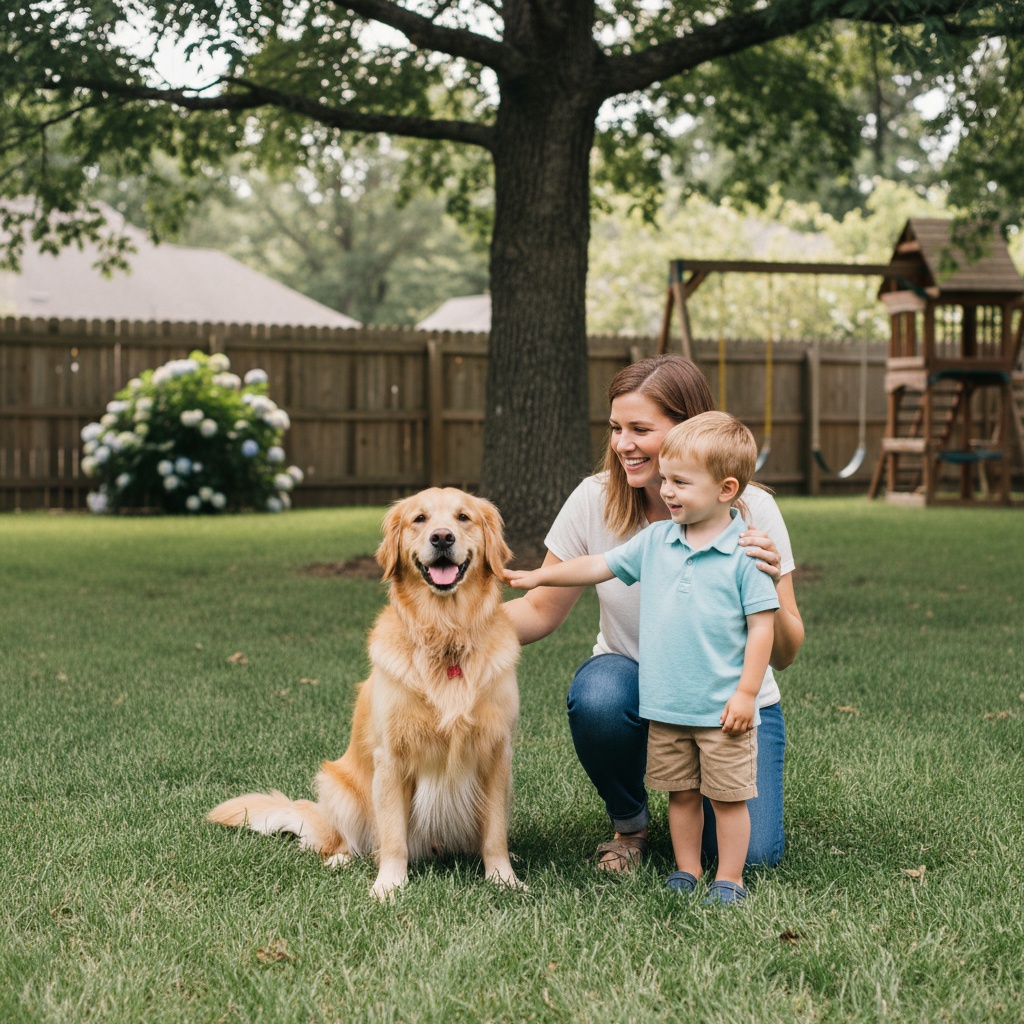
Step 2: Teach ‘No Biting’ Without the Drama
Every time your dog nips, don’t freak out. Instead, try these pro tips to answer how to get your dog to stop biting:
- Yelp loudly: When your dog bites, give a high-pitched “Ow!” That’s what their siblings would do.
- Freeze: Don’t yank your hand away. Let it go limp and ignore your dog for a few seconds. Attention is what they want, so denying it is a biggie.
- Time-Outs: If your dog keeps biting, stop playing and leave the room for a minute or two. Every time, your dog will connect the dots—bite means end of fun. Consistency is 🔑!
- Offer a Toy Swap: If they’re teething, redirect that urge to chew onto a chew toy instead of your hand. Praise them when they go for the toy—it reinforces good choices.
Step 3: Train Alternative Behaviors
In dog lingo, it’s called ‘shaping behavior.’ Basically, you replace bad habits with good ones. Here’s the lowdown:
- Teach ‘Drop It’ and ‘Leave It’: Always pair the cue with a treat and use it during play.
- Teach ‘Gentle’ or ‘Easy’: Before giving treats, ask your dog to take it “gentle.” If they grab, pull back and try again.
- Touch Game: Encourage your dog to touch your palm instead of chomping it. Mark and reward the gentle touches.
Step 4: Consistently Reinforce Good Behavior
Want to know the golden ticket on how to get your dog to stop biting? Consistency and patience. Mixed messages only confuse your pooch. Set boundaries, communicate clearly, and don’t backslide even when those puppy eyes beg for forgiveness.
What NOT to Do When Your Dog Bites
- Don’t yell or hit: This just teaches your dog to fear you, or worse, bite back!
- Don’t encourage rough play: Tug-of-war and wrestling can get too aggressive if done wrong, especially with handsy pups.
- Don’t ignore serious aggression: If your dog’s bites break skin or are paired with growling and snarling, GET HELP ASAP.
Puppy Biting VS Adult Dog Aggression
Puppy biting is usually play or teething. Adult dogs who bite? That’s a red flag. If you suddenly find you’re looking up how to get your dog to stop biting and your full-grown pooch is the culprit, you may need a pro dog behaviorist or trainer in your corner. Seriously, don’t gamble here!
Tools of the Trade: What Can You Use?
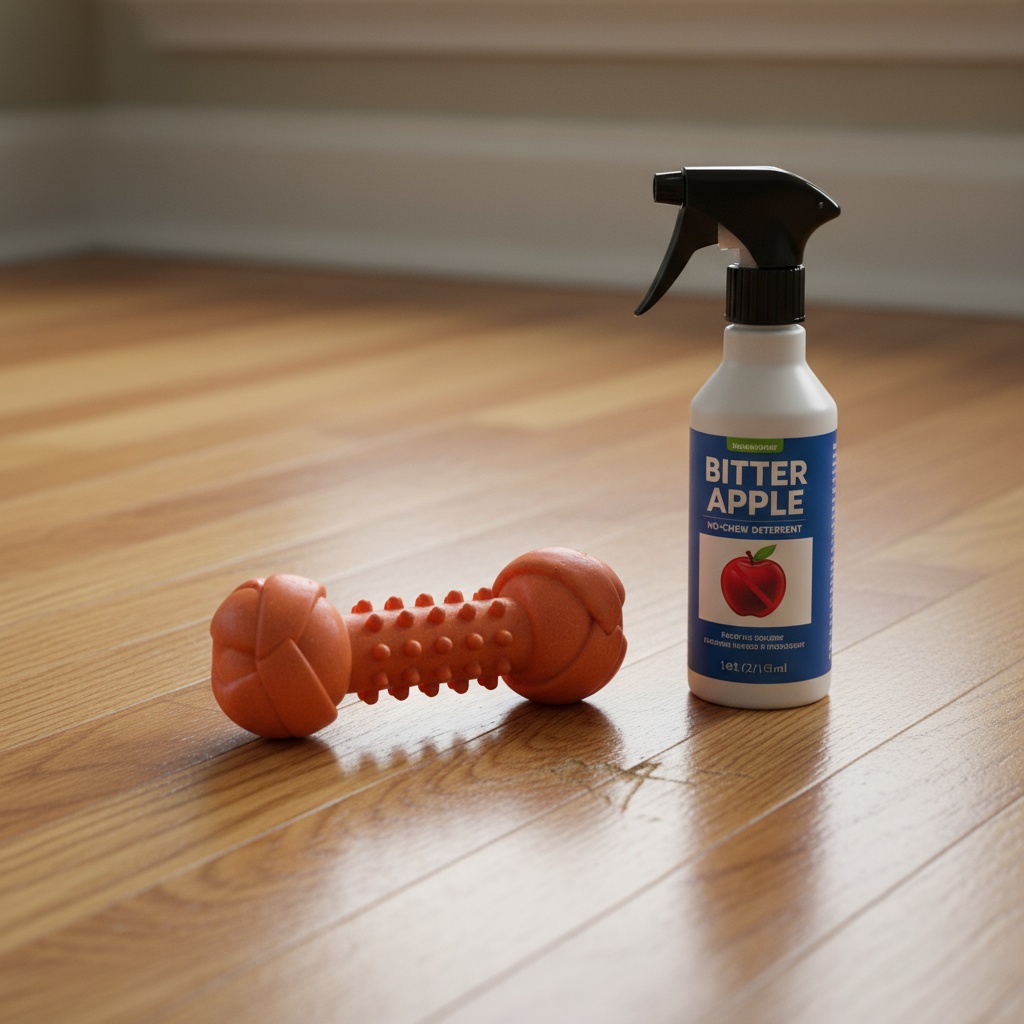
- Chew Toys: Stuffed, squeaky, rubber—whatever floats your pup’s boat.
- Bitter Sprays: Spray on stuff you want your dog NOT to bite (shoes, cords, furniture).
- Puppy-Proofing: Keep tempting things out of reach.
- Training Treats: Must-have for positive reinforcement.
Understanding Why Dogs Bite
Dogs bite for a ton of reasons—teething, play, excitement, nervousness, even pain or illness. If you’re unsure, check for these:
- Tail tucked, body tense? Could be fear.
- Guarding toys or food? That’s resource guarding.
- Biting during certain activities? Could signal pain or over-stimulation.
Anytime your pup suddenly starts biting, a vet check never hurts. Better safe than sorry, right?
Prevent Bites Before They Start: Socialization & Handling
Part of knowing how to get your dog to stop biting is setting them up for success:
- Touch their paws, ears, and mouth gently every day (with treats, so they like it!)
- Introduce your dog to people of all sizes, dogs, and new experiences slowly
- Never force a scared dog into a situation—let them explore at their own pace
Dealing With Fear-Based and Aggressive Biting
Let’s get serious for a sec—some dog bites aren’t just play; they’re warning signs. If you’re struggling with a dog who is biting due to:
- Resource guarding (growling around toys/food)
- Snapping at kids or strangers
- Redirected aggression (bites you when upset at something else)
Then you NEED to get pro help. Look up a certified dog trainer or behaviorist. Sometimes you gotta swallow your pride and admit when it’s above your paygrade, y’know?
How to Get Your Dog to Stop Biting Kids
This one is common, because kiddos don’t always know doggy boundaries. Here’s the short list:
- Supervise all interactions between young kids and your dog.
- Teach kids to never pull, poke, or bother a dog while eating or sleeping.
- Practice calm greetings—no running or squealing.
- Dogs, especially puppies, get overexcited with loud, fast movements.
Always intervene at the first sign of trouble. Safety first, always!
How Long Does It Take For Dogs to Stop Biting?
Here’s the truth bomb: there’s no set timeline. Some pups chill out in a couple weeks, others take months. If you’re consistent with training, most will get the memo eventually. But certain breeds (like herding or working dogs) might have a stronger nibble instinct. Don’t lose hope!
Common Mistakes When Training Biting Out of Dogs
- Inconsistent rules: Sometimes letting your pup bite, sometimes not, just confuses them.
- Punishing after the fact: Dogs live in the moment—they need feedback instantly.
- Encouraging mouthy play: Wrestling with hands just teaches ‘em hands are toys.
Positive Reinforcement: The Ultimate Bite Buster
You catch more flies with honey than vinegar—same goes for dogs. Here’s what gets you results fast:
- Reward calm and gentle behaviors.
- Ignore or redirect nipping—don’t give attention to the bad stuff.
- Celebrate small wins. Did your dog pick up a toy instead of your shoe? Treat jackpot!
Tools and Resources for Serious Cases
- Certified Dog Trainers: Look for trainers certified by organizations like the IAABC or CPDT.
- Veterinary Behaviorists: Sometimes health issues trigger aggression—always check with your vet.
- Dog Training Books and Online Courses: Invest in resources that focus on positive training techniques.
Remember: Patience Is Your Best Friend
You won’t stop your dog’s biting overnight. It takes time, patience, and a ton of consistency. But if you stick with it, your dog will learn. Celebrate progress, and don’t sweat the setbacks—every dog learns at their own pace.
Summary: Your Step-by-Step Game Plan to Success
- Socialize your dog early and often
- Teach bite inhibition by yelping and ignoring bites
- Use time-outs and toy redirection
- Never encourage rough play with your hands
- Supervise interactions, especially with kids
- Reward calm, gentle behavior consistently
- Don’t hesitate to get professional help for stubborn or scary cases
If you’re still stuck on how to get your dog to stop biting, don’t stress. Every dog can learn with the right training and a little love. The key? Be calm, be consistent, and never give up. Trust me, the day your doggo greets you with kisses not nibbles, it’ll all be worth it!