So, you’ve got a new pup in your home, huh? First off—congratulations! There’s nothing like that wagging tail and those sloppy kisses. But, real talk: the one thing just about every new dog owner frets about is house training a puppy. If you’re reading this, chances are you’re desperate for ways to make those accidents on the carpet a thing of the past (and trust me, you’re not alone!).
Understanding House Training a Puppy: Why It’s Critical
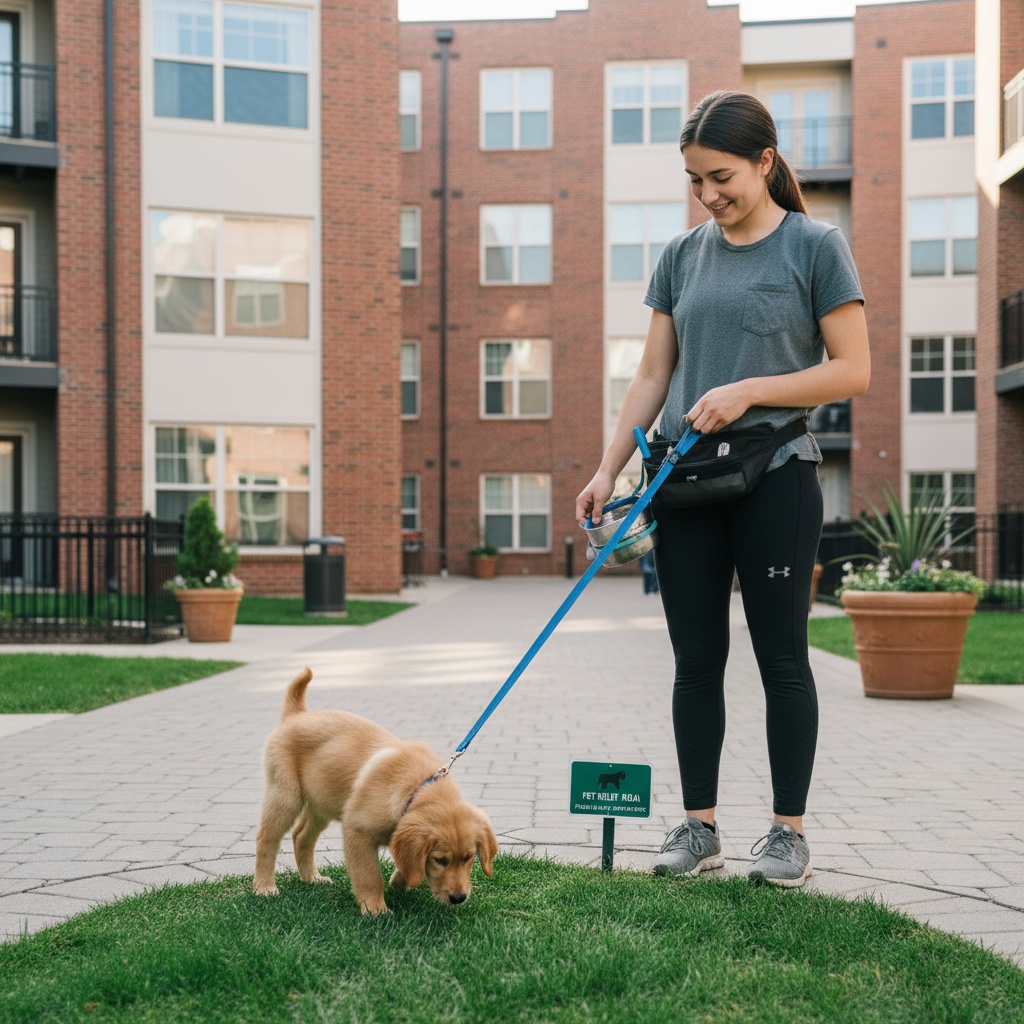
Let’s be honest—no one wants to come home to a mess on the floor. House training a puppy is all about teaching your fur baby where it’s OK to go potty…and where it’s totally not. More than just keeping your house clean, it sets the foundation for discipline, trust, and a happy, healthy relationship between you and your doggo.
Puppies honestly don’t know any better at first—so don’t get too frustrated if things don’t click right away. They’re kinda like toddlers in fur coats. But with patience, a solid plan, and a bit of love, you’ll ace house training a puppy in no time.
How Long Does House Training a Puppy Take?
This is like asking, “How long is a piece of string?”—it honestly varies. But in general, expect house training a puppy to take between four and six months. Some dogs are little geniuses and pick it up in a matter of weeks. Others? Well, they need a smidge more time (and maybe a few more treats as bribes). And yes, accidents will happen. The trick is consistency, positivity, and understanding.
When to Start House Training a Puppy
The best time for house training a puppy is the moment you bring that cutie home. Puppies can start learning bathroom etiquette at around 12 to 16 weeks old. Before that, they just don’t have enough control yet, so don’t expect miracles from a super-young pup.
Setting Up for Success: What You’ll Need
You don’t need a ton of fancy gear, but a few basics will go a long way. Here’s what helps:
- Crate — A safe, comfy space for your puppy that they won’t want to soil.
- Puppy pads — For those “can’t make it outside” emergencies.
- Cleaning supplies — Accidents are gonna happen, bud. Be ready.
- Tasty treats — For rewarding every win, big or small.
- Leash — Even if you have a yard, leash walks help establish a routine.
Establishing a Routine for House Training a Puppy
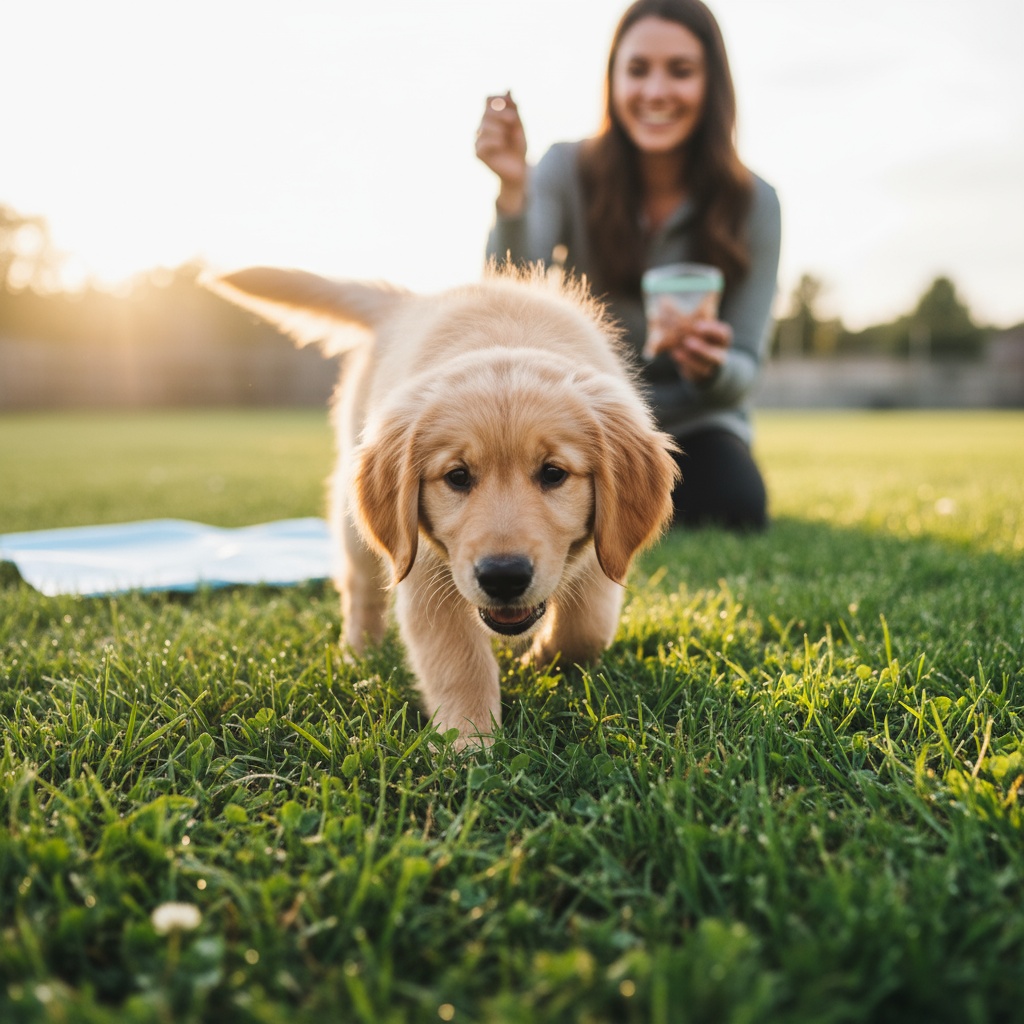
Puppies thrive on routines, and house training a puppy totally depends on it. Set a schedule for everything, especially bathroom breaks. Here’s a sample routine:
- First thing in the morning
- After every meal
- Every nap/wake-up period
- After play time
- Right before bed
Stick to the same potty spot outside—puppies learn by scent and repetition! If you’re city living, choose a nearby patch of grass or dirt and keep those bathroom trips consistent.
Puppies Are Like Timers: Know When They’re Gonna Go
One golden rule when house training a puppy: they usually need to pee or poop about 10-15 minutes after eating, drinking, or waking up. Don’t wait till they’re doing that familiar sniff-spin-squat routine—it’ll be too late! Take them out often, especially at first. Remember, a puppy’s bladder control is measured in hours roughly equal to their age in months. That means a two-month-old puppy usually needs a breather every two hours, max.
The Crate Is Your Best Friend (Seriously!)
Some folks think crating is mean, but when done right, it’s a comfort zone for your pup and a sanity-saver for you. Most dogs won’t relieve themselves where they sleep, so using a crate helps with house training a puppy. Here’s how to use it right:
- Make it cozy—add blankets, toys, and make it inviting.
- Never use the crate for punishment.
- Ensure the crate’s not too big; just enough room to turn around and stretch.
- Keep the crate close in the early days so you can hear those whimpers when puppy needs to go.
Spotting Potty Signals: What To Watch For
Before your pup even knows how to ask, you gotta play detective. Watch for these signs:
- Sniffing or circling
- Whining or barking
- Pacing or wandering off
- Sudden distraction or heading to the door
When you see these, drop everything and get outside ASAP! Recognizing bathroom signals is a game-changer in house training a puppy.
Positive Reinforcement: Your Secret Weapon
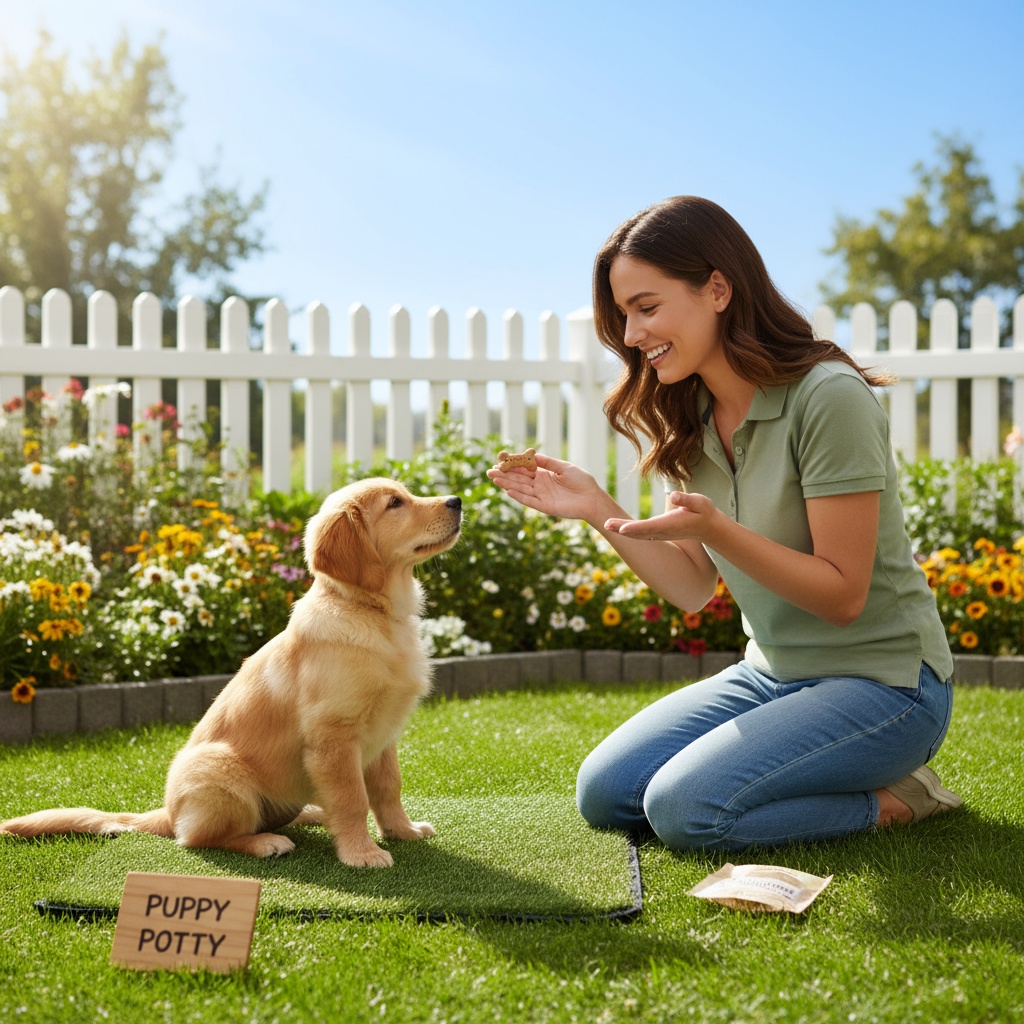
Praise works wonders. Every time your pup does their business where they’re supposed to, get ridiculously excited. Like, cheerleader excited. Give treats, belly rubs, or even a tiny party. Why? Because house training a puppy is all about connecting the dots—”potty outside equals good stuff happens!”
Avoid yelling, punishment, or rubbing their nose in messes. This just makes pups scared and confused. Oopsies are learning moments, not reasons to get mad.
Handling Mistakes Like a Pro
It happens to the best of us. Maybe you were scrolling Insta or caught up in a show, and—bam—accident. The first rule of accidents: stay calm. When you catch your pup in the act, say a firm “No” (not too scary), scoop them up, and take them outside or to their pee pad.
Once the mess is cleaned with an enzyme cleaner (to totally banish the smell—otherwise, pups might revisit!), carry on as normal. Never scold if you find a dried-up puddle—they’ll have zero clue why you’re upset.
Night Time: Keeping It Accident Free
Pups can’t hold it all night long at first. For the first couple of weeks, you might need to set an alarm once or twice at night. Gradually, your puppy will be able to last longer, but in the early days, patience is key.
- Pick up water two hours before bedtime to reduce bathroom urges overnight.
- Take a final trip outside right before the lights go out.
House Training a Puppy in Apartments
If you’re in a high-rise, daily sprints down the stairs aren’t exactly easy. But you can still totally nail house training a puppy in an apartment! Use pee pads near your door, balcony, or designated potty spot until they develop bladder control and can make it out reliably. Reinforce the transition to outdoor potty spots as much as possible.
Common House Training Mistakes
Even seasoned dog lovers slip up now and then. Don’t beat yourself up if you make these mistakes—they’re super common in house training a puppy:
- Waiting too long between breaks—tiny bladders won’t wait for your next Zoom call to end.
- Getting mad about accidents—it only scares your pup.
- Not cleaning up properly—pups love to return to the scene of the crime if they smell old messes.
- Letting routines slide—consistency is key, y’all!
Tips to Speed Up House Training a Puppy
- Feed at set times—predictable eating equals predictable pooping.
- Keep a record—jot down when and where your pup goes to spot patterns.
- Use command words—say “go potty” or whatever every time they do their thing.
- Keep outings positive—lots of treats and praise every time.
- Be patient—puppies pick up on your vibes, so chill is best.
What About Older Pups or Rescue Dogs?
If you’re house training a puppy that’s a little older or came from a rescue, don’t sweat! The same basics work, but be prepared for a longer adjustment period or to undo old habits. Routine and positive reinforcement still rule here.
Sometimes, older puppies have picked up some bad habits or weren’t given any direction in their previous home. Go at their pace, don’t rush it, and celebrate every small win. You’ve got this!
Outsmarting Setbacks: Relapses and Regression
Puppies can be total little tricksters—just when you think you’ve cracked house training a puppy, accidents can creep back in. Stress, schedule changes, or even a new dog in the building can set things off. If this happens:
- Go back to basics. Increase outings and praise again.
- Look out for health issues, like urinary tract infections—sometimes accidents mean there’s a medical reason.
- Reinforce good behavior with treats and love.
- Stay consistent. Your routine is everything.
When Should You Call the Vet?
Usually, house training a puppy is just about learning the ropes. But if your puppy is peeing huge amounts, having diarrhea constantly, seems in pain, or if you just can’t get accidents under control after months of trying, give your vet a ring. Sometimes, medical stuff can get in the way—best to rule that out early.
FAQs on House Training a Puppy
- Q: How do I stop my puppy from peeing in the house?
A: Routine, consistent praise for outside potty, and quick cleanup of accidents! - Q: Is it okay to use pee pads?
A: Sure! Just transition to outdoor potty when your puppy is older, so pads aren’t forever. - Q: My puppy won’t go outside—help!
A: Make it a fun event! When house training a puppy, bring treats and make potty time a party. - Q: How many accidents are normal?
A: Totally depends, but expect several per week for the first month or two.
Success Stories: Real Life Wins with House Training a Puppy
Sometimes it just helps to know you’re not alone, right? Countless dog owners go through the trial-and-error of house training a puppy, and come out the other side with a well-behaved, happy pup. Some take weeks, others months—it’s normal! You got this.
End the Stress: Mastering House Training a Puppy Like a Pro
Let’s sum it up—you can totally crack house training a puppy with the right schedule, patience, and a little help from your secret weapon (treats!). Remember:
- Start early, as soon as your pup comes home
- Stick to a regular potty schedule
- Use crates and pads as tools, not as a crutch
- Stay positive and don’t lose your cool
- Celebrate every success, no matter how small
Your puppy isn’t just learning where to pee; they’re learning that your home is a safe, loving place. Before you know it—not a single rogue puddle in sight! Good luck with house training a puppy. You (and your carpets) will thank you.