If you’ve ever dreamed of having a super well-behaved dog who seems to read your mind, you’re in the right place. Let’s get right into it—dog training with clicker isn’t some hyped-up, wishy-washy method. It’s real, science-backed, and frankly, a total game-changer for anyone struggling to get their pup to “sit,” “stay,” or just ditch that habit of chewing your favorite sneakers. Whether you’re looking to train a puppy, iron out some issues in your rescue, or just bond better with your furry buddy, dog training with clicker could be the answer you never even knew ya needed.
What is Dog Training with Clicker Anyway?
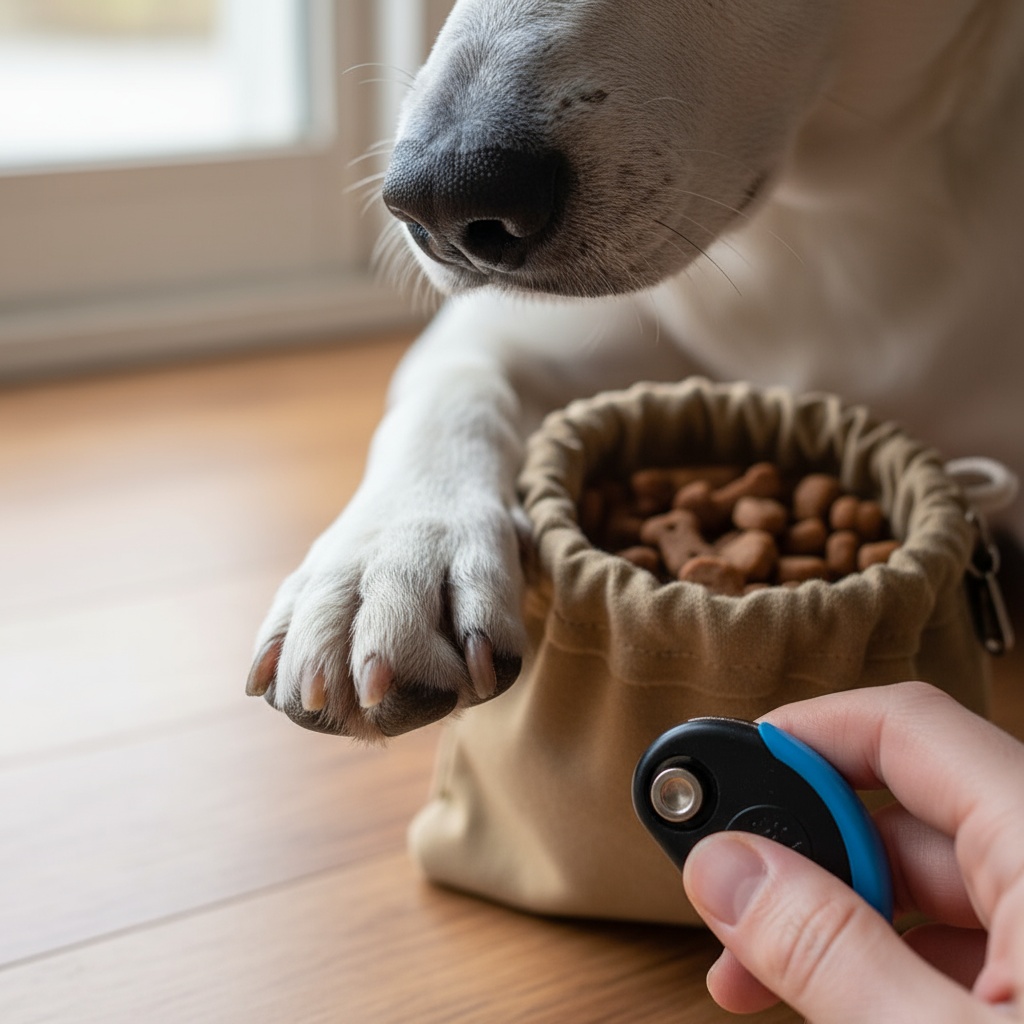
Alright, first things first: let’s break it down. Dog training with clicker involves using a small handheld device that makes a distinct “click” sound. Why? Because dogs literally love precise communication. That click tells your dog, “You did it!”—and a treat or reward follows each click. It’s super simple, right? But the results are honestly amazing.
- Precision: The click pinpoints the exact moment your dog does what you want.
- Consistency: The sound is always the same, never tired or cranky-sounding, unlike our voices.
- Fun factor: Dogs actually enjoy training this way because they know good stuff is coming! Who wouldn’t?
Why Does Dog Training with Clicker Work So Freakin’ Well?
The magic is all about timing and positive reinforcement. When your pup does something right—let’s say sits their butt down on your command—you click, then give a treat or a favorite toy. The click marks the exact good behavior. Soon, your dog figures out, “Hey, if I do what the human says, I get awesome stuff!” Clicker training taps into how animals naturally learn. It’s based on good ol’ science (thank you, Pavlov) and helps avoid the negative and punishment-based old-school approaches.
Benefits of Dog Training with Clicker
- No confusion: Dogs learn faster because the click instantly marks what they did right.
- Builds trust: Fido knows good things happen around you, so your bond skyrockets.
- Completely humane: No harsh punishments, just fun, motivation, and loads of tail wags.
- Works for any dog: Seriously, any breed, age, or temperament.
- Reduces anxiety: Confident dogs are happy dogs, and clear feedback helps nervous pups.
How To Get Started: The Clicker Setup
Getting started with dog training with clicker is easier than you think. All you need is a clicker (they cost just a few bucks) and a boatload of treats. Here’s the basics:
- Buy a clicker: Most pet stores have ‘em, or order online.
- Gather high-value treats: Tiny bits of chicken, cheese, or special dog treats work wonders.
- Pick a quiet spot: Fewer distractions the better, at least at first.
- Start clicking! (But wait—keep reading for the details.)
Charging the Clicker
Before you even ask your dog to do anything, you gotta “charge the clicker.” That means creating an association between the click and tasty rewards.
- Click your clicker. Immediately hand your dog a treat.
- Repeat this like 10-15 times. Click, treat, click, treat.
- Your dog will start looking for the treat as soon as they hear the click. Boom! The magic link is there.
The First Command: Sit
Let’s make “sit” the first command for dog training with clicker. Here’s what you’ll do:
- Hold a treat in front of your dog’s nose. Move it slowly upwards so their butt naturally goes down.
- As soon as your dog’s bottom touches the floor—click!
- Immediately give them the treat.
- Repeat 10-15 times over a couple short sessions (no need to overdo it, keep it fun).
Dogs are clever! They’ll soon connect “butt-on-floor” with click-and-treat. Welcome to your first victory in dog training with clicker!
Dog Training with Clicker for Common Issues
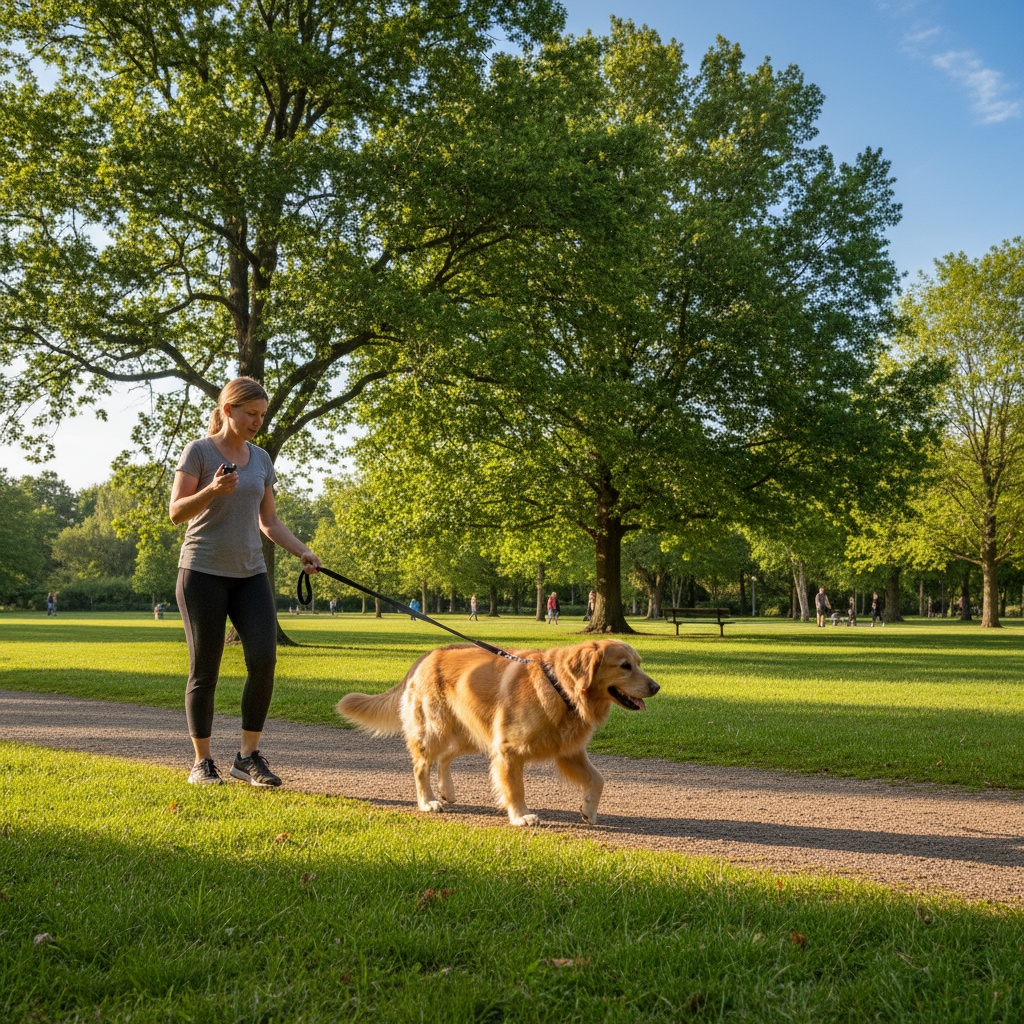
The beauty of dog training with clicker is you can use it for just about everything. Let’s say your pup is pulling on the leash, jumping up on guests, or just plain ignoring your calls at the park—clicker training works for that, too.
Here’s the lowdown on how you can use clicker magic to fix a bunch of daily issues:
Leash Pulling
- When your dog walks next to you without tugging, click and treat.
- At first, click every single step your dog takes beside you.
- Gradually increase the number of steps between clicks as your dog improves.
Jumping Up
- Ignore your dog when they jump.
- When all fours hit the ground—click and treat!
- Soon, they’ll realize calm equals treats, not chaos.
Recall (Coming When Called)
- Call your dog’s name in an upbeat tone. When they run toward you, click and treat.
- Pair the click with “jackpot” treats so they love coming when called.
What Makes Clicker Training Better than Other Methods?
Let’s be real—there are tons of dog training theories out there. So why is dog training with clicker so highly recommended by trainers, vets, and behaviorists worldwide?
- No guesswork: The click marks the exact right action, making learning super clear for your dog.
- Zero force: No need to yank leashes, raise voices, or freak out. Just positive vibes!
- Builds confidence: Clicker trained dogs learn to think, try new things, and aren’t scared to make mistakes.
- Perfect for every skill level: Never trained a dog before? No stress—you’ll pick this up quick.
The Science Behind Dog Training with Clicker
Clicker training is all about operant conditioning. That’s a fancy way of saying “reward what you like and ignore what you don’t.” The click is a marker—think of it as snapping a photo of good behavior. Science says animals, from dolphins to birds, thrive under this method—and dogs are no exception. Many animal training pros around the world rely on clickers to shape amazing, reliable behaviors in all sorts of species.
Advanced Dog Training with Clicker
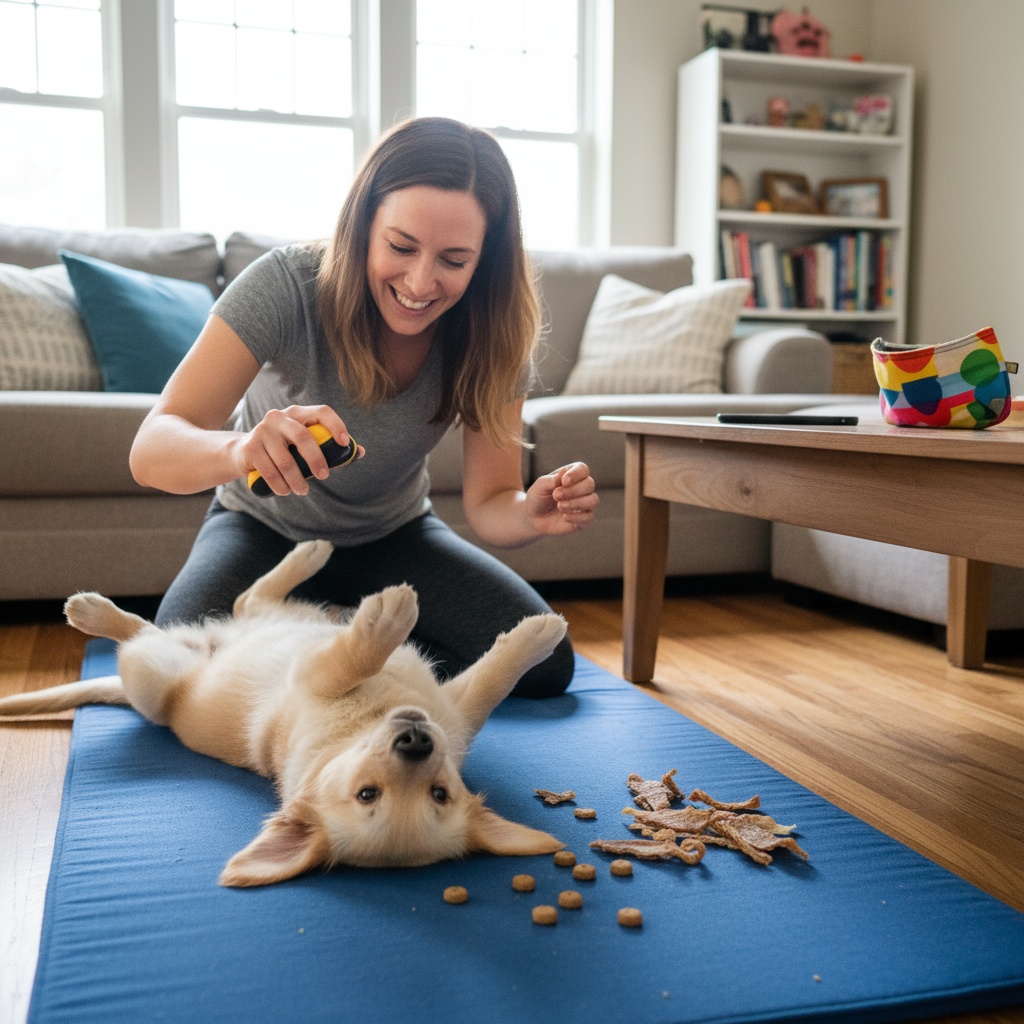
Once you and your dog are crushing it with the basics (sit, stay, down, come), you can totally level up. Dog training with clicker can be used to teach:
- Tricks—rolling over, playing dead, shaking paws
- Agility—jumping through hoops, weaving poles, balancing on beams
- Behavior chains—get the mail, close the door, pick up toys, etc.
- Service dog tasks—retrieving items, alerting to sounds, medical responses
- Scent work and nose games
You’ll be amazed how fast your dog “gets it” and how much fun the two of you can have. The sky’s the limit when it comes to dog training with clicker.
Shaping & Capturing: Advanced Techniques
- Shaping: Rewarding tiny steps toward a final action. Example: Dog learns to touch a bell with their nose before you teach them to ring it for potty breaks.
- Capturing: Click and treat when your dog naturally does a behavior (like yawning or stretching), then add a cue word later.
Common Mistakes in Dog Training with Clicker (And How to Avoid ‘Em!)
Nobody’s perfect—and training isn’t always a smooth ride. Here’s the hiccups most peeps hit:
- Clicking too late or too early—this confuses your dog. Practice your timing.
- Not rewarding fast enough. Treats should follow the click right away—like, lightning fast.
- Getting clicker-happy. Don’t click for just anything. Only reward the behaviors you want.
- Over-training. Keep sessions short and sweet, or your dog gets bored or tired.
- Inconsistency. Everyone in the house needs to be on board with the same cues, same timing, same rules.
Frequently Asked Questions
- Do I always have to use the clicker? Nope. Once your dog knows a behavior, you can fade the clicker and rely on cues and treats.
- What if my dog is scared of the click? Try a softer clicker, click in your pocket, or use a verbal marker like “yes!”
- My dog doesn’t seem interested in treats? Try higher value treats, or make sure your pup isn’t full from dinner.
- Can older dogs learn this way? For sure. Dog training with clicker works for all ages!
Other Tools to Use Alongside Clickers
Dog training with clicker is awesome by itself, but you can totally mix in other things for max results.
- Treat pouches – Keep rewards handy so your timing is flawless.
- Target sticks – Teach super fun tricks or guide your dog through new behaviors.
- Long lines – Practice recall or advanced training with your dog safely on a long leash.
Bonding & Confidence: The Hidden Perks
Dog training with clicker is more than just obedience—it’s a boost to your relationship. Dogs trained with clickers are literally more confident. They’re not scared to try new stuff, ‘cause nothing bad happens if they mess up. Smart, happy, well-adjusted pups are the result. Plus, you’ll find training becomes your favorite part of the day together, not some dreaded chore.
How Often Should You Practice?
Consistency beats marathon sessions, always. Aim for 5- or 10-minute bursts, 2-3 times per day. Mix it up—practicing at home, outside, or even just during TV commercials. Remember, patience pays off. Dog training with clicker only works if you and your dog are having fun and staying patient.
Troubleshooting and Tips for Success
- Keep sessions short and upbeat. End on a win, even if it’s tiny.
- Don’t punish mistakes. Just reset and try again.
- Switch rewards up – sometimes play, sometimes food, sometimes a belly rub.
- Generalize behaviors— try cues in different places & situations once your dog is nailing things at home.
Is Dog Training with Clicker Right for You?
If you want a sidekick who listens, respects you, and loves learning, dog training with clicker is legit worth a try. It’s drama-free, frustration-proof, and truly delivers—plus it makes you look like a total pro at the dog park. Give it a fair shot with any dog and just wait for the results. You’ll have people asking you, “How’d you get your dog to do that?!” Trust me, you’ll be stoked at how quickly your pup picks up new skills and how your bond deepens. You don’t need to be a dog training expert—all you need is patience, treats, and a $3 clicker.
Dog training with clicker isn’t just a fad or something reserved for show dogs. It’s real, it’s fun, and it’ll transform your communication with your best friend. Whether you wanna tackle basic manners or teach epic tricks, this positive approach can easily become your new go-to. Grab a clicker, your dog’s fave treats, and watch the magic unfold. If you hit snags, that’s cool—just keep things positive and keep clicking. You totally got this, and your canine will thank you for it. Happy training, mate!