Let’s have some real talk: are you feeling stuck with your pup’s progress, getting a little frustrated remembering exactly what you worked on yesterday—or even last week? You’re not alone! One game-changing habit you can start is keeping a dog training journal. Seriously, it’s way more powerful than you might think, and I promise it’s way less complicated than you imagine. Whether you’re totally new to this concept or you’ve tried and given up, let’s dig in (pun intended) and find out how a dog training journal brings order, motivation, and actual results to your training journey. Trust me, you’ll wish you started this sooner!
What Is a Dog Training Journal and Why Is It Critical?
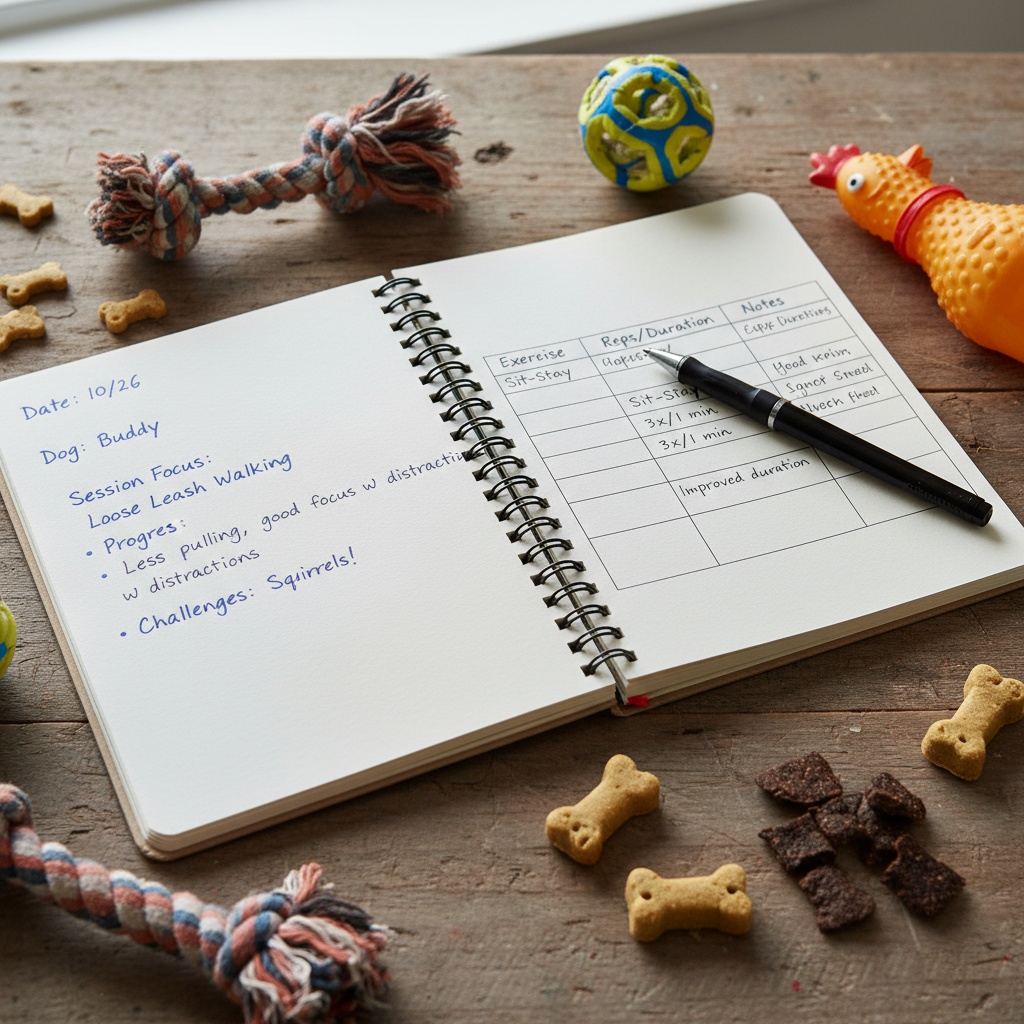
No fancy explanation here—it’s exactly what it sounds like. A dog training journal is a place (could be a notebook, app, spreadsheet, whatever feels comfy) where you jot down what happens during your dog’s training sessions. But don’t be fooled by the simplicity! This simple act unlocks a whole new level of clarity.
- Tracks your training consistency
- Records successes and setbacks
- Makes patterns and progress super obvious
- Helps you spot what works and what falls flat
Just imagine, no more guessing if you’ve really practiced “leave it” enough or why suddenly your dog won’t settle during dinnertime. A dog training journal puts your past right in your hands, in black and white.
How a Dog Training Journal Changes the Game
This isn’t just about being organized (though that’s def a perk). Keeping a dog training journal creates accountability. But that’s not all it does. Here’s what else this underrated tool pumps up:
- Clarity on Goals: You’ll define exactly what you’re working on, so every session has a point.
- Motivation to Train: Nothing feels better than seeing progress on paper, even if it’s just baby steps!
- Better Communication: If you work with a trainer or share the dog with family, it’ll keep everyone totally on the same page.
- Problem-Solving: When something’s not working, flipping back through your dog training journal shows you patterns you didn’t even realize were there.
Think of it as “receipts” for your dog’s journey—so you can brag, troubleshoot, and celebrate every win (and laugh off those spectacular fails).
Who Should Start a Dog Training Journal?
Here’s the truth: pretty much every single dog owner. Whether you’re raising your first puppy, adopting an older rescue, training for agility, or just trying to finally get your beagle to stop counter-surfing—your progress multiplies when tracked in a dog training journal. Seriously, even pro trainers keep detailed records.
But don’t just take my word for it—almost everyone who’s serious about building lasting habits or achieving long-term change uses a journal for feedback and momentum. Your dog training journey is no different.
What Should You Track in Your Dog Training Journal?
Chill, you won’t need to write a novel every day. Just capture what’s useful for you. A solid dog training journal often includes:
- Date and time of training
- Duration of the session
- The skill, cue, or behavior worked on
- Your dog’s mood (focused, distracted, energetic, tired, etc.)
- Your mood (yep—it matters!)
- What you used for rewards or corrections
- Number of successful repetitions
- What worked, what didn’t
- Notes about environment (noisy, new distractors, different location, etc.)
- Next steps or questions to explore
Basically, if it helps you recall or adjust, it belongs in your dog training journal. Don’t overthink or overcomplicate it—some days you’ll write two sentences, and that’s 100% okay.
Benefits of a Dog Training Journal—Straight from Real People
This is where the rubber meets the road. Here’s how a dog training journal has boosted progress and sanity for tons of folks just like you:
- Less Frustration: “I used to beat myself up thinking we’d made no progress. Looking back in my journal, I saw wins everywhere!” (actual feedback from a journal convert)
- Better Consistency: The simple act of writing it down made me less likely to skip even a quick 5-minute session.
- Pro-Level Precision: Dogs with issues like reactivity or separation anxiety make more progress when their triggers, successes, and setbacks are tracked. Vet behaviorists and trainers love a well-kept dog training journal because it saves everybody a ton of guesswork.
- Celebrating Tiny Steps: Success is a series of little wins, not just big breakthroughs. A dog training journal helps you notice and celebrate those daily victories!
How to Set Up Your Own Dog Training Journal (Your Way)
Ready to create your dog training journal? There’s no right or wrong way, but here’s a simple setup to get you rolling:
Option 1: Old-School Notebook
Grab a simple notebook or planner. Label a page for each session. Date it, and get to scribbling. Doodle, bullet-point, whatever works.
Option 2: Digital Dog Training Journal
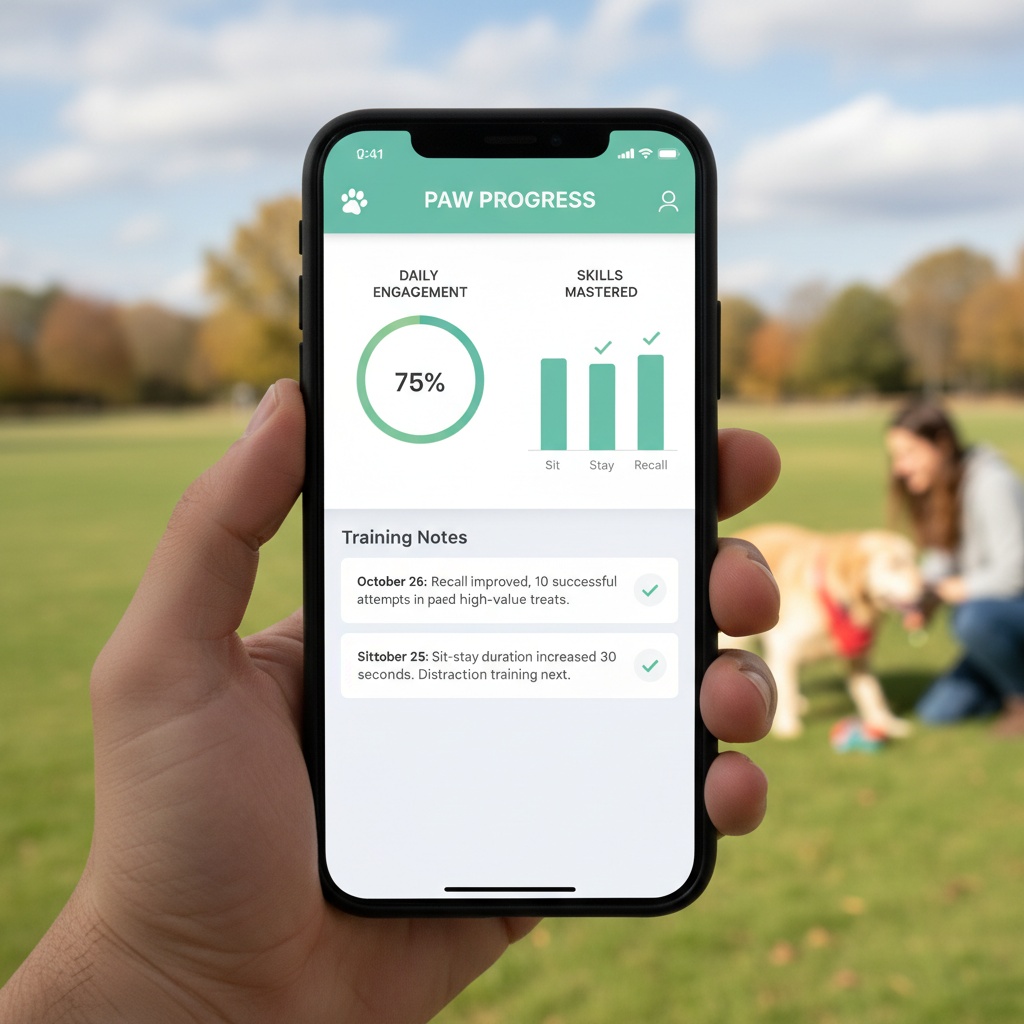
Love tech? Try a Google Doc, spreadsheet, or an app built for dog lovers—some are even free. Digital journals make searching, color coding, and attaching videos/pics a breeze.
Option 3: Printable Templates
Loads of free dog training journal templates live online. Customize one so it’s not too much or too little for your style.
Boom—you’re good to go!
Step-by-Step: Starting Your Dog Training Journal
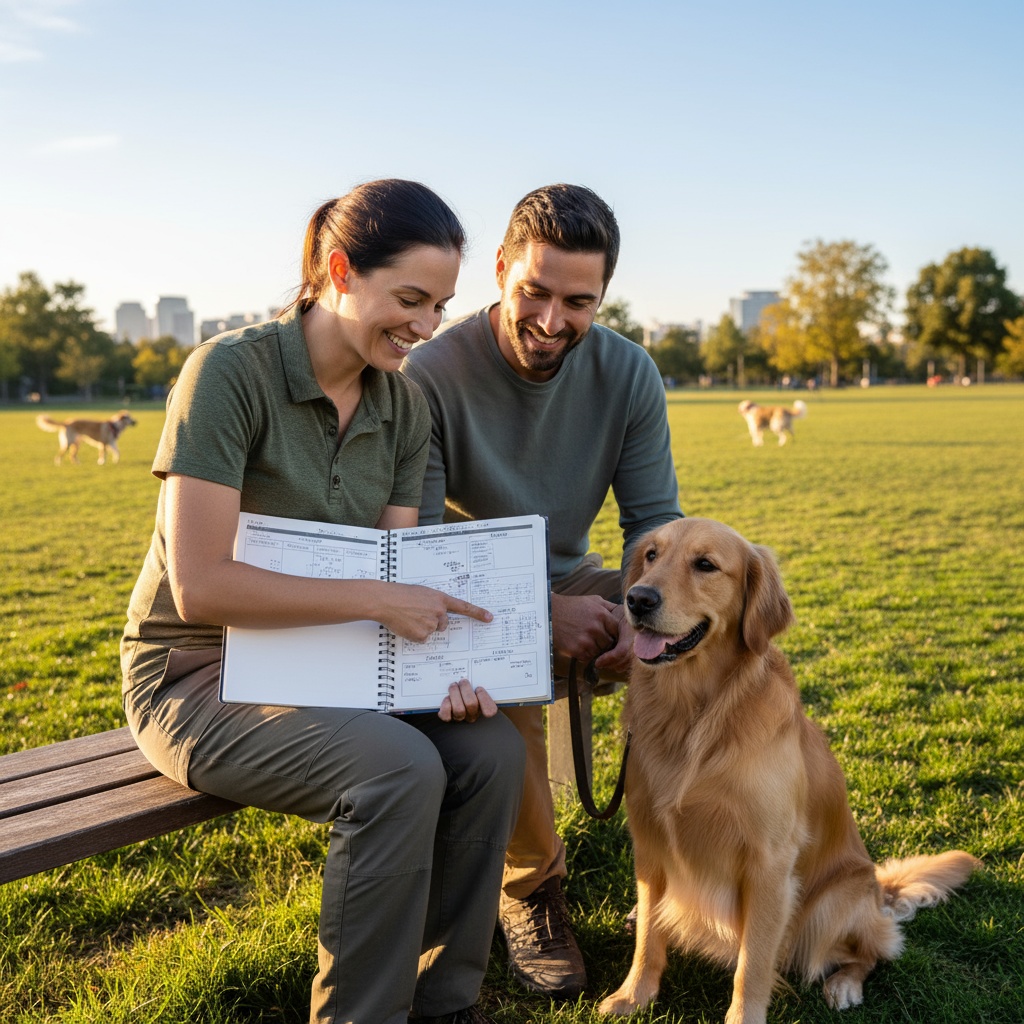
Don’t sweat perfection. Here’s how to dive in, right now, and make it stick:
- Commit: Decide that you’ll give the dog training journal thing a try for two weeks. No pressure, just experiment.
- Pick Your Format: Notebook? Spreadsheet? App? Choose your weapon.
- Establish a Routine: After each training session (even 2 minutes in the yard), jot down a few notes.
- Reflect Weekly: At week’s end, flip back and look for patterns. Are you seeing more focus? Fewer barking incidents? Is one cue plateauing, and maybe your reward’s gotten stale?
- Get Honest: Be real about your own mood, stress, or if you half-assed the session (happens to all of us!). A dog training journal is your tool, not your judge.
Within a week, bet you’ll find this habit gives you more insight and energy for the next steps than any random YouTube binge.
What Results Can You Expect from a Dog Training Journal?
Let’s be clear—a dog training journal doesn’t teach your pup “sit” overnight. But it can absolutely speed up your path, keep mistakes from repeating, and reinforce your own confidence. Here’s what you’ll likely notice:
- Super clear patterns (certain tricks sticking, some always tougher on Mondays?)
- Real progress, in print—even if it’s not Instagram-worthy!
- Way less confusion if you hand off training to a family member or trainer (“Here’s the history!”)
- More joy and less guilt—you see the grind, not just the highlight reel
Case Study: Real-World Use of a Dog Training Journal
Meet Lucy, a rescue mutt with a ton of energy and a habit of barking out the window all. freakin. day. Her owner, Mike, was losing his mind, honestly. Mike started a dog training journal, tracking every time he worked on “quiet” and what triggered Lucy’s outbursts.
Within a month, Mike saw they were working on “quiet” most often right after lunch, when delivery guys arrived. They shifted training to before those deliveries, and switched rewards from biscuits to a squeaky toy (Lucy’s new fave). Tracking these tiny changes in the dog training journal cut barking by about 50% in a few weeks! Without his journal, Mike swears he would never have noticed those patterns or the impact of small adjustments.
Tips to Keep Your Dog Training Journal Habit Going Strong
- Keep it simple: One or two lines is better than nothing—don’t wait for “perfect.”
- Celebrate small wins: Don’t only record struggles. Write down the “heck yes!” moments.
- Find a journal buddy: Pair up with another dog owner to swap journal success (or vent about off days).
- Add photos: Snap a pic of progress, or record a goofy moment. Sometimes “proof” is extra motivating.
- Use reminders: Set a phone timer or sticky note to nudge you to update your dog training journal right after sessions.
Common Mistakes (and How to Dodge Them!)
If you’ve started a dog training journal and fizzled out, you’re not alone. Here’s what trips folks up—and the fix:
- Overloading: Don’t write paragraphs! Bullet points or scribbles totally count.
- Skipping tough days: Sometimes rough sessions teach you more than the smooth ones. Capture it all, not just Instagrammable moments.
- Judging, not learning: Your journal is data, not a gradebook.
Bottom line: It’s not about being the perfect dog owner, it’s about raising your awareness—and your pup’s abilities—one honest entry at a time.
Dog Training Journal Extras and Upgrades
- Stickers! Okay, it sounds cheesy, but a smiley face on good days adds a pop of fun.
- Weekly/Monthly Summaries: A quick glance at trends gives you huge motivation.
- Trainer Notes: Take your dog training journal to lessons. Trainers love students who come prepared!
- Behavioral Charts: Draw up charts for trick progress, potty training, or specific issues. Visuals can be hella satisfying!
Dog Training Journal for Different Goals
- Puppy Training: Capture milestones like first “sit,” leash walks, potty wins, and nipping progress.
- Obedience Work: Focus on cues, distractions, and reliability.
- Behavior Challenges: Track trigger/habit, what worked, and setbacks for things like barking, chewing, and anxiety.
- Advanced Sports: Competitive agility? Scent work? Journals reveal where to step up your game.
Wrapping Up: Why Start Your Dog Training Journal NOW?
Let’s face it, memory gets fuzzy and life gets busy. Even five minutes a week with a dog training journal can clear away the fog of “Did we actually make progress?” It keeps you focused, brings your training into the present, and cements your learning as much as your dog’s. The best trainers—of dogs and humans—are the ones who reflect, adapt, and keep at it. Your dog training journal is your secret sauce. So… what are you waiting for? Grab that notebook or open a new doc, and let the breakthroughs begin. Your future self (and your well-behaved dog!) will thank you big time.