Let’s talk dog training heel! If walking your pup feels more like an arm workout—or maybe a chaotic drag race—than a pleasant stroll, you’re not alone. When you do dog training heel the right way, the pay-off? Huge. We’re talking elegant, smooth walks, a stronger bond with your furball, and that sense of pride when neighbors go “Dang! Look at that duo!”
What Does Heel Mean in Dog Training?
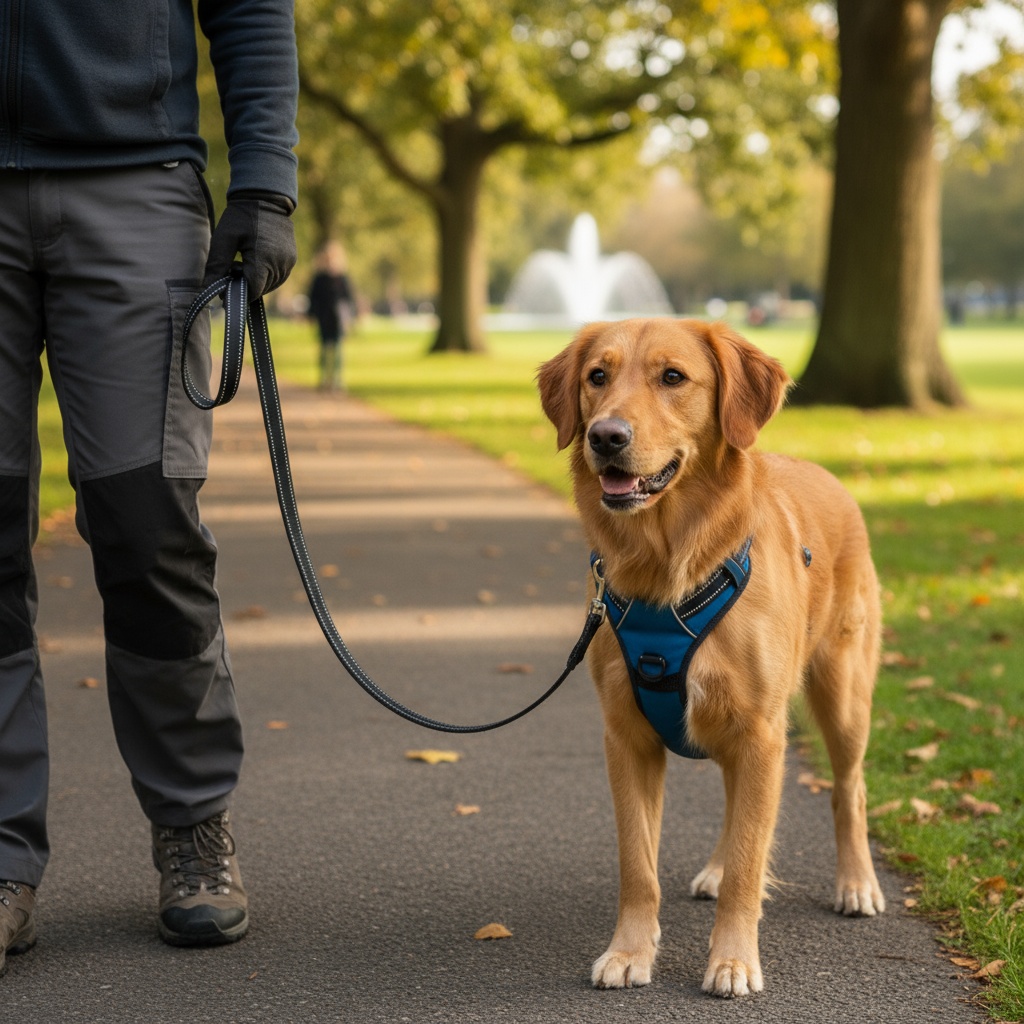
Before we get into the nitty-gritty of dog training heel, what exactly does “heel” mean? Basically, when you ask your dog to “heel,” you’re telling them to walk calmly next to your left (yeah, left is traditional, but you do you) with their shoulder lined up to your leg—no sniffing detours, no leash yanking, no chasing squirrels. The point? Controlled, polite walks where you call the shots.
Why Bother With Dog Training Heel?
- Safety First: No runaway pups bolting into traffic.
- Control: Less leash pulling means less stress on YOUR arms, hands, and patience.
- Bonding: Dog training heel work teaches your dog to focus totally on you—it’s y’alls private convo, right down the sidewalk.
- Mental Stimulation: Making them heel is like yoga for their brain—it’s challenging!
- Impresses the Neighbors: You know it’s true.
When Should You Start Dog Training Heel?
Honestly, it’s never too early or too late to start dog training heel. Puppies? Total sponges—they’ll pick this up fast, especially when treats are involved. Adult dogs? Sure, they got some habits, but with persistence (and oodles of patience) dog training heel can totally become their new normal.
Prep: What You Need for Dog Training Heel
- Standard Leash (not extendable): You need control, not a skip-the-block leash free-for-all.
- Comfy Collar or Harness: Make sure your dog’s gear fits well (a harness with a front clip is clutch for pullers!).
- Treats: The yummier, the better—dog training heel goes way smoother when your pup is drooling for every step.
- Clicker (Optional): If you clicker train, bring it.
- Patience & Consistency: No joke, you’ll need it.
Step-by-Step: Dog Training Heel the Right Way
Ready for your transformation from leash-fighter to pro dog training heel handler? Grab your leash and your treats, and let’s get started…
Step 1: Pick Your Side
Tradition says left, but if right works for you, stick with it. The key is consistency—pick a side and stick to it for your dog training heel sessions.
Step 2: The Foundation—Teach Attention
Start indoors, where distractions are low. Stand with your leash loose and your dog at your heel position. Every time your dog looks at you, MARK it (with a click or say “Yes!”), and treat! The more your pup looks at you, the easier dog training heel gets.
Step 3: Take a Step, Reward
With your dog in the heel spot, take ONE step forward. If your pup follows and stays by your side, MARK and treat. If they zoom ahead—no sweat. Calmly reset and try again. Repeat until they’re sticking to your hip for multiple steps. Remember, dog training heel is all about micro-wins at first!
Step 4: Add Some Steps
Expand to two, three, five steps at a time before rewarding. Make sure to keep those first few dog training heel sessions short—two or three minutes at most. You want your dog craving more, not crashing from mental overload.
Step 5: Practice With Distractions
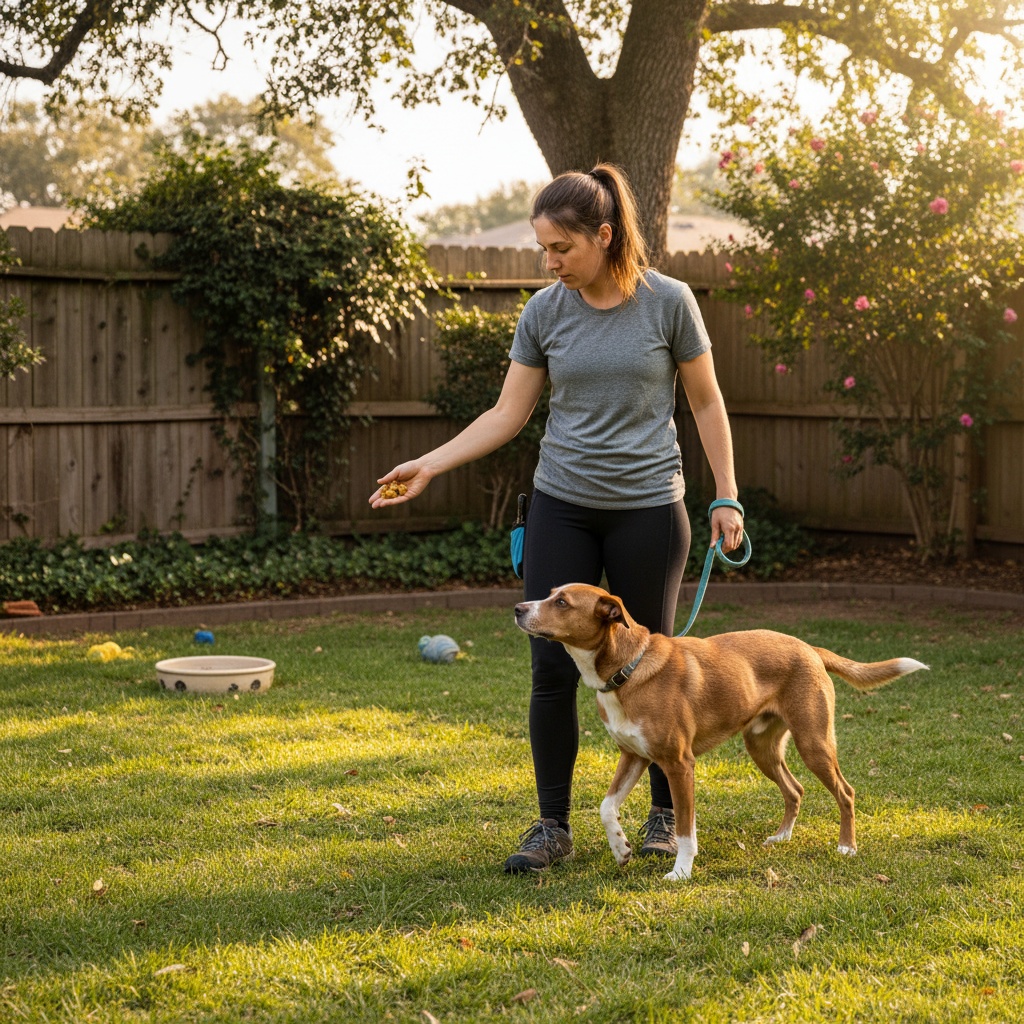
Once your pup is nailing the basics inside, level up. Take it to the backyard. Add noise. Try the sidewalk. Reward more often when the environment gets wild—dog training heel is harder with other dogs strutting by or squirrels putting on a circus act!
Step 6: Fade the Treats (But Keep the Praise!)
As your dog gets the hang of dog training heel, randomly reward—maybe every ten steps, then every twenty. But don’t ditch the “Good boy/girl!” Your voice is a powerful motivator.
Common Dog Training Heel Mistakes to Avoid
Look, nobody’s perfect. Even the best trainers mess up sometimes, but here’s a heads-up on common dog training heel slip-ups to keep off your list:
- Jerking the Leash: Don’t punish! Dog training heel isn’t about bullying into place.
- Using the Wrong Gear: It’s hard to teach manners with a retractable leash and slip-collar may give mixed signals.
- Inconsistency: Don’t let your dog pull part of the walk, then expect perfect heels the next block—keep your dog training heel cues clear!
- Too-Rare Rewards: Make it *worth* their while! Don’t go stingy with those treats in the early stages.
Advanced Dog Training Heel Techniques
Got the basics down for dog training heel? Time to flex those skills.
Adding Turns and Sudden Stops
- Turn Left and Right: If your dog is truly heeling, they’ll follow your lead instantly. Practice turns on a loose leash. Reward for sticking to your side even during changes in direction!
- Sudden Stops: Walk along and then, boom, suddenly stop. Reward if your dog halts and sits at your side—bonus behavior for free!
Distraction-Proofing Your Heel
This is next-level dog training heel work—get your dog to nail the heel even around other pups, joggers, or food on the ground. Practice in increasingly noisy places, and reward that focus MIGHTY hard. Over time, your dog’s autopilot will kick in, and dog training heel will become second nature.
Duration and Distance Training
Stretch out those heel sessions—aim to go around the block, then the whole street, while maintaining heel position. Remember the golden rule for dog training heel: quality over quantity. Don’t let the behavior slip just to walk further.

Dealing With Troublesome Pullers in Dog Training Heel
Got a leash-lugging powerhouse? Don’t give up on dog training heel! Try this:
- Whenever your dog pulls, STOP moving. Be a tree. Only advance when there’s slack in the leash again. (Yeah, it can take ages at first, but it works!)
- If your dog forges ahead, calmly turn the opposite direction—no drama, just reset, then invite them back to heel. Repeat as much as needed.
It can feel tedious, but if you’re patient and persistent with your dog training heel, your pup will figure out that pulling = zero progress, and walking by your side = jackpot.
Heel vs. Loose Leash Walking
This is a hot topic in dog training heel circles! Should you always demand a tight heel, or is it okay to let your dog sniff and roam?
- Heel: For crossing streets, passing cyclists, crowded places—total control zone.
- Loose Leash: For chill neighborhood strolls, give your dog a sniff break and some freedom—all on a loose leash, though. Keep your walk fun!
Teach both! Use “heel” when you need it, and offer lots of breaks. Dogs need to explore, too.
How Long Does It Take to Master Dog Training Heel?
This one’s the million-dollar question. Some dogs (hello, Retrievers!) pick up dog training heel in a week or two. Others (looking at you, Squirrel Chasers) may need a few months. Key is: every step is progress. Celebrate milestones and don’t sweat setbacks—dog training heel is a journey, not a sprint.
Maintenance Tips to Keep Dog Training Heel Solid
- Keep sessions short but frequent. Quick “heel” drills can slot right into daily walks!
- Switch up your walking route—new smells, same heel standards!
- Reinforce with treats or praise randomly to keep your dog guessing and trying hard.
- If behavior slips, go back to basics for a few sessions. Shoring up dog training heel isn’t a failure—it’s smart training.
Dog Training Heel for Older Dogs: Is It Too Late?
Heck no! Older dogs might have well-worn habits, but dog training heel is 100% possible with patience. Same steps as above—just more reps, more consistency, and loads of encouragement. Sometimes, older dogs are actually more focused than jumpy puppies.
Troubleshooting: What If Dog Training Heel Isn’t Working?
Your dog’s blowing you off? Try these:
- Check if treats are boring. Find something extra smelly or soft.
- Lower the distractions—go back to a quieter spot for drills.
- Shorten your expectations. Reward sooner, then stretch sessions out bit by bit.
- Ask for pro help! Sometimes a trainer’s eye spots tiny things you can tweak.
Fun Heel Games to Keep Things Fresh
Dog training heel doesn’t have to be a snooze fest. Mix it up with games:
- Red Light, Green Light: Walk, then stop randomly—reward that quick sit at heel!
- Circle Work: Walk in circles and figure-eights, rewarding your dog every few steps for keeping pace right at heel.
- Heel Obstacle Course: Set up cones or chairs in your backyard—practice weaving through with your dog glued to your side.
FAQs About Dog Training Heel
Q: How long should my dog heel on a walk?
A: Use heel for the parts of the walk where focus is key (crossing streets, passing people). Then loosen up for sniff breaks! Dog training heel should be on cue, not the full 30-minute walk, or your pup will get burnt out.
Q: My dog keeps crossing in front of me—what gives?
A: Reward them only when that shoulder is glued to your leg. If they dart in front, gently guide them back, reward, and try again. Consistency pays off in dog training heel!
Q: What if my dog is super distracted by the environment?
A: Up the treat value and reward frequency, and train in quiet places first. Build the skill where your dog can focus, then gradually raise distractions. Dog training heel is all about smart progression.
Wrapping It Up: Make Dog Training Heel Your Secret Weapon
Gosh, mastering dog training heel is seriously game-changing for both you and your pup. Those calm, controlled walks build trust, zap stress, and let you share the world together—all on your terms. Remember: go at your own pace. Reward the heck out of good behavior. Don’t sweat the setbacks. With practice, dog training heel will go from “ugh” to “automatic,” and you’ll be the envy of your block.
Got a rad dog training heel success story? A question that’s been stumping you? Drop it in the comments—I love swapping tips and cheering you on. Here’s to walks that are pure joy—not tug-of-war. Happy training!