If you’ve ever thought about levelin’ up your pup’s manners, you know there ain’t no shortcut – but the right dog training equipment can make a world of difference. Seriously, picking out top-notch dog training equipment is like unlocking a cheat code to faster, happier, and, honestly, less embarrassing learning sessions (we’ve all had that sprint after the off-leash dog, right?).
Why Dog Training Equipment Matters More Than You Think
I’ll be blunt – it’s crazy how much easier life gets when you’re rockin’ some solid dog training equipment. Whether you got a stubborn floof, a brand new rescue, or a baby furball full of beans, your gear matters. Not all leashes, harnesses, treats, or clickers are created equal, trust me.
Real Talk – What’s ‘Dog Training Equipment’?
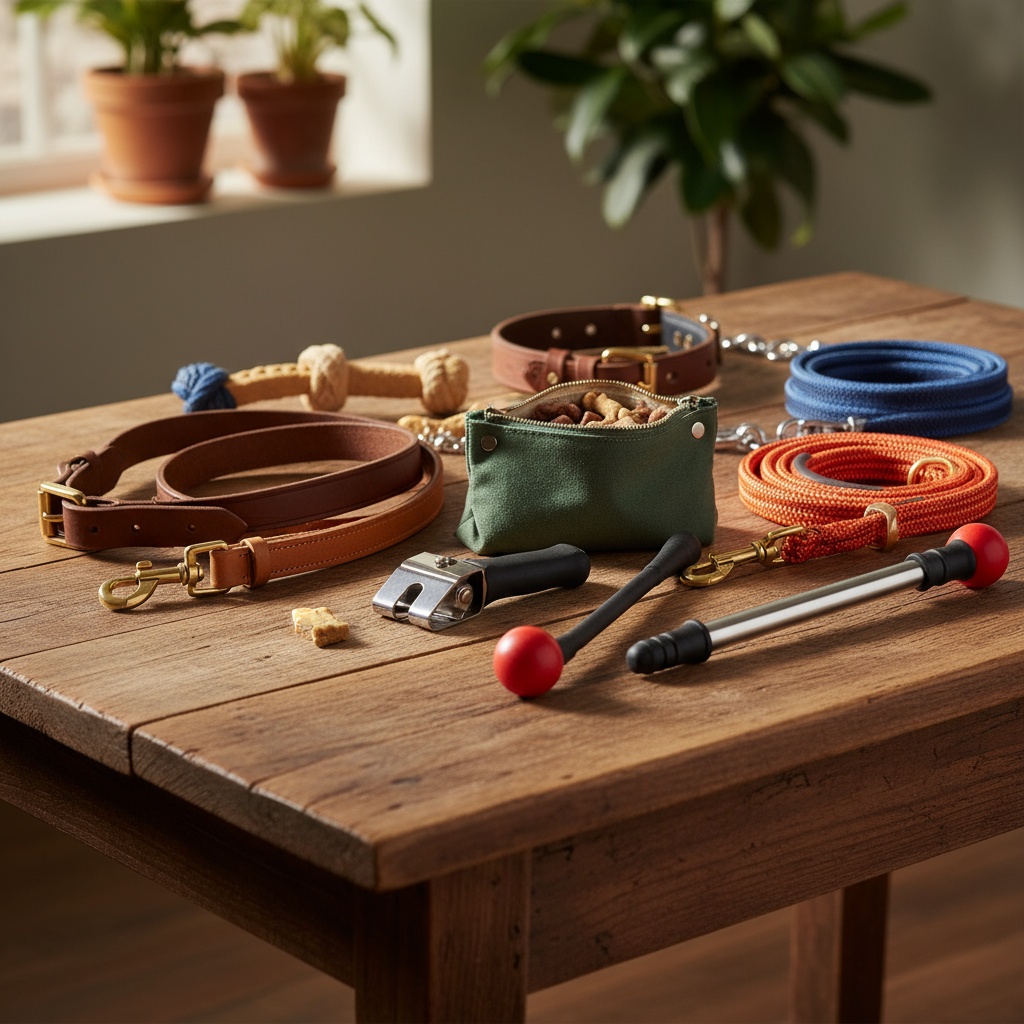
Before you run out buying stuff, let’s break it down: dog training equipment is gear, tools, and accessories that help you teach your dog commands, fix behaviors, or simply keep ‘em safe during practice. It can range from basic leads to snazzy treat pouches, high-tech collars, or even puzzles that burn off that mad energy.
Must-Have Dog Training Equipment Essentials
- Standard Leash: Your bread and butter – usually 4 to 6 feet. Good control, less tangling, solid for daily training.
- Training Collar (Flat, Martingale, or Gentle Leader): Not all dogs need these, but they’re wicked for teaching loose-leash walking or managing pullers.
- Harness: Especially for small breeds or those with neck/throat issues. Proper fits matter, so check sizing guides and try on when possible.
- Clicker: Tiny but mighty! A clicker’s a go-to for positive reinforcement – easy to mark the exact moment your pup nails it.
- Treat Pouch: You do NOT wanna be fumbling for treats for training in your pockets. Get a snap-close or magnetic pouch to up your treat delivery game.
- Target Stick: For advanced learners, targeting builds focus and teaches fun tricks or agility skills.
- Long Line: Perfect for working recall in parks or practicing stay exercises – more freedom, still in control.
- Tug and Fetch Toys: Reward play rocks for high-energy pups and keeps ‘em way more interested than boring snacks sometimes.
- Portable Hurdles or Agility Kits: Gotta love agility! Cheap, foldable kits can turn your yard into a doggy Olympics setup.

How the Right Dog Training Equipment Sets You Up for Success
The thing about dog training equipment is, it actually does more than just make life easier. It creates boundaries and helps both humans and pooches understand what’s expected. Plus, it lets you break down complex behaviors into tiny, trainable steps (which means less frustration for both ends of the leash).
Boost Communication with Clickers and Target Sticks
Using clickers isn’t just trendy; it’s brain science, y’all. Dogs thrive on timing. A click pinpoints the exact sec they do what you want, so there’s no confusion. A target stick builds confidence and focus because it shows your dog, “Touch this! Do this!” Simple instructions, solid results.
Top Tip for Slimy Treat Lovers
If your dog lives for peanut butter, stash a refillable treat tube in your pouch. Squeeze-to-reward treats won’t mess up your hands (or clothes). One more reason to love your dog training equipment!
Finding the Best Dog Training Equipment for Your Pup’s Needs
Every dog’s built different, so don’t just grab what looks cool or what your neighbor’s using. Think about:
- Your dog’s breed, age, and size: Little breeds often need gentle gear, while bigger, chunkier dogs might need more heavy-duty leashes or harnesses.
- Temperament and skill level: Nervous, reactive, or super-stoked pups might need calming vests or no-pull harnesses. Chill dogs? Maybe just a classic collar does the trick.
- Your own training goals: Working on recall, barking, crate training, or city-walking? Gear up for the job. No sense in buying agility stuff if your dog’s a couch potato (no judgment!).
Common Mistakes in Choosing Dog Training Equipment
- Getting gear that’s too big or small: Uncomfy dogs = distracted learners. Always check fit guides and customer reviews!
- Prioritizing style over function: Yeah, those rhinestone leashes are cute but won’t help when your German Shepherd spots a squirrel.
- Cheap-o options: Bargain bin stuff can break or chafe quick, and that ain’t worth saving a few bucks. Midrange gear is usually best value.
- Skipping positive reinforcement: Gear is just a tool. Without treats, praise, or a clicker, your results will always be meh.
Advanced Gear for Next-Level Dog Training
Once basic obedience is down, adding a few specialty items to your dog training equipment stash can make sessions more exciting, build confidence, and keep your dog buzzing with happiness.
- Agility tunnels and cones: Engage both body and mind. These boost balance, flexibility, and can tire out even the bounciest pups.
- Remote training collars (vibration, not shock!): For advanced recall work with stubborn dogs or working off-leash. Only use with solid guidance and never as punishment.
- Scent work kits: Turn your home into a mini-detection gym. Hounds especially love this, and it’s great on rainy days!
- Interactive feeding puzzles: Mix training and mealtimes. Great for brains, prevents boredom, and stretches out that energy.
The Role of Safety in Dog Training Equipment
Safety first! Even if your dog training equipment looks bombproof, inspect it every few weeks:
- Check for frayed leashes or broken clips.
- Try on harnesses to make sure your dog hasn’t outgrown ’em.
- Stay away from choke chains or prong collars unless you’re working with a legit, certified trainer – these can harm more than help if used wrong.

Cleaning and Maintaining Your Dog Training Equipment
This stuff gets dirty fast. Here’s a quick hit-list for keeping your kit fresh:
- Leashes and collars: Hand wash in warm, soapy water. Rinse and air-dry to avoid mold.
- Treat pouches: Wipe out crumbs and gunk every sesh to dodge ants or that weird dog slobber smell. Some are even machine-washable!
- Toys: Disinfect every now and then, esp. if you hit dog parks often.
No one likes moldy gear – keep it clean, and both you and your furball will be happier.
DIY Dog Training Equipment for the Crafty Trainer
Low on $$$? No worries. You can make plenty of killer dog training equipment from stuff around the house:
- Treats Tubes: Travel size squeezable condiment bottles = perfect treat dispensers.
- Homemade Agility Weave Poles: PVC pipes or broomsticks stuck in buckets of sand or dirt get the job done.
- Snuffle Mats: Tie strips of fleece onto a rubber sink mat. Hide bits of kibble to turn dinner into a nose workout!
- DIY Target: Colored sticky notes work just fine for targeting practice indoors.
Getting Your Dog Used to New Equipment
Introducing something new can be weird for dogs. Here’s how to get over that hurdle quickly:
- Show your pup the gear calmly, let them sniff, then offer a treat.
- Put it on for just a minute, praise and treat like crazy.
- Slowly increase wear time, always keeping things chill and positive.
If your dog gets freaky about a new harness, back off, try again later, or smear a lil’ peanut butter on it for happy vibes. Take your time!
When It’s Worth Investing in Premium Dog Training Equipment
For most stuff, mid-range is fine. But if you train daily, do dog sports, or have a giant breed, you’ll wanna drop the cash for premium leashes, harnesses, or pro-level toys. They’re built tougher, feel comfier, and actually last – saving you money in the long run.
Brands Dog Trainers Swear By
- Ruffwear (for harnesses and leashes – chunky but comfy)
- KONG (indestructible toys, treat pouches too)
- PetSafe (solid clickers, gentle leaders, treat gadgets)
- Outward Hound (puzzles and agility gear)
All have their pros and cons, but they rate high for safety, comfort, and durability.
How To Use Dog Training Equipment For Common Behavior Issues
Alright, here’s the real-world magic of dog training equipment in action:
- Puppy Biting: Swap naughty chewing for a chew toy – redirect that energy. Bitter sprays can help too.
- Leash Pulling: A front-clip harness and some high-value treats can help the biggest sled-dog wannabe chill out and walk nice.
- Barking: Use a clicker to mark quiet, and reward before barking spirals up. For doorbell drama, mat training + a treat pouch turns chaos into calm.
- Recall Lag: Long lines let your dog roam while you reinforce coming when called without risk of losing your buddy.
FAQs About Dog Training Equipment
- How old should my puppy be to start using dog training equipment?
Start basic stuff like harnesses and leashes as soon as your vet gives the go-ahead (usually after first shots). Clickers and treat games can kick off at 8 weeks. - Can I train my dog without any equipment?
You can, but sessions will usually be slower and less effective. Good dog training equipment just makes everything smoother (and safer!) - What if my dog’s scared of their leash or harness?
Go slooow! Treat, praise, and don’t force. Try a different style if needed. - Are shock collars good dog training equipment?
Nah, only consider under professional guidance for serious cases where safety’s on the line. Most dogs never need them.
Final Thoughts: Why Dog Training Equipment is a Gamechanger
At the end of the day, good dog training equipment isn’t just about making YOU look like a pro at the park – it’s about setting your dog up for confidence and success. Whether you’re dreaming about off-leash adventures or just want your wild child to stop mugging the mailman, investing in the right gear makes training sessions positive, productive, and straight-up fun.
So, have a peek at your current stash. Upgrade that sketchy leash. Try a treat pouch so you stop losing kibble in your pockets. Snag a clicker and start nailing your timing. Trust me, your pup will thank ya (and so will your nerves next time you cross paths with a squirrel).
With smart, safe, and comfy dog training equipment, even the ruff-est learner can turn into a well-behaved legend. Now go out there and crush those training goals!