Alright, let’s be real from the get-go—dog behavior can be straight-up confusing, sometimes adorable, and definitely a wild ride. If you’ve ever kicked back and just watched a pup go about its day, you already know just how unique (and, honestly, sometimes bonkers) dog behavior can be. Whether your furry pal is zooming around your living room or giving you major puppy dog eyes at dinner, understanding dog behavior is key to a happy, stress-free, and fun relationship with your dog. Let’s deep-dive into the awesome world of dog behavior, so you can not only get what’s going on inside your pup’s head but also become their hero when things get woofy.
What Is Dog Behavior, Anyway?
Dog behavior is a fancy way of saying: how your dog acts, reacts, and expresses themselves. It covers everything from barking and wagging, to chewing up your sneakers, to sitting calmly at your feet while you Netflix. Dog behavior is shaped by a bunch of stuff, such as their breed, age, training, environment, and, yeah, their emotions too. Every move they make—from the subtle ear twitches to epic tail wags—tells a story.
Why Understanding Dog Behavior Really Matters
- Builds a Stronger Bond: Knowing what your dog’s body language and actions mean helps you connect better.
- Prevents Problems: Recognizing early signs of stress or fear helps nip trouble in the bud.
- Keeps Everyone Safe: Understanding when a dog is nervous or ready to bite means you can prevent accidents.
- Makes Training a Breeze: Knowing how and why your pup behaves a certain way gives you the upper hand in training battles.
Common Dog Behavior Problems (and What They Really Mean)
Let’s get into the meat of dog behavior—spotting which quirks are normal and which ones actually spell trouble. Here’s what you need to know about those classic behaviors that can drive dog owners a little nuts.
1. Barking—A Whole Language in Itself
Barking is one of the most common and complex forms of dog behavior. Dogs bark to communicate everything from excitement to warning, loneliness to boredom. The secret is, not all barks are equal:
- Loud, rapid barks: They sense danger or are being protective.
- Short bursts: Usually excitement—like when you grab the leash.
- Repetitive, monotonous barks: Your pup’s probably bored or wants attention.
If your dog’s barking waayy too much, try redirecting with toys or exercise, or using positive reinforcement to reward quiet times.

2. Chewing and Digging—Why the Destruction?
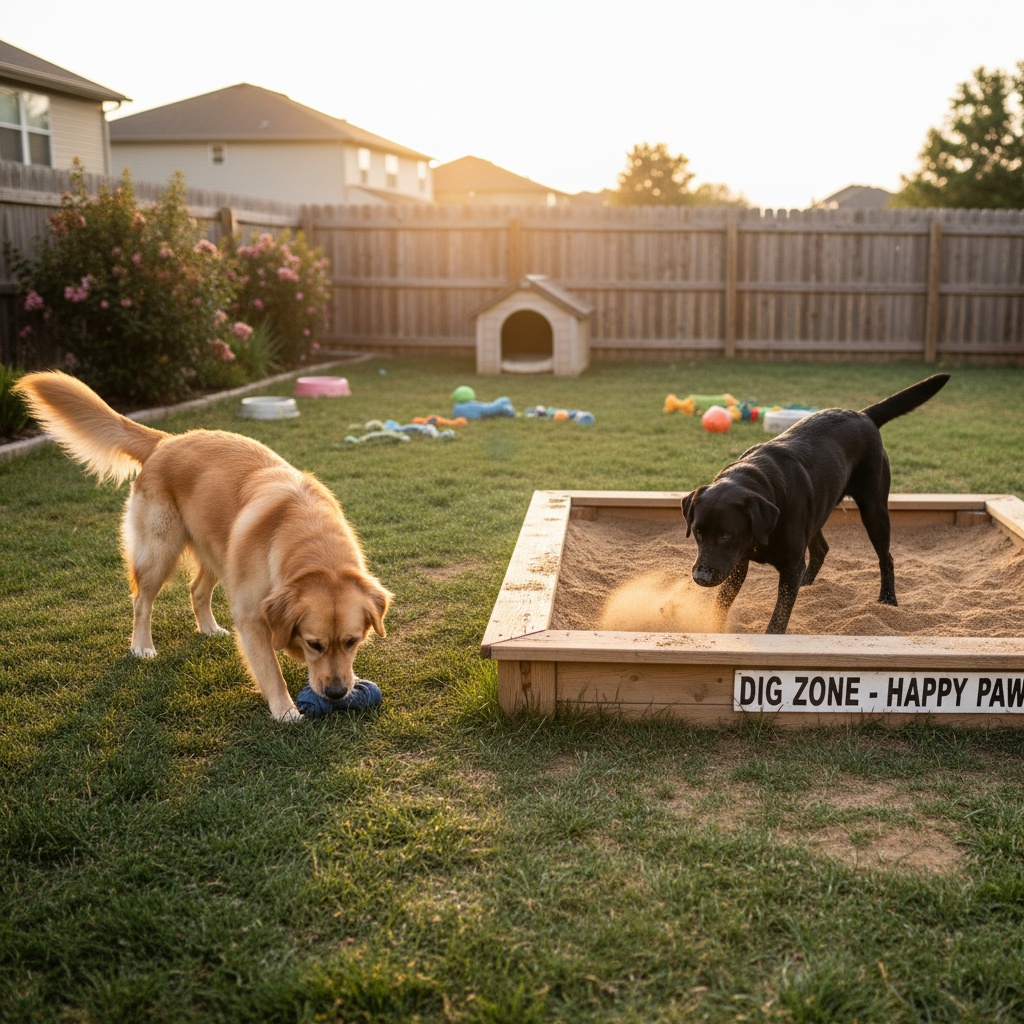
Chewing and digging are classic dog behaviors, especially in puppies. Sometimes, they’re just having fun, but other times—like when your favorite kicks get shredded—it’s about teething, boredom, or even anxiety.
- Puppy chewing: Natural and helps with teething pain.
- Adult dog chewing: Could mean boredom or stress.
- Digging: Some breeds (hello, terriers!) just love it because it’s instinctual, or they’re trying to stay cool or hide stuff.
Solution? Loads of appropriate chew toys, plenty of exercise, and, for diggers, a DIY sandpit to give ‘em a (somewhat sane) outlet for their energy.
3. Jumping Up—Cute or Chaos?
Small puppies jumping up is adorable—until your 80lb Lab barrels you over. Jumping is a common dog behavior rooted in how pups greet others. In the wild, younger dogs lick the faces of adults. When your pooch pounces up on guests, it’s a greeting gone wild.
- Ignore the jumping: Don’t reward with attention—turn away instead.
- Reward four-on-the-floor: Positive reinforcement when all paws are down works like magic.
4. Separation Anxiety—Why Your Dog Freaks When You Leave
One of the trickiest dog behavior issues to crack, separation anxiety can look like nonstop barking, chewing, digging at the door, or even peeing inside. Your pup hates being alone, and it’s hard for everyone involved.
- Counter-conditioning: Teach your dog being alone isn’t scary—start with short departures and build up.
- Toys and food puzzles: Keeps them occupied and mentally tired.
- Professional help: Sometimes, a vet or trainer is the best way to fix major separation woes.
Decoding Dog Body Language
Here’s where things get ultra-fascinating. So much of dog behavior is silent, made up of how your pup stands, moves, or even makes eye contact. Let’s break down some classics:
- Wagging tail: Usually happy, unless stiff and high, which = agitated or aggressive.
- Pinned-back ears: Fearful or submissive dog behavior.
- Raised hackles: Can mean fear, aggression, or intense excitement.
- Yawning or lip-licking (when not tired/hungry): Dogs do this to show stress.
Watch your dog closely and you’ll start to notice these signs pop up in tons of situations. Every dog is unique, but body language is the universal translator of dog behavior.
How Dog Behavior Varies by Breed
Not every dog is wired the same. That’s why some pups wanna chase everything that moves (looking at you, border collies), and others are laid-back couch potatoes.
- Working breeds: Like German Shepherds love tasks and tend to herd or guard.
- Hounds: Use their noses, and that dog behavior means they can be stubborn trackers.
- Sporting breeds: Like retrievers love fetch, water, and high energy play.
- Toy breeds: Look out for attention-seeking antics and lap-loving dog behavior.
The more you know about your dog’s breed history, the more you’ll get why your dog acts the way it does.
What Role Does Socialization Play in Dog Behavior?
Socialization, or the practice of exposing your puppy to lots of people, dogs, sounds, and sights, is crucial. Well-socialized dogs are less likely to lash out, get scared, or develop weird dog behavior issues as adults. Aim for early and positive experiences for a chill, confident adult dog.
Nipping, Biting, and Aggression: When Dog Behavior Goes Wrong
No one wants to think about their sweet pup biting, but nipping or aggressive dog behavior usually starts out small. It’s a message, not just “bad dog!” Aggression can be rooted in fear, pain, possessiveness, or territory. It’s much better to address it early on.
- Never punish aggression: It’ll usually just ramp up fear.
- Figure out the trigger: Watch closely to spot what causes this dog behavior.
- Consult a pro: A certified dog trainer or behaviorist is your go-to for this one.
Resource Guarding—Why Dogs Get Possessive
This classic dog behavior is when your pet gets snappy or grumpy if you get too close to their food, toys, or even a favorite person. It’s normal, but can turn into a serious problem if not handled early.
- Trade up: Teach your pup that letting you take things means better stuff’s coming their way!
- Gentle handling: Never yank stuff away. Gradually practice at a safe distance and work closer over time.
How to Train and Influence Dog Behavior
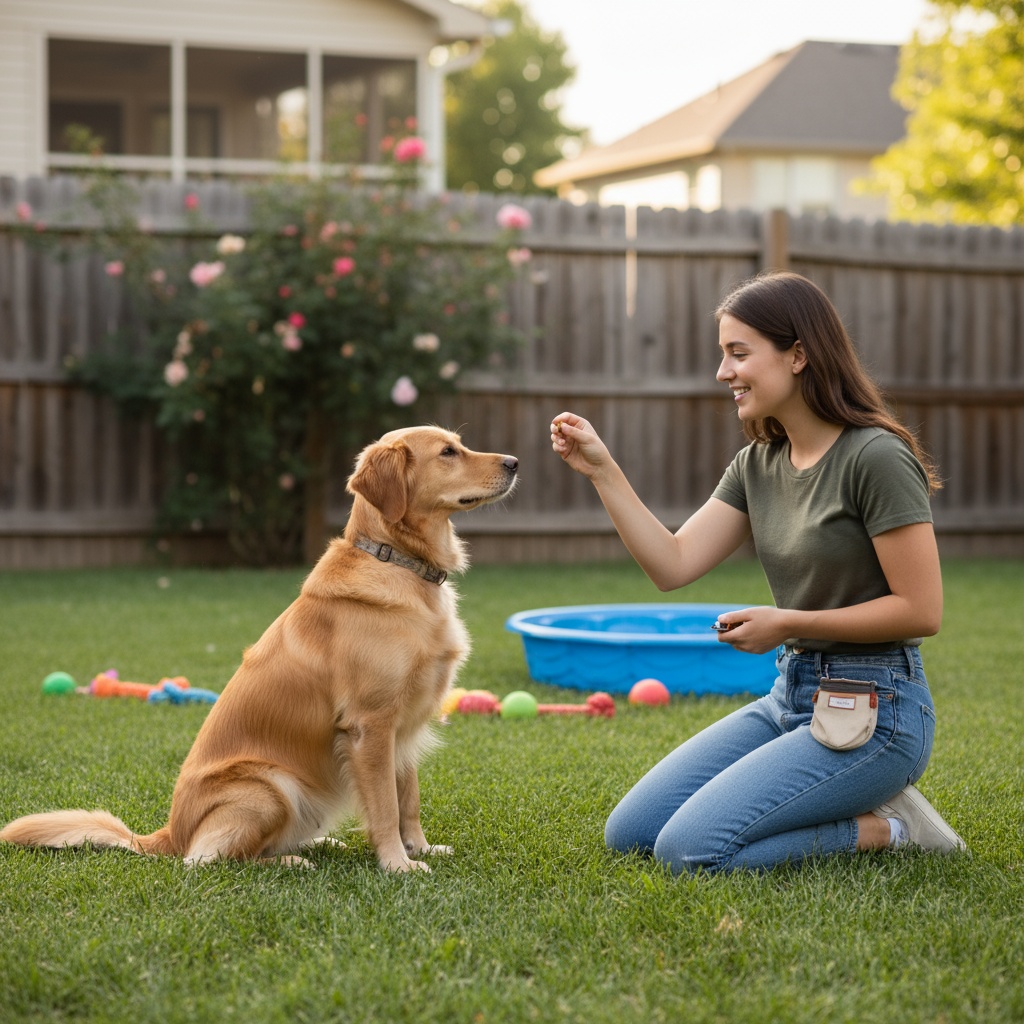
You wanna know the secret sauce to good dog behavior? Consistency and rewards. Dogs, like us, learn best when things are clear and fair. Here are tactics to promote pawsome dog behavior in your home:
- Positive Reinforcement: This means treats, praise, and affection when they do good stuff—ignore bad, reward the good.
- Short Training Sessions: Dogs, especially puppies, have short attention spans. Keep it fun and upbeat.
- Clear Cues: Use simple words and signals for commands.
- Be Patient: Dog behavior takes time to change; don’t lose your cool.
How Health Affects Dog Behavior
Sometimes, weird or unwanted dog behavior pops up because your dog is sick or in pain. If you spot sudden aggression, hiding, whining, or loss of house training, talk to your vet first. Always rule out underlying health stuff before assuming it’s just a training issue.
Dog Behavior Myths: Busted!
Dog behavior is loaded with myths. Let’s toss some of those old chestnuts in the bin:
- “My dog knows he was bad.” Nah, dogs live in the present. That guilty look? It’s reacting to your tone, not a moral code.
- “You need to dominate your dog.” Not true. Modern dog training skips the whole “alpha” thing in favor of trust and cooperation.
- “Aggressive breeds are always dangerous.” No such thing. Any pooch can have problem dog behavior; it’s usually dog-specific, not breed-specific.
Quick Fixes for Common Dog Behavior Issues
Got a dog that just won’t listen? Here’s a cheat sheet for handling classic dog behavior challenges:
- Consistent rules: Everyone in the house should be on the same page.
- Exercise, exercise, exercise: Most dog behavior trouble comes from bored or under-exercised pups.
- Positive training: Reward-based methods make the biggest difference.
- Busy toys and puzzles: Keeps those doggy brains and bodies working (and outta trouble).
When to Call for Backup: Getting Professional Help
Don’t sweat it if you feel stuck with your dog’s behavior. Sometimes, the best move is asking a pro. Certified dog trainers and veterinary behaviorists have seen it all—and can make a world of difference, especially with serious or dangerous issues.
Setting Your Dog Up for Behavioral Success
Understanding dog behavior means unlocking a whole new side to your furry BFF. The more you invest in learning about your pet’s signals, needs, and quirks, the more awesome your bond will be. There’s no such thing as a perfect dog, but there’s always room to improve communication, trust, and joy.
The next time you catch your dog pulling a goofy move or acting out, you’ll know what’s up—and what to do!
Frequently Asked Questions About Dog Behavior
- Why do dogs wag their tails differently? Depends on mood—loose wag for happy, stiff high wag for agitated or alert.
- Can you really stop a dog from barking? Absolutely! But it takes time, understanding the cause, and positive training.
- Is growling always bad? No! Growling is just a warning signal, not always aggression. Don’t punish, but do listen!
- How long to fix a behavior problem? Depends on the dog and the issue. Be patient, and know some things are lifelong management.
Wrapping It Up: Your Next Steps to Master Dog Behavior
Dive into the world of dog behavior with patience, curiosity, and a healthy sense of humor. Start watching your dog as much as you talk to them—dog behavior is their language, and every bark, wag, and boop has a story to tell. Whether you’re dealing with some tough love situations or just want to know what makes your pup tick, understanding dog behavior is the path to a happier, healthier relationship for both you and your four-legged best bud. Now go give your good dog some scritches—they’ve earned it (and honestly, so have you).