Let’s be real, when people first hear the phrase dog attack training, the vibe can get a little tense, right? Images of snarling dogs and dangerous situations might flash across your mind. But, chill for a sec—I promise there’s way more beneath the surface. Whether you’re a pet pro, dog parent, or someone just plain curious, dog attack training is a topic that packs plenty of bite (pun intended) AND bark. Strap in, because we’re about to break down what this is, why it matters, and the wild truths about it, from professional techniques to safety hacks.
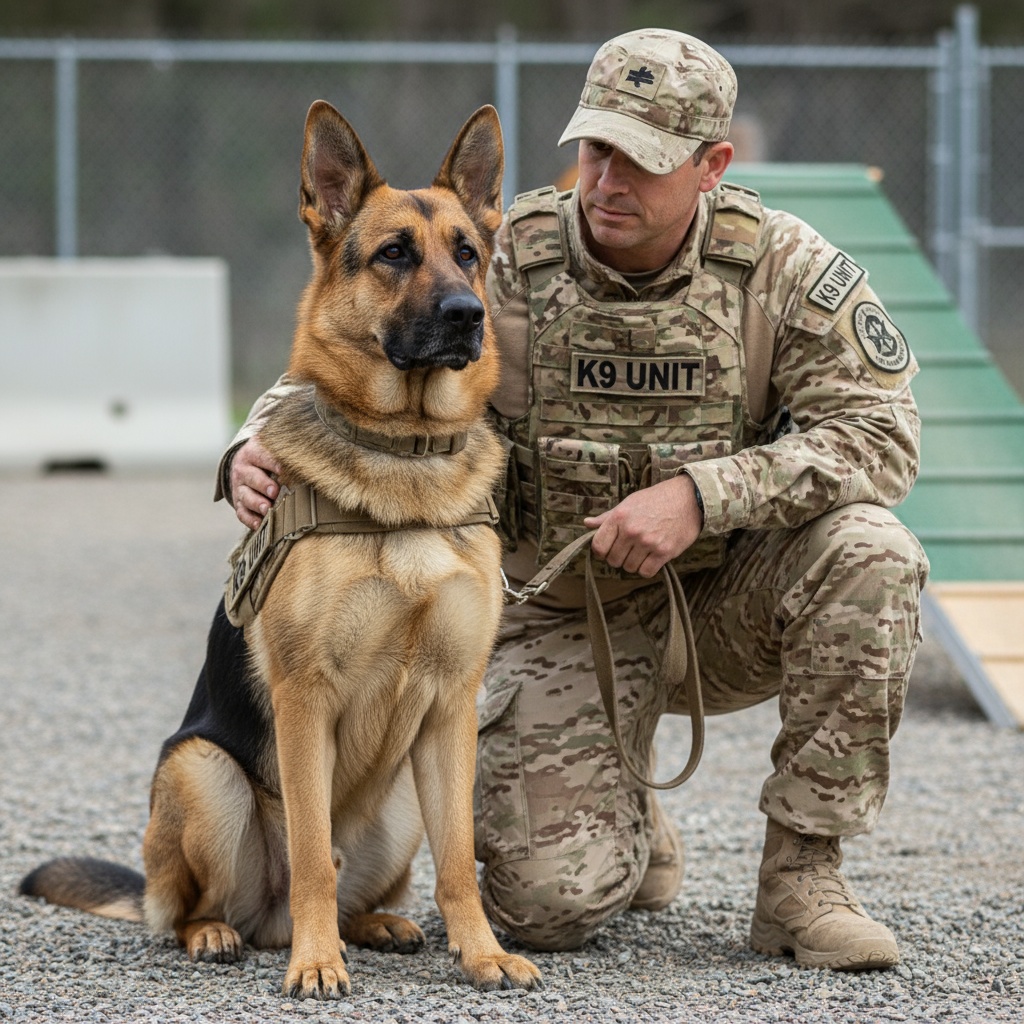
What is Dog Attack Training Anyway?
Dog attack training doesn’t mean turning your pooch into some snarling beast on a rampage. It’s a controlled, highly specialized process that teaches certain dogs—mostly working pups like police or military dogs—how to respond to very specific threats or scenarios. For regular pet parents, it’s equally about managing the potential for aggression, preventing accidents, and keeping both humans and other dogs safe. Basically, it’s about responsible, skilled handling, not glorifying aggression.
Core Elements of Dog Attack Training
- Obedience Foundation: No dog should enter attack training without super-solid obedience skills.
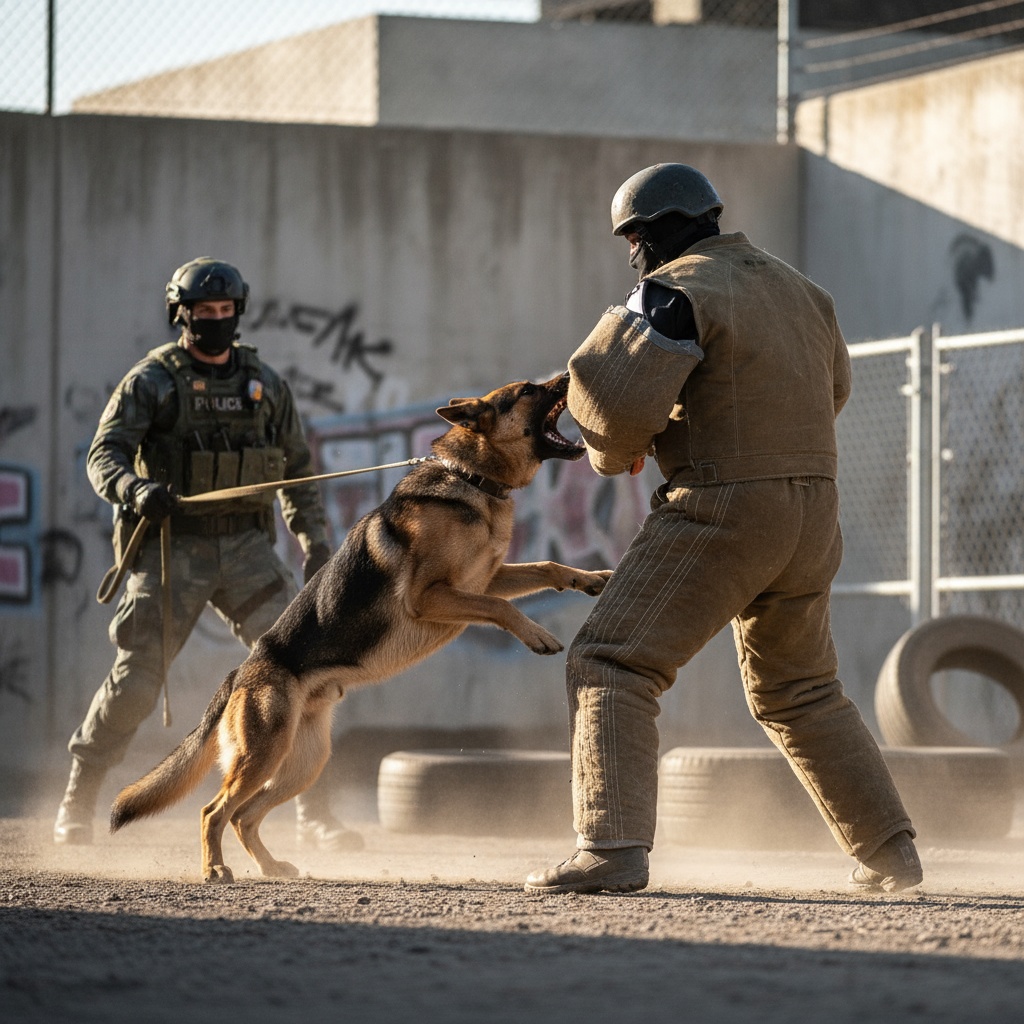
- Bite Work: Highly specific, structured exercises with bite sleeves and suits.
- Controlled Aggression: Teaching the right situations for defensive action and how to turn it off when needed.
- Handler Control: Making sure the human partner remains 100% in charge, ALWAYS.
- De-escalation: Training the dog to stand down on command. No exceptions.
Why is Dog Attack Training Even a Thing?
Good question, right? Well, the main gig is public safety. Police and security dogs need these skills so they can protect officers, detain suspects, or guard property. In some cases, personal protection dogs get this training for wealthy or at-risk individuals. But hear me loud—this is NOT a Saturday backyard project. It needs pro trainers with years of serious experience.

Dog Attack Training vs. Aggression Training
Plenty of folks get these two tangled up. Dog attack training is not about encouraging random meanness. Aggression training deals with reducing or reshaping aggressive behavior in pets. Dog attack training is a high-level skill set, focused on teaching dogs how to bite on specific cues, stop biting instantly, and not cross boundaries. Never confuse uncontrolled, dangerous dogs with those that have precise training.
Will My Dog Turn Dangerous With Attack Training?
Short answer—no, not if it’s done right. The real danger pops up when wannabe trainers try this at home or use weird YouTube advice. In certified environments, trainers work on impulse control, reliability, and heavy-duty command response. Actually, a lot of these dogs are the sweetest fluffballs around when off-duty. They don’t just randomly attack. They wait for cues, and they know when it’s game on… and when it’s cuddles and chill.
Recognizing Qualified Trainers
Your trainer should be certified (look for proper credentials), have stellar reviews, and use ethical, humane methods. If a trainer mentions shortcuts, uses fear or pain, or can’t answer your questions—RUN, don’t walk, away. Certified professionals in dog attack training will lay out every step, tell you exactly what to expect, and put your dog’s physical and mental health first, always.
How Dog Attack Training Works
So what’s actually going down in a legit training session?
- Assessment: First, they evaluate your dog’s temperament, drive, health, and bite inhibition.
- Command Foundation: Loads of work on sit, down, stay, recall—basic stuff until it’s second nature.
- Protective Cues: Dogs learn to bark, hold, and bite only under strict command.
- Targeting: Dogs are trained to aim for protected areas (like the padded arm or leg) to avoid unintentional maiming.
- Release: The most important part! Trainers hard-wire a reliable OFF switch, so the dog immediately stops attack behaviors when told.
Sleeves, Suits, and Safety Gear
Ever seen Insta clips of trainers in big goofy suits? Those aren’t fashion mistakes, they’re safety gear. Bite sleeves and padded suits let trainers teach timing and bite pressure without getting mauled. Dog training equipment like this plays a key role in controlled, effective sessions. It’s not about making a dog meaner—it’s about control and safety for both dog and trainer.
Is Dog Attack Training Legal?
Here’s where things can get a bit messy. Rules depend on where you live. Some cities and countries have super strict regs on who can own, train, or even house a dog trained in attack or aggressive behaviors. Insurance companies sometimes require notification if you own a protection-trained dog. Always check local laws before signing up for dog attack training.
Potential Legal Risks
- Liability: If your dog bites someone—even by accident—you could land in court.
- Neighbors: Some folks get freaked out having trained dogs next door.
- Rezoning: Homeowners associations might ban attack-trained pets.
Basically, do your homework, make sure everything is above board, and always tell the truth on insurance apps, or you could get burned.
Should You Train YOUR Dog?
Okay, straight talk—most pet owners don’t need dog attack training. If your pooch is a family snuggle bug or your biggest threat is the vacuum cleaner, your time is better spent on basic obedience, cool tricks, or agility training. Attack training is best for working dogs with a legit security role or for folks requiring real personal protection (and even then, think hard before diving in).
Who SHOULD Consider Dog Attack Training?
- Law enforcement pros
- Military handlers
- Private security
- People at genuine risk (like celebs or political figures)
The average Joe or Jane is better off with solid socialization and behavior work. Otherwise, you might be creating more headaches than solutions.
What Are the Risks?
Look, no sugarcoating it—dog attack training comes with risks if done wrong. These include:
- Accidental Bites: Lack of control or mixed signals lead to mistakes.
- Legal Trouble: A trained attack dog who bites someone unprovoked can put you in deep water.
- Behavior Issues: Dogs with poor training or inconsistent handling can develop confusion, anxiety, or instability.
That’s why professional oversight, strict rules, and ongoing practice are _non-negotiable_ in this world.
Finding the Right Balance
There are tons of myths out there, like the idea that all big or muscular dogs need dog attack training or that you can turn any breed into a fierce protector with enough practice. Truth bomb: genetics and temperament matter. Not every pup is candidate material for this kind of work. For most people and their dogs, the best defense is a well-trained, socialized, confident buddy—not a furry missile with a short fuse.
Real-Life Case Studies
- K9 Units: Police dogs go through 1000+ hours of bite work, scenario training, and obedience before patrol duty. These dogs retire into wonderful family pets, unrecognizable from their tough work persona.
- Personal Protection: Some families elect for guard dog training, but 99% of these dogs spend their lives playing fetch and lounging in the sun unless circumstances call upon their training. Extreme discipline keeps things safe.
Alternatives to Dog Attack Training
If you’re after peace of mind but not looking for protection-level behavior, consider:
- Alarm Bark Training: Teach your dog to bark on command if you hear a stranger or the doorbell rings.
- Boundary Training: Dogs can be taught to stay within certain property lines for added safety.
- Socialization: Well-socialized dogs are less likely to react poorly out of fear or confusion.
These options (plus good locks and home security!) keep your home safe—no need to risk the quirks of dog attack training unless warranted.
Misinformation Around Dog Attack Training
Social media is wild for spreading myths, LOL. Here’s what’s NOT true about dog attack training:
- Myth 1: Any dog can be attack trained. False—not every breed or pup is suited.
- Myth 2: Trained dogs are always dangerous. Actually, they’re often more predictable and obedient.
- Myth 3: You can DIY with a few YouTube vids. HARD NOPE. Safety first, always, and that comes from pros.
Bottom line? Do your research, consult real experts, and never trust random advice online over a certified pro’s word.
The Future of Dog Attack Training
With advances in animal psychology and training tech, dog attack training is evolving. More trainers now use reward-based methods instead of fear or aversive tools, making programs safer and producing more stable, happy dogs. Programs are stricter on which dogs they accept, have better screening, and focus big time on ethical treatment.
Tech Tools on the Rise
- Clicker training for rapid, precise feedback
- Remote-controlled cues and scenarios
- Wearable health and stress monitors for dogs
So, the industry is trending toward keeping pups mentally healthy, as well as physically sharp. If you’re considering this path, look for trainers who are all about positive reinforcement and welfare—not just results.
Key Takeaways: Making Dog Attack Training Work for You
- Dog attack training is not about making dogs dangerous. It’s about precision, reliability, and keeping everyone safe.
- Only work with certified, ethical trainers who can prove their experience and credentials.
- Consider all legal, safety, and lifestyle factors before starting any training.
- Remember: It’s not for most households. Responsible ownership always comes first.
If you’re not sure whether dog attack training is the right move, chat with local trainers, law enforcement, or canine professionals. The more info you have, the safer and happier you—and your pup—will be.
Got questions that still have you barking up the wrong tree? Drop them below and let’s keep the convo rolling. Your dog (and the mailman) will thank you for it.