Right off the bat, lemme just say: if your dog’s barking is driving ya bonkers, you’re NOT alone! Barking is totally natural for our furry friends, but sometimes it feels like they’re leading the neighborhood in a barking symphony, am I right? Whether you’ve got a mouthy mutt or a chatterbox Chihuahua, bark training can make your house way more chill and way less stressful.
Why Do Dogs Bark Anyway?
First things first. Before diving deep into bark training, it’s kinda important to figure out why the heck your pooch is yapping so much. Dogs bark for all sorts of reasons:
- Alerting you to visitors or weird noises (hello, mail carrier)
- Excitement when you come home or grab the leash
- Boredom—yep, sometimes they’re just plain bored
- Anxiety or fear, especially when they’re alone
- Demand barking for food, play, or those cheeky belly rubs
- Territorial vibes when anyone steps near their turf
Understanding why your pup is barking sets you up for bark training success. Trust me, once you know the root, you can tailor your training—and finally snag some peace and quiet!
Is Barking Really a Problem?
So, is barking really THAT bad? Well, it depends. Some barking is healthy—it means your best bud is communicating. But if you’re dodging noise complaints or wondering why your socks are shaking from the sound, it’s time for bark training. Excessive barking can seriously stress out neighbors, family, and your pup. Not fun for anyone.
The Golden Rules of Bark Training
Alright, let’s jump into the nuts and bolts of bark training. Before you go all-in, keep these pro tips in mind:
- Consistency is key. Everyone in the house has gotta be on board. Mixed messages = confused doggos.
- Patience pays off. Even the smartest dogs won’t get it overnight.
- Never yell at your dog. To your pooch, you’re just another voice in the chorus.
- Reward good behavior. Treats, cuddles, or even playtime. Make the right vibes the fun option!
Bark Training Strategies That Work
Ready for some killer training techniques? Here we go:
1. The Quiet Command
This one’s a classic! When your dog starts yapping, let ’em get a couple of barks out, then calmly say “quiet.” The moment they stop—even for a split second—give ’em a treat and a fuss. With repetition, they’ll connect “quiet” with no barking…and oodles of rewards.
- Step 1: Trigger the barking (doorbell works great).
- Step 2: Say “quiet” in a chill, firm voice.
- Step 3: If they stop, even for a second, reward like crazy!
- Step 4: Gradually bump up the amount of quiet time before the treat.
2. Remove the Reason for Barking
For some pooches, the easiest bark training solution is to block out the thing that gets ’em going in the first place.
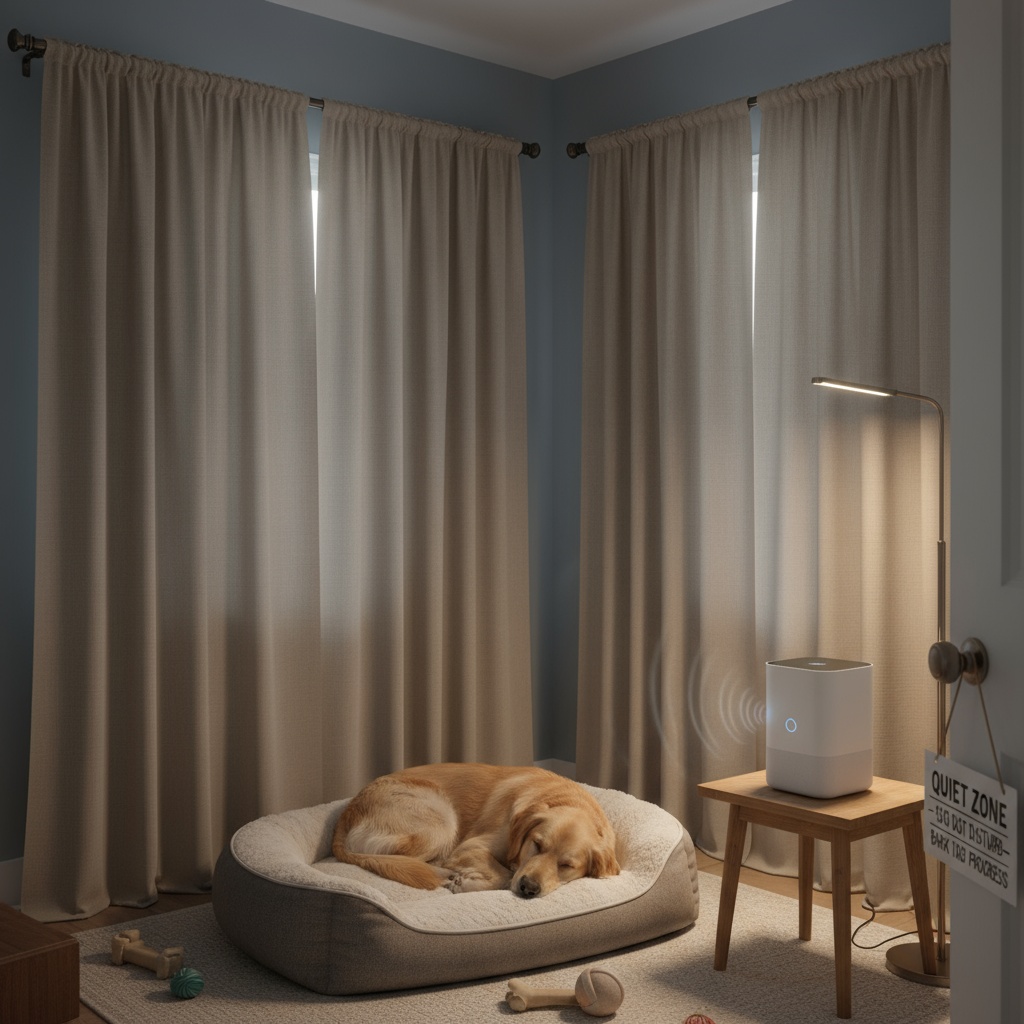
- Cover windows to hide that pesky squirrel or walker.
- Move your dog to a different room when deliveries come.
- Turn on a white noise machine to mask triggering sounds.
3. Ignore Demand Barking
Does your dog bark for dinner, toys, or attention? The ultimate power move here is to ignore them totally. Yep, even if it feels impossible. Wait for a moment of silence, then reward your dog. Barking for attention dies FAST when it stops working!
4. Keep ‘Em Busy
An under-stimulated dog = a barky dog. Tired pups are quiet pups. Try:
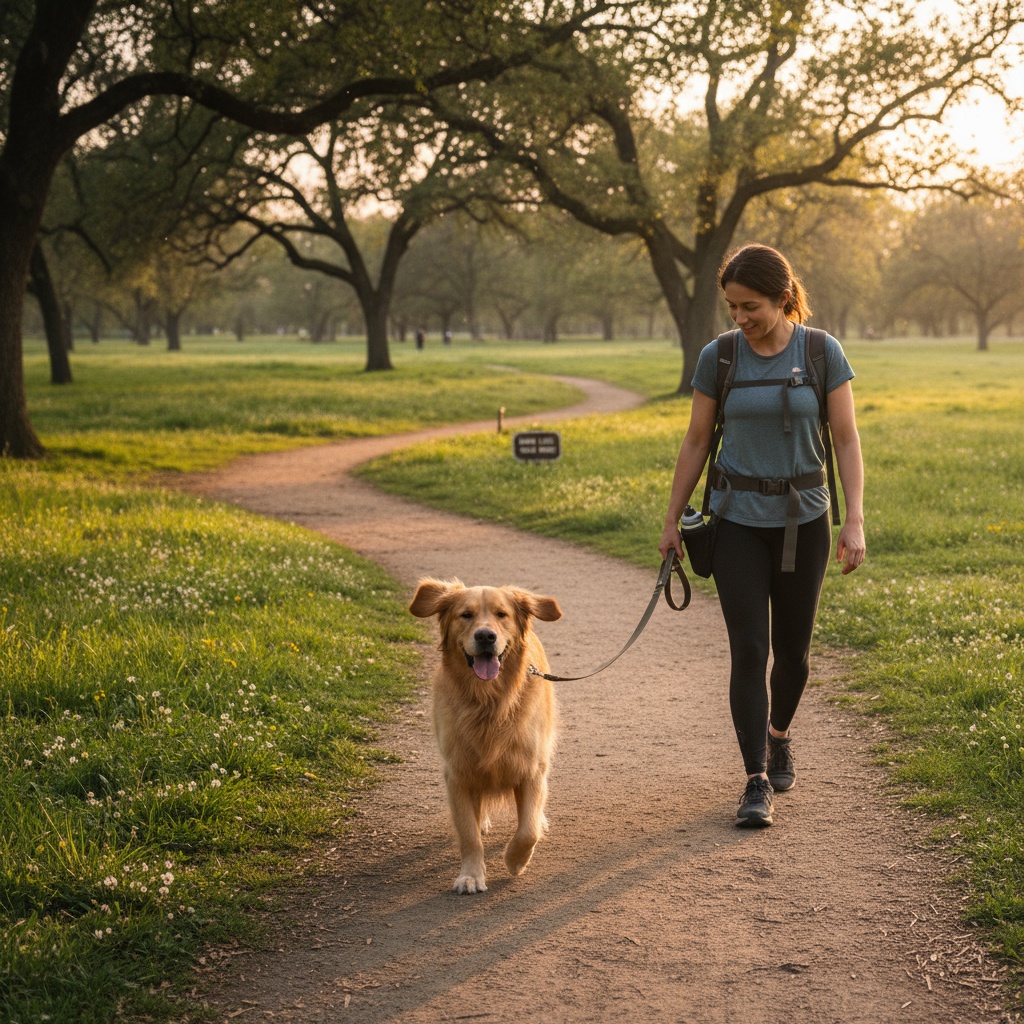
- Long walks and runs (off-leash if you can!)
- Puzzle toys stuffed with treats
- Training games and new tricks
- Doggy playdates
5. Counter-Conditioning for Anxiety Barking
If your dog barks when left alone or gets nervous, counter-conditioning can save your eardrums AND your walls. Pair things that scare your pup (like the vacuum, or you leaving the house) with loads of treats and praise. Over time, they start to associate scary stuff with awesome rewards instead.
What NOT to Do in Bark Training
Alright, here’s where a lotta folks slip up with bark training. Some easy mistakes to avoid:
- Shock collars. Not only do they hurt, they can make the problem way worse. Just don’t.
- Yelling. Again, your dog thinks you’re joining the barking party.
- Inconsistency. If you let your dog bark sometimes but not others, they won’t get it.
Addressing Specific Barking Types
Bark training is NOT a one-size-fits-all deal. Let’s break down tailored strategies:
Territorial/Alarm Barking
Use desensitization! Recruit a friend to walk by or knock, reward calmness, and slowly increase exposure. Over time, your dog will chill out when the world passes by.
Greeting Barking
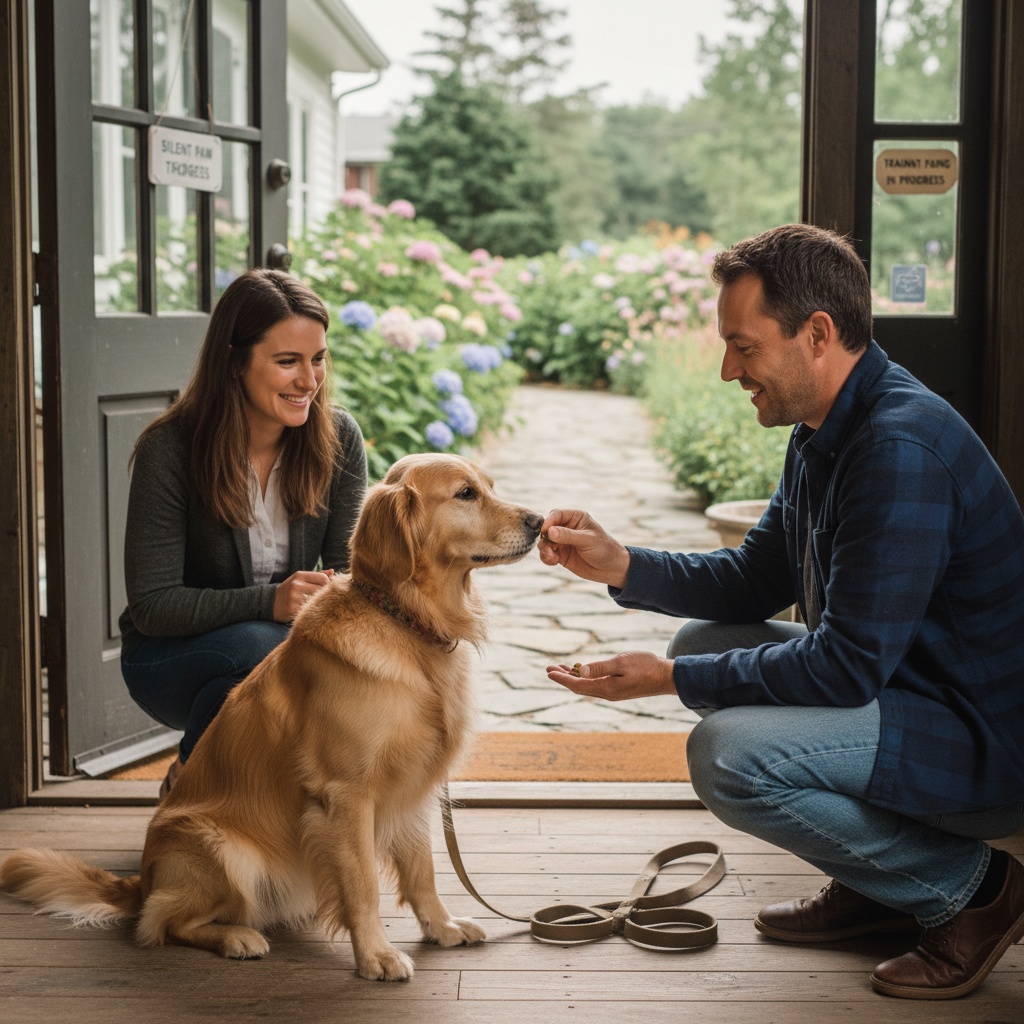
When guests arrive, ask your dog for a sit or down before rewarding. Only let ’em greet when they’re calm. If they bark, guests leave (for a sec), and the party restarts only if your dog’s quiet.
Anxious Barking
Super common with separation anxiety. Create a safe space, try leaving for super short times & gradually build up. Leave a worn T-shirt or use calming music. For big anxiety, don’t be afraid to call a pro trainer or behaviorist.
Helpful Bark Training Tools
Some gadgets and gear legit make bark training easier. A couple faves:
- Clickers (for timing rewards perfectly)
- Treat pouches (so you’re always ready)
- Calming collars or sprays (made with natural pheromones)
- Puzzle feeders to tire your dog’s brain
How Long Does Bark Training Take?
Real talk: Bark training is a marathon, not a sprint. For most dog owners, you’ll spot improvements in a week or two, but full-on transformation takes a month or more. Stick with it, and you’ll be amazed how quiet things can be.
What If Bark Training Isn’t Working?
If you’ve been nothing but consistent and patient with your bark training, but your dog is still yapping all day, there could be an underlying issue:
- Medical problems (pain, hearing loss, or even cognitive decline in senior dogs)
- Extreme anxiety or trauma
- Breed traits—some breeds just really love to bark!
It’s worth a vet check or chatting with a pro trainer. Every dog is different, but almost ANY pup can improve with the right bark training approach.
Real-Life Bark Training Success Stories
Sometimes, it helps to hear from other dog owners who’ve been in the trenches. Check out these legit transformations:
Case Study 1: The Delivery Dilemma
Jane’s rescue Collie would lose it every time Amazon dropped off a package. After a focused week of “quiet” training and rewarding every calm moment, he started chilling out. Now, he just watches curiously and waits for his treat!
Case Study 2: Attention Addict
Mike’s Spaniel barked every evening for attention. Mike and his fam went cold turkey—ignored all barking, and only played when the noise stopped. By week three, peace was restored. Oh, and the dog picked up a new nap habit instead!
Building New, Quiet Habits
Habits are everything in bark training. Here’s the best way to lock in quiet behavior:
- Catch your dog being quiet and reward it outta the blue.
- Set up daily calm cue times (like after a walk or meal).
- Ask for alternative behaviors—sit, settle, or go to bed.
- Celebrate every win, no matter how small.
When To Get Professional Help
Okay, sometimes bark training needs a little backup. If your dog’s barking is aggressive, super anxious, or just doesn’t improve, it’s totally valid to get help! Certified positive trainers or veterinary behaviorists have skills that can totally change the game for your noisy pup (and your sanity).
Maintaining Your Progress
Once you’ve made serious progress with bark training, don’t slack off! Maintenance is all about:
- Rewarding quiet in new situations
- Mixing up rewards to keep things fresh
- Being ready for relapses (yes, it happens—no worries!)
- Keeping up your routine, especially during changes like vacations or new pets/kids
Common Bark Training FAQs
I get loads of questions about bark training, so here’s a quick-fire FAQ:
- How long before my dog stops barking? Varies by dog, but 2-4 weeks is realistic for most.
- Is it mean to train out barking? Nah! Training is about making your dog—and your household—happier and less stressed.
- My dog only barks when I’m not home. What now? Try recording your absence to ID triggers and work on gradual departures, or ask a pro!
- Are bark collars safe? Only the vibration/spray types at a push—avoid shock collars. Even then, positive training is way better, promise.
Final Thoughts: You and Your Dog CAN Master Bark Training
Bark training isn’t magic, but it’s totally doable with a bit of know-how, patience, and love. Whether your pup’s a serial barker or just has a lot to say, you can totally team up to bring the noise levels down. Use positive vibes, celebrate progress, and don’t be afraid to ask for help if you need it.
Your house CAN be peaceful again. And hey—your bond with your pup will be even stronger for it. Happy training!