Ever felt like your furball just won’t stop barking? You’re not alone, trust me! Many dog parents out there are literally losing sleep, peace, and sometimes their sanity thanks to their noisy canine pals. Enter the world of the anti bark collar—a gadget that promises to change the game. In this blog post, we’ll dive head-first into the world of the anti bark collar, bust some myths, break it down step-by-step, and help you decide if it’s the lifesaving tool you’ve been searching for or just another shiny gimmick. Grab your coffee, snuggle in with your pup (maybe give ‘em a treat), and let’s get down to business!
So, What Exactly is an Anti Bark Collar?
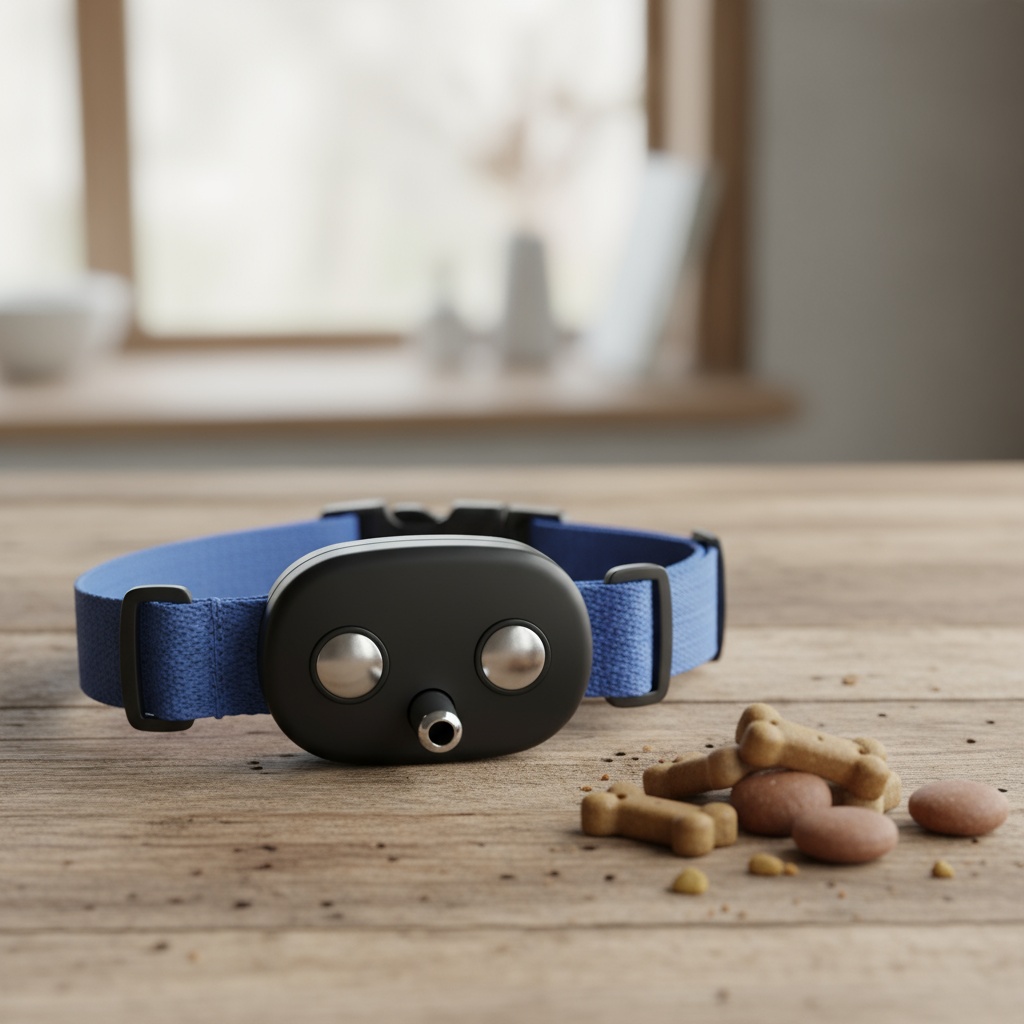
The anti bark collar is pretty much what it says on the tin—a collar designed to reduce or completely curb your dog’s barking habit. But how does it pull off this magic trick? Well, these collars usually detect your dog’s barking by either vibration, sound, or a combo. Once the collar senses a bark, it activates a correction, which can come in a few different shapes and sizes. The correction could be a harmless beep, a vibration, a gentle spray (usually citronella), or a static shock (which is a hot debate topic, but we’ll get to that later). The goal is to interrupt the barking pattern and help your pooch learn that silence is golden—at least some of the time.
Types of Anti Bark Collar: Which One Will Woof Suit Your Dog?
Not all anti bark collars are created equal, and picking one can feel like shopping for a new phone—there are SO many options! Here’s a quick rundown:
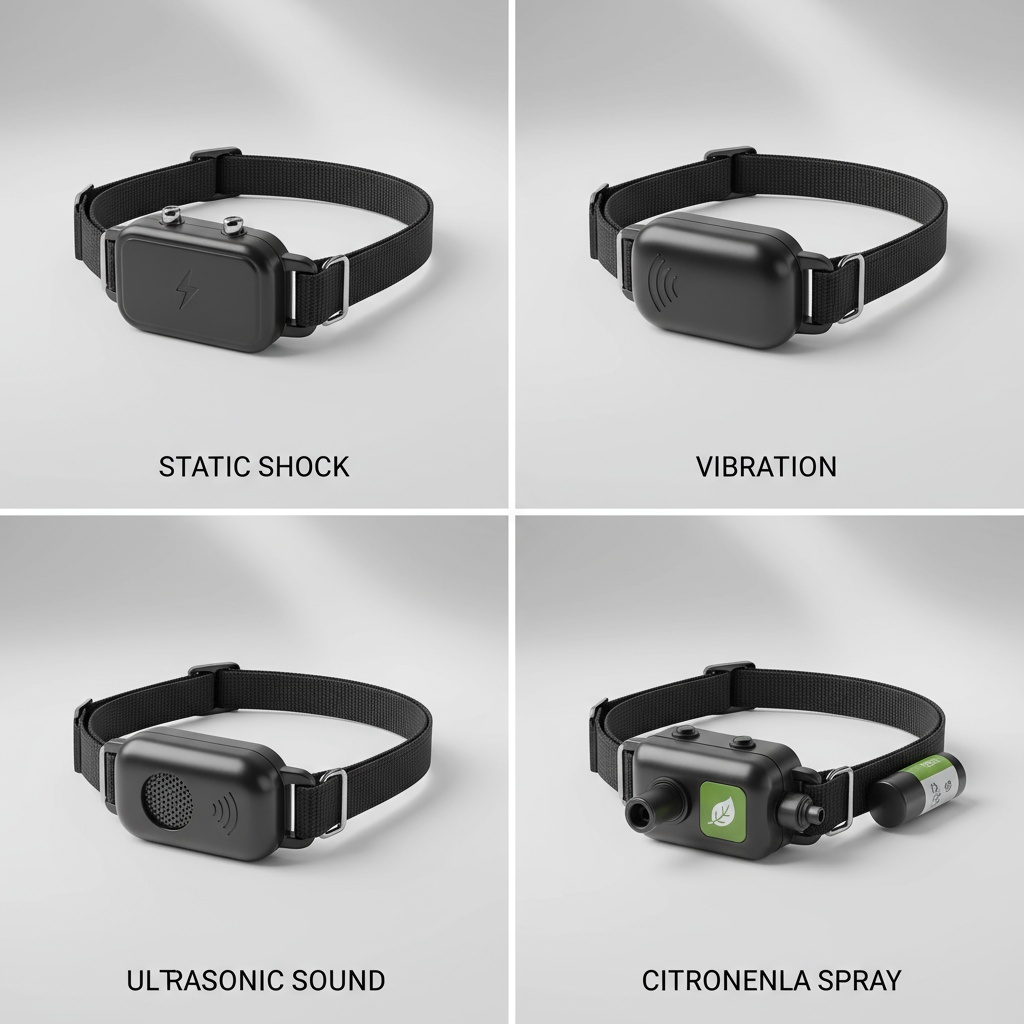
- Static Shock Anti Bark Collar: Delivers a mild shock when barking is detected. Usually, the intensity can be adjusted.
- Vibration Anti Bark Collar: Responds to barking by vibrating. Often a choice for smaller or more sensitive breeds.
- Sound (Ultrasonic) Anti Bark Collar: Plays an annoying (to dogs) sound that humans can barely hear.
- Spray Anti Bark Collar: Sprays a harmless scent (yep, citronella is pretty popular) right in front of your dog’s nose.
- Dual Sensor Anti Bark Collar: Combines two or more deterrent methods for extra effectiveness.
How Each Anti Bark Collar Works
Let’s break these doggo gadgets down:
- Static Shock: Senses vocal cord vibration or barking sound, triggers a very mild shock to distract.
- Vibration: Detects barking, vibrates to interrupt.
- Sound: Emits a short, high-pitched sound at each bark.
- Spray: A little spritz of citronella with each bark; dogs seriously dislike the smell.
- Multi-Mode: Some anti bark collar models switch between these methods based on your settings.
Benefits of Using an Anti Bark Collar
Alright, let’s get real. Some folks are ALL IN with positive reinforcement only, others have tried everything with no luck—sometimes a tool like the anti bark collar is that last resort. Here’s why so many dog owners swear by it:
- Quick Results: In many cases, you’ll see changes in barking habits within days.
- Low Effort for Owners: No special tricks to master—just pop it on (with care, obv!).
- Safe, Modern Design: Recent models have safety turn-offs, gradual correction technology, and adjustable sensitivities. Your dog’s wellbeing stays the top priority.
- Better Bond: Less barking = happier neighbors, calmer house, better bond between you and your pup.

Things You Gotta Know Before Using an Anti Bark Collar
Look, the anti bark collar isn’t a magic wand. It works, but only when used right. Here’s what every pup parent should remember:
- Never leave it on all day, every day: Give your dog breaks!
- Size and fit matter: A collar that’s too tight is unsafe, too loose is useless.
- Breed Differences: Smaller breeds are more sensitive. Pick anti bark collar options that fit their needs.
- Underlying causes: Barking can mean boredom, anxiety, or even pain. Don’t just slap on a collar without checking with your vet or trainer. For more in-depth strategies, consult our dog training guide.
Side Note: Can Anti Bark Collars Hurt My Dog?
This is THE big question, right? Static shock collars are controversial. But modern collars have improved big time—they’re made to “startle”, not harm. Always use the lowest setting, watch for signs of distress, and if your dog seems really scared or freaked out, take that collar off, stat! Most importantly, speak to your vet or certified trainer about your anti bark collar choice before starting.
Training With an Anti Bark Collar: Pro Tips for Best Results
Okay, you got the anti bark collar, but what’s next? Here’s how you make this thing work like a charm:
- Introduce it gradually: Let your dog check it out before wearing.
- Short practice sessions: Don’t just strap it on all day! Begin with short bursts so your dog gets used to it.
- Reward quiet behavior: Collars do the correction, but you gotta reward the silence with dog training treats!
- Monitor your pup: Watch for stress signs, discomfort, or irritation.
- Keep training positive: Pair anti bark collar use with treats, praise, or playtime.
Remember, the anti bark collar isn’t a punishment. It’s a communication tool. Positive associations are key.
Common Myths About the Anti Bark Collar Debunked
Buckle up, because it’s time to drop some truth bombs about the anti bark collar:
- “Anti bark collars hurt your dog.”
- Fact: Reputable brands design modern anti bark collar models for safety and comfort. They merely interrupt, not inflict pain.
- “Dogs stop barking forever.”
- Fact: Nope. Training, consistency, and understanding your dog’s needs are essential for lasting change.
- “Only lazy owners use them.”
- Fact: Sometimes, despite best efforts and lots of training, pet parents need extra help. The anti bark collar is a legit tool when used responsibly.
How to Choose the Right Anti Bark Collar for Your Dog
It’s not just about the fanciest gadget. Every pup is unique! Here’s what to consider:
- Dog size and breed: Get a collar that fits and matches your dog’s temperament.
- Correction Type: If your dog is timid, try sound or vibration. Stubborn barkers may need static or dual-sensor.
- Adjustability: Check for adjustable sensitivity and fit.
- Battery Life: Some anti bark collars need regular charging, others last for weeks. Pick what fits your vibe.
- Waterproof: Drooly dogs or water lovers? Waterproof is your friend.
- Multiple Dog Compatibility: Got a pack? Some anti bark collars are programmable for several canines.
Safety Tips for Anti Bark Collar Use
- Regularly inspect your dog’s neck: Check for any signs of irritation, redness, or fur loss.
- Remove nightly: Don’t let your pooch sleep in the anti bark collar.
- Keep it clean: Wipe it down regularly—saliva and dirt can build up fast.
- Monitor behavior: If your dog is acting super weird, ditch the collar for now and consult a professional.
- Never use on puppies under six months: They’re too young for corrective collars.
When Should You Skip the Anti Bark Collar?
Look, as amazing as the anti bark collar can be, it’s NOT for every pup or every situation. Here’s when you need to put it back on the shelf:
- Your dog is barking due to health issues—fix the medical problem first.
- Your dog suffers from extreme anxiety or fear—collars might make this worse.
- Your dog is under six months old—not safe for puppies, period.
- Barking is due to boredom, lack of exercise, or poor training structure—you need training, not just tools.
Always consider talking to your vet or a pro dog behaviorist before investing in any anti bark collar. There may be deeper reasons behind your dog’s vocalizations.
Success Stories: Anti Bark Collar Wins
I’ve seen some crazy transformations with the anti bark collar, and I wanna share a couple for inspo!
- Case 1: Bella the Beagle barked at every bird, postman, and passing truck. Her owner, after weeks of positive training alone, finally tried a vibration anti bark collar, and—within a week—calm at last! The collar, paired with treats and attention, taught Bella quiet time was awesome.
- Case 2: Max the German Shepherd, a big barker when alone, got a static plus tone anti bark collar. His owner combined the collar with puzzle toys and added daily walks. The barking stopped, and peace returned!
The Bottom Line: Is an Anti Bark Collar Right for Your Dog?
The anti bark collar gets a pretty bad rap sometimes, but the truth is, with proper, careful, and loving use, it can be a total game-changer for desperate dog parents. It’s not cruel, it’s not evil—it’s just a tool in your canine toolbox. But don’t forget, every dog’s different, and no gadget replaces devotion, patience, or positive training. Get the facts, chat with your vet, and make the best call for your fur baby.
Frequently Asked Questions About Anti Bark Collars
- Are anti bark collars safe for all breeds? Most are, as long as you pick the right fit and model. Toy breeds need special gentle collars.
- How long before I see results? Many owners report improvements within days, but it depends on your pup!
- Will my dog bark again after removing the collar? If paired with reward training, the result can be long-lasting. If not, you may need periodic retraining.
- Can I use an anti bark collar with other training methods? For sure! Combining positive reinforcement and the anti bark collar gets the best results.
TL;DR: The anti bark collar can change your life—just use it wisely, choose the right match for your furry mate, and remember, love and patience are always key! Harness the power of tech and heart, and you’ll have a happier, quieter home for everyone. Still not sure if the anti bark collar is for you? Chat with your local vet or certified dog trainer for pro advice.