So, you’ve got yourself an aggressive puppy? First off, let me say – you are NOT alone. Loads of new dog owners find themselves Googling solutions at 2am, asking ‘Why is my puppy so crazy?’ or even ‘Did I get a broken dog?’ It feels wild, doesn’t it? When that tiny fluffball turns into a biting, snarling gremlin, it can be straight-up stressful. But don’t worry – you’re in the right place and there’s a lot you can do to help your aggressive puppy turn into the best companion ever, starting with our comprehensive dog training guide.
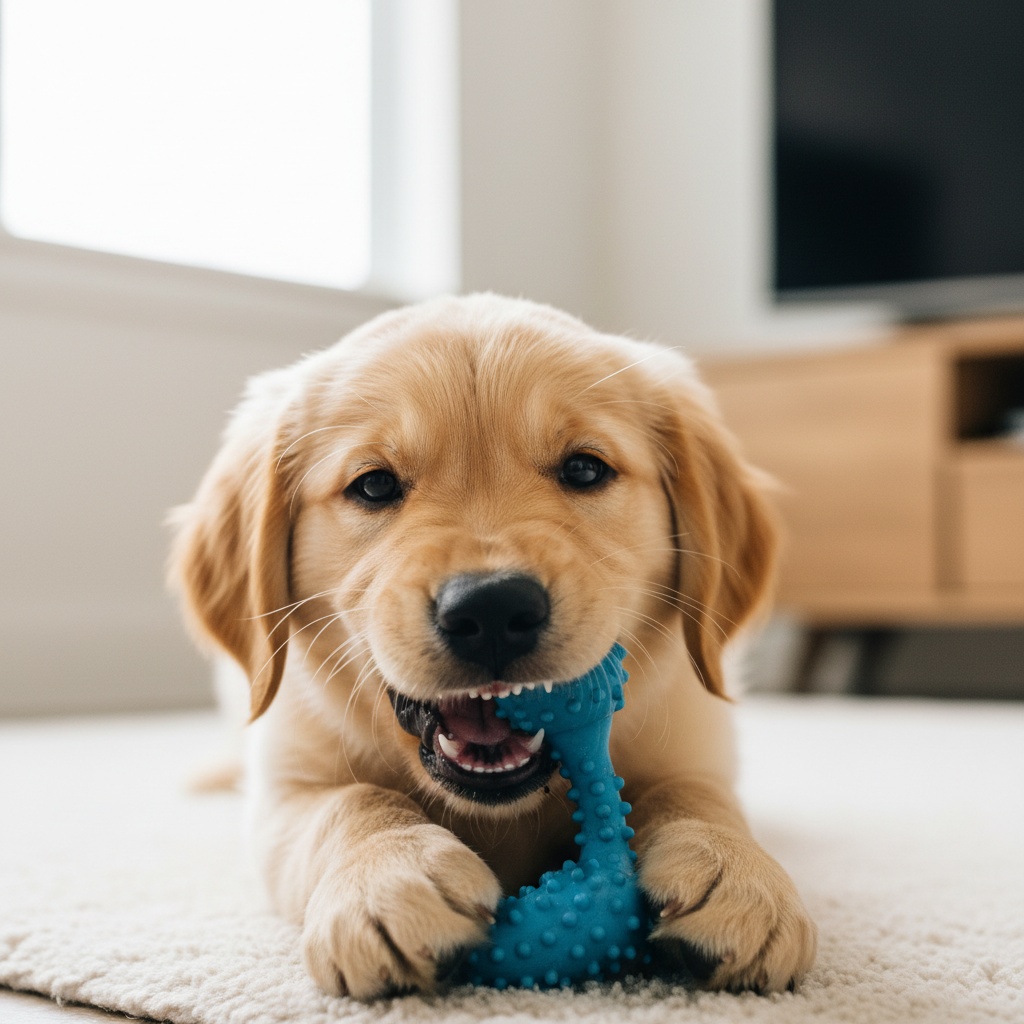
Understanding What Makes an Aggressive Puppy
If you’re dealing with an aggressive puppy, let’s get real about what’s going on. Puppy aggression can be confusing and frustrating, but breaking it down helps. Not all crazy puppy behavior means you’re doomed to a life of chaos and vet bills. Let’s check out what might be happening inside that little fur missile.
- Genetics: Some breeds or lines can have a tendency toward mouthiness or assertiveness.
- Fear: Your aggressive puppy could be scared or unsure about new stuff.
- Poor Socialization: If puppies miss out on positive experiences with people and other dogs, they may lash out.
- Pain: Puppies in pain (teething, injury) may act more aggressively.
- Resource Guarding: Some puppies are extra possessive over food, toys, and space.
Understanding why you have an aggressive puppy is step one. But I won’t sugar coat it – it can take patience, detective work, and a bit of trial-and-error to really nail it down.
Spotting the Warning Signs of an Aggressive Puppy
Let’s get honest. Every puppy nips. But when does it cross the line into real aggression? Here are some red flags to watch for in an aggressive puppy:
- Growling, snapping, or baring teeth when touched, especially around food or toys
- Biting hard enough to break skin or leave marks
- Lunging at people, especially faces
- Constant mounting of people, animals, or objects (it’s not just about “boy behavior”)
- Guarding – not letting you take their food/toy/chew
- Refusing to settle and escalating in excitement till they’re out of control
If your aggressive puppy is showing these signs, you gotta take it seriously. Early action is key – ignoring an aggressive puppy means a bigger headache down the line.
What if My Aggressive Puppy is Just Teething?
Listen up – teething suuucks. It messes with your puppy’s head and those needle-sharp chompers itch like mad. So some biting is totally normal. But teething alone shouldn’t equal actual aggression. If your aggressive puppy is biting just harder around the 3-6 month mark, provide teething toys and redirect. If they’re aggressive in other situations, don’t ignore it – handle it head-on. Better nipped in the bud now (pun totally intended).
Immediate Steps to Take With Your Aggressive Puppy
Got an aggressive puppy on your hands and starting to feel overwhelmed? Pause for a sec. Let’s lay out action steps that you can use right away. Here’s what to do first:
- Stay Calm: No yelling or hitting. An aggressive puppy won’t learn that way and you don’t want to create fear.
- Mark Bad Behavior: When your aggressive puppy nips or growls inappropriately, calmly say “Nope” or “Ouch!” and remove your attention.
- Redirect: Immediately give your aggressive puppy an appropriate chew, toy, or activity.
- Time-Outs: If your puppy is frenzied or biting non-stop, a short time-out (in a boring room, NEVER a crate) can work wonders.
- Reward Good Behavior: Praise and treat your aggressive puppy when they’re calm, gentle, or when they let go on cue.
- Supervision: Don’t just let your aggressive puppy roam and hope they figure it out. Supervise closely – they’re learning at every second!
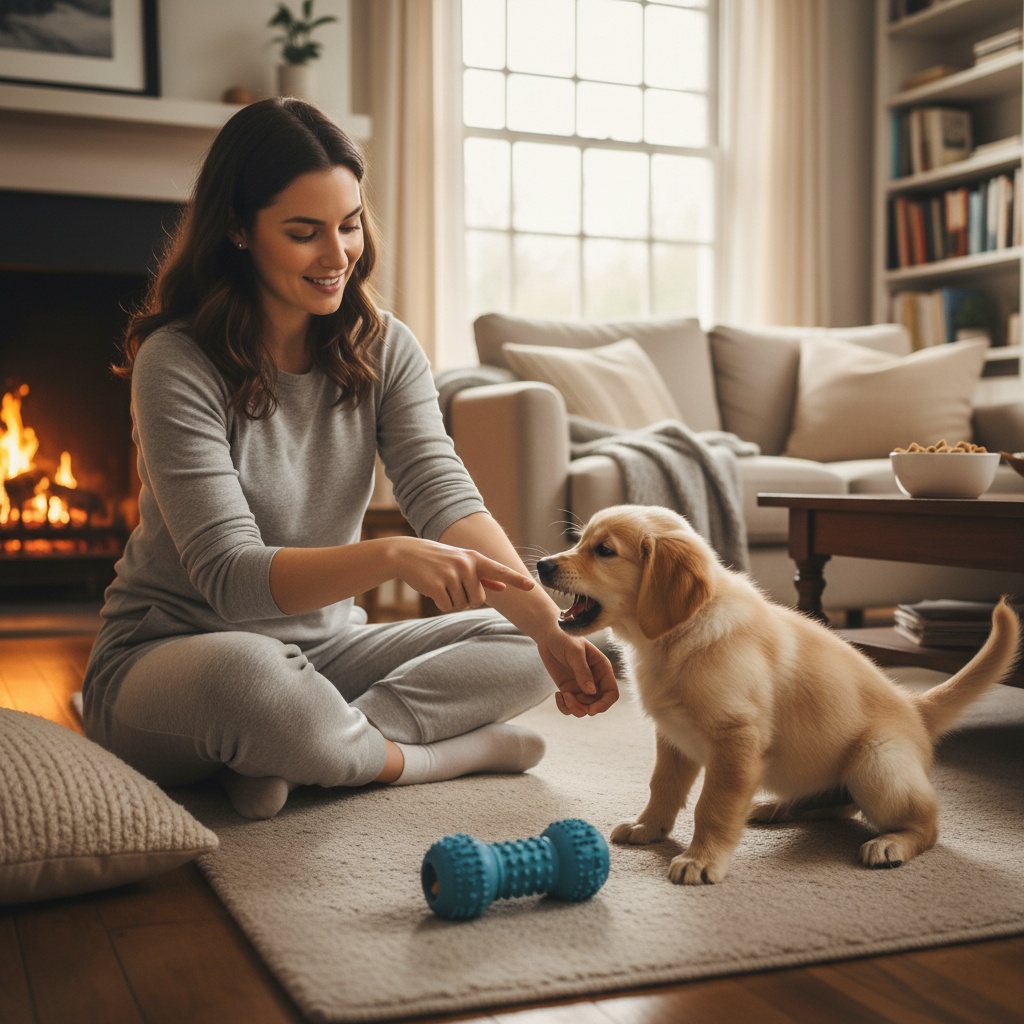
Aggressive puppy behavior may feel overwhelming but trust me, you can turn things around with consistency and routine. I promise – you don’t have to live with a tiny land-shark forever!
The Right Way to Socialize an Aggressive Puppy
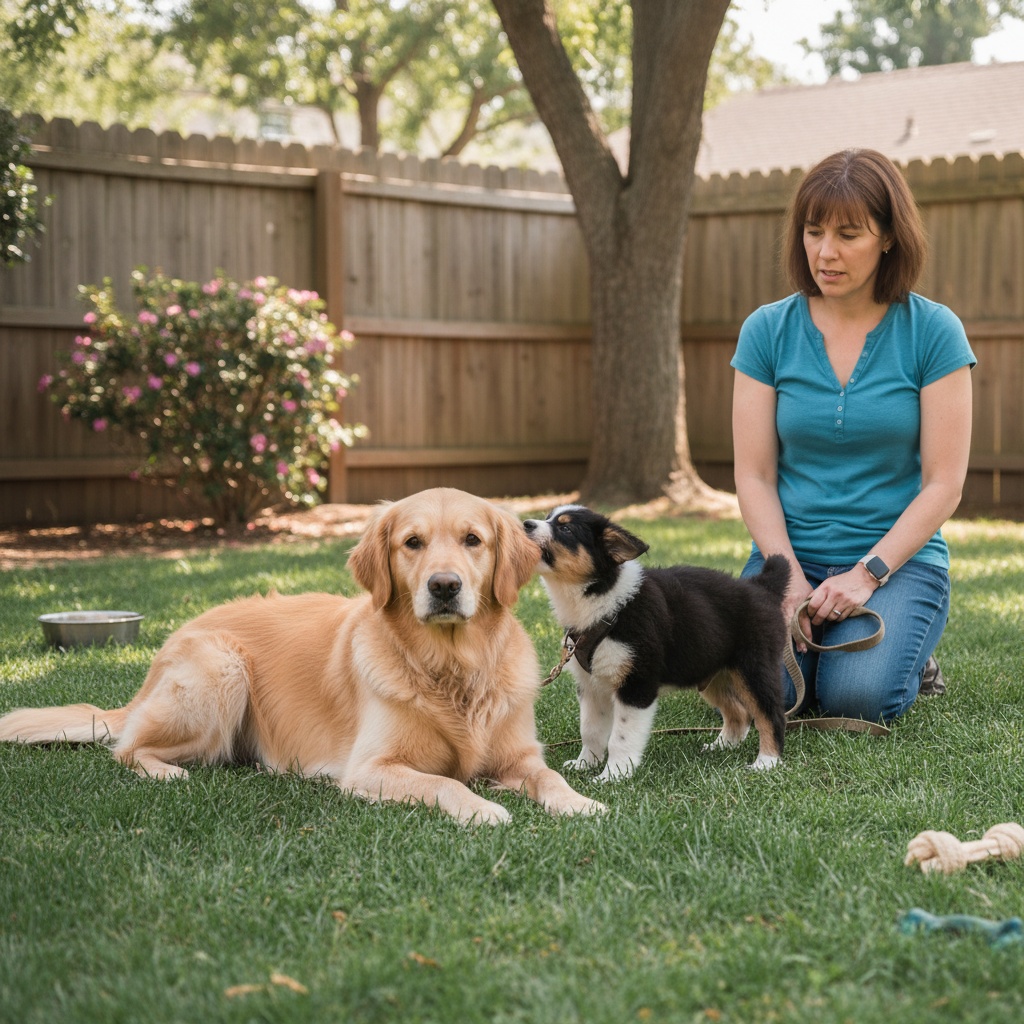
Okay, let’s talk about socialization. For an aggressive puppy, this isn’t just playing in the park with random dogs. It’s a carefully managed process. Socializing an aggressive puppy needs to happen in controlled, positive settings, not chaos.
- Start with calm, gentle adult dogs that are cool with puppies
- Keep interaction short, sweet, and closely supervised
- Reward your aggressive puppy for non-aggressive behaviors
- Stay away from busy dog parks or wild playgroups at first
- Introduce to new people with treats and praise, not pressure
- Never force your aggressive puppy to interact if they’re overwhelmed
Remember, the key is to teach your aggressive puppy that new stuff = good stuff. Never push too hard or too fast – slow and steady wins this race, homie.
Common Mistakes Owners Make With an Aggressive Puppy
Let’s get real for a sec, because I see these mistakes all the time with aggressive puppy clients. If you’re doing any of these, no shade – just adjust and move on.
- Letting aggression slide: Don’t chalk up serious biting or growling to ‘puppy phase.’
- Using rough correction: Hitting, yelling, or scruff-shaking just makes things worse for your aggressive puppy.
- Not providing enough exercise: A bored puppy equals a badly-behaved puppy. Facts.
- Isolating the puppy: Lack of exposure to real life makes aggression worse later on.
- Not being consistent: If rules change daily, your aggressive puppy won’t have a clue what’s expected.
Get Professional Help If Needed
No shame in reaching out for help. An aggressive puppy can sometimes be too much for first-time owners – or even pros! If you’re feeling lost, a certified dog trainer or behaviorist can help your aggressive puppy turn a corner. Don’t wait until it becomes dangerous or someone gets hurt – early intervention is best.
If you do go pro, look for these gold stars:
- Uses positive reinforcement, not aversive corrections
- Has experience with aggressive puppy cases
- Is certified (look for CPDT, IAABC, or KPA)
How to Train an Aggressive Puppy at Home
No two aggressive puppies are the same, but there are training basics and effective training techniques that every owner should master. If you want to train your aggressive puppy at home, here’s your starter plan:
1. Bite Inhibition
- Yelp or say “Ouch!” if your aggressive puppy chomps too hard
- Immediately stop play and ignore for a short bit
- Reward gentle mouthing or licking
2. Leave It/Drop It
- Teach your aggressive puppy to release objects using treats
- Practice with low-value toys first and work up
- NEVER yank something away – trade instead
3. Calm Introductions
- Start every new intro with treats in hand
- Let your aggressive puppy approach at their own pace
- Keeps greetings short and positive
4. Safe Management
- Use baby gates or pens to give your aggressive puppy space if they get overwhelmed
- Feed separately from other pets or people
- Pack away high value items when visitors come over
All these little things build up over time with consistency, and your aggressive puppy will start to chill out.
Managing Aggressive Puppy Energy
Real talk: Most aggressive puppy moments come out when they’re wound up, bored, or under-exercised. If you’re battling daily chaos at home, try ramping up the action. Here are quick hacks:
- Puppy playdates (with calm, steady dogs!)
- Food toys and puzzles instead of food bowls
- Short, snappy training sessions (5-10 mins, tons of treats)
- Small walks in boring neighborhoods – not big, loud places that make an aggressive puppy more hyped
- Hide and seek games with toys or family members
If you burn off that energy in good ways, your aggressive puppy is soooo much less likely to start drama just for entertainment.
What Not to Do With Your Aggressive Puppy
Let’s squash some myths here. These are BAD news for an aggressive puppy and can make behavior a hundred times worse. Don’t, and I mean don’t:
- Alpha roll or force them on their back
- Scare them with loud noises or punishment sprays
- Yell, smack, or use ‘dominance’ techniques – this old school stuff just makes your aggressive puppy more anxious or sneaky
- Physically force them to share food or toys
Your aggressive puppy needs guidance, not threats. Use trust and routine, not brute force.
Building Confidence in an Aggressive Puppy
Lots of aggressive puppy behavior comes from fear or uncertainty. Building your dog’s confidence can transform them from “attack mode” to “chill companion.” Here’s how:
- Teach basic commands (sit, down, stay) and reward every success
- Expose your aggressive puppy to one new thing each day (object, sound, gentle visitor)
- Let them sniff and explore their world at their own pace
- Never punish for being scared or unsure
Confidence grows over weeks, not days, so keep at it – your effort pays off, promise!
When to Be Really Worried About Your Aggressive Puppy
Most puppy craziness is normal, even in an aggressive puppy. BUT – sometimes it’s more serious. Talk to your vet or a pro ASAP if you see:
- Repeated, intense aggression not related to play
- Sudden changes in behavior (especially if paired with eating/sleeping changes)
- Aggression directed at kids or other pets
- Growling/lunging just for someone entering the room
- Refusal to stop, back off, or de-escalate at all
Medical stuff can pop up, or some pups honestly need experienced hands to keep everyone safe. Don’t wait it out if it’s getting serious.
Loving Your Aggressive Puppy Through It All
Finally, please be kind to yourself and your aggressive puppy. Raising a pup with behavior issues is tough, tiring, and can be kinda lonely. But with the right approach, patience, and help when you need it, you can absolutely help your aggressive puppy find calm. It’s a journey, but a worthwhile one. Some of the toughest puppies truly become the best dogs ever.
So stick with it, try these tips, and don’t give up. Your aggressive puppy really can learn to trust, chill, and be a part of a happy family. And hey – once you’ve gotten through this, you’ll be the puppy whisperer when your friends need help, right? Good luck, you got this!