Welcome to the wild, wonderful world of crate training a puppy! If you’re reading this, you probably just brought home a wiggly lil’ ball of fur, or maybe you’re about to. Either way—congrats, dude! You’re about to embark on a seriously life-changing journey (for both of you). And, guess what? Crate training a puppy is one of the best gifts you can give your new BFF. Not only will it make your life easier, but it’ll make your new pup feel safe, secure, and totally at home.
Why is Crate Training a Puppy Such a Big Deal?
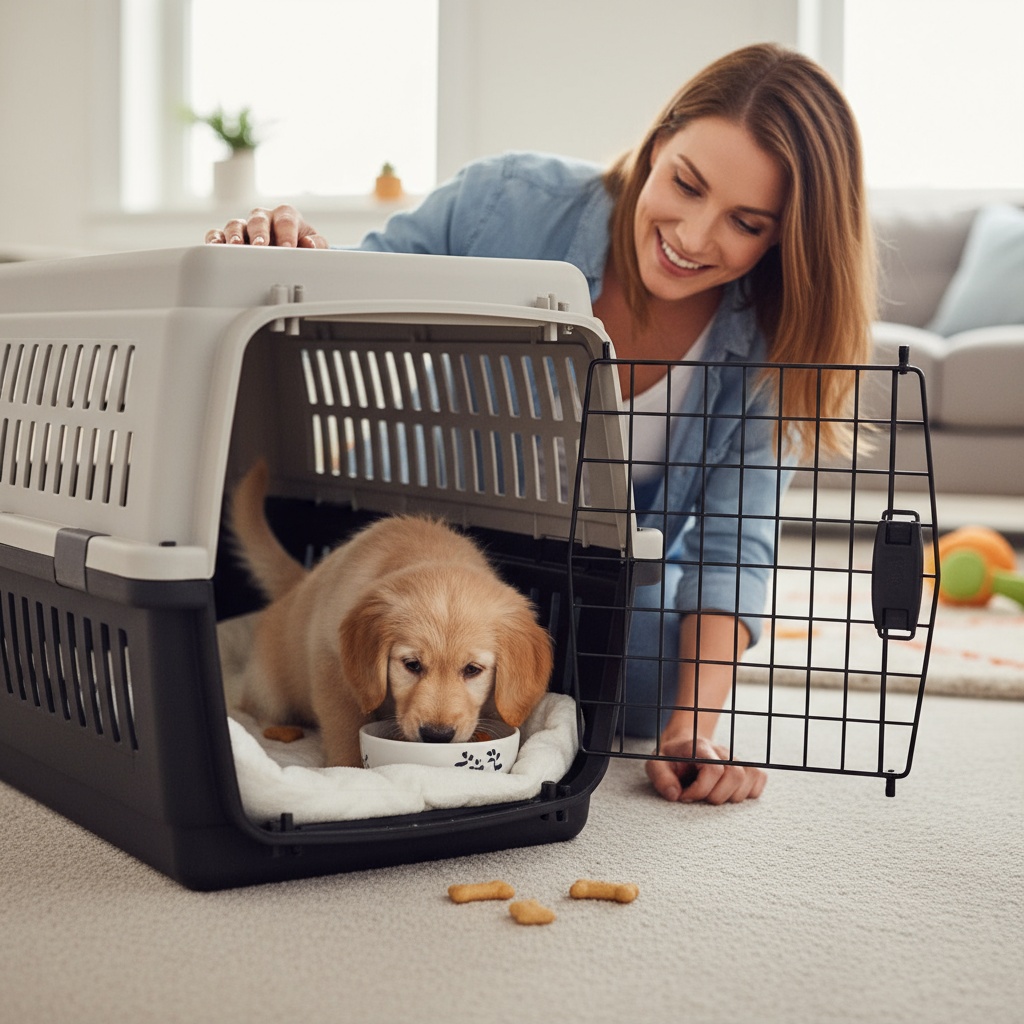
Let’s kick it real for a sec. When most people hear the phrase crate training a puppy, they picture a poor doggo locked up in a tiny box, sad eyes and all. But that is so not what crate training’s about, at least when you do it right! Crate training a puppy taps into their natural instincts; wolves and wild dogs seek cozy, protected spaces to chill or nap. Your crate? It’s your puppy’s den, their personal safe zone. Seriously! When you get the hang of crate training a puppy, you’ll see it’s as positive as it gets.
- Housebreaking Help: Puppies hate to potty where they sleep! Crate training a puppy actually speeds up house training by a mile.
- Chew Control: You can’t puppy-proof your whole house. Crate training a puppy keeps them (and your fav shoes) safe when you’re busy.
- Travel Buddy: Road trips? Vet visits? Hotels? A crate-trained puppy handles them all like a pro.
- Safety First: During stressful events, like fireworks or storms, your puppy’s crate becomes their reassuring hideaway.
How to Choose the Right Crate for Your Puppy
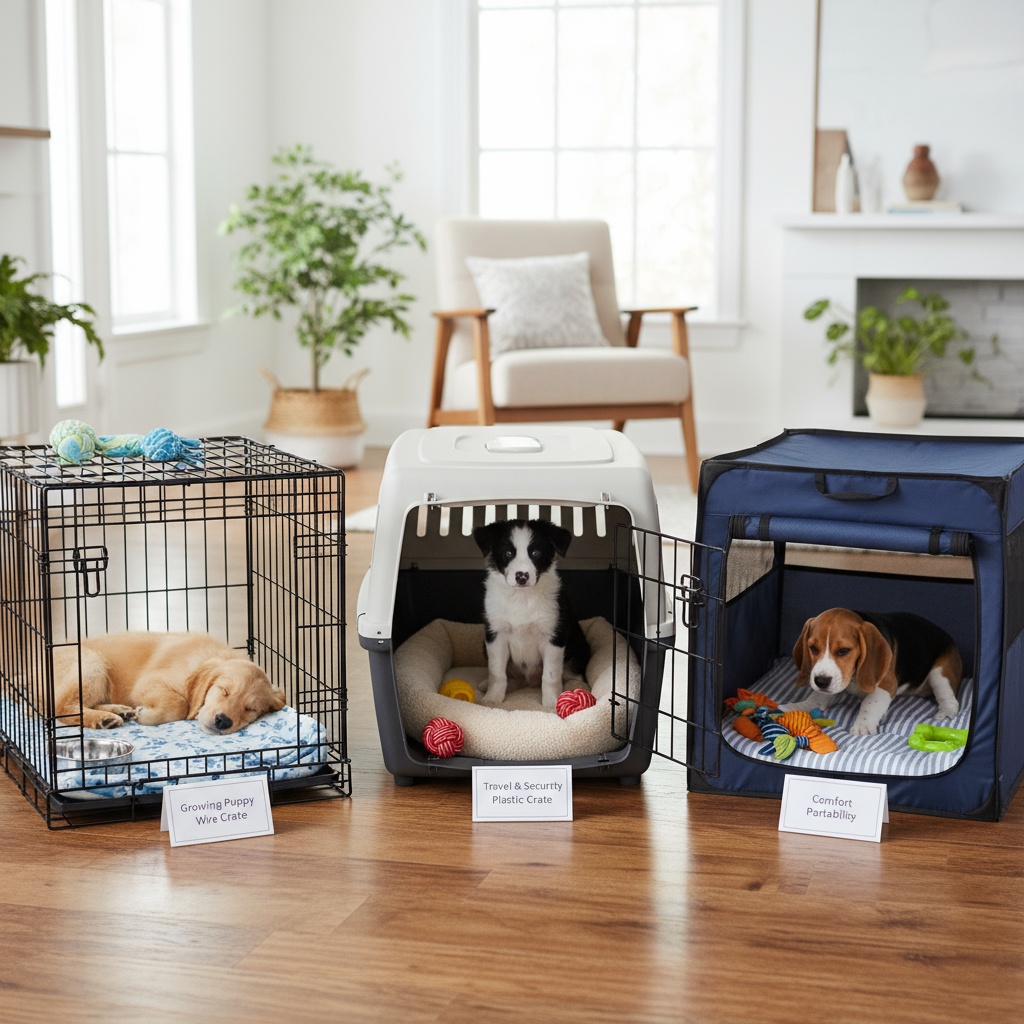
Before you even think about starting crate training a puppy, you gotta pick the right gear. Not all crates are made equal, fam! Here’s what to look for:
- Size Matters: Crate training a puppy works best if they can stand, turn, and stretch out. Too big, and they might potty in it; too small, and it’s just mean. If your pup’s gonna be huge, get a divider panel for the crate so you can size up as they grow.
- Material: Plastic crates (AKA travel crates) are cozy and great for car rides. Wire crates are airy and easy to clean. Some folks use fabric crates for chill, older dogs.
- Safety: Avoid crates with sharp bits or gaps. Always check the latch!
Step-By-Step: Crate Training a Puppy Like a Total Pro
Patience, pal—seriously. Crate training a puppy isn’t something you rush. Rushing just sets you both back. Here’s a foolproof plan for crate training a puppy that really works:
Step 1: Make the Crate Irresistible
Don’t just shove your puppy in and call it a day. We want tails wagging, not dragging. Place the crate in a chill spot—not hidden, not in the middle of chaos. Toss in soft blankets, their cutest toy, maybe a t-shirt that smells like you.
- Door open at first! Let’ em sniff, check it out, and go in and out as they please.
- Drop treats inside randomly—your puppy will start to think that crate is a magic treat vending machine!
Step 2: Feed Your Puppy in the Crate
Food is a magic motivator. When crate training a puppy, start feeding all their meals right inside the crate. At first, keep the door open so they don’t freak. Gradually, start closing the door for a few minutes while they chow down, then open it back up when they finish (no drama, no fuss).
Step 3: Chill Out With the Door Closed
After a few meals where your pup is cool with eating in the crate, start stretching out the time you keep the door closed. Sit nearby so they know you’re there, then start doing tiny chores around the house while they’re in there. Don’t disappear…yet.
- Start with super short times—literally just a few minutes.
- Bring out a special chew toy for crate time only. When crate training a puppy, exclusive toys = crate is awesome.
- If they start whining, wait until they calm down before you let them out (otherwise, you’re teaching ‘whine to be free’… oops).
Step 4: Alone Time in the Crate (You Got This!)
Once your pup’s okay chilling with the door closed while you’re around, it’s time for short bursts where you leave the room. Crate training a puppy means teaching them to be okay on their own, even if you just step out for a sec.
- Start small: five minutes here or there.
- Keep returning calm and casual—no wild reunions. Crate training a puppy is about normalizing cool solo time.
- Build up the time super gradually. Some pups are chill after a few days, others take weeks. And honestly, that’s totally normal.
Puppy Crate Training Schedule: What’s Realistic?
The golden rule for crate training a puppy is that pups can typically hold their bladder for about one hour per month of age (up to max of 4-5 hours). So:
- 8-week-old = 2 hours, max (and probably less)
- 12-week-old = 3 hours
- 16-week-old = 4 hours
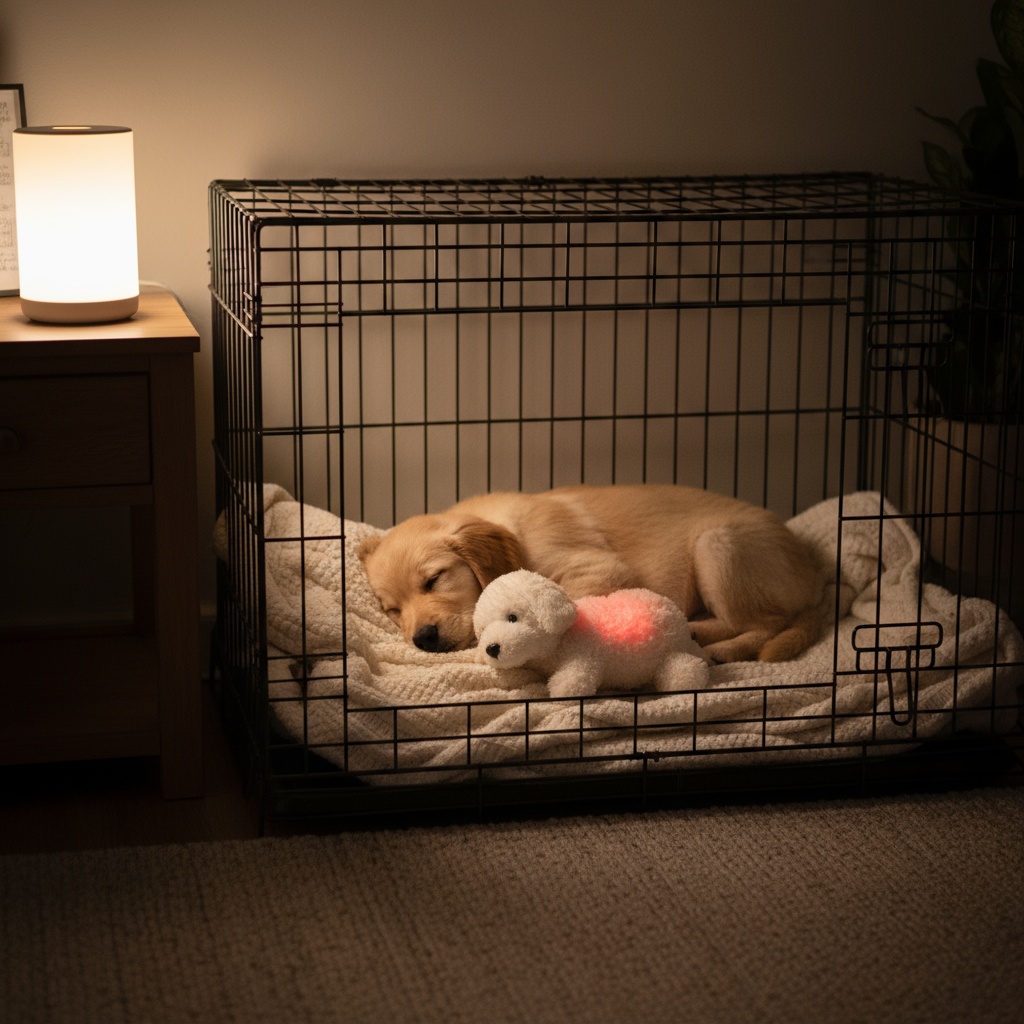
Overnight, add a little time, but puppies wake up and gotta GO, so don’t expect miracles. Set your alarm (sorry!) and take ‘em out as needed during the night for those little potty trips. Pro tip: carry them out directly from the crate, so you avoid distracted indoor accidents.
Dealing With Puppy Whining and Crying in the Crate
Crying is a normal part of crate training a puppy—seriously, it happens to everyone. It can mean your pup needs to potty, or just that they want out. Figuring out the difference is key.
- If it’s been a while and you suspect they need to potty, take them out straight to the potty spot, then back in. No play, just business.
- If you know they’re just fussing, wait until they stop before letting them out—otherwise, you’ll teach them that noise = freedom.
Try not to get mad or anxious! Crate training a puppy is all about calm, positive, consistent vibes.
Common Mistakes to Avoid When Crate Training a Puppy
We all make mistakes, but with crate training a puppy, some things really slow you down. Here’s what to look out for:
- Using the crate for punishment. Nope—crate time should always feel safe, never scary.
- Leaving puppies in for too long. Little bladders are small! Overdoing it will cause accidents and mess with trust.
- Inconsistency. Reinforce the same rules every day. Puppies thrive on routine, and so does successful crate training a puppy.
- Ignoring the puppy’s emotional needs. Balance independence with snuggles, so your pup stays happy and confident.
How to Make the Crate a True Puppy Paradise
Ready for next-level crate training a puppy? Make that spot irresistible. Try:
- Snuggle puppy toys with a heartbeat for newborn comfort.
- Chew toys or food puzzles so crate time stays fun and meets chew needs.
- A comfy crate mat or blanket (just be sure your puppy’s not the destroy-everything type).
- Play relaxing music or white noise to keep the vibes chill, especially for pups who hate being alone.
Crate Training a Puppy: Frequently Asked Questions
How long will it take to crate train my puppy?
It wildly varies, but most pups learn the basics in a few days to a week. Some nervous pups or rescue dogs need a bit longer, but with consistency, every pup gets it eventually. The key to crate training a puppy is patience and lots of reward-based encouragement.
Is crate training cruel?
Nah, not when you use it right! Crate training a puppy taps into their natural need for a safe place. It’s only mean if you use the crate for punishment or leave your pup in way too long.
What if my puppy has an accident in the crate?
Hey, accidents happen. Clean up with an enzyme cleaner. Try reducing crate time between potty breaks and make sure the crate isn’t too big—sometimes pups pick a corner as their potty spot if there’s too much wiggle room. Stick with it, and crate training a puppy will pay off!
When to Stop Crate Training a Puppy
Great question! For many doggos, the crate’s their ride-or-die chill spot for life. But as your puppy matures and nails potty training (usually by 12-18 months), you can start leaving them loose for short bursts when you’re out. Always puppy-proof your home and make sure they aren’t chewing stuff up or getting into trouble before you retire the crate full-time.
Crate Training a Puppy for Special Situations
Crate Training With Multiple Dogs
Got more than one furry pal? Never stuff them both in the same crate. Every dog should have their own safe space. Crate training a puppy with other adult dogs around? Make the experience extra positive so there’s no jealousy or competition.
Helping a Rescue Puppy Love the Crate
Whew, this can be trickier, but crate training a puppy from a rescue is totally do-able. They might need longer to trust. Go slow, use LOTS of treats, and never force it. Sometimes leaving the crate in the main area (with the door off at first) helps curious pups check it out at their own pace.
Bonus: Fun Games and Tricks to Try While Crate Training a Puppy
- Crate Dash: Toss treats or their favorite toy in and race your puppy to the crate door.
- Crate Hide-n-Seek: Hide super high-value chews in their crate for surprise rewards.
- Crate Party Time: Every so often, just crawl in and snuggle your puppy in the crate if they’re into it—show them you “get it.”
Real-Life Success Stories of Crate Training a Puppy
Here are a couple of stories from regular peeps who totally rocked crate training a puppy:
- Sara & Max: “We thought crate training a puppy was gonna be rough, but within a week Max adored his crate. It’s his spot now—even when the door’s wide open. Our house is so much cleaner, too!”
- Terry & Luna: “Taking Luna on her first road trip was a breeze because she *loves* her crate. She just zonked out the whole ride. Huge game changer!”
Final Words: Why Crate Training a Puppy Is Worth It
Honestly, crate training a puppy is one of the smartest moves you’ll ever make. Not only does it help with potty training and safety, but it also gives your pup confidence, comfort, and a cozy spot to call their own. Stick with the tips above, stay super patient, and keep the experience positive and fun. Sure, there’ll be blips along the way—but you and your puppy will get there, and your future self will thank you big time. Happy crate training, pup parent!