Ever watched a pup bust out a flawless roll over and thought, “Heck, I want my dog to nail that trick too!”? If you’re pumped to train your furball and wow your friends, you’re in the right spot. Today, we’ll break down everything you need to know about dog training roll over: why it matters, how it works, some sweet hacks, plus what to do if your pooch just doesn’t seem interested. Grab your treats and let’s dive in—this ain’t your average, stuffy dog training article, I promise!
Why Bother With Dog Training Roll Over?
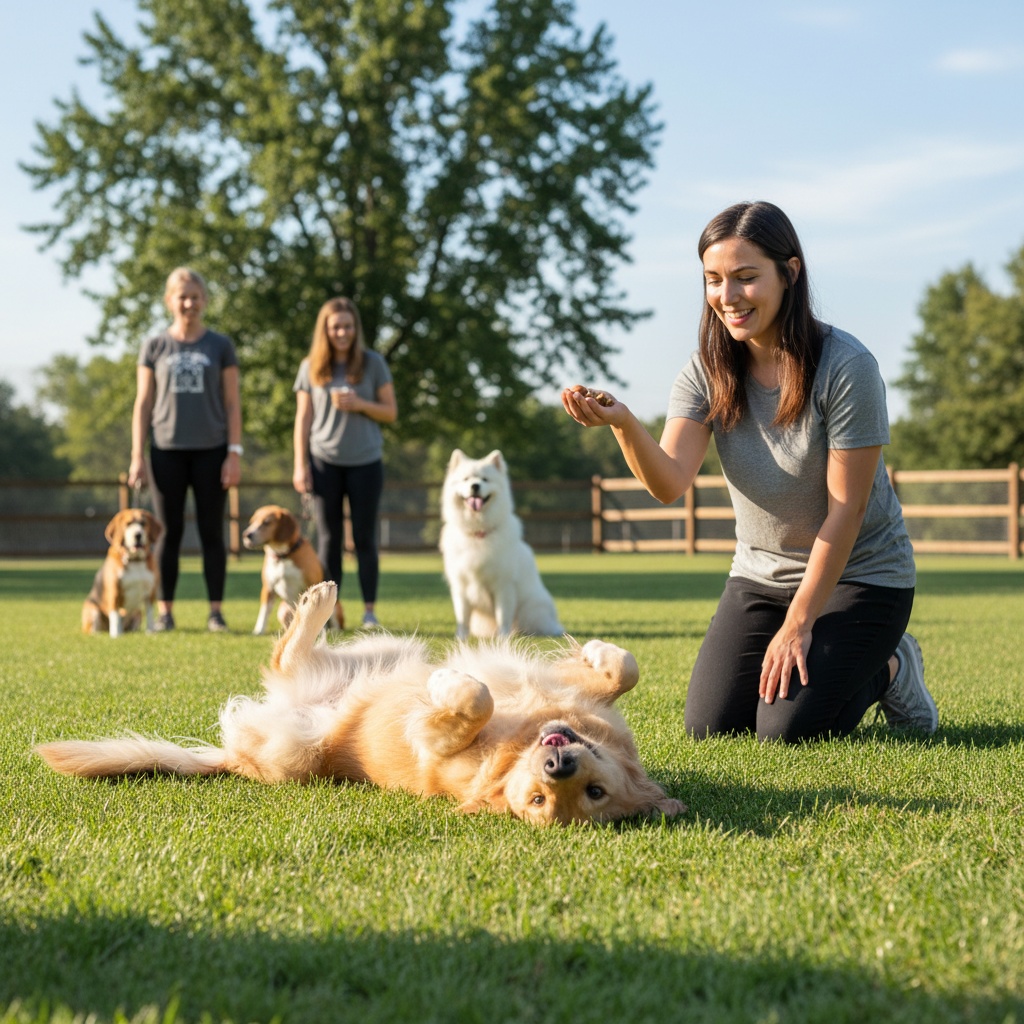
Let’s be real: bragging rights are a big deal when your dog learns to roll over! But there’s way more to it than flexing on your neighbors. Dog training roll over boosts your dog’s listening skills, strengthens your bond, and burns mental and physical energy. Plus, it’s a fun way to ramp up obedience—and most pups actually love showing off once they get it down.
- Improves obedience: Adding a new command amps up their focus and ability to listen even when distracted.
- Supports joint & body awareness: Rolling over is a physical move! It helps with coordination and confidence.
- Great party trick: Let’s face it, a solid roll over draws a crowd at the dog park!
- Mental stimulation: Training a new move keeps their mind sharp and can beat that dreaded boredom.
Laying the Groundwork for Dog Training Roll Over
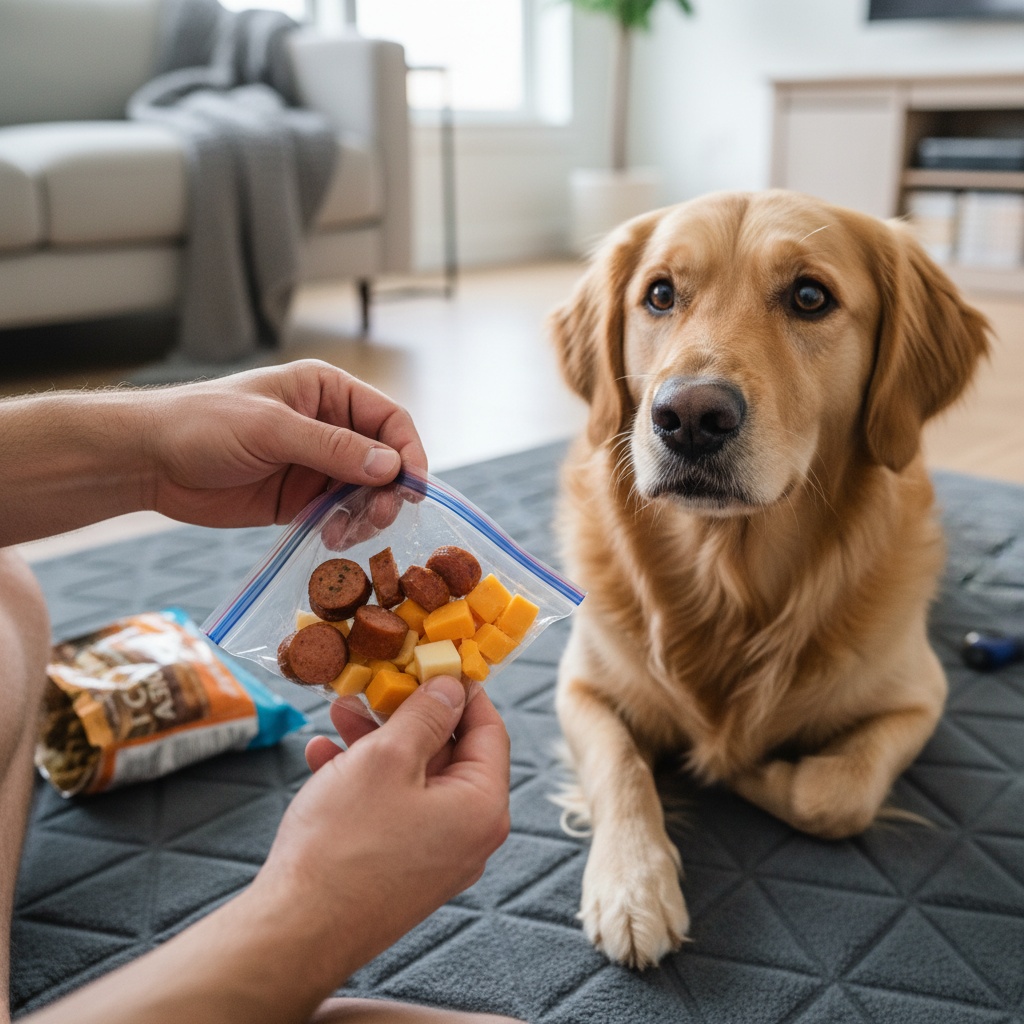
Before you jump into dog training roll over, make sure your furry pal knows the basics, especially “down”. That’s the secret sauce: if your dog can’t reliably lie down on command, rolling over is an uphill battle. Practice getting them comfortable with lying down. (Hot tip: Use some high-value treats like sliced hot dogs or cheese. Most pups go bonkers for ’em!)
The Gear You’ll Need
- Treats (the stinkier, the better—they gotta want it!)
- Comfy surface (so no ouchies on hard floors)
- Clicker (optional, but it’s super helpful if you use one)
- Seriously good vibes—keep it fun, light, and pressure-free
The 5-Step Plan to Dog Training Roll Over
Okay, you’ve got your treats and your hype song on standby. Here’s the step-by-step guide to master dog training roll over with no stress for you or your four-legged bud.
- Step 1: Start with “Down”
Your dog needs to be chilling in a down position at the start. Cue them to lie down, and reward that move. - Step 2: Lure the Head
Take a treat, hold it by your dog’s nose, and slowly move it from their nose towards their shoulder. Their head should follow the treat. - Step 3: Encourage the Roll
Once their head’s turned, keep guiding the treat back so they twist their body. If they flop onto their side, reward! That’s the first part of dog training roll over. - Step 4: Complete the Rotation
Now, once on their side, move the treat in a steady arc so they roll onto their back and then all the way over. Go slow, so they stay relaxed! Reward for any movement in the right direction, even if it’s not a full roll yet. - Step 5: Add the Verbal Cue
Once your pup follows the treat reliably, add the words “roll over” as you make the motion. Soon, you can fade the lure and cue with just your voice and a little hand signal. That’s real progress in dog training roll over!
Common Pitfalls in Dog Training Roll Over (And How to Avoid Them)
Not every dog picks up new tricks at the same pace, and that’s totally normal! Some breeds (looking at you, bulldogs and corgis) might find it physically awkward. Here’s what might trip you up while teaching dog training roll over, and how to fix it:
- Your dog won’t roll at all: Try breaking it down. Reward just turning their head or lying on their side at first.
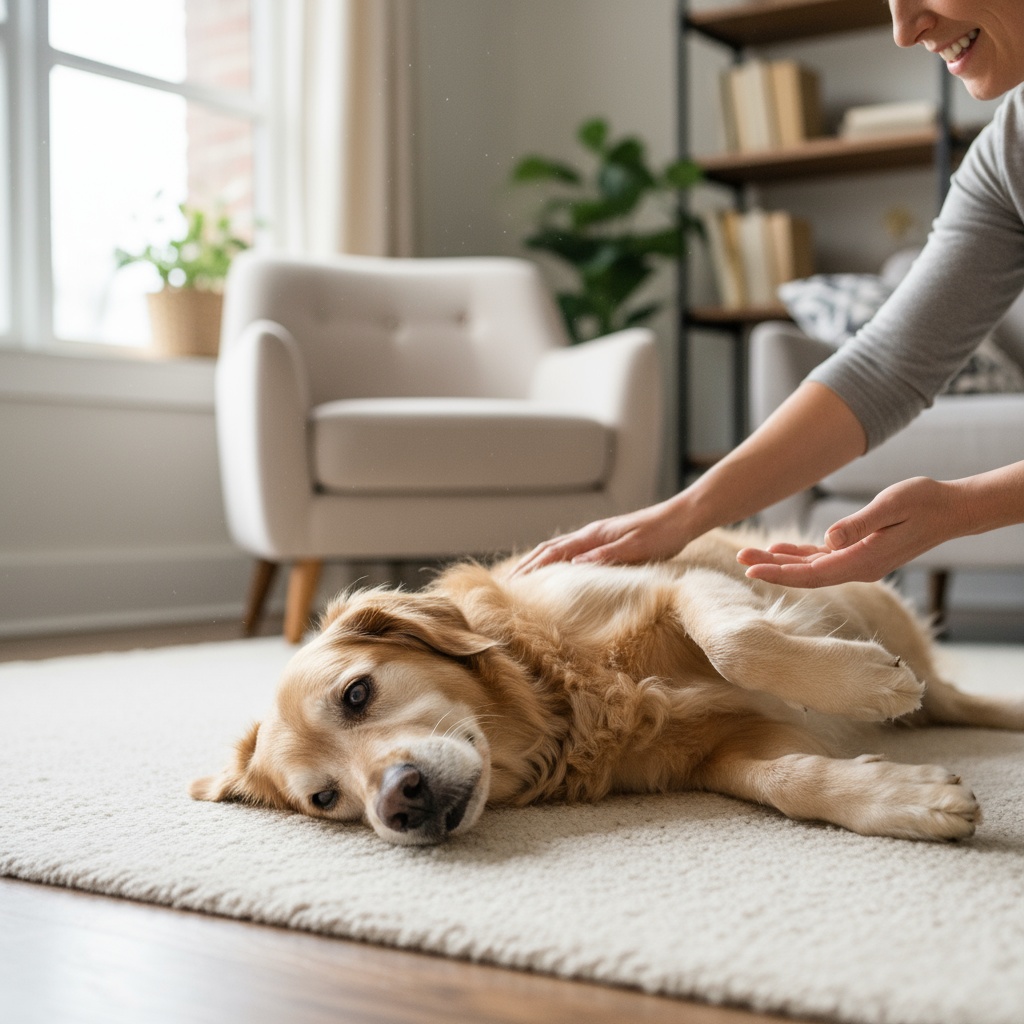
- They roll halfway, then freeze: Slow your hand motion, don’t rush. Sometimes a belly rub helps coax them the rest of the way!
- Lack of motivation: Up the ante with better treats or train somewhere quiet. Some dogs just want to snooze in the sun… gotta tempt ’em!
- Gets confused with “play dead”: Be clear and use totally different cues and gestures for each trick.
Fun Variations to Dog Training Roll Over
Bored with the standard dog training roll over? Give it a twist:
- Reverse roll over: Get your pup to rotate in the opposite direction—yup, it’s a brain buster but super cool to watch!
- Double roll over: Build up slowly so they do two rolls in a row. Dogs love a challenge.
- Roll fetch: Add a toy or treat at the end to start a next game—keeps sessions upbeat and interactive!
Make It a Game!
Always finish training with a happy vibe, even if your dog still needs work on their dog training roll over trick. Toss in some fetch, tug, or just straight-up cuddles. Dogs remember the last thing you do—so make it positive!
Best Treats for Dog Training Roll Over
If you wanna rule the world of dog training roll over, your treat game needs to be on point. Think small, soft, and stinky:
- Bits of boiled chicken
- Cheese cubes
- Hot dog slices
- Commercial soft dog treats
- Peanut butter (use a lick spoon—don’t make a mess!)
Dos and Don’ts in Dog Training Roll Over
- Do:
- Keep sessions short (3-5 minutes is plenty—don’t bore your buddy!)
- Celebrate small wins and progress
- Repeat sessions daily for consistency
- Don’t:
- Force your pup—if they aren’t diggin’ it, take a break and try again later
- Get frustrated—they can sense your mood and will shut down (true, trust me on this)
- Forget to practice on both sides—it helps balance their bodies
Training Roll Over for Puppies vs. Older Dogs
Training a bouncing puppy? Expect lots of wiggles and maybe a few bloopers—but that’s part of the fun. Puppies tend to be fearless and food-motivated (champs!). For senior pups or less flexible dogs, dog training roll over may take longer, and it’s okay to accept halfway points as a win. Don’t stress if your old pal is more into snoozing; consider tricks like “paw” or “spin” instead!
Troubleshooting Dog Training Roll Over
Let’s be honest—sometimes you hit a wall. Here are fixes for common issues during dog training roll over:
- Dog seems stiff or uncomfortable – Roll over isn’t for everyone. Check with your vet if they seem sore; arthritis is common in older dogs.
- Getting distracted easily? – Choose a quiet area with ZERO outside sniffs or noises. A rug is a dog trainer’s secret weapon for traction and comfort.
- Forgets the trick next session – Review every day. Sometimes dogs need 20 or more reps until a trick “sticks.”
Pairing Dog Training Roll Over with Other Commands
Rolling over opens the door to tons of cool combinations. Try these pairings:
- “Down” → “Roll over” → “Sit”
- “Roll over” → “Shake paw” (adorable overload!)
- “Roll over” as a reward for nailing a tougher task
By mixing up tricks, your dog’s brain gets a workout too. You create a mini routine, and your pup gets even more hyped to perform.
Real-Life Stories: Roll Over Wins and Fails
I’ll be straight: not every roll over session is Insta-worthy. Sometimes it’s awkward, hilarious, or downright disastrous. I’ve seen dogs roll the wrong way, get stuck belly-up, or just shoot you a look like, “Mom, what are you doing?” But stick with it—dog training roll over is all about patience and good giggles. Every little win is a giant step forward for you and your dog.
Level Up: Advanced Dog Training Roll Over Techniques
Already nailed basic dog training roll over and want an upgrade? Try these pro moves:
- Distance commands: Teach your pup to roll over when you’re standing a few feet away instead of right next to them.
- Add distractions: Have other people or pets in the room once your dog is solid on the cue. Now you know they really get it!
- Silent cues: Fade the verbal command and use just a hand motion.
- Combine with agility: Use dog training roll over in a home obstacle course—it’s next-level fun.
Recap: Why Dog Training Roll Over is Totally Worth Your Time
Dog training roll over is more than a party trick—it’s a legit way to enhance your pup’s obedience, boost your bond, and have a blast together. Remember:
- Practice often, keep it playful, and don’t sweat the small stuff
- Tune into your dog’s comfort level
- The journey is as awesome as the destination—enjoy it!
FAQ: Your Dog Training Roll Over Questions, Answered!
- How long does it take to teach roll over?
It depends! Puppies might pick it up in a week, while older dogs can take longer. Stay positive and chip away at it daily. - Can older dogs learn roll over?
Absolutely, but be patient and watch out for stiff joints. - Should I use a clicker for roll over?
If you’re into clicker training, it helps mark the exact moment your pup does the right move. If not, a cheerful “Yes!” works too. - What if my dog’s scared to roll onto their back?
No worries! Some dogs feel vulnerable belly-up. Reward just turning or going onto their side. With trust, they may open up to rolling fully.
Take the Challenge: Show Us Your Dog Training Roll Over!
Alright, superstar: it’s your turn. Try these tips, lures, and tricks—then drop a vid of your dog’s slickest roll over in the comments! Remember, with dog training roll over, it’s all about fun, patience, and celebrating all those little victories. You and your pup are gonna crush it!