Ever found yourself embarrassed at the park because your dog is walking you instead of the other way around? Trust me, you’re not alone—dog training walking on leash is the kind of struggle every pup parent faces. But hey, with the right approach, few tweaks in your daily routine, and a little patience (okay, maybe a LOT some days!), even the most enthusiastic leash pullers can become perfect walking buddies.
Why Dog Training Walking on Leash Matters
Let’s get real: leash manners are more than just looking cool in your neighborhood. Dog training walking on leash is crucial for your dog’s safety, your sanity, and strengthening that awesome bond between you and your furry friend. Not to mention, it’s kind’a required by law in tons of public spaces. So yeah, nailing this skill isn’t just nice—it’s necessary.
- Safety First: Unruly dogs could dash into traffic or tangle you up, risking injury.
- Enjoyment: Walks are wayyy more fun without constant tug-of-war.
- Bond Building: Proper dog training walking on leash lets you work as a team. High five for teamwork!
- Respect from Others: A well-behaved dog is welcome just about anywhere.
Understanding Why Dogs Pull on the Leash
Before we can fix those dragging-you-down-the-block moments, it’s good to know why pups misbehave in the first place. During dog training walking on leash, the temptation to pull is real—think squirrels, new smells, other dogs… even a blowing leaf can be distracting! Dogs pull because they’re excited and curious, not out of rebellion. On top of that, they learn that pulling gets them places faster. Whoops!
Common Triggers for Leash Pulling
- Environment: New sights and smells everywhere.
- Energy: Too much zoom, not enough walking skills.
- Lack of Training: No one ever taught ‘em otherwise.
- Overexcitement: Seeing you pick up the leash may send your dog in overdrive.
Gear Up: Choosing the Right Tools for Dog Training Walking on Leash
You don’t need fancy gadgets, but some gear can help with dog training walking on leash. Let’s break down your options without the marketing fluff:
- Traditional Flat Collar: Good for calm walkers, but not great for pullers.
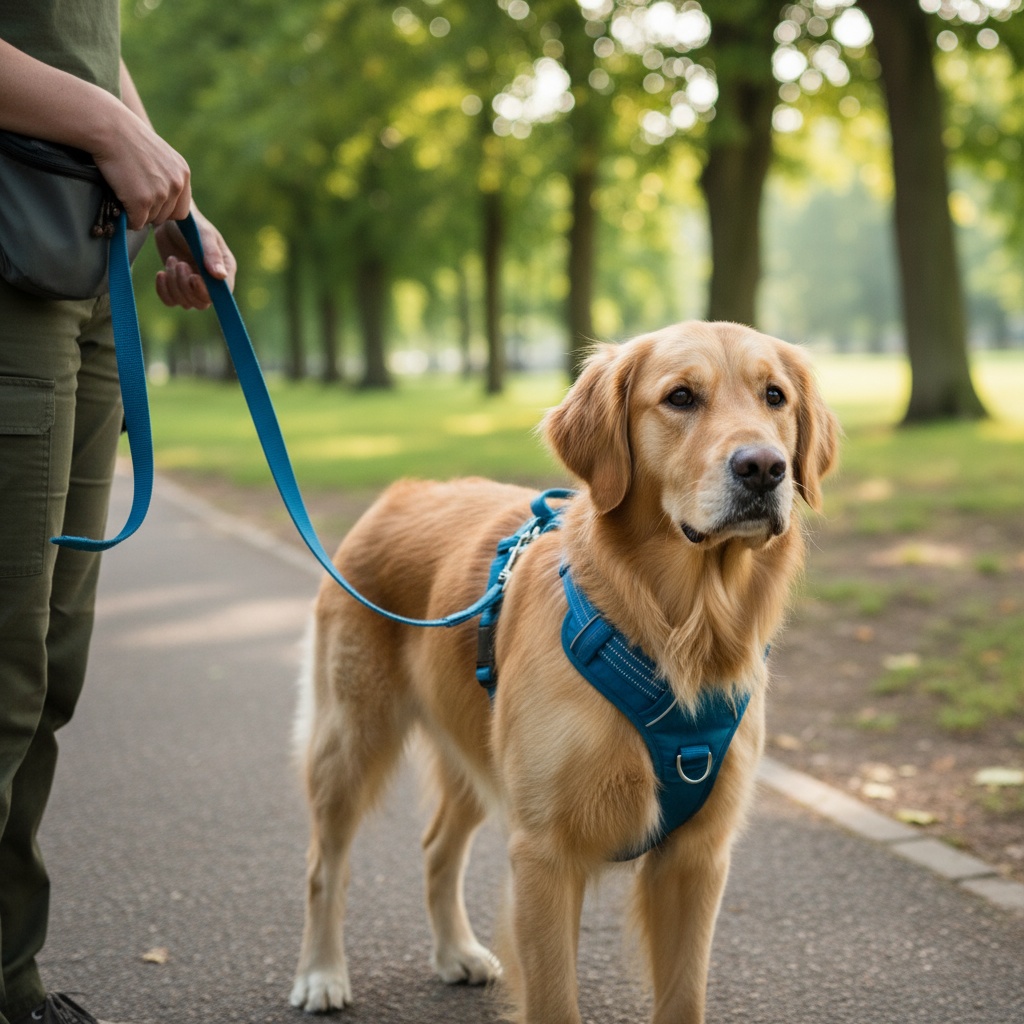
- Front-Clip Harness: Redirects pulling without choking or causing pain—major win.
- Head Halters: Useful for strong pullers but require gentle intro and training.
- Standard Leash (4–6 ft): Avoid retractables that encourage pulling.
Stuff to Avoid
- Choke Chains & Prong Collars: These can be harsh, cause injury, and don’t teach proper behavior.
- Extending Leashes: Give too much freedom too soon—save them for trained dogs in safe areas.
Step-by-Step Guide: Dog Training Walking on Leash Like a Pro
Alright, time for the real deal. Here’s a proven, step-by-step process for dog training walking on leash. Remember, patience is your best friend (besides your dog).
Step 1: Start Indoors with No Distractions
Begin dog training walking on leash where your pupper has less to distract them. Clip on that leash, have some tasty treats ready, and reward your dog for walking by your side—even if it’s just two steps.
- Praise lavishly, toss treats often (small ones, don’t wanna turn that walk into a buffet).
- Repeat until your dog reliably walks with you around the room.
Step 2: Gradually Add Distractions
Once your dog nails indoor walks, move to the backyard, then the driveway, slowly making things more “real world.” Each time you take the dog training walking on leash a little further out, distractions go up. Keep sessions short and sweet at this point.
Step 3: Use the “Red Light/Green Light” Game
- When your dog pulls—stop dead. Don’t move an inch.
- Say nothing, just stand still. The second your dog comes back to your side or loosens the leash, start walking again.
- Praise and treat for walking with a loose leash.
With dog training walking on leash, consistency here is KEY. If your pup learns pulling = no go, but loose leash = fun walkies, they’ll catch on fast. Okay, maybe not overnight, but you’ll get there!
Step 4: Incorporate Direction Changes
- If your dog surges ahead, abruptly change direction—no warning!
- This keeps your dog tuned in and looking at you, instead of the environment.
- Reward for checking in with you and staying close.
Fixing Common Problems During Dog Training Walking on Leash
Oh, trust me, almost everyone hits a snag (or a sit). Here are common snarl-ups and how to handle them:
Dog Won’t Move
- Try luring with a treat in front of their nose.
- Check if the gear is uncomfortable or too tight.
- Take a step backward—sometimes dogs follow better than lead.
Pup Zigzags Like a Drunk Tourist
- Use a shorter leash—keep ‘em close till the skills are better.
- Work on “heel” or “let’s go” with lots of rewards for walking near you.
Lunging at Other Dogs or People
- Spot triggers early. If someone’s coming, make distance or use treats to distract.
- Say your dog’s name, pile on the rewards for eye contact and calm behavior.
Making Walks Fun: Keep Your Dog Engaged
Dog training walking on leash doesn’t have to be all business. Dogs (and honestly, humans) learn best when things are fun. Try mixing up your routine:
- Use different routes—yup, sniffing new things is mentally tiring for pups.
- Stop for short play or “find it” games using treats.
- Practice sit, down, and other tricks on walks for bonus points and brain work.
- Let your dog choose the direction sometimes—nothing wrong with a little dog-led exploring, as long as you’re on the same page.
How Many Walks Should You Do?
The answer to this depends on age and breed, but most dogs need at least one solid walk per day. With young or high-energy pups, adding mini leash-training sessions throughout your week will pay off big-time.
Session Tips for Success
- Keep early training short—think 5–10 minutes, several times a day.
- Gradually build to full walks as skills improve.
- End on a high note—finish with a successful step or two, give LOTS of praise.
Pro Tips: Level Up Your Dog Training Walking on Leash
Once your basics are strong, push things further. Dog training walking on leash can get creative!
- Train with distractions: People, bikes, joggers, birds. Make it real life!
- Work on automatic sits at corners or before crossing roads.
- Build impulse control: Practice “leave it” and “watch me.”
- Slow the pace sometimes, or even jog—keeps both of you guessing.
Consistency is King
Here’s the hardest part about dog training walking on leash—it only works if everyone’s on the same page. If one family member lets the dog pull, while you’re trying to retrain, your pooch will get seriously mixed signals. Rally the fam, explain the rules, and stick with ‘em.
FAQs About Dog Training Walking on Leash
- How long does it take for a dog to learn leash skills?
Totally depends! Some get it in a week, others need months. Don’t sweat it if progress is slow. Patience pays. - Can you teach old dogs new leash tricks?
Heck yeah! Might take longer, but any dog can learn with positive methods and steady practice. - Is it okay to let my dog sniff around?
Absolutely! Sniffing is mental exercise. Just teach your dog that you decide when (use a cue like ‘go sniff’). - Should you use treats forever?
Nah, but use ‘em a lot in the beginning. Eventually, you’ll phase out treats for real-life rewards like praise, play, or freedom to sniff.
Rain or Shine: Keep Up Dog Training Walking on Leash
Unless the weather’s truly unsafe (like, actual hurricane-level drama), keep up your dog training walking on leash in all conditions—rain, shine, or snow. Dogs need the consistency, and you’ll both learn to roll with whatever comes your way.
When to Call in a Pro
If you’re battling serious leash mania—like lunging so hard you risk injury, or if walks have become full-on stress parties—contact a reputable dog trainer. Look for certified, positive-reinforcement trainers who have legit experience with leash training. In some cases, a couple of hands-on troubleshooting sessions can make a world of difference.
The Secret Sauce: Keep It Positive
Dog training walking on leash should never be painful, scary, or full of yelling. Keep sessions upbeat, use tons of rewards, and stay chill even when the walk goes sideways. If you keep things positive, your dog will want to work with you instead of dragging you toward the nearest squirrel. And if you mess up (drop a leash, lose your cool), forgive yourself and try again tomorrow. Progress, not perfection, is what matters.
Real-Life Stories: Success After Struggle
Want a little pep talk? Tons of folks, just like you, have turned leash-pulling disasters into dream walks. Whether it took two weeks or two years, they all agree: consistent dog training walking on leash changed the game. Take it one step at a time, celebrate every tiny win, and soon enough you’ll be the one folks admire as you stroll by, dog trotting calmly right by your side. G’head, give ‘em a wink—you earned it!
Final Thoughts: Walking On Leash Doesn’t Have To Suck
Dog training walking on leash isn’t about power or who’s boss—it’s about communication, teamwork, and having epic adventures together. With the right attitude, good training, and enough cheese cubes, you can transform even the wildest puller into your perfect walking partner. So, grab your leash, stash some treats, and step out the door. Your best walk ever is just a few training sessions away. Good luck, and happy trails!