Yo, so you brought home a cute little furball all paws and wagging tail, right? You imagine cuddles, fetch and those puppy dog eyes. But here’s the raw truth: you didn’t plan for the barking. Puppies bark. Sometimes, a lot. And if you’re googling how to train your puppy not to bark, you’ve prob already had a few ‘cringy’ moments with neighbors, or your own eardrums begging for peace. I totally get it. But before you lose your mind, take a breath. Let’s break it down, real talk style, no boring expert-ese, just what actually works in the wild world of puppies and their unfiltered vocal cords.
Why Puppies Bark: It’s Not Always What You Think
Barking legit is normal. It’s a puppy thing — they bark to say hi, to share the tea, if they’re scared, bored, hungry, or wanna play. Even anxiety or excitement triggers yaps. The first step in how to train your puppy not to bark is figuring out why. Here’s what’s usually up:
- Attention-seeking: Wants playtime, cuddles, food.
- Alert or warning: ‘Yo, something’s at the door!’
- Fear/anxiety: Loud noises, new people or dogs, unfamiliar stuff.
- Boredom: Not enough exercise or stimulation.
- Territorial vibes: Defending their space, especially if you live in an apartment.
So when you’re working out how to train your puppy not to bark, remember, it’s not ‘bad’ behavior — it’s just their language. Our job: help them use that voice at the right times, with less drama.
Break the Code: 6 Simple Steps for How to Train Your Puppy Not to Bark
You ready for some noise control? Cool, here’s the deal — consistency is everything. Don’t keep changing your approach daily. Pick a vibe and stick to it, so your puppy knows what’s up.
1. Catch Calm Moments and Reward Like Crazy
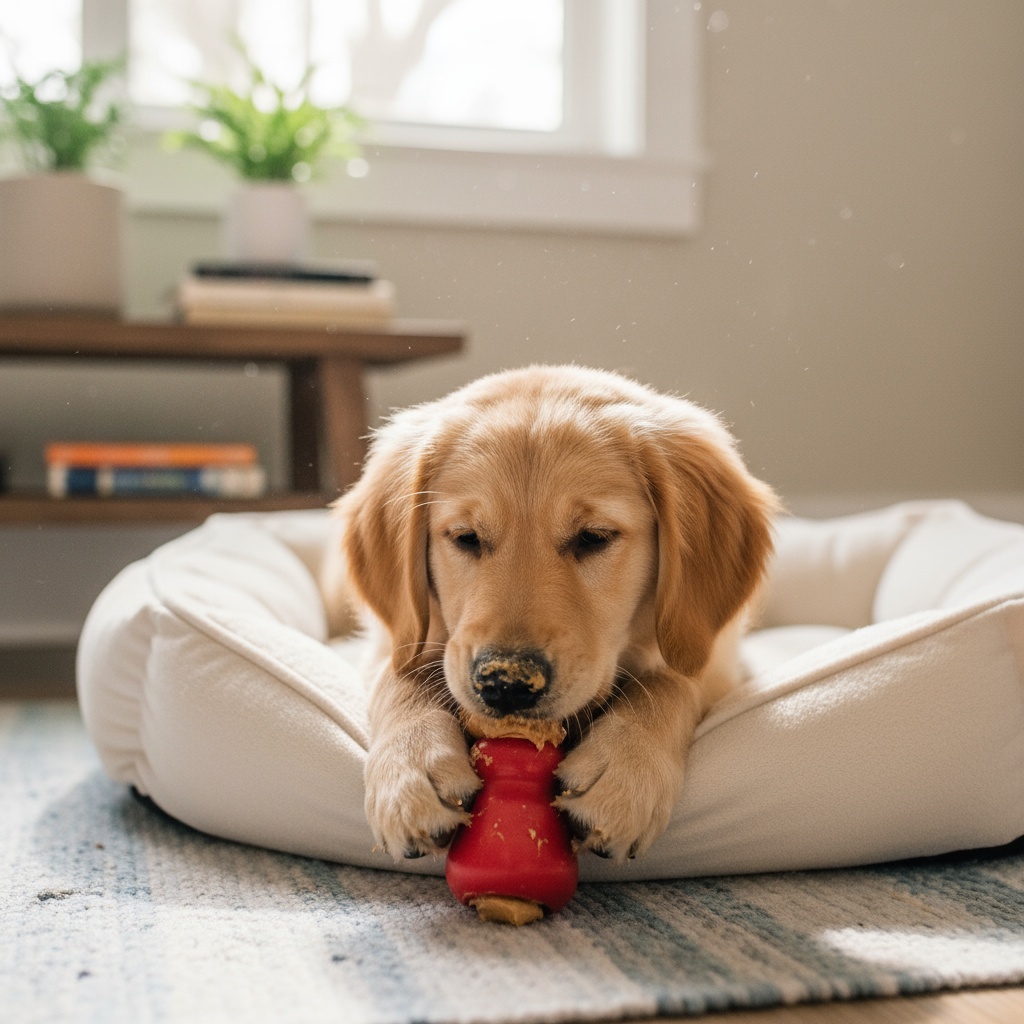
This trick is golden for how to train your puppy not to bark. Wait till your pup’s chill and quiet, then reward with treats, pets or a toy. Ignore them when they howl. That way, being quiet = all the good stuff.
Pro tip: Stuff a Kong with something yum (peanut butter, special treat) and hand it over when pup stops barking. No treat for yapping!
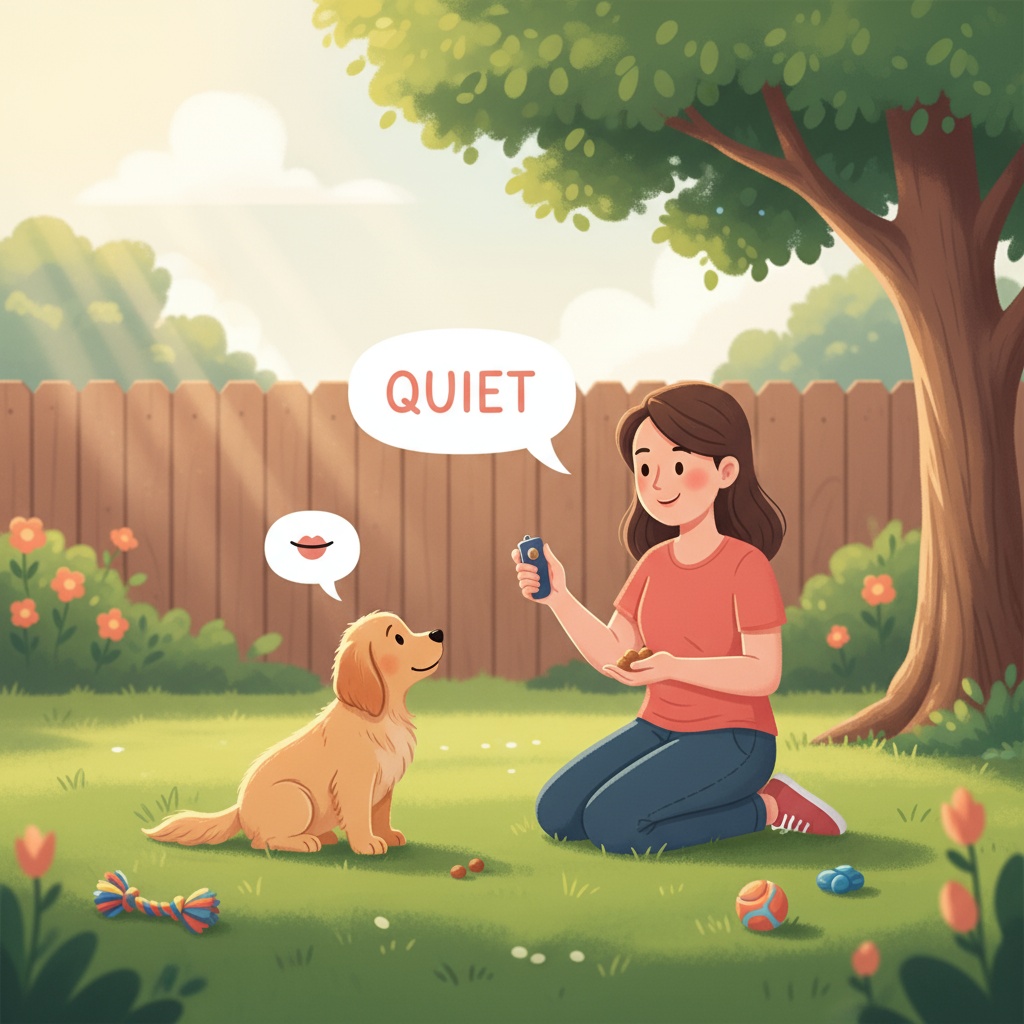
2. Teach the “Quiet” Command — It’s a Must!
Honestly, ‘quiet’ is your magic word. Here’s how to train your puppy not to bark like a pro with this:
- Let pup bark (once or twice is enough).
- Show a treat right after they stop (even for a split sec!), say “quiet” with a calm voice.
- When they stay quiet, boom — treat/reward!
- Gradually wait longer for silence before you treat.
Do this every time barking starts up. Don’t yell, don’t punish — just calmly ask for quiet, reward when they deliver.
3. Stay Chill: Don’t Yell Back
Look, I know it’s tempting to holler ‘SHUSH!’ But that just cranks the chaos, and for the pup it’s like you’re barking with ’em (it’s a party!). Instead, turn your back, fold arms, and avoid eye contact when the barking starts. Wait out the noise. It sends the message: barking don’t get my attention.
4. Trigger Training — Expose with Control!
Maybe your puppy yaps at doorbells, bikes, squirrels. Classic. For how to train your puppy not to bark, you gotta do some exposure training:
- Find the trigger (ring the bell, show a bike, whatever).
- Have your puppy at a distance where they notice but don’t freak.
- When quiet, treat and praise.
- Slowly, over days, get a lil’ closer to the noise until there’s no fuss.
This is sometimes called ‘desensitization’. Fancy word, simple method.
5. Give ‘Em a Jobby: Distraction FTW
Most puppies bark from boredom, facts. Keep that brain and body busy. Try puzzle toys, scent games, regular walks, fetch, anything to burn that puppy energy. Bored pups find trouble and noise is their go-to.
6. Consistency Is Everything — Set Boundaries
Sometimes families slip up: someone sneaks a cuddle when the pup barks ‘cause they’re cute. Eh, don’t do it. Every time the puppy gets attention for yapping, you reset all your work. Whole squad gotta use the same rules for how to train your puppy not to bark.
The Biggest Don’ts for How to Train Your Puppy Not to Bark
- Don’t punish or use shock collars. Just, no. They can mess with your puppy long term and make barking worse.
- Don’t reward barking by accident — this includes giving food, play, or even eye contact right after howling starts.
- Don’t expect silence overnight. Puppies need time, patience, and lots of practice. Chill out, you got this.
Routines Matter: Structure Your Puppy’s Day
If you want how to train your puppy not to bark to stick, routines are your BFF. Puppies love knowing what comes next, so set feeding, potty, and play schedules. Less confusion = less anxious barking.
Sample Day for a Quiet(ish) Puppy:
- 7am — Wake, potty, quick play
- 7:30am — Breakfast, calm treat
- 9am — Short walk, sniff game
- 10:30am — Nap (important for less grumpy barking!)
- Noon — Treat puzzles or Kong
- Afternoon — Playtime, obedience training
- Evening — Quiet time, cuddles
Fill their time with positive stuff. Less space for boredom = less barking.
How to Train Your Puppy Not to Bark When Alone (Separation Stuff)
This is a biggie for anyone who has to leave pup alone (who doesn’t?). Puppies bark from loneliness or FOMO hard. Here’s what to try:
- Short absences at first, like 5-10 mins. Come back before barking begins. Gradually increase time gone.
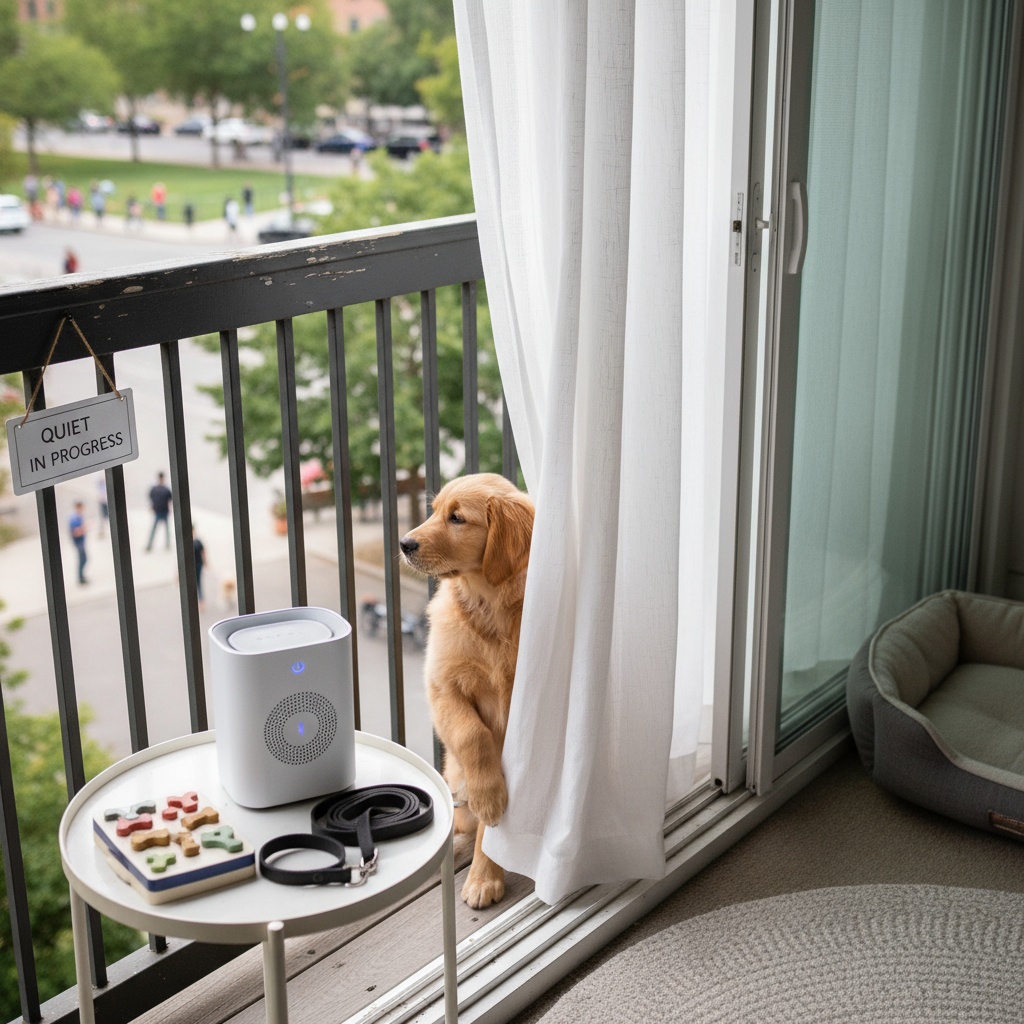
- Leave toys and safe chews — puzzle feeders are the best for distracting howlers.
- Skip the big ‘bye!’ drama. Leave and return calm to send the message: my leaving is no biggie.
- Play music, white noise machines, or TV for background sound so silence isn’t so spooky.
If major barking continues even after a few weeks, chat with a trainer or vet. Some puppies legit need a bit of pro help.
Tech That Helps: Gadgets & Apps to Quiet the Bark
Low-key, there are some cool gadgets to help with how to train your puppy not to bark. Here’s what works (and what’s whack):
- Pet cams: See what triggers barking when you’re gone.
- Calming diffusers/collars: Plug-in pheromones help chill anxious pups (doesn’t work for all, but worth a shot).
- Training clickers: Use with treats for pro-level timing on rewards when your puppy stops barking on cue.
Avoid bark collars, citronella sprays, or anything that feels like punishment. Not only are they kinda mean, but they usually don’t fix the root cause — just make your puppy nervous.
Special Situations: Apartment Puppies v. House Puppies
If you’re training how to train your puppy not to bark in an apartment, you get extra challenges (and sometimes, testy neighbors). Some quick tips:
- Use white noise, curtains, or window film to block outside triggers.
- Control what your pup can see — less action out windows = less barking.
- Chat to your neighbors so they know you’re working on it!
House puppies: more space sometimes means more trouble! Fenced yard doesn’t always mean less barking — it can actually encourage territorial yapping. If that’s your jam, use the same training tips above, but pay special attention to gates, fences, and who’s going by.
Puppy Breeds and Barking: Does It Matter?
*Whispers:* Some breeds are just extra in the vocal department, sorry. Terriers, Beagles, Huskies, Shelties, Dachshunds — if you’ve got one of these, expect a bit more effort in the whole how to train your puppy not to bark biz! But don’t lose hope. Even the noisiest breeds can learn to use their inside voice with patience and training.
If Barking Suddenly Gets Worse
If your puppy, who was chill, starts barking nonstop outta nowhere, check these first:
- Are they unwell or in pain? See your vet, just in case.
- Any big changes — new people, pets, house setup?
- Boredom/less exercise lately?
Sometimes, the reason is lowkey obvious. Fix the basics for a quick solve!
When in Doubt, Get Backup!
If you’ve tried all these tricks for how to train your puppy not to bark but the noise is still NONSTOP, it’s time for backup. Puppy classes, private trainers, behaviorists, or a check with your vet. Major barking can sometimes be anxiety or health related, so no shame in getting help.
Frequently Asked Questions About How to Train Your Puppy Not to Bark
- How long does it take to train a puppy not to bark?
It varies. Most see progress in 2-4 weeks if you’re consistent. High energy or nervous breeds can take longer. - Is it cruel to stop my puppy from barking?
Nope! You’re helping your puppy live calm, safe and happy. You’re not shutting down communication, just guiding it. - Will my puppy grow out of barking?
Sorta. Some pups mellow with age, but many habits stick if you don’t address ‘em early. Start now!
The Final WOOF: Wrap Up on How to Train Your Puppy Not to Bark
So here’s the bottom line: how to train your puppy not to bark isn’t some secret only dog whisperers know. You CAN do this! Be patient, stay chill, use rewards, and show your furry little tornado what quiet confidence really looks like. Every puppy is different — and even if yours is a little loud, that’s just part of their puppy charm. Give it time, practice those tips above for how to train your puppy not to bark, and soon the only noise you’ll hear is happy sighs and tail thumps. Sound good?
If you wanna share your barking war stories, drop ‘em in the comments below. Or tag a friend with a yappy pup who needs this guide! Good luck — you got this!