Hey there fellow dog lover! If you’ve ever searched for advice on how to teach a dog to not bite, you’re definitely not alone. Every dog parent, whether new or seasoned, faces those nippy little mouths at some point. An excited puppy, a nervous shelter dog, or even an adult hound can catch you off-guard with an unexpected nip or chomp, which can be pretty freaky and stressful—trust me, I’ve been there myself! But don’t worry, with patience, know-how, and a sprinkle of humor, you can transform your dog into the goodest boi (or girl) who keeps those teeth to themselves.
Why Do Dogs Bite in the First Place?
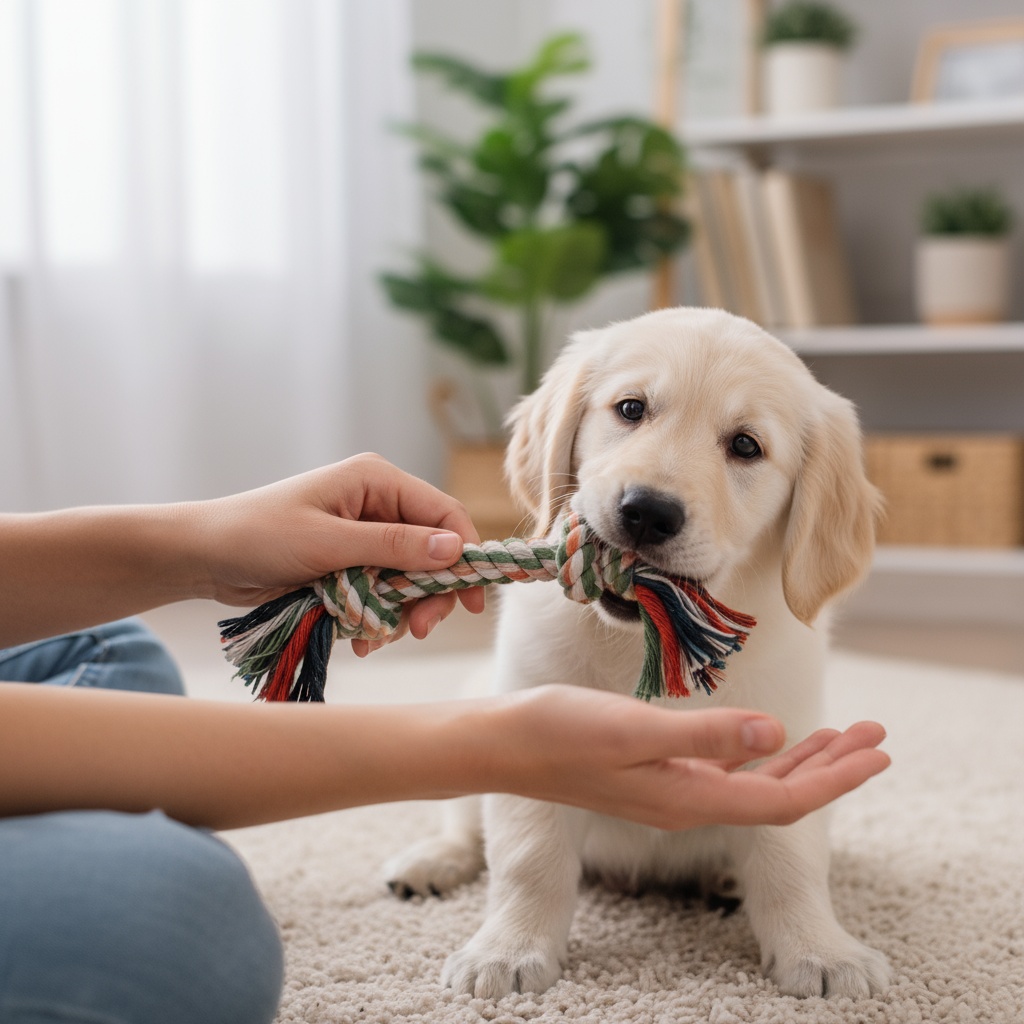
To really nail the whole how to teach a dog to not bite thing, you gotta start by understanding the reasons behind those cheeky chompers. Dogs use their mouths to explore the world, communicate, play, and express themselves. That cute puppy teething phase? Yeah, there’s a reason everything from shoes to your fingers becomes fair game.
- Puppy Teething: Their gums are sore, so they chew literally everything—including you.
- Overexcitement: Playtime can get a bit rough, and sometimes play-biting crosses a line.
- Fear or Stress: When a dog is anxious or scared, a bite is often a last resort warning.
- Resource Guarding: Dogs may nip if they think their food or toys are threatened.
- Lack of Socialization: Dogs who haven’t been around people or other pups much may be more likely to bite.
Understanding these root causes will help you big time as you discover how to teach a dog to not bite, because once you’ve nailed the why, you can start solving the problem.
Puppy Biting Versus Adult Dog Biting
Let’s chat for a second about the big difference between puppies and adult dogs when it comes to biting. Puppy biting kinda comes with the territory (like toddlers putting literally everything in their mouths), but with adult dogs, it could be a sign of underlying behavioral or even medical issues.
- Puppy Mouthing: Super normal, part of learning.
- Adult Dog Biting: Can be a warning sign—definitely needs attention and potentially pro intervention.
No matter which stage your furball is in, learning how to teach a dog to not bite is one of the best investments you can make for your bond and their place in your family.
Is It Ever Okay for Dogs to Bite?
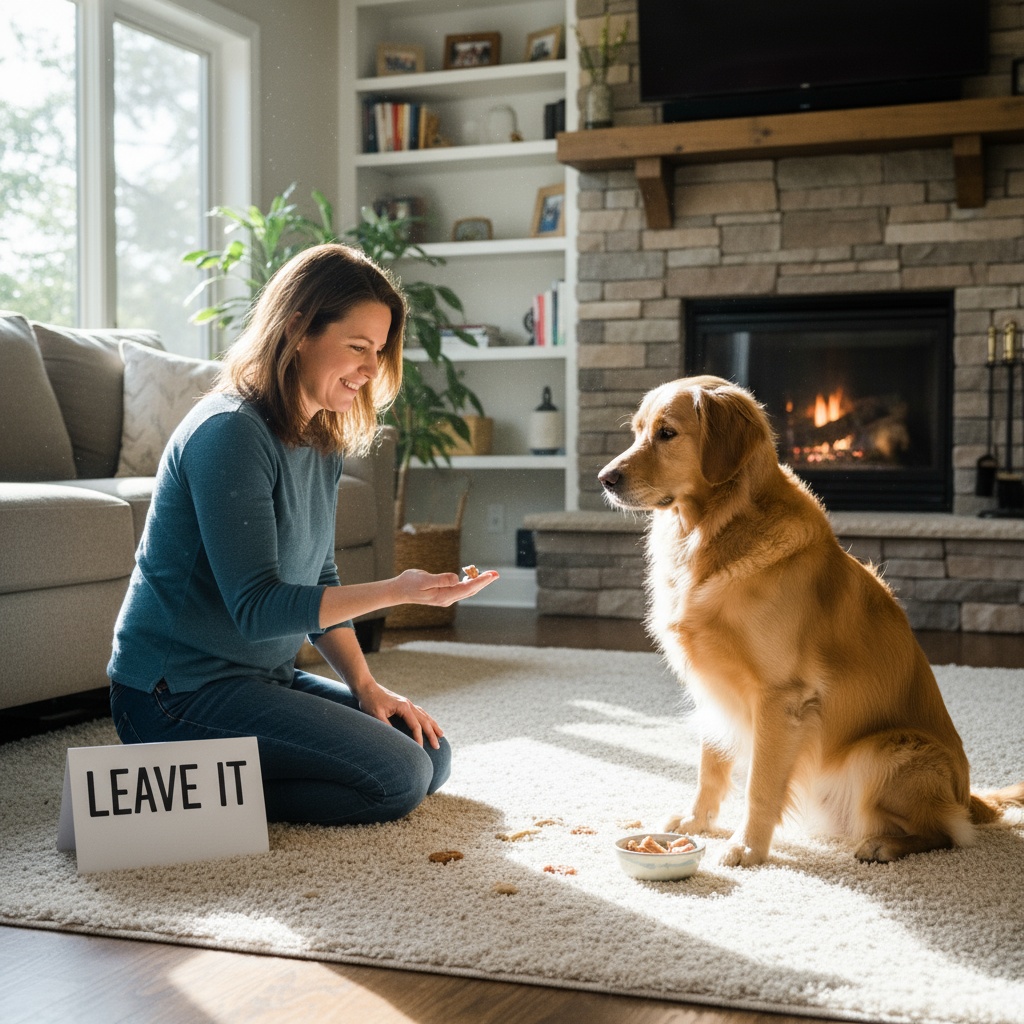
Well, the short answer is nope—not in your home, not with people. There’s a time and place for canine teeth to come out (like, uh, at the vet or when protecting themselves in an absolute emergency), but for most of us in day-to-day life, teaching a dog to not bite sets everyone up for safety and success.
The Step-by-Step Guide: How to Teach a Dog to Not Bite
Alright, let’s dive right in! If you’re ready to learn exactly how to teach a dog to not bite and see real results, read on. I’m breaking it down step-by-step—with pro tips, common mistakes, and some hilarious personal stories thrown in for good measure.
Step 1: Start With Socialization—Early and Often
Possibly the biggest game-changer when it comes to how to teach a dog to not bite is early, positive socialization. Puppies between 7-14 weeks are like little sponges, and it’s prime time to introduce them to all sorts of people, dogs, and real-life situations. Calm, safe experiences help them learn what’s chill and what’s not, so they don’t freak out and bite later on. Even adult rescues can benefit big time from new, positive introductions—just take it slow.
- Invite friends over
- Set up playdates with well-behaved dogs
- Visit different environments (dog-friendly stores, parks, pet clinics)
Being exposed to all sorts of stuff teaches your pup that biting isn’t necessary—or cool—when they meet new folks or furry buddies.
Step 2: Teach Bite Inhibition—The Golden Puppy Lesson
When it comes to how to teach a dog to not bite, bite inhibition training is literally top of the list—especially for puppies. This just means teaching your dog how to control the force of their mouth, so they learn that human skin is way more delicate than a rubber ball.
- Yelp loudly if your puppy bites too hard (channel your inner squeaky toy—”OW!”)
- Stop play immediately after a hard bite—ignore them for 30 seconds
- Resume play, but repeat the process every time it happens
This method mimics what their littermates would do. Dogs learn fast by cause and effect, so when the fun stops, they quickly dial down the nipping to keep the play going. Easy peasy, but oh-so effective for how to teach a dog to not bite for life.
Step 3: Redirect That Chompy Energy
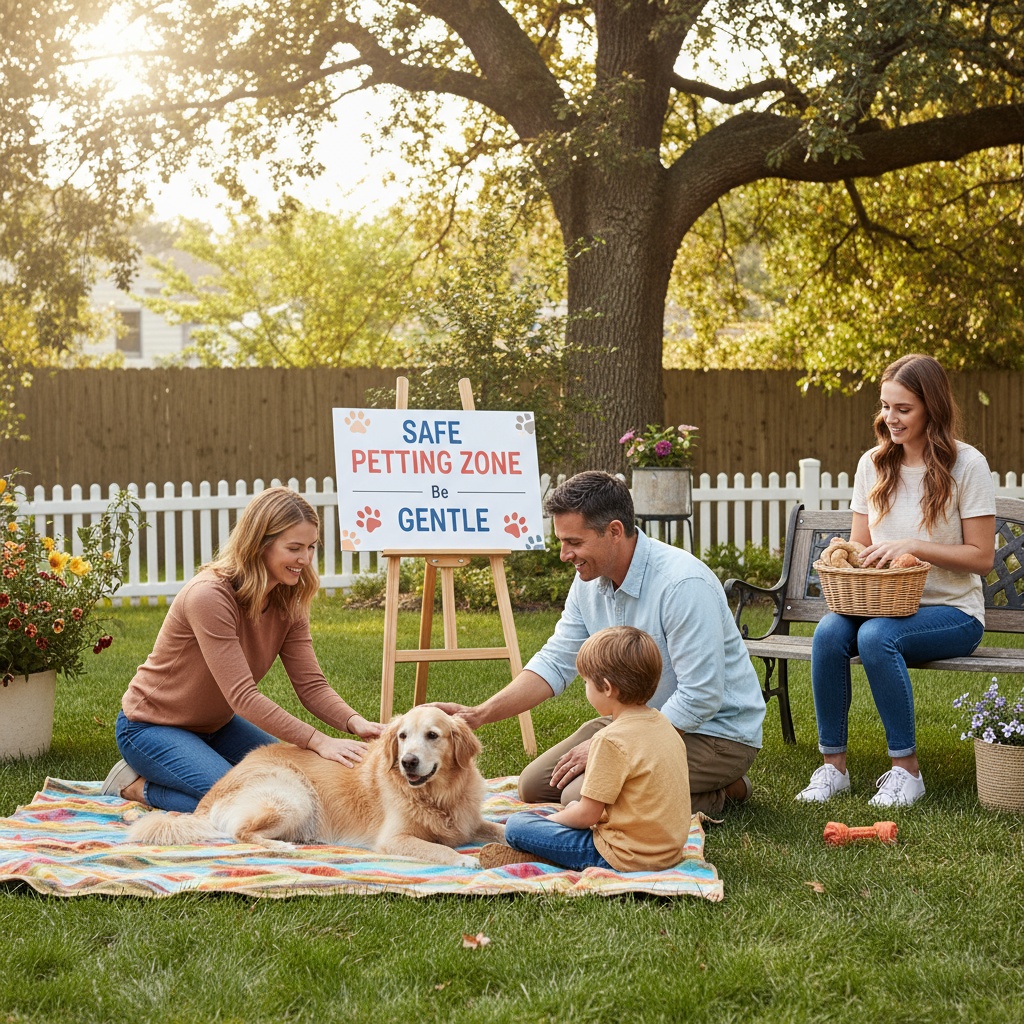
Part of figuring out how to teach a dog to not bite is knowing biting is kinda natural! So when it happens, teach your pup what they should bite—a toy—not your hand, socks, or grandma’s ankle.
- Always have safe chew toys on hand during playtime
- When your pup starts nipping, calmly swap your hand for a toy
- Praise like crazy when they chomp the toy, not you
Redirection is magic for all ages and one of the core techniques in how to teach a dog to not bite without frustration.
Step 4: Master the “Leave It” and “Drop It” Commands
Obedience isn’t just for impressing the in-laws—basic commands like “leave it” and “drop it” can seriously save your fingers. Teaching these cues makes it way easier to manage your dog’s mouthy moments and stops bites before they happen.
Quick How-To:
- Hold a treat in your closed fist.
- Let your dog sniff, lick, and try to get the treat. Don’t open your hand.
- Say “leave it” and wait. Once they stop trying, reward them.
- Practice, practice, practice!
Learning simple commands is a huge part of how to teach a dog to not bite and builds respect and communication with your pup.
Step 5: End Playtime When Things Get Rowdy
Dogs are like kids at a birthday party—sometimes they get way too into it and forget the rules. If your dog gets mouthy or their nipping ramps up, chill it out by ending playtime. Stand up, turn away, and ignore your pup for a few minutes. They’ll learn that biting means the fun ends, which is a cornerstone of how to teach a dog to not bite—consistently.
Step 6: Avoid Punishments—Here’s Why
Look, I get it. When your dog has your arm for a chew toy, you wanna raise your voice, scold, or maybe even tap their nose. Don’t. Old-school punishment doesn’t work and can actually increase bite risk by making your pup scared or confused. Stick to those positive vibes: redirect, praise, and repeat.
Step 7: Know When to Get Extra Help
If you’re feeling seriously stuck or if the biting is extreme—like drawing blood, growling, or resource guarding—consult a professional dog trainer or behaviorist. Sometimes extra support is the right call and makes how to teach a dog to not bite not just easier, but safer for everyone involved.
Common Mistakes in How to Teach a Dog to Not Bite
For every success story, there are a few classic facepalms. Here’s what you gotta watch out for when teaching your pup to be gentle:
- Inconsistent Rules: Letting biting slide sometimes but not others just confuses your dog.
- Encouraging Rough Play: Chasing games or wrestling can encourage nipping if not kept under control.
- Punishing After the Fact: Dogs live in the moment; they won’t connect punishments with the bite after a few seconds have passed.
- Waiting Too Long: The earlier you start, the easier it is to teach a dog to not bite. Don’t wait!
A little consistency and patience seriously work wonders.
Real Talk: It’s All About Patience and Repetition
Learning how to teach a dog to not bite ain’t a one-and-done deal. It might take a few weeks or even months, especially if your pup’s already developed some cheeky habits. Stick it out, though—it’s absolutely worth it. And hey, remember to laugh at the chaos (like the time my golden retriever thought my hair was spaghetti… yikes!).
Tips for Teaching Kids How to Interact With Dogs
Because, let’s be real, if there are kids in the house, you need to teach them how not to get bitten too. It goes hand in hand with how to teach a dog to not bite.
- Show your kids how to pet gently
- Teach them not to mess with the dog while eating or sleeping
- Supervise playtime, especially with smaller children
Dog bites often happen because kids don’t know the boundaries, so your job is to help everyone learn to be respectful—on both sides.
Reward the Good Stuff—Positive Reinforcement is Everything
Finally, don’t forget to go nuts with praise (and treats!) when your dog gets it right. Every time they choose a toy over your skin, sit calmly when excited, or respond well to “leave it,” make a big deal out of it. They’ll catch on quicker, and you’ll get that chill, bite-free bestie you’ve always wanted. Positive vibes lead to positive changes—seriously, it’s proven science and the best tool you’ve got for how to teach a dog to not bite.
How to Teach a Dog to Not Bite and Beyond
Mastering how to teach a dog to not bite is just one step towards a well-mannered pup. Once you’re nailing this skill, you can take on more advanced training—think “stay,” “come,” or even agility tricks! It all starts with that basic trust and communication you build through everyday lessons.
Quick Recap—Keep These in Mind:
- Understand why your dog bites before you try to fix it
- Start with bite inhibition and socialization early
- Use redirection and basic commands daily
- Stay positive, ditch the old-school punishments
- Get pro help if you need backup
Your journey through how to teach a dog to not bite might be bumpy, but with these steps (and a few good chuckles at the mishaps), you and your furry friend are sure to come out the other side closer than ever. Good luck, stick with it, and remember—no matter how sharp those puppy teeth get, you’ve got this!