So, you’ve got a pup that just won’t quit yapping, huh? Been there, seriously. Those endless barks at the mailman, the cat next door, heck, maybe even the wind, can drive even the chillest dog parent a bit bonkers. Good news is, you don’t have to just grit your teeth through the ruckus. Once you know how to train a dog to not bark, you can reclaim the peace and quiet you crave—and get closer with your furball along the way.
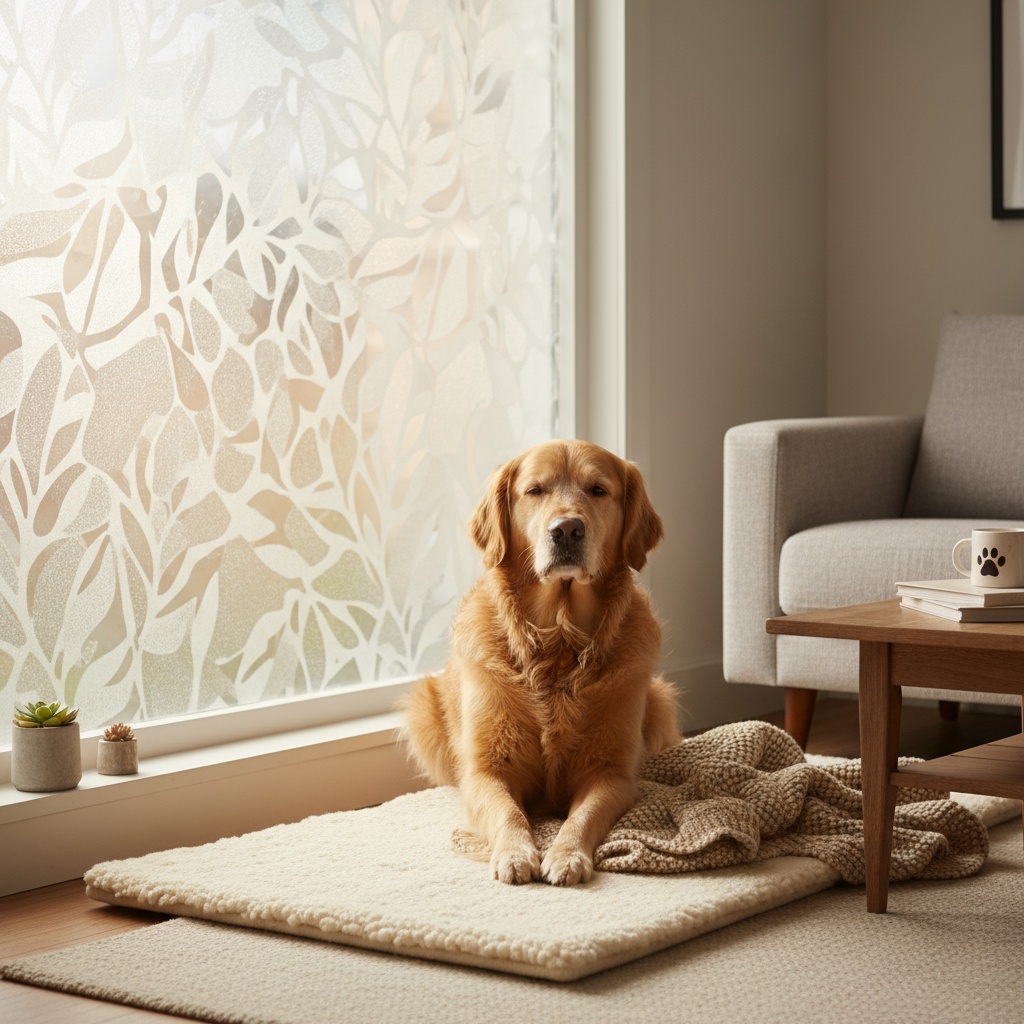
Understanding the Root of Your Dog’s Barking
Before you hit up Google for the fastest fix, let’s pump the brakes. Every pro will tell you: to score lasting change, you gotta know what’s triggering those non-stop borks. Figuring out how to train a dog to not bark actually starts by asking, “Why’s my dog barking in the first place?” Dogs bark for all sorts of reasons:
- Alarm or fear: If your pup is startled or spooked, barking is their way of hollering “Hey! Danger!”
- Territorial vibes: Dogs are old-school protectors. Strangers strolling by? Bark alert!
- Lonesome mess: Separation anxiety will crank up barking, often when you’re out.
- Boredom or built-up zoomies: A dog with energy to burn will bark just to let it out.
- Wants something: Pups use their bark as their voice when they need food, attention, or a trip outside.
So—first thing’s first—watch when and how your dog barks. Jot it down if you need. Context is everything. Once you know the “why,” you’ll kill it at figuring out how to train a dog to not bark.
Training Basics: Setting the Groundwork for a Quiet Pup
With the root nailed down, let’s start laying out a solid plan for how to train a dog to not bark. No two pups learn the same way, so stay patient and keep it posi. Here’s your foundation:
- Consistency is key: Mixed messages will confuse your doggo. Pick a plan and stick to it.
- Never shout: Yelling “Quiet!” usually just hypes them up more.
- Reward the silence: Whenever your dog stays chill, let ’em know! Treats, praise, head scratches—bring it on.
- Avoid accidental rewards: Don’t give food, attention, or tidbits when your pup barks unless it’s training on purpose.
Top Methods: How to Train a Dog to Not Bark
1. Teach the “Quiet” Command
The “Quiet” cue is a total game-changer when you’re mastering how to train a dog to not bark. Follow these steps:
- Let your dog bark naturally—like when a package comes.
- Once the barking kicks off, say “Speak!” If they bark, reward with a treat.
- Now for the good part. Say “Quiet” super calmly. If your dog stops for even a second, reward immediately. Make a BIG deal out of it!
- Practice over a week or two. Increase the time your dog needs to be quiet for the treat.
This method is killer for building impulse control and will help you in other areas, too.
2. Remove the Motivation
Dogs usually keep barking because they get something from it—attention, excitement, or just to pass time. Take away the reason and you’re halfway through mastering how to train a dog to not bark:
- Dog barks for food? Don’t serve until they stop.
- Barks at passersby? Block the window view or set up a cozy spot far from the action.
- Loses it when guests arrive? Train your pup to chill on a mat till greetings are done.
3. Use Distraction and Redirection
Alright, say your dog’s barking at the squirrel in the backyard again. Call your pup over, ask for a sit, or toss a toy. Any time your dog snaps out of their bark zone, reward the silence big time!
4. Socialize, Socialize, Socialize
Frequent barking at random things? It might be a sign they haven’t met enough people, pups, or noises. Socialization helps your dog realize that not every sound or stranger means danger. Try:
- Short, positive walks where new sights and sounds mean treats
- Let friends (who your dog likes) visit and reward calmness
- Gradual exposure to everyday noises—start soft, get louder slowly
Keep it slow, and don’t force your dog into scary stuff. The main goal is to show your dog that the world isn’t scary, so barking isn’t needed.
5. Tire Out That Pup!
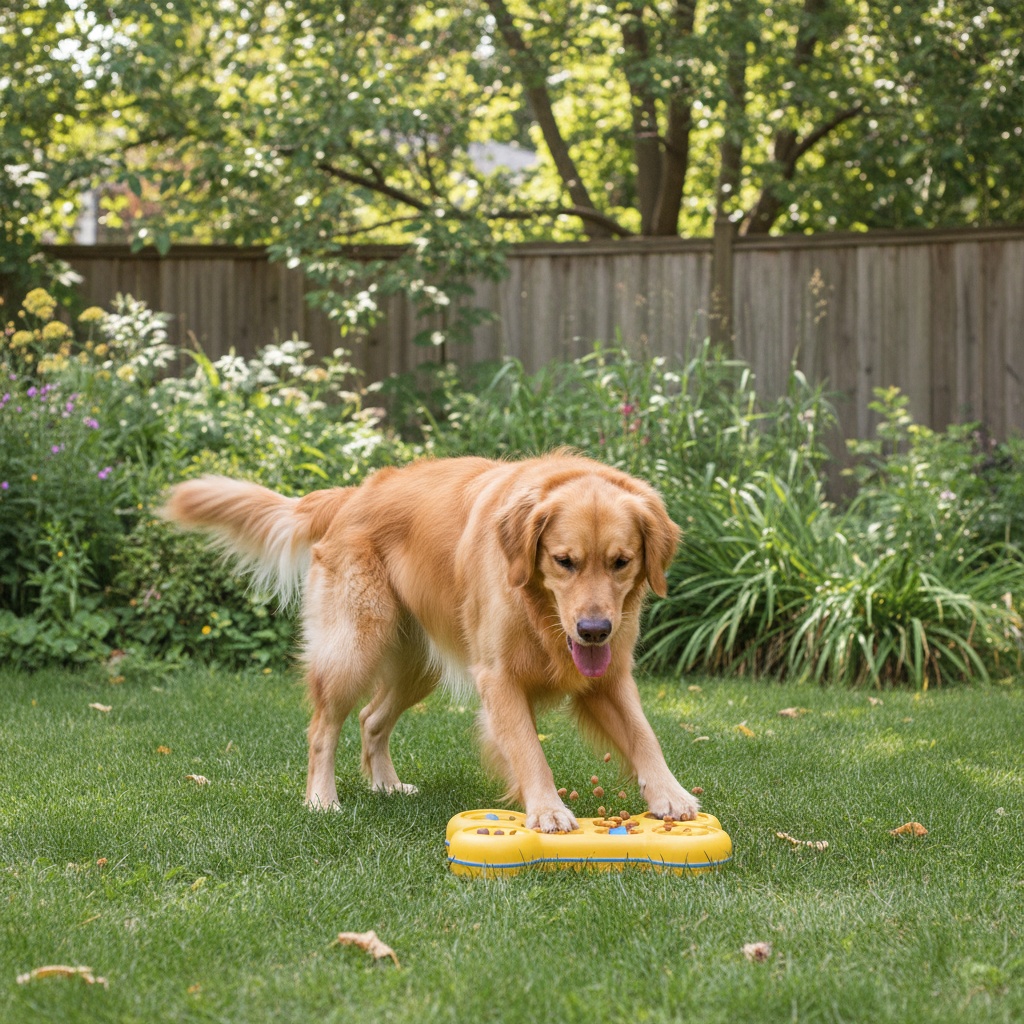
Boredom and pent-up energy are major causes of rowdy behavior. Up your walk game, toss in puzzle toys, or try new games like tug. Dogs who get both mental and physical workouts are way less likely to bark their heads off.
DIY Problem-Solving for Specific Barking Situations
Barking at People or Other Dogs
When you’re walking and your dog goes into mega-bark mode at new folks or canines, try this:
- Before your pup starts barking, get their focus with a yummy treat
- Keep their gaze on you as people/dogs pass
- Once they stay quiet, praise and treat like there’s no tomorrow!
Stay patient. You’re rewiring your dog’s brain to see passing people as positive, not scary.
Barking When Left Alone
Separation anxiety barking is super tough, but here’s what you do:
- Leave for short bursts—start with just a few seconds
- Don’t make a big deal out of leaving or coming home
- Give your pup a special toy they only get when you’re gone
- If things don’t improve, call your vet or a trainer for extra help
Alarm Barking
Dogs barking at noises inside/outside? Try background music or a white noise machine. You can also desensitize your dog by playing trigger sounds at low volume and rewarding them for ignoring them. Gradually bump up the intensity so your dog stays cool when the real noises happen.
The “Ignore Until Calm” Move
Sometimes your dog barks because it works. If your dog barks for attention, turn away and ignore until they stop—even if just for 2 seconds. Once they’re calm, THAT’S when you give them the love they want. This makes it clear: barking gets nothing, silence gets you—big time.
Common Mistakes in Training a Dog Not to Bark
- Getting frustrated: Dogs smell your stress a mile away. Keep your cool, or take a timeout.
- Being inconsistent: Letting barking slide today but cracking down tomorrow confuses your pup.
- Using punishment: Yelling or leash corrections backfire. They can make your dog anxious, which often makes barking worse.
- Expecting overnight miracles: Training takes time, so stick with it. You’ve got this!
Tools for Bark Busting
Sometimes, tackling how to train a dog to not bark gets easier with a little help from gear. Here’s what’s worth trying:
- Puzzle toys: Keeps the mind and jaws busy
- Window film: Blocks those eye-level barking triggers
- Doggy TV: YouTube channels for dogs! Seriously, they work for some pups
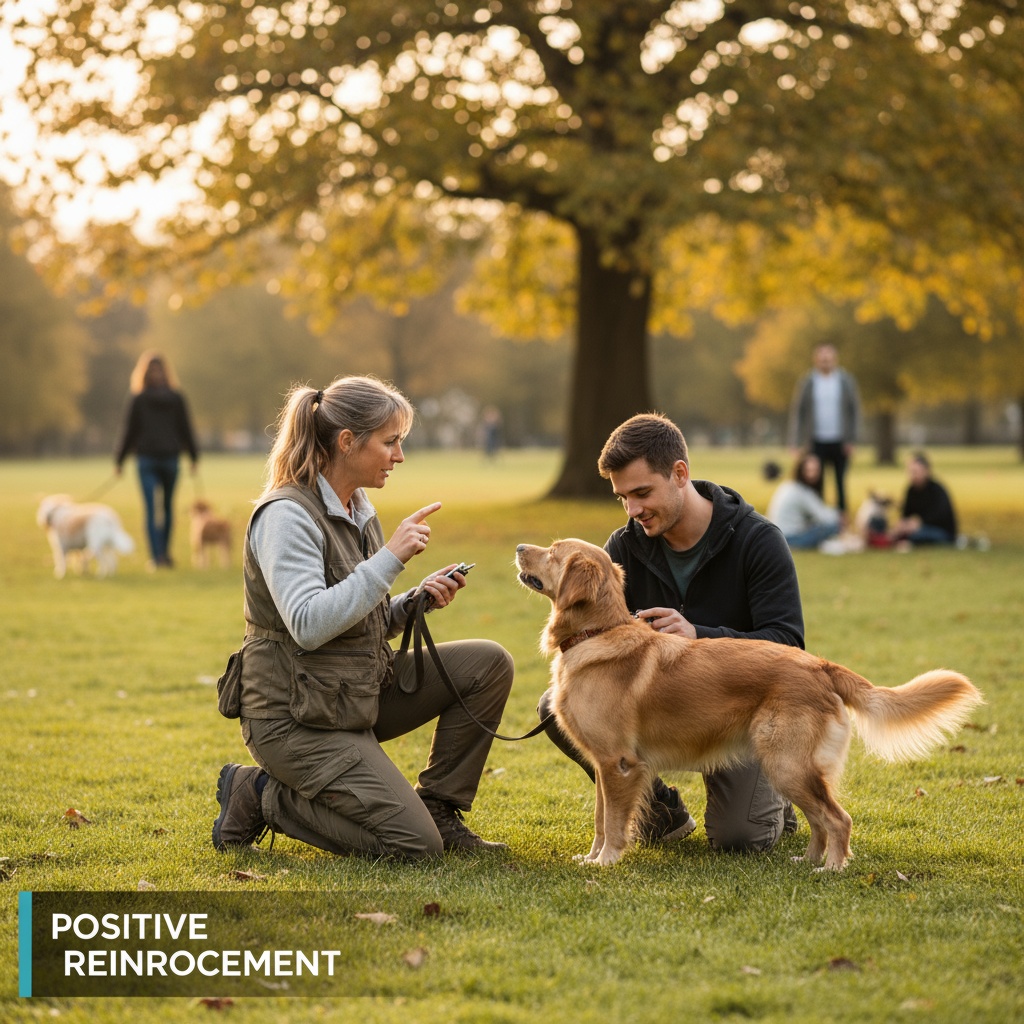
Skip the shock or spray collars though. They can be straight-up mean and don’t get to the real reason your dog’s barking in the first place. Positive reinforcement is always the best path for how to train a dog to not bark.
Training Tips for Different Dog Personalities
The Energetic Barkasaurus
- Give extra exercise, walks, and adventures
- Teach complex tricks—keep that brain busy
- Set up daily sniff-ventures (hide treats around the yard or house)
The Sensitive Pup
- Keep training sessions short
- Show TONS of encouragement
- Remove scary triggers whenever possible
The Stubborn Shouter
- Be patient and consistent
- Don’t break your own rules—ever
- High-value rewards only (think: cheese, hot dogs, freeze-dried liver)
When to Get Professional Help
If you’re stuck, don’t feel bad calling in a pro! Some barking issues—especially those tied to fear or separation anxiety—need extra love and experience. Certified dog trainers or behaviorists can show you new techniques for how to train a dog to not bark right at home. Plus, they can tailor their advice to your unique cutie pie.
And if you ever spot these red flags, get vet help fast:
- Barking is paired with aggression (growling, snapping)
- Sudden changes in barking patterns
- Other weird symptoms alongside barking (pace, tremors, vomiting)
FAQ: All Your Barking Questions Answered
How long does training take?
It all depends on your specific pup and how consistent you are. Some see big improvements in a few days. Others take weeks or even a few months. Stay at it!
Should I use a bark collar?
Bark collars, especially ones that use shocks or sprays, aren’t cool. They might stop your dog from barking, but at the cost of trust, confidence, and sometimes even safety. Stick to loving, science-backed training methods for how to train a dog to not bark.
Will my dog forget how to bark?
Nope! They’ll always have their voice, you’re just helping them learn when it’s cool to use it.
Can older dogs learn new barking manners?
You bet! Might take longer, but every dog can learn with patience and positive vibes.
The Bottom Line: You CAN Train Your Dog to Be Quieter!
Endless barking can put a major wrench in your day, but mastering how to train a dog to not bark is def within reach. Remember to go slow, stay patient, and treat your dog like family. Through positive reinforcement, consistency, and a little bit of creative problem-solving, you’ll see your loud pup transform into the zen fur-kid you always dreamed of.
Ready to get your quiet time back? Start using these tips today and, trust me, you and your dog will both feel way more relaxed. Got any wild barking stories or struggles of your own? Drop them in the comments—I got your back!