Hey there, fellow dog enthusiast! If you’ve been frantically googling how to train a dog to not bite, you’re not alone. Whether you’ve got a rambunctious puppy who loves using those sharp little teeth or an older pup whose nips are starting to be a bit concerning, training a dog to not bite is serious business. And woah, I totally get the worry! The last thing anyone wants is to stress about their dog around friends, kids, or even strangers on your morning walk.
So let’s dig deep into the ultimate, no-fluff, battle-tested methods on how to train a dog to not bite, sprinkled with real-life tips, common mistakes to avoid, and a dash of that “been there, survived that” dog owner wisdom you can’t get from stiff, textbook guides.
Ready for dog training to actually work this time? Let’s jump right in!
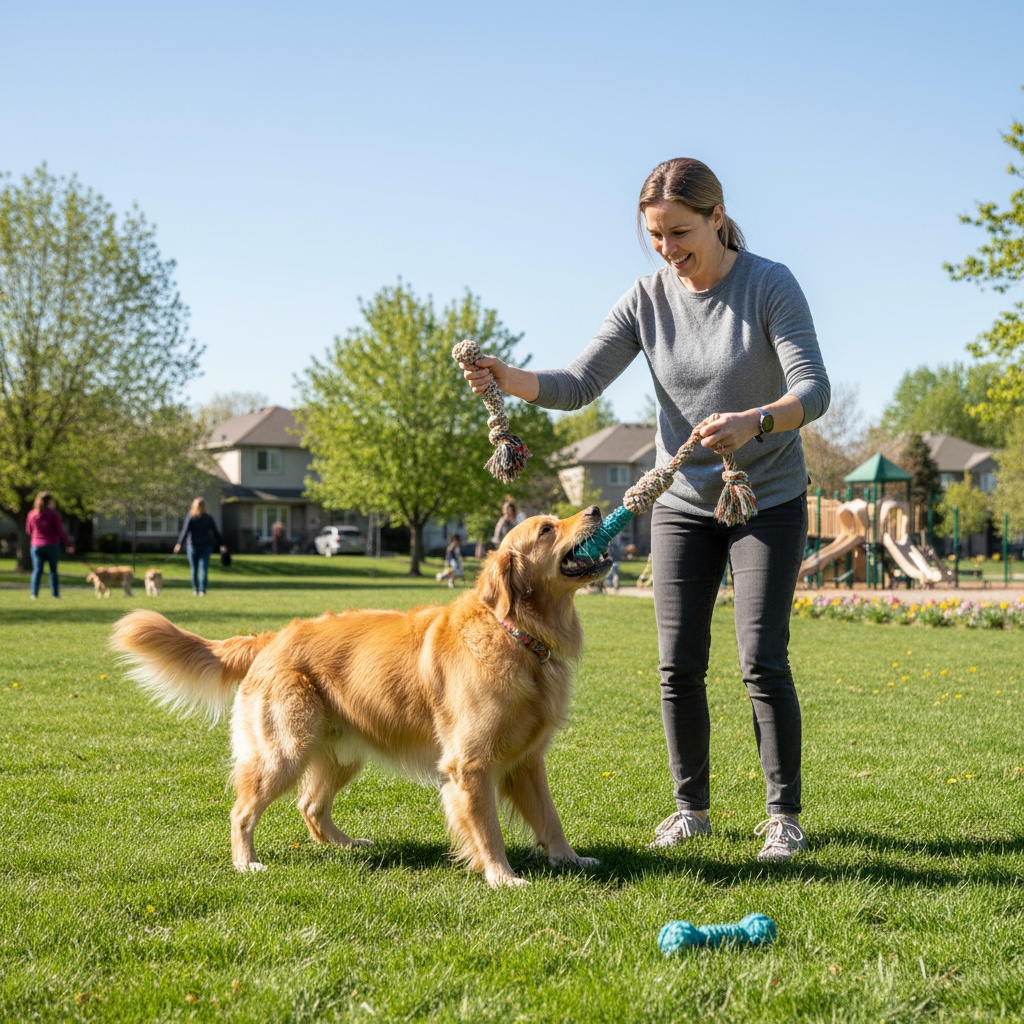
Understanding the Reasons Behind Dog Biting
Alright, before we get tactical with how to train a dog to not bite, you gotta understand the why behind it. Most dogs don’t bite out of malice. Sure, sometimes their growls might be intimidating, but here’s what’s typically lurking under the surface:
- Fear or Anxiety: Maybe your pup is nervous or feels threatened. A strange hand reaching for their head? That can totally freak out a dog.
- Protection Mode: Dogs naturally want to guard their people, stuff, or territory. Sometimes, that instinct kicks a little too strong.
- Playfulness: Remember when your pup was tiny, chewing everything? Play biting is normal—until it’s not.
- Pain or Illness: If a usually chill dog suddenly snaps, something might be hurting.
- Lack of Training and Boundaries: Dogs need to be taught what’s cool and what’s not.
Understanding your furry pal’s motivation is key to nailing how to train a dog to not bite—for real results!
Early Puppyhood: Stopping Biting Before It Starts
If you’re here because you’ve got a mouthy puppy, you are in luck! It is way easier to shape behavior now than with a full-grown dog. Still, even older dogs can learn, so don’t stress if yours has got a few birthdays under their collar.
Mouthing vs. Biting: Know the Difference
- Mouthing is that gentle gnaw—sometimes annoying, but normal for teething pups.
- Biting is more aggressive and meant to protect, hurt, or warn.
For puppies, learning bite inhibition—how hard is too hard—is absolutely essential when practicing how to train a dog to not bite.
Teach Bite Inhibition Step-by-Step
- Play With Your Pup. When they bite too hard, let out a high-pitched “Ouch!” and stop play for a sec. Yanking your hand away fast? Don’t do it—it makes you look like a toy.
- Reinforce Soft Mouthing. Resume play if they mouth gently. Repeat the yelp and pause if they go too hard again. Consistency is the name of the game here.
- Redirection is Key. Give them a bone or tough toy to chomp instead. If your pup is teething, keep a rotation of chew toys handy.
Do this every day, and you’re well on the path to mastering how to train a dog to not bite. Trust, it works wonders!
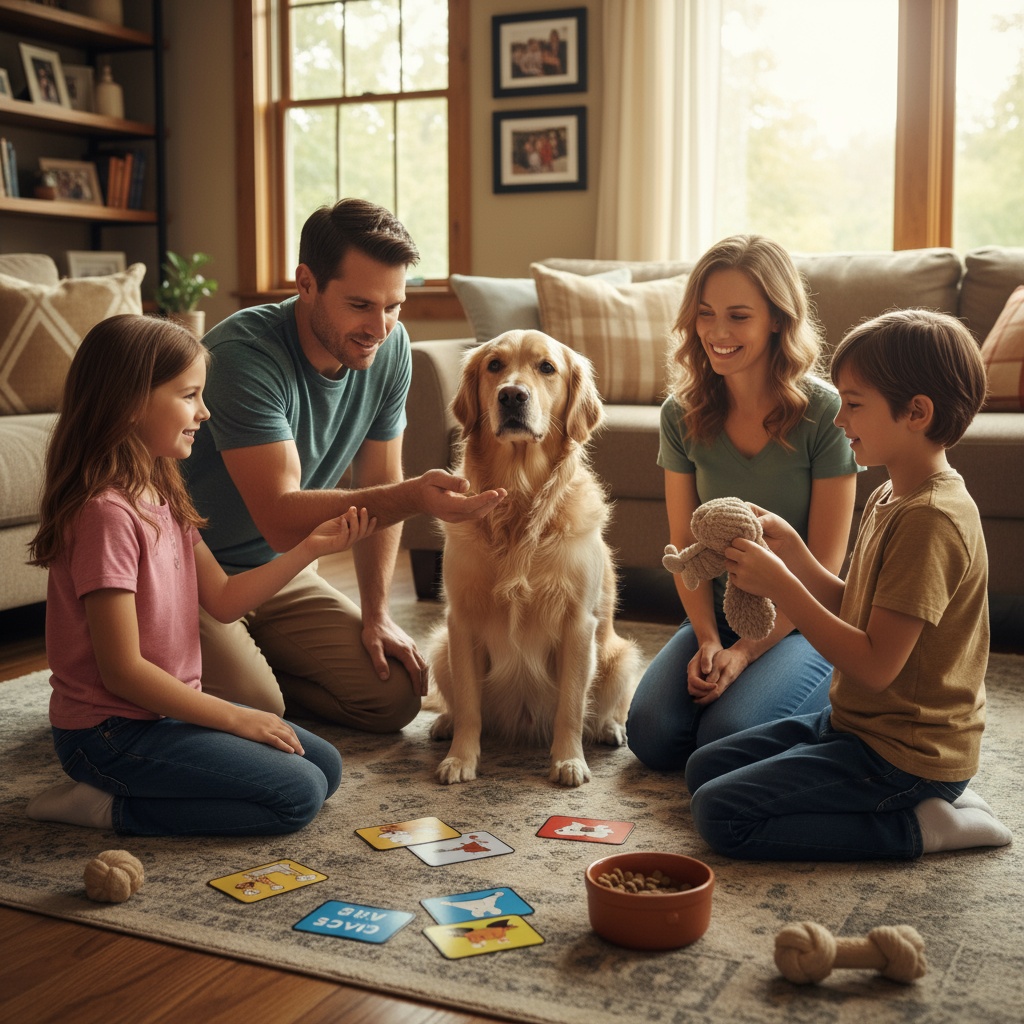
Building Trust and Social Skills: The Foundation for No-Bite Dogs
Dogs aren’t robots—they need to feel safe and secure to chill out. Socializing is about exposing your buddy to everything: new people, other pets, noises, textures… you get the idea.
- Set up puppy playdates—supervised, of course.
- Invite gentle, dog-wise friends over for polite greeting practice.
- Expose your dog to busy parks, cars, and different sights and sounds.
This isn’t just for puppies. Even older dogs can benefit from positive exposure! This is a sneaky hack in how to train a dog to not bite because a well-socialized dog is usually a well-mannered dog.
Step-by-Step Training: How to Train a Dog to Not Bite
By now, you know what’s up—training a dog to not bite takes patience and a clear plan. Let’s break it down without any dog trainer jargon, just real talk.
Step 1: Set Clear Boundaries
- Dogs need rules and they *love* to know what’s expected.
- If your dog starts to bite during play, immediately stop the fun. Don’t shout or hit—just turn your back or walk away.
- Absolutely do not play rough games like tug-of-war with a dog prone to biting (unless under the supervision of a pro trained in how to train a dog to not bite).
Step 2: Use Positive Reinforcement
- When your dog keeps their mouth off hands and uses toys instead, shower them with treats and praise.
- Keep treats in your pocket during play so you can reward the good instantly—that’s how they connect the dots!
- Practice “gentle” or “easy” every time you feed treats from your hand.
Step 3: Redirection Works Wonders
- If your dog starts to mouth, immediately offer a favorite chew or durable toy.
- Don’t yank your hand away fast—move calmly and swap your fingers for the toy.
Step 4: Train Impulse Control
- Teaching leave it and “drop it” is huge in how to train a dog to not bite.
- Practice by letting them sniff a treat in your closed hand. When they lick or nibble, don’t open until they back off, then reward big time.
- Level up by scattering safe snacks and using “leave it” to practice self-control under distraction.
Step 5: Manage the Environment
- Keep high-stress or overwhelming situations minimal, especially if your dog is anxious or new to biting triggers.
- Supervise kids, intoxicated people, or anyone who might accidentally provoke your dog.
- Block off rooms or use leashes if needed at home to keep situations chill until your dog can handle more freedom.
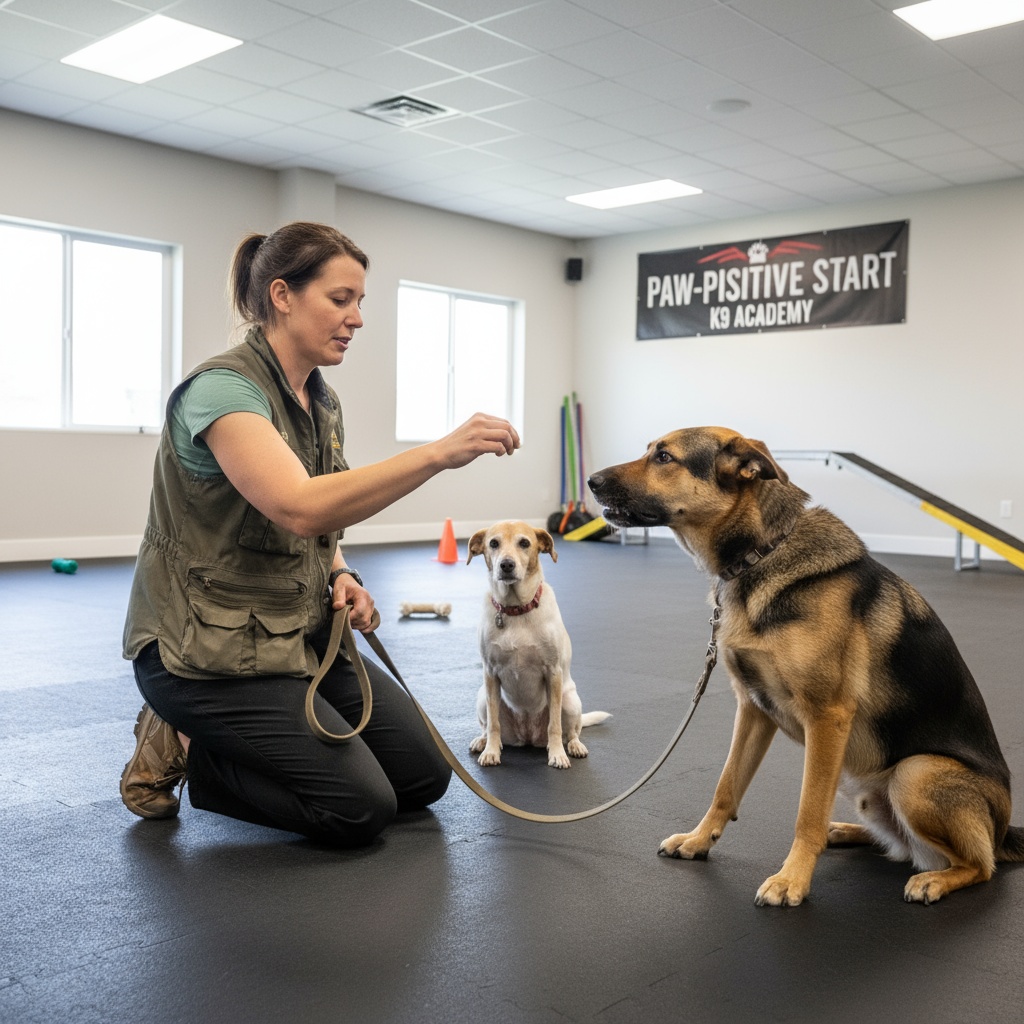
Special Situations: Handling Aggression or Bad Biting Habits
Let’s be real—sometimes it’s more than just puppy play. If your dog lunges, snarls, or bites for real (not in fun), you need to get on it ASAP. Here’s how to train a dog to not bite when things are getting a bit gnarly:
Work with a Professional
- If aggression’s on the table, reach out to a certified dog trainer or behaviorist. Seriously, put Google down and call a pro. Safety first, fam.
- Ask about positive reinforcement methods—avoid trainers who use outdated punishment or “alpha” techniques.
Vet Check
- Any sudden mood swing or new biting habit? Schedule a visit. Pain, dental issues, or other medical things can make even the sweetest dog snap.
Dog Bite Prevention: Tips for Everyday Life
A huge part of knowing how to train a dog to not bite is just managing daily life situations smartly. These are the hacks pro dog trainers wish every owner knew:
- Teach everyone in your house how to approach and play with your dog. Kids especially need to know: no poking, prodding, or yanking tails.
- “Let sleeping dogs lie” isn’t just a saying—don’t startle resting animals.
- Feed in a quiet spot where your dog won’t get spooked or feel like defending their bowl. Resource guarding can trigger bites big time.
- Pick toys wisely. Super tough toys that don’t splinter or break are best for enthusiastic chewers.
Common Mistakes When Learning How to Train a Dog to Not Bite
Mistakes happen—it’s all part of figuring out how to train a dog to not bite effectively. Avoid these pitfalls:
- Inconsistency: Dogs need repetition. Letting them mouth once and correcting the next time? Confusing!
- Punishment: Hitting, yelling, or other harsh stuff just makes a dog scared (and often more bitey!).
- Ignoring Warning Signs: Growls, cowering, lip licking—these are your dog’s way of saying “hey, back off.” Pay attention before a nip happens.
- Waiting Too Long: Don’t brush off early signs of biting as “just a phase.” The earlier you start, the better the outcome for everyone.
Getting the Whole Family Involved in How to Train a Dog to Not Bite
Here’s a pro tip: involve everyone! If just one person sticks to the rules for how to train a dog to not bite, it confuses your pup. Teamwork totally speeds up the process.
- Hold a quick family meeting (don’t skip the kids!). Go over your dog’s signals for stress or play.
- Agree on what to do when your dog bites during play—maybe call a timeout or redirect with a toy.
- Stay consistent. Set up reminders on the fridge or a whiteboard if you need to!
Advanced Training: Crate Training, Timeouts, and Calming Techniques
Using the Crate as a Calm Zone
- Dogs feel safe in cozy spaces. Use the crate as a mellow-out spot if play gets too wild.
- Send your dog for a chill break, not as a punishment.
Time Outs Done Right
- If biting happens, calmly remove attention for 30-60 seconds. Don’t make a big production out of it.
- Try not to use a crate or another separate space as “doggy jail”—you want your pup to love their safe spot.
Training a “Gentle” Cue
- Say “gentle” before handing treats or when petting. Use only when your dog is calm, rewarding soft mouths and gentle manners.
How Long Does It Take to Train a Dog to Not Bite?
No cap, it varies. Puppies can “get it” in a few weeks with consistent practice. Older dogs or rescues? It might take a few months of patient effort and smart management. Don’t give up—every time you work on how to train a dog to not bite, you’re making progress, even if it’s small wins!
FAQs for How to Train a Dog to Not Bite
- Can some dogs never be fully trusted? Some dogs with severe trauma or trigger histories may always need extra caution, but training vastly improves most cases.
- Are certain breeds more likely to bite? Any dog can bite. Temperament is waaaay more about upbringing and context than breed alone.
- Does neutering/spaying reduce biting? Sometimes, especially if related to mating urges. But training is still essential.
- Is it ever too late to train a dog to not bite? Never! Old dogs just need more patience, but results are possible.
When to Seek Extra Help
If you’ve tried it all and your furry friend still bites hard, don’t be afraid to call in a pro. Sometimes, despite your best efforts, how to train a dog to not bite needs a custom plan and maybe some hands-on sessions. It’s not giving up, it’s setting your dog up for success—and safety.
Final Takeaways: You’ve Got This!
Let’s get real for a sec—training isn’t always a walk in the park, but learning how to train a dog to not bite is absolutely worth every minute. Your pup will be calmer, you’ll feel more relaxed, and your friends and fam will totally notice the difference.
Just remember:
- Start young if you can, but don’t lose hope if your dog’s already an adult.
- Consistency is the secret sauce—set boundaries, redirect, and always reward the chill behaviors.
- Don’t punish. Focus on trust and positive vibes!
- When in doubt, reach out to a qualified pro trainer for personalized advice.
The journey to mastering how to train a dog to not bite isn’t always smooth, but you’re not alone. With patience, a bit of humor (and maybe some new shoes for the teething phase!), you and your dog will have this on lock. Happy training—and may your hands forever be bite-free!