Alright, if you’re reading this then chances are your sweet furball has turned into a four-legged alarm bell that just. Won’t. Quit. Excessive barking isn’t just a minor nuisance—it can make you want to pull your hair out (or strangle the neighbor who keeps giving you the stink eye). Let’s be real here: excessive barking sucks. But don’t panic! You’re about to get the lowdown on excessive barking—what causes it, how to stop it, and pro tips to keep your sanity intact. Grab a coffee, let’s dig in!

Why Does Excessive Barking Even Happen?
First off, you gotta realize dogs bark. It’s literally how they ‘talk’ to the world. But when barking cranks up to excessive barking, it’s time to figure out why. Common causes for excessive barking can include:
- Loneliness or boredom
- Anxiety or fear
- Attention-seeking
- Territorially protective vibes
- Medical issues
- Unmet exercise needs
Understanding why your dog engages in excessive barking is step one in kicking the problem’s butt. Every dog is unique, and excessive barking doesn’t have a ‘one size fits all’ solution—but it does have patterns!
How Can I Tell If Barking Is “Excessive”?
It’s all about the frequency, duration, and context. If your pup barks for hours when you’re at work, goes nuts at every passing leaf, or wakes you up at 3 AM more than your alarm clock, that’s excessive barking! Even super-chill breeds can slide into excessive barking territory if their needs aren’t being met.
Common Triggers for Excessive Barking
Identifying triggers is 🔑. The most typical triggers for excessive barking include:
- Strangers approaching
- Loud noises or other animals
- Feeling trapped or alone
- Trying to get your attention
The excessive barking defense is usually a combo of things rather than one trigger, so keep your detective hat on for a few days for ‘bark tracking’.

7 Game-Changing Strategies to Curb Excessive Barking
Right, let’s get into how to boot excessive barking outta your house. No nonsense, just solid advice!
1. Nail Down The Cause
Keep a “bark diary” for a week. Note when, where, and what’s going on each time your pup has a fit of excessive barking. You’ll see patterns emerge. Once you know the reason, you can tackle excessive barking head-on rather than blindly guessing.
2. Give ‘Em What They Need
Many times, excessive barking is your dog’s way of telling you they’re bored or under-stimulated. Solution? Exercise, exercise, exercise! Walks, fetch, tug-of-war, anything to burn energy reduces excessive barking. A tired dog is a quiet dog. Mix up training sessions and puzzle toys too—mental stimulation knocks excessive barking down a peg.
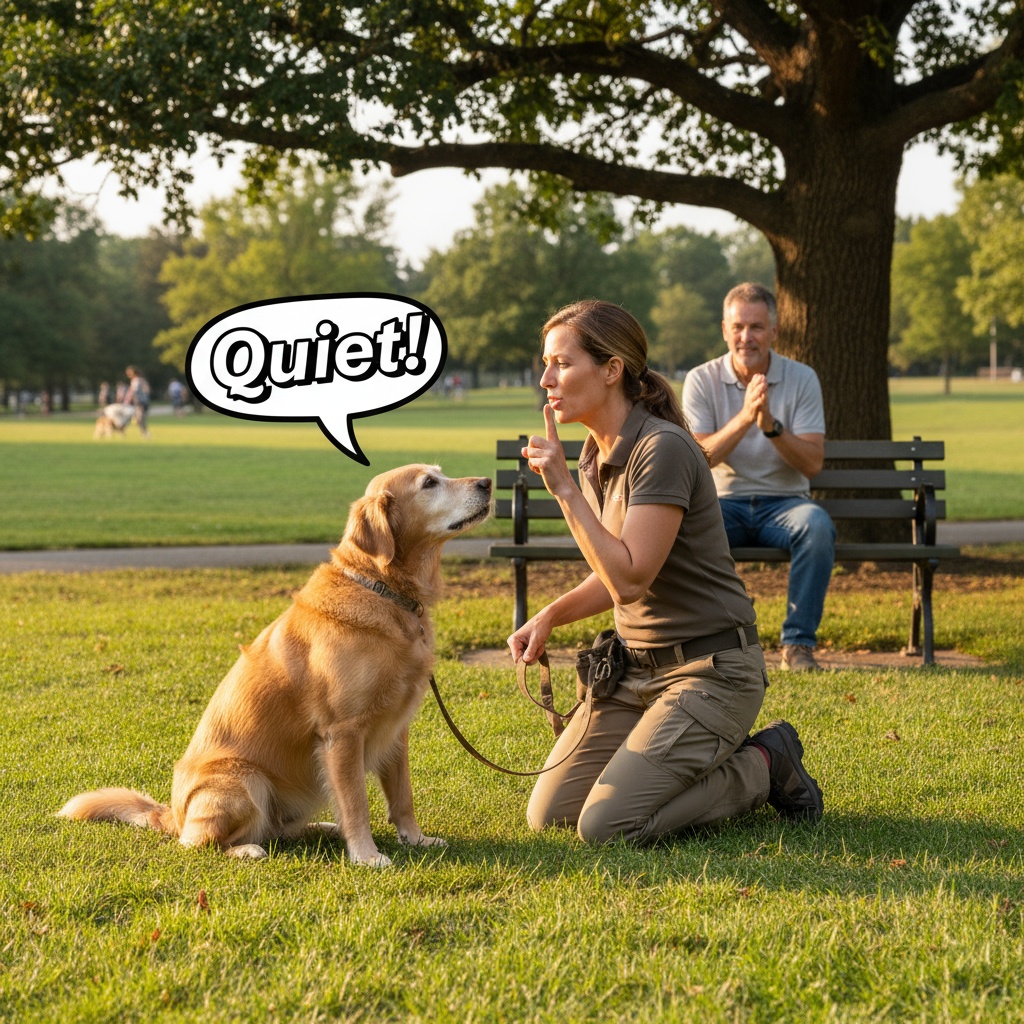
3. Teach the “Quiet” Command
This is gold for excessive barking. When your dog barks, say “quiet” in a calm but firm voice. If they stop (even for a moment) praise them big time and reward with a treat. Don’t yell—it only feeds into excessive barking by ramping up excitement. Be consistent. Dogs catch on fast!
4. Ignore Attention-Seeking Barking
Yeah, it’s tough to ignore 80 decibels in your living room, but sometimes giving attention just rewards excessive barking. Walk away, avoid eye contact, and only give love when they zip it. Consistent ignoring can work wonders.
5. Remove or Block Triggers
If your dog guard-barks at passerby, limit their view out the window or try privacy film. For loud noises, use white noise machines, relaxing music, or even doggy ear muffs. Control the environment, control excessive barking.
6. Provide Comfort and Security
Excessive barking can be a sign of anxiety. Crate training, calming vests, and leaving a piece of your clothing behind can offer comfort when you’re gone. Puzzle toys and Kongs filled with treats help distract from triggers, lowering excessive barking stress.
7. Seek Pro Help If Needed
If excessive barking is chronic and nothing’s working, call in a pro. A certified dog trainer or behaviorist can assess and create a plan tailored for your dog’s version of excessive barking. And of course, always consult a vet to rule out medical troubles linked to excessive barking (like hearing loss, pain, or cognitive issues).
Punishment: Why It Backfires for Excessive Barking
Seriously, tryin’ to stop excessive barking with shock collars, yelling, or hitting doesn’t work in the long run. Usually your dog will just be more anxious, causing bigger excessive barking problems. Stay positive and patient—the results will be better!
Cool Tools & Gadgets That Actually Help With Excessive Barking
- Puzzle feeders (mental stimulation beats excessive barking)
- Calming pheromone diffusers
- White noise generators (drowns out triggers of excessive barking)
- Motion-activated pet cameras (see and correct excessive barking from anywhere!)
If you invest in gear, choose stuff that’s humane and proven safe. Nothing that causes pain or scares your baby, capisce? These tools, combined with training, will give excessive barking a serious run for its money.
What If It’s Separation Anxiety Barking?
This is a biggie. Excessive barking from separation anxiety sucks for you and your pup. The fix is desensitizing them to your leaving and returning. Don’t make departures/arrivals a big drama; keep things chill. Try these excessive barking busters:
- Leave worn clothing or a favorite toy
- Build up alone time slowly, starting with just 5 minutes
- Use interactive toys to keep ‘em busy
If excessive barking persists despite your efforts, talk to a vet about anti-anxiety meds or seek a canine behaviorist.
Excessive Barking and Your Neighbors: Keeping the Peace
Excessive barking might not bother you as much as the neighbors. Nipping it early is good manners. If you’ve just moved, give your neighbors the heads up you’re working on excessive barking. Try:
- Leaving your contact info in case it’s too much
- Offering treats or flowers as a peace gesture
- Showing them your excessive barking action plan (bonus points for effort!)
Most folks will roll with it if they see you’re on top of it and not just ignoring excessive barking.
Puppies vs. Adult Dogs: Does Age Matter for Excessive Barking?
Good news: you can teach an old dog new tricks! Puppy barking is often about learning boundaries, while older dogs stuck in excessive barking might need longer to re-learn stuff. Be patient, consistent, and use tasty treats to speed up the process. Excessive barking can be curbed no matter your dog’s age.
Myths About Excessive Barking Debunked
- Myth: Only small breeds have excessive barking issues.
Reality: Any breed can struggle. Yes, chihuahuas go off, but labs and even greyhounds can get stuck on excessive barking too. - Myth: If you ignore it, excessive barking goes away.
Reality: Some barking goes away, but chronic excessive barking rarely vanishes without action. - Myth: Bark collars are the only solution.
Reality: There’s tons of safer, kinder, and more successful ways to stop excessive barking.
Long-Term Management: Keeping Excessive Barking at Bay
After a successful excessive barking intervention, keep up the good work to prevent backsliding:
- Regular walks and active play daily
- Frequent mental enrichment
- Stick to routines so your dog knows what’s up
- Keep up with “quiet” command practice
- Monitor for new triggers that could restart excessive barking
Dogs change as they age, so keep an eye on behavior and be ready to troubleshoot if excessive barking starts sneaking back in.
When Should I Worry About Excessive Barking?
If your dog starts excessive barking outta nowhere in their senior years or starts barking weirdly with other issues (like limping, confusion, panting), see a vet, pronto! Medical shifts and cognitive issues can trigger excessive barking and should not be ignored.
FAQs About Excessive Barking
- Is excessive barking normal? Occasional barking is doggy nature, but if it affects quality of life for you, your dog, or the neighbors, it’s excessive barking time to act.
- Will neutering/spaying stop excessive barking? Sometimes, yes, but not always. It can ease excessive barking linked to hormonal urges but not all types.
- How long does behavior training take? Be ready to walk the walk for a few weeks to a few months—it’s totally worth it for excessive barking freedom.
- Should I get another dog for company? Sometimes this helps with boredom-related excessive barking, but it can also mean two barking pups! Assess carefully.
The Bottom Line On Excessive Barking
Excessive barking is a pain, but it’s possible to manage with the right mix of training, patience, and empathy for your pooch. Keep your cool, reward quiet moments, and take it day by day. Give yourself (and your dog!) a pat on the back for progress. Excessive barking isn’t forever, and with the right plan, you’ll be chilling in peace and quiet again soon. Now, go flex those newfound dog-whisperer muscles!