Look, we’ve all been there. You come home from a long day at work, dreams of chilling on the couch, maybe with a cold drink, only to find your favorite pair of sneakers absolutely annihilated. Or maybe your couch—that beautiful investment piece—now sports some gnarly gnaw marks. Trust me, you’re not alone, and yep, there is hope! In today’s wild world of dog ownership, one of the most common (and honestly, the most frustrating) problems is figuring out exactly how to keep a dog from chewing anything and everything they can sink their little teeth into.
Why Do Dogs Chew Anyway?
Before we can bust out all the best tricks and solutions for how to keep a dog from chewing, we gotta understand the “why.” Dogs use their mouths to explore the world much like we use our hands. Chewing is a natural instinct that provides entertainment, relieves anxiety, and can help with teething for puppies. But when this behavior leads to destroyed furniture or chewed-up phone chargers, it’s officially a problem!
- Teething: Puppies especially chew to relieve the pain in their gums.
- Boredom: Dogs need stimulation or they’ll make their own… often at your expense.
- Separation anxiety: Some dogs chew because they feel stressed when left alone.
- Attention-seeking: Sometimes your dog just wants your focus, even if that means chewing your stuff.
- Hunger: Dogs on restricted diets sometimes chew in hopes of finding food.
Spotting the Chewing Triggers
Knowing how to keep a dog from chewing starts with playing detective. Watch your pup. Do they start chewing when you leave the house? Only when the mail comes? Randomly throughout the day? Tracking this will help you nip the issue in the bud.
- Check for patterns in the time of day
- Notice if certain items are targeted (shoes, wires, wood, plastic)
- Observe your dog’s body language before chewing
Puppy Chewing vs. Adult Dog Chewing
How to keep a dog from chewing really does depend on the dog’s age. Puppies will, no doubt, chew more as part of their development. For adult dogs, chewing often points to unmet needs (exercise, mental stimulation, or poor training history).
Understanding the Puppy Stage
Puppies lose their baby teeth at about 4-6 months old. It’s during these times that they must chew to relieve that mouth pain. That’s why knowing how to keep a dog from chewing at the puppy stage is all about redirection and giving them alternatives.
Chew-Proofing Your Home
The best offense? A good defense! So you want to learn how to keep a dog from chewing? Let’s get preventative.
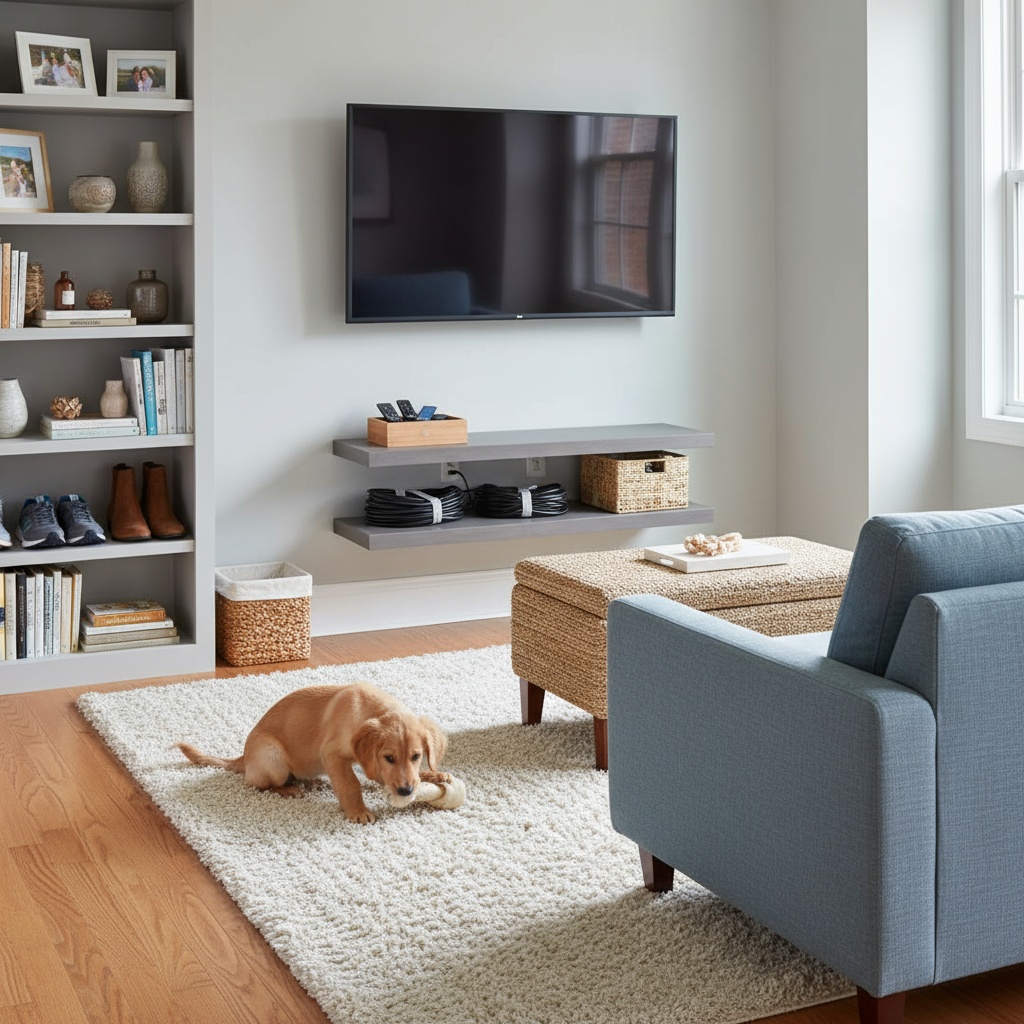
- Remove temptation: Pick up shoes, put away remotes, hide electrical cords if possible.
- Use baby gates and crates: Limit your dog’s access to high-value (expensive) items.
- Safe space: Make one part of your home the dog’s safe, chew-appropriate zone, filled with toys.
Choosing the Right Chew Toys
Honestly, a tired dog is a good dog. But so is a well-occupied dog with something safe to chew! If you’re fixated on how to keep a dog from chewing, invest in some high-quality, dog-approved chew toys. Here’s the lowdown:
- Durable rubber toys: Like KONGs that you can stuff with treats
- Nylon bones: Super tough and flavored to keep dogs busy
- Natural chews: Bully sticks, antlers, or dental chews (always supervise!)
Rotate the toys to keep things interesting. Even the best toy gets boring after a while—dogs want novelty!
Training Strategies: How to Keep a Dog From Chewing
This is the big one, yeah? Training is where the magic happens when it comes to how to keep a dog from chewing. Follow these steps to reset your dog’s mindset:
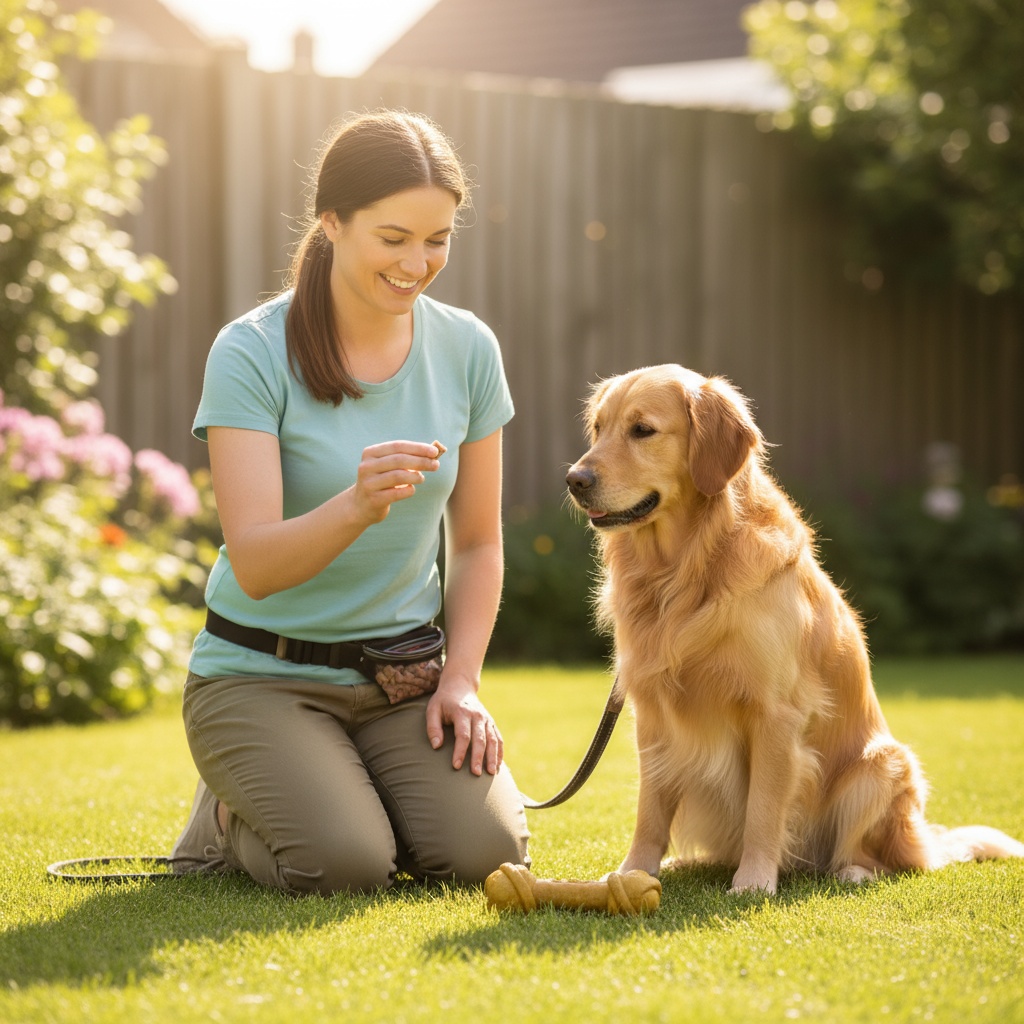
- Interrupt and Redirect: Catch your dog mid-chew? Calmly say “no” or “eh-eh,” then immediately hand them an approved chew toy. Praise them big time when they settle in with it.
- Positive Reinforcement: Every time your dog chews on one of their toys instead of your stuff, hand over a treat or give tons of love. Let them know they crushed it!
- Consistency: Everyone in the fam needs to be on board. Mixed messages? That just confuses your pup.
Mental Stimulation Is Your Secret Weapon
Dogs who are busy learning and sniffing are way less likely to chew out of boredom. That means if you’re asking how to keep a dog from chewing, you should def add some brain games to your dog’s day.
- Puzzle toys (like treat balls)
- Training sessions with new tricks
- Hide-and-seek games with treats
- Interactive play, like tug or fetch
Getting Enough Exercise
It might sound basic, but so many chewing problems can be totally solved by giving your dog enough physical activity. If you want to know how to keep a dog from chewing, ensure your pup is exercised every single day, suited to their breed and age.
How Much Is Enough?
- Puppies: Lots of playtime but short, frequent walks
- Active breeds (like Labs, Border Collies): 1-2 hours a day of real exercise
- Older/less active breeds: Adjust as needed, but walks + play are still essential
Deterring Bad Chewing
If you’re looking up how to keep a dog from chewing, you might’ve heard about anti-chew sprays. These are bitter-tasting products you can spray on stuff you want to protect.
Heads up: Some dogs are totally undeterred by gross-tasting stuff. Test it out and see if it helps your pup.
- Try sprays on remote controls, furniture legs, cords, etc.
- Always pair with redirection to teach what is appropriate
- Never spray directly on your dog or their toys!
The Power of Crating
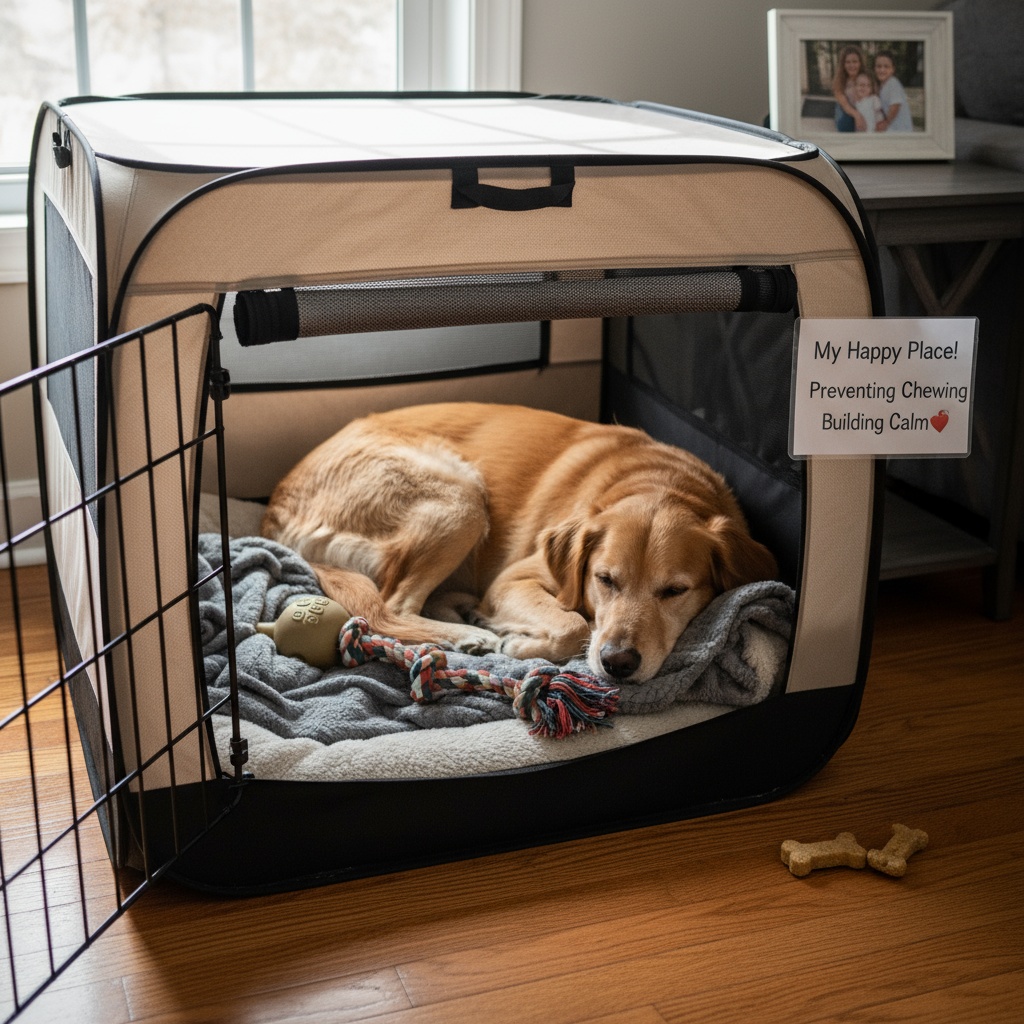
Super important—crating isn’t mean, it’s a safety tool and can def help with how to keep a dog from chewing. A crate gives your pup their own den where they can relax safely (and where they sure can’t destroy your place while you’re gone!).
- Make the crate cozy, not a punishment
- Fill it with safe chew toys only
- Crates are awesome for puppies and adults alike when you can’t supervise
Addressing Separation Anxiety in Chewers
If your dog mainly tears stuff up when you leave the house, separation anxiety might be the root. Learning how to keep a dog from chewing in these cases means helping them feel safe alone.
- Practice short departures and quick returns
- Ignore the dog for the first few minutes after coming back
- Leave with a high-value food-stuffed toy
- Work with a trainer if anxiety is intense
What Not To Do
We get it: chewed-up stuff is maddening. But certain actions just don’t help and can actually make chewing worse!
- Don’t yell or punish: It causes anxiety and can erode trust
- Don’t rub their nose in it: Dogs don’t understand this after the fact
- Don’t assume they’ll “grow out of it”: Chewing is a learned (and fun!) behavior for dogs unless stopped
When to Seek Professional Help
You’re working hard but nothing sticks? It might be time for backup. If you’re failing to figure out how to keep a dog from chewing no matter what you do, check in with a trainer or vet. Sometimes medical or behavior issues play a role.
- Excessive chewing without relief
- Chewing that leads to eating non-food items (pica)
- Significant separation anxiety
Real-Life Stories: Wins from the Front Lines
I’ve seen wild chewers turn into calm, happy pups. There was Baxter, a lab mix who took out three remotes and a full sofa before his owner added daily brain games and swapped the newspaper with chew toys. Within a month? Damage control and a waay happier, less bored pooch.
Or Stella, the anxious terrier, who learned to love her crate and went from door-scratching to napping with her favorite stuffed bone every time her mom left for work.
DIY Chew Toy Ideas
- Frozen washcloths: Tie up a wet cloth and freeze—great for teething puppies!
- Old t-shirt rope: Braid a shirt, tie knots, instant tug toy
- Stuffed KONG: Smear with PB, add kibble, pop in freezer
Always supervise when giving homemade toys, just to stay safe!
Final Checklist: How to Keep a Dog from Chewing
- Provide enough exercise and mental stimulation
- Puppy-proof your house like a boss
- Use crates and baby gates as needed
- Offer a variety of chew-safe toys
- Train consistently with positive reinforcement
- Try safe deterrents if needed
- Sort out separation issues with patience
- Know when to call an expert
Conclusion: You Got This!
The truth is, learning how to keep a dog from chewing isn’t about expecting a miracle overnight, it’s about patience, redirection, and understanding your dog’s wild little mind. Fixing this is a total win-win: your stuff stays safe, and your pup gets the stimulation and boundaries they crave. So grab those toys, up the walks, lock up your favorite shoes—and know you’re def not alone in wanting a home that’s dog-loving, but slightly less destroyed. Happy training!