Let’s be totally honest—puppy biting training is probably one of the most common stumbling blocks for new dog owners. Those little needle-sharp teeth can turn cuddle time into a game of dodge-the-shark! So, what’s the deal with all the nibbling, and how do you train your mischievous, adorable floofball to quit treating your hands like squeaky toys? Pull up a chair (maybe put on some gloves), because in this guide, we’re spilling everything you need to know about puppy biting training, packed with pro tips, real stories, and no-nonsense hacks.
Why is Puppy Biting So Dang Common?
If you’ve been frantically googling “puppy biting training,” you’re definitely not alone. Puppies bite for a ton of reasons, most of which are actually pretty normal. First, it’s their way of exploring—they don’t have hands, so their mouths are their main tool. Teething is another huge one. Imagine something tickling or hurting in your mouth 24/7, and yeah, you’ll start gnawing on everything in sight too. Plus, biting during play is just how dogs chat with each other! At its heart, puppy biting is natural, but that doesn’t mean you should just accept it. Don’t worry—we’ve got you.
What You Need To Know Before Starting Puppy Biting Training
Okay, before you start with any puppy biting training, there are a few things you should keep in mind:
- Consistency is key. Everyone in your house needs to be on the same page.
- Get your puppy on a solid routine; structure helps reduce stress and chaos.
- Timing is everything: Correct your puppy during the behavior, not after.
- Always use positive reinforcement. Reward the stuff you want to see.
- Punishment doesn’t work—we promise! It just messes up your bond.
Is It Ever Okay for Puppies to Bite?
Short answer? Kind of. During the super-young stage, puppies wrestle with their littermates and bite to learn boundaries. But that doesn’t mean you should ignore it. Puppy biting training teaches your dog bite inhibition—basically, how to control the force of their bite. That’s huge if you want a gentle, safe adult dog.
First Steps in Puppy Biting Training
So you’re ready to start puppy biting training? Awesome! Here are the first basic steps you can use right away:
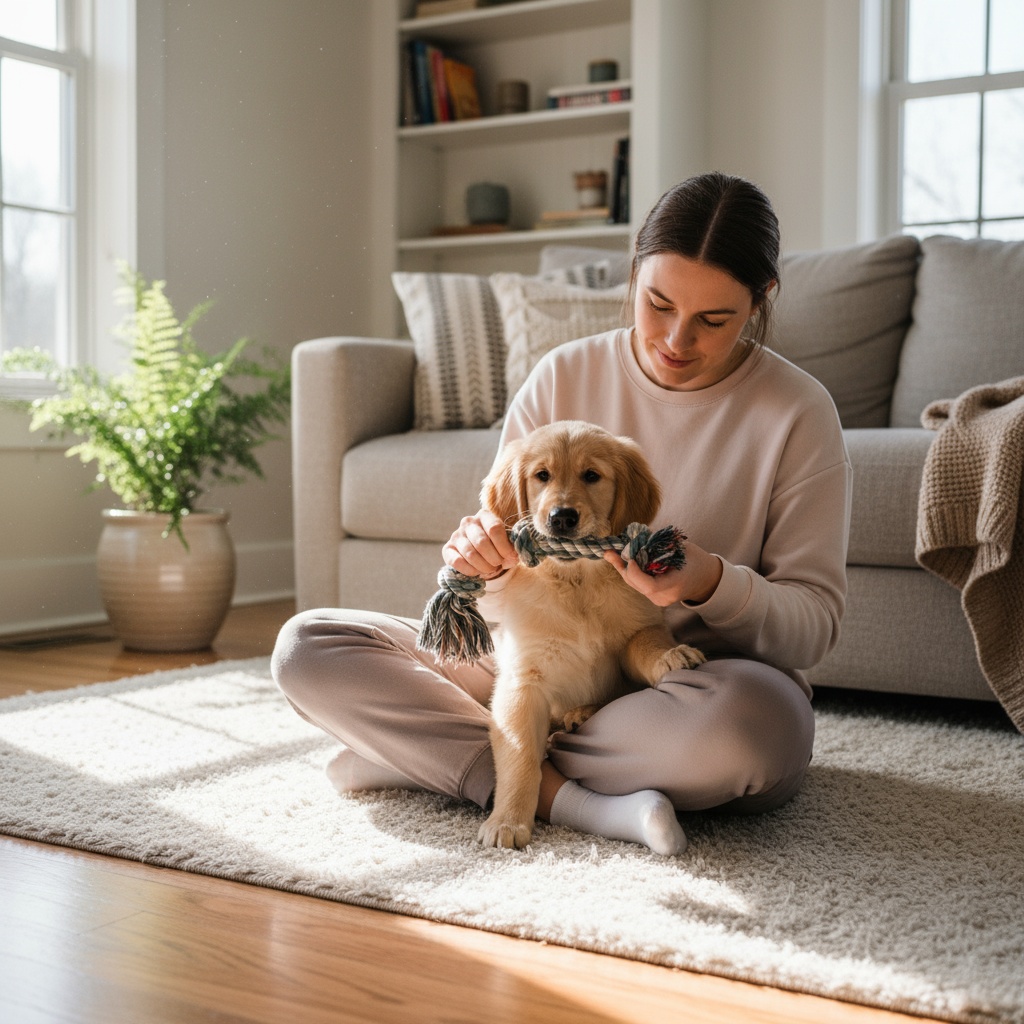
- Redirect: Swap your hand or foot for a toy. Ready one of those chew ropes or plushies, and offer it up as soon as your puppy starts getting mouthy.
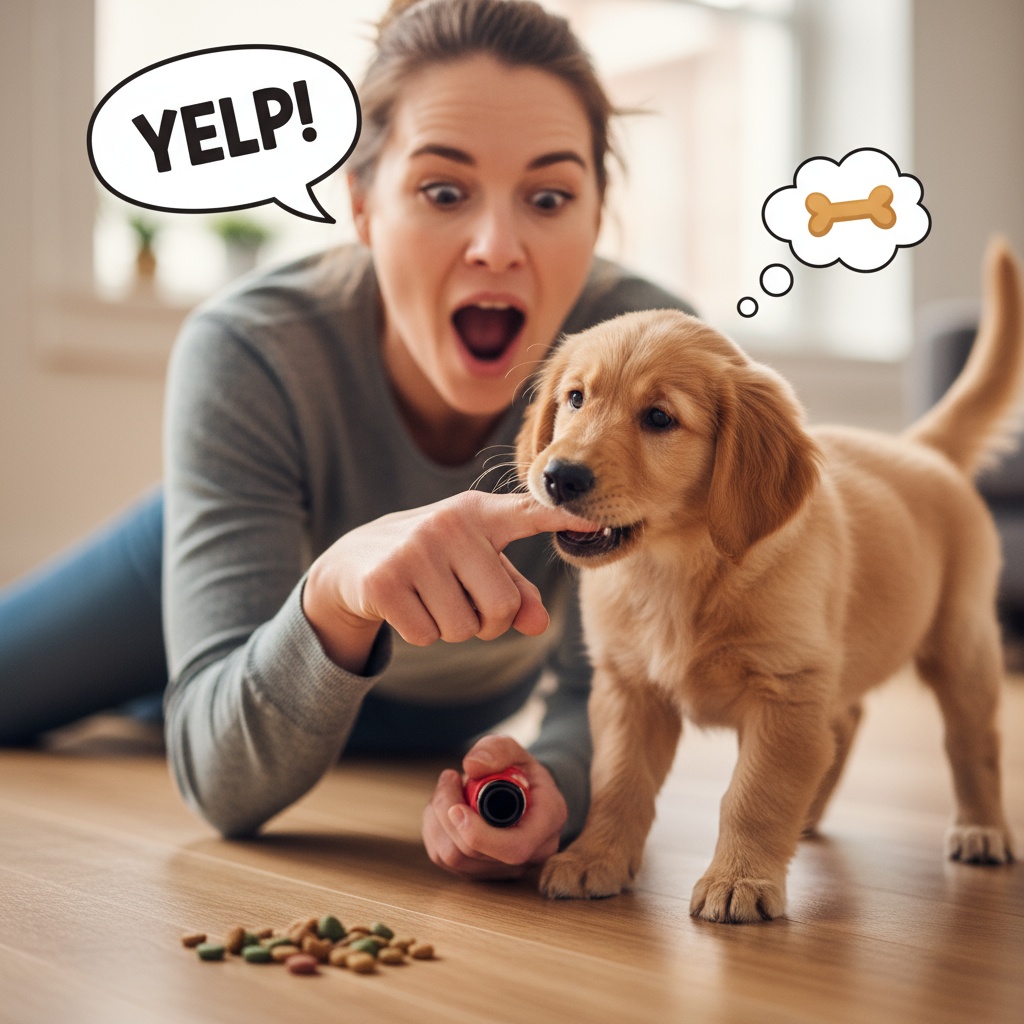
- Yelp like a pup: When your puppy bites too hard, let out a sharp, high-pitched “Ouch!” Puppies learn from each other, and this sound mimics the way littermates signal, “Hey, too much!”
- Withdraw attention: If the biting continues, stop playing and ignore your puppy for a few moments. This teaches that fun ends when teeth come out.
- Rinse and repeat. No joke, you might do these steps like a zillion times. Stay chill—it pays off fast!
Common Puppy Biting Training Mistakes (And How to Fix ‘Em)
Look, we’ve all been there. Here’s what to avoid so you don’t accidentally make your puppy’s biting worse (yikes):
- Don’t yank your hand away fast—this triggers prey drive and makes puppies lunge for flesh more!
- Never slap, hit, or aggressively hold your puppy’s mouth shut. It’s not only mean, it makes them scared of you.
- Skipping bite inhibition. Just telling your puppy NO doesn’t teach them how hard is too hard. Make sure to let them gently mouth you sometimes, then teach them “enough.”
- Not providing enough chew toys. Give that baby something appropriate to gnaw on!
The Science Behind Effective Puppy Biting Training
Let’s dive a little deeper, okay? Puppy biting training isn’t about just stopping the behavior. It’s about shaping your puppy’s understanding of “what’s okay and what’s not.” The most successful approaches use basic learning science:
- Operant conditioning: Reward good behavior, remove rewards after bad behavior.
- Social learning: Puppies watch and imitate other dogs and humans.
- Desensitization: Helping pups get used to gentle handling and restraint (hello, vet visits and grooming!)
By combining these, you get a gentle but effective puppy biting training program that just works. Training is not one-size-fits-all but following a few core principles really makes it stick.
Puppy Ages & Stages: How Puppy Biting Changes Over Time
Depending on how old your new best friend is, puppy biting training can look a little different. Here’s what to expect:
- 8-12 weeks: Biting EVERYTHING, learning about their bite force.
- 12-16 weeks: Baby teeth falling out. Prepare for turbo gnawing!
- 16-20 weeks: Will test limits, but with consistent puppy biting training, biting usually drops way down.
- 5-6 months: Most biting should be mostly gone, except during crazy playtime. If your pupper is still super mouthy, keep up the puppy biting training!
Tried-and-True Puppy Biting Training Methods
Alright, time to get into the nitty-gritty of puppy biting training. Here are some battle-tested techniques:
1. The “Toy Swap” Method
This classic puppy biting training move is all about teaching “teeth go on toys, not skin.” But you gotta be quick! If your puppy goes for your fingers, right away offer a squeaky or chew toy. The second your puppy gnaws the toy, throw a party—”Good puppy!” With enough reps, your doggo will start hunting toys every time their mouth gets itchy.
2. Squeak and Freeze
If your puppy bites too hard, imitate a puppy squeak. Immediately stop moving and let your hand go limp. Puppies usually let go and look confused. Pause play for 10-20 seconds, then go back to the fun if they chill out. This is the “whoa, that’s not cool” moment puppies would get from siblings.
3. The “Time-Out” Tactic
For persistent biters, use a short time-out. Say “Ouch!” then stand up and leave the room for 30 seconds. Don’t wait too long—the time-out only works if it comes ASAP after the biting.
4. Teach “Drop It” and “Leave It”
Teaching commands like “Drop it” or “Leave it” as part of your puppy biting training toolbox means you can stop mouthing behavior anywhere, any time. Start with a toy and treat, trade the toy for a treat, and repeat over and over. Soon your puppy will release anything on cue, even your hand!
How to Make Puppy Biting Training FUN!
Who said training has to be boring? If your vibe is chill and you turn puppy biting training into a game, your pup will get the memo so much faster. Try poker-faced, serious training sessions and watch your puppy space out. Instead, keep the mood light, exciting, and full of praise and rewards.
- Use high-value treats. Puppy nipped you softly instead of hard? Snacks for everyone!
- Short sessions. Puppies have attention spans like goldfish. Two minutes at a time is perfect.
- Quick praise. Don’t save the “Good dog!” for later—celebrate every win right away.
What Toys Work Best for Puppy Biting Training?
To win at puppy biting training, you need the right gear. Puppies like stuff to bite, so here’s what to stock up on:
- Rubber teething rings—lifesavers during tooth lava season
- Rope toys (soaked and frozen for extra relief)
- Stuffed animals (just keep an eye out for shredded stuffing…)
- Kong toys packed with treats or peanut butter = hours of distraction
Don’t just toss toys around—use them as training tools. When your puppy comes at your feet, drop a toy next to ‘em and steer the play session that way!
Puppy Biting Training For Multiple Pups
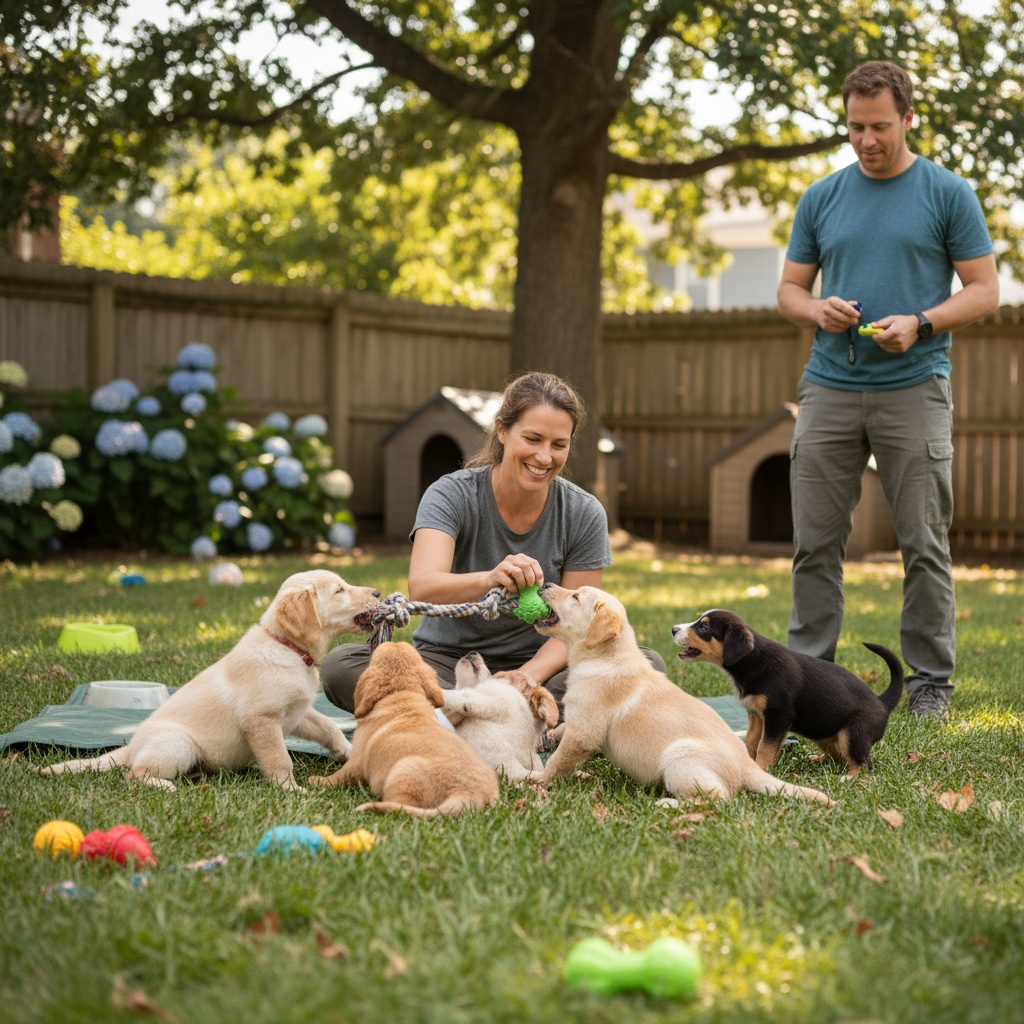
Got a whole gang of puppies? Puppy biting training is, well, trickier. They egg each other on, and you’ll need a mix of group play plus focused 1-on-1 training. Watch for rough play and step in if things get too wild. Make sure each puppy gets solo practice time with you to learn boundaries.
Socializing to Help Puppy Biting
Puppy classes and playdates (with safe, vaxxed dogs) can be super helpful for puppy biting training. Why? Other puppies are the fastest teachers—if one nips too hard, the game ends, and they figure out bite strength on the fly. Just monitor so it doesn’t turn into chaos!
What If Puppy Biting Doesn’t Stop?
Sometimes, even with perfect puppy biting training, your little monster just. won’t. quit. If your pup is older than 6 months and still chomping hard, chat with a professional dog trainer. Sometimes, medical issues (like mouth pain) can cause extra bitey behavior. And honestly, pro trainers can spot patterns you might be missing. Don’t be embarrassed—everyone needs expert help sometimes.
Puppy Biting and Kids: Extra Caution!
If you’ve got kids and a puppy, it’s 100% crucial to double down on puppy biting training. Kids make high-pitched noises and have flappy hands—literally irresistible for a mouthy furball. Some tips:
- Teach your kids to stay calm and “freeze like a tree” when bitten.
- Don’t let kids roughhouse with puppies or encourage chasing games.
- Supervise every kid-puppy interaction, always!
- Let older kids help with puppy biting training routines (like trading toys for gentle play).
How Long Does Puppy Biting Training Take?
This is the million-dollar question! With daily practice, most puppies chill out by 4-6 months (sometimes way sooner, sometimes a tad later). But even after you “graduate,” keep reinforcing good habits for months. Consistency really is your secret weapon for killer puppy biting training.
Advanced Puppy Biting Training: Preventing Future Problems
Don’t just stop at no biting—use these next-level puppy biting training hacks to ensure your pup stays safe and polite for life:
- Gently handle paws, mouth, ears every day so your dog is cool being touched by vets or groomers.
- Encourage calm introductions to new people and dogs.
- Always offer praise when your pup greets you calmly, rather than leaping and nipping.
- Enroll in social puppy classes for bonus practice!
The Power of Patience in Puppy Biting Training
Let’s be real—sometimes it’ll feel like the puppy biting will never end. But every puppy (even those wild working breeds!) can learn with patience, calm, and consistency. Don’t sweat the mistakes, don’t yell, and don’t give up. Every day is a new chance—your future chill, well-behaved adult dog is waiting.
FAQs on Puppy Biting Training
- Is puppy biting ever a sign of aggression? Almost never! It’s 99% just normal puppy behavior. True aggression is rare in young pups, but if you see snarling, raised hackles, or stiff body language—talk to a trainer.
- Can I train an older puppy not to bite? Absolutely. It takes more reps, but the exact same puppy biting training works for older dogs too.
- Should I let my puppy gnaw on my hands gently? Sometimes! Controlled, gentle mouthing can actually help teach bite inhibition when you set clear limits.
Conclusion: Why Puppy Biting Training is the Best Gift for Both of You
Puppy biting training isn’t just about saving your hands (or your favorite sneakers) from doom. It’s about helping your fur buddy become the best version of themselves, one happy, safe, and gentle adult dog. With the right tools, patience, and a healthy dose of goofy fun, you’ll both cruise right through this phase and come out stronger on the other side. Good luck, and may your puppy biting training be swift, painless, and full of tail wags!