Let me be real with ya—nothing is scarier than your pup showing their teeth and maybe even nipping at someone’s hand. But hey, you’re not alone! Tons of pet parents out there wanna figure out how to train a dog not to bite. It’s def not just about saving your shoes or hands, but making sure your fur baby (and everyone around ’em) is safe, happy, and, well, not at risk of getting that “bad dog” label. So, if you’re ready to take control, help your dog chill out, and truly enjoy your bond together, you’re in the right spot. For a deeper dive into foundational techniques, check out our dog training basics. We’ll break down every step on the journey to mastering how to train a dog not to bite!
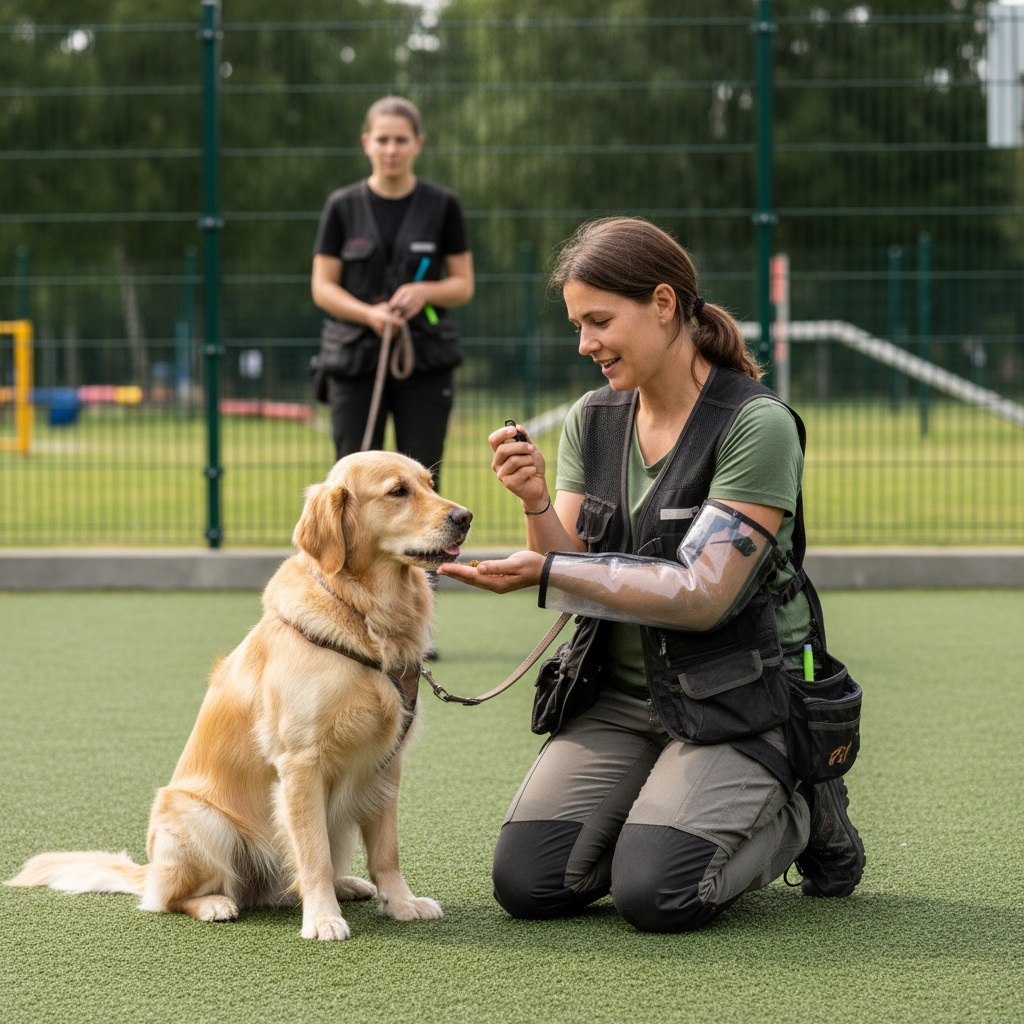
Why Every Pet Parent Needs to Know How to Train a Dog Not to Bite
It might seem easy to just say, “Stop it!” when your dog chomps down. But trust me—it’s a lil’ bit more complicated than that. Whether it’s a teething puppy or a nervous adult dog, the reasons for dog biting can be as random as a squirrel darting across your yard. That’s why understanding how to train a dog not to bite is so important. When bites happen, it isn’t just your skin that pays the price; your relationship with your dog can take a hit, too. And if your pooch gets a reputation for biting, there could even be legal trouble (yikes!).
Understanding Why Dogs Bite
If you wanna nail how to train a dog not to bite, first you gotta know why they’re doing it in the first place. Dogs don’t bite just because they’re mean—here are the biggest reasons:
- Fear or anxiety: New people, loud sounds, or strange situations can freak out even the chillest pup.
- Possessiveness: Guarding toys, food bowls, or even their favorite person!
- Pain or illness: If they’re hurt, they might snap without warning.
- Lack of socialization: Dogs who haven’t met enough people or other pooches might get nervy and reactive.
- Puppies learning boundaries: Baby dogs do a lotta “mouthing” to figure out what’s okay. But if you don’t teach ‘em, it sticks around.
How to Train a Dog Not to Bite: The Do’s (and the Big Don’ts)
So, what’s the gameplan? How do you really, truly succeed in how to train a dog not to bite, for life? Here’s what works, and what you gotta avoid:
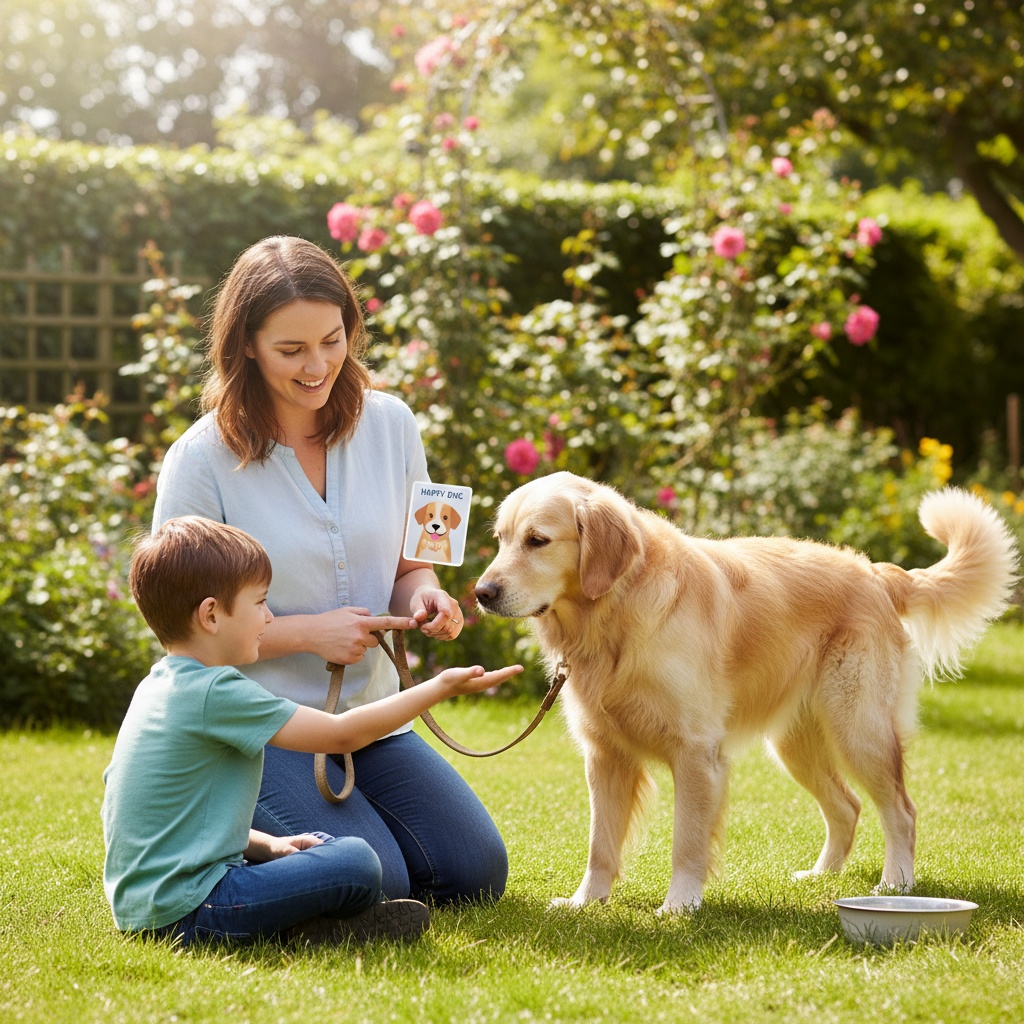
The DO’s
- Start Early: Puppies are basically clay—they don’t know the rules yet. The sooner you get serious about how to train a dog not to bite, the easier it’ll be for ya.
- Reward Calm Mouths: When your dog is playing gentle, or just hanging with you, shower ‘em with praise and treats.
- Teach Bite Inhibition: Dogs need to learn that people skin is way more sensitive than another dog’s fur. The goal? Teach ‘em to control the strength of their bite, starting with gentle mouthing and working toward none at all.
- Redirect Behavior: Got a mouthy mutt? Hand them a chew toy the moment they get rowdy with their teeth—that way, they get that chomp urge out WITHOUT hurting anyone.
- Positive Association: Let your dog meet lots of different folks, places, dogs, and sounds—but in a way that’s not scary. Make those experiences a treat party!
- Supervise Play: If you’re around kids, always watch. Many dog bites happen ‘cause a kid doesn’t get doggy body language.
The Big DON’Ts
- Never Hit or Shout: It’s never cool to hit, yell, or use shock collars. You’ll just scare the fur off your dog and make biting probs even worse.
- Don’t Encourage Rough Play: If you’re wrestling and letting your pup mouth your hands, you’re teaching ‘em it’s fine to bite.
- Don’t Ignore the Warning Signs: Growling, showing teeth, freezing—these are all big neon warning signs. If your dog gives these signals and you ignore them, a bite might be next!
How to Train a Dog Not to Bite: Step-by-Step Puppy Edition
Young pups have sharp lil’ teeth like needles, right? But the process for how to train a dog not to bite is totally do-able, if you know the right approach. Let’s dive in:
- Teach them what’s okay to bite: Always give puppies plenty of chew toys. Encourage them when they chomp on those and ignore them when they nibble your skin or clothes.
- Say “Ouch!” and walk away: When your puppy bites, make a quick “Ouch!” noise (not scary, just surprised), then stop playing and ignore ‘em for a minute. No attention means no fun, so your pup will figure out hand-nibbling ends the game!
- Use consistent rules: Everyone in the house HAS to follow the same “no biting” rules. If one person lets the dog bite but the other says no, you’ll just mess with your poor dog’s doggy brain!
- Reward gentle mouths: If your puppy licks you or mouths softly, give ‘em treats and praise. This links gentle play with good vibes.
How to Train a Dog Not to Bite: Adult Dog Edition
Sometimes a grown dog has some “bad habits” from puppyhood, or maybe they never really learned how to keep those teeth to themselves. Here’s the lowdown on how to train a dog not to bite when you’re workin’ with an older pooch:
- Get a health check: First up, make sure pain or medical probs aren’t the reason behind the biting. If they’re in pain, no training in the world is gonna fix it until they’re healthy.
- Desensitize triggers: If your dog bites out of fear, work slowly to get ‘em comfy around those scary things. Pair every “scary” moment with treats, playtime, or calm petting.
- Professional help: Super tough case? There’s zero shame in calling in a pro dog trainer or certified behaviorist. They’ll have your back (and your hands!)
- Teach alternative behaviors: For example, if your dog gets mouthy when excited, show ‘em to sit or grab a toy instead. Redirecting their excitement can seriously cut down those chomp attempts.
- Manage and prevent: Baby gates, exercise pens, or crates can stop risky situations before they even start. Don’t set your dog up to fail!
Real Talk: Mistakes People Make with How to Train a Dog Not to Bite
Let’s be real—dog training is not all sunshine and rainbows. Here’s what a lot of pet owners totally whiff on when it comes to how to train a dog not to bite:
- Assuming it’ll just go away: Nah, if you ignore biting, it doesn’t just disappear. Actually, it can become a whole lot worse as your dog gets older (and stronger!).
- Letting kids “punish” the dog: That’s just a bite waiting to happen. Kids need to learn how to read doggy language and give space when a dog is uncomfortable.
- Being inconsistent: Sometimes letting puppy nibble, other times punishing—this will just confuse your furball! Consistency is the secret sauce in how to train a dog not to bite.
- Not using positive reinforcement: If your training style only focuses on what the dog did wrong, instead of what they do *right*, you’ll both get super stressed.
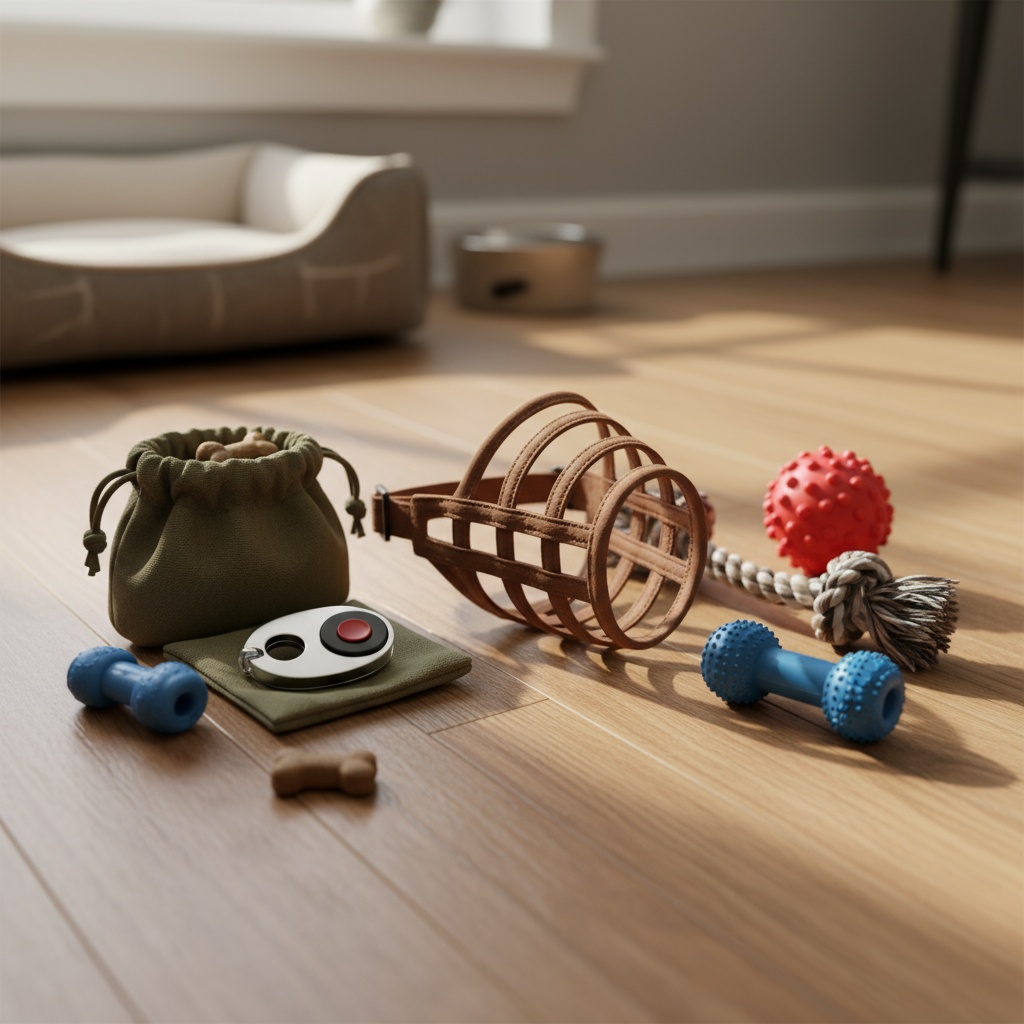
Pro Tools and Toys that Help with How to Train a Dog Not to Bite
Wanna make your life easier? Here’s some gear that can totally turbocharge your success with how to train a dog not to bite:
- Chew toys and bones: Stuffed Kong toys, Nylabones, and rope toys are perfect for mouthy pups + adults.
- Treat pouches: Gotta have rewards ready to go at all times! Fast rewards mean your dog can connect the dots instantly.
- Muzzles: Don’t freak—muzzles don’t mean you have a “bad dog.” Sometimes, for safety, putting a comfy basket muzzle on is the best thing for your pup AND anyone around them. But always work with a trainer and introduce it the right way!
- Clickers: Clicker training is great for marking when your dog does something right, including gentle mouth or staying chill around triggers.
- Puppy pens and baby gates: Block off problem areas (like the kitchen when you’re making dinner or places with kids) to stop trouble before it starts.
Socialization is Key for How to Train a Dog Not to Bite
The magic word in dog training? Socialization! If your dog gets used to all sorts of people, dogs, noises, smells, and textures, biting probs can go way, way down. Here’s how you can make socialization part of your plan on how to train a dog not to bite:
- Take calm walks in new neighborhoods
- Visit pet-friendly stores or cafés
- Invite friends over (and let your dog approach at their pace)
- Join a puppy playgroup or doggy daycare (make sure it’s supervised)
- Mingle your dog with calm, friendly dogs—they learn great behavior by copying others!
Red Flags: When to Call in a Pro for How to Train a Dog Not to Bite
Sometimes it’s honestly smarter (and safer) to reach out for professional help. Here’s some warning signs that mean it’s time to call a certified trainer or a veterinary behaviorist for how to train a dog not to bite:
- Your dog bites out of nowhere—no growling or warning
- Bites break skin, especially multiple times
- Your dog gets aggressive over toys, food, or space
- You feel scared of your own dog
- You’ve tried training, but nothing’s working
No shame in getting help. Even top trainers need some backup sometimes!
Preventing Bites from the Start: Raising a Non-Biting Puppy
Wanna know the secret sauce in how to train a dog not to bite so you never have to worry? Prevention! Here are tips every puppy parent should use:
- Sign up for a puppy class ASAP
- Touch your puppy’s paws, ears, and mouth often as they grow—reward them so they learn to trust being handled
- Teach “Leave it” and “Drop it” commands early on
- Praise calm, relaxed behavior always
How to Rebuild Trust After a Bite Incident
If your dog has already bitten someone, it can feel like everything’s ruined. But don’t give up! Here’s a simple plan for how to train a dog not to bite while earning back trust:
- Clearly ID the triggers—keep a bite journal if you have to
- Use management tools (baby gates, muzzles, etc.) right away
- Never punish after the fact—dogs won’t connect it, it just makes things worse
- Start working on positive associations and alternative behaviors
- Bring in a pro ASAP, especially if you’re not sure what caused the bite
How Big a Deal is Genetics in How to Train a Dog Not to Bite?
Some breeds do get a bad rap, but truth is, genetics are just one small factor. Super chill Golden Retrievers can bite, and even “tough” dogs like pit bulls can be sweethearts. The biggest key in how to train a dog not to bite is about socialization, training, and your attitude—not the breed!
Quick Fixes Won’t Work—But Consistency Will
Let’s keep it 100: there’s no magic trick for how to train a dog not to bite that’ll work overnight. But if you keep at it, keep things positive, and don’t give up after a few tough days, you’ll see epic progress. Celebrate every win, even the tiny ones—your hands, your friends, and your pup will all thank you.
FAQs on How to Train a Dog Not to Bite
- How long will it take for my dog to stop biting?
Every dog is different, but most moderate biting issues start getting better in a few weeks with daily effort. - Should I see a vet if my dog bites?
Totally – pain or illness can absolutely lead to new or sudden aggression. Rule out medical problems first! - Are some breeds just “biters”?
Nope. Any breed can bite if they’re scared, untrained, or not socialized. - Can older dogs learn not to bite?
You bet! It might take a lil’ longer, but adult dogs can totally learn, too.
Wrapping Up: Success in How to Train a Dog Not to Bite Means a Happier, Safer Life Together!
There ya go! The road to mastering how to train a dog not to bite isn’t always smooth, but it’s SO worth it. With patience, the right plan, and a whole lotta love (plus yummy treats), you’ll help your dog leave those biting days in the rearview. Remember: the ultimate goal is a safe, relaxed, and trusting relationship—anything else is just a bonus! Now, go give your pup a pat, stock up on chew toys, and start using these tips today. Your hands (and everyone else’s) will totally thank you!