Ever feel like your house has turned into a puppy shark tank? Those cute little teeth are adorable, but dang, they hurt! If you’re dealing with a puppy who loves to chomp—on hands, toes, furniture, basically anything that moves—you’re not alone. Tons of dog owners face this puppy biting phase, and let’s face it, it drives everyone a bit nuts. But here’s the good news: you totally can train puppy to not bite! And I’m not talking about scolding or harsh corrections. We’re all about gentle, smart, and positive ways to help your little floof turn into a well-mannered, gentle-mouthing good dog.
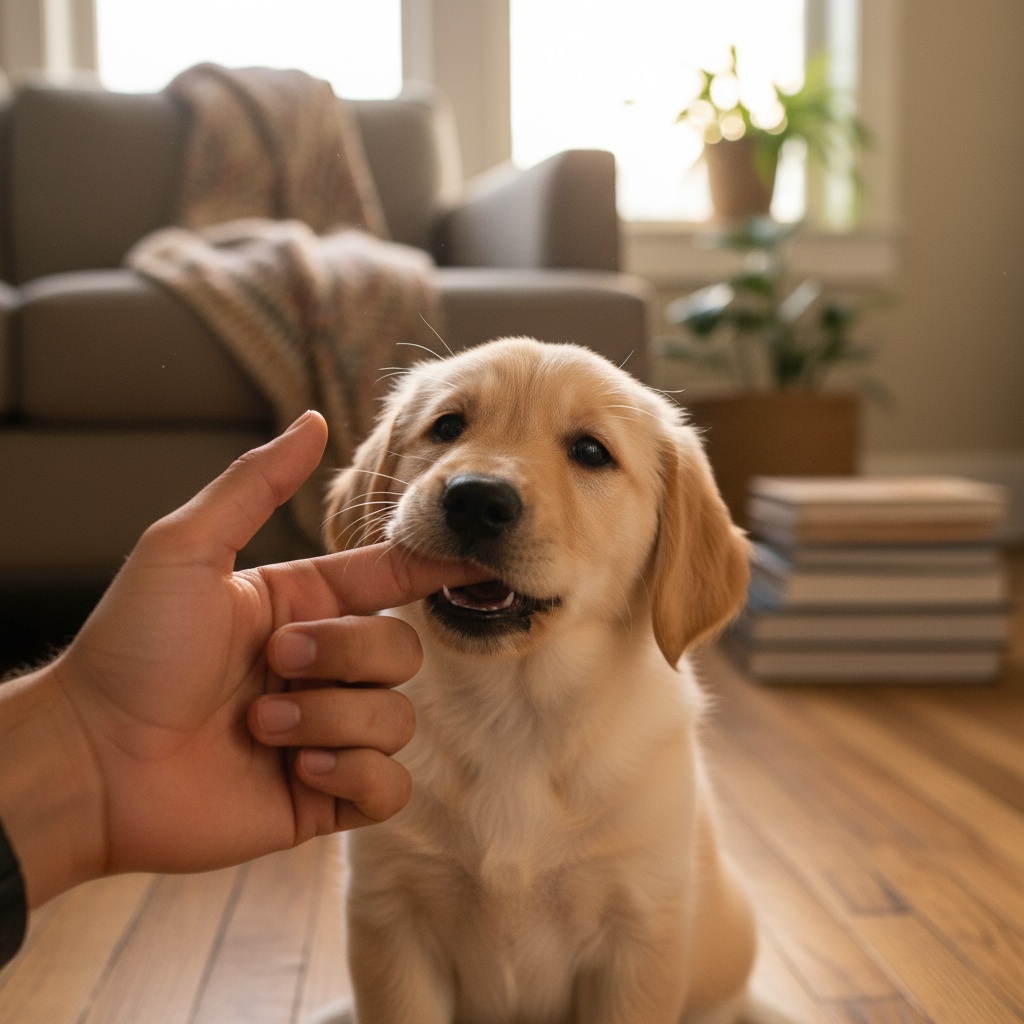
Why Puppies Bite (And Why It’s Totally Normal!)
First up, let’s get one thing straight. Puppies biting is normal. It’s just part of how they explore their world. Think of it like human babies putting everything in their mouths—same logic, just a lot more slobber.
- Teething: Puppies’ gums are sore. Biting helps them feel better.
- Exploring: Dogs use their mouths like we use hands. They’re curious critters!
- Playing: Ever watch puppies play together? Bite, tackle, yelp, repeat.
- Attention Plea: Some puppies nip because they want you to play or focus on them.
But—just ’cause it’s normal doesn’t mean you want to encourage it. That ouch-phase needs to end! You need to train puppy to not bite so your hands, toes, and sanity survive.
Step 1: Set Realistic Expectations to Train Puppy to Not Bite
Here’s the deal: it won’t stop overnight. Training is a process. Puppies have short attention spans and looots of energy. Be patient. Be kind. And remember, every puppy learns at their own pace. The key is consistency. If you want to train puppy to not bite, everyone in your house needs to follow the same rules. It takes a pack!
Step 2: Teach Bite Inhibition—It’s Critical!
Bite inhibition basically means your puppy learns how hard is “too hard” when mouthing. Even adult dogs sometimes use their mouths in play, but they know NOT to bite down. Puppy needs to learn this pronto. Here’s how you do it:
- React like a Littermate: Puppies learn bite limits from their bros and sis’. If bite is too hard, the puppy yelps. Imitate this! When puppy bites you, yelp “Ow!” in a high pitch (be dramatic, it helps!).
- If pup backs off or looks startled, praise immediately and offer a toy instead.
- If your puppy ignores your yelp and keeps biting, stop all play. Stand up and cross your arms or walk away. Make it crystal clear: biting = no attention.
- Repeat, repeat, repeat!
Stick with it and over a few weeks (yep, weeks—don’t give up!) you’ll notice progress as you train puppy to not bite.
Step 3: Give the Right Chew Outlets
Your puppy is gonna bite SOMETHING. If you don’t direct it, it’ll be on your shoes, hands, or the remote. Yikes. The trick is to teach your pup what’s okay to chew and what’s off-limits.
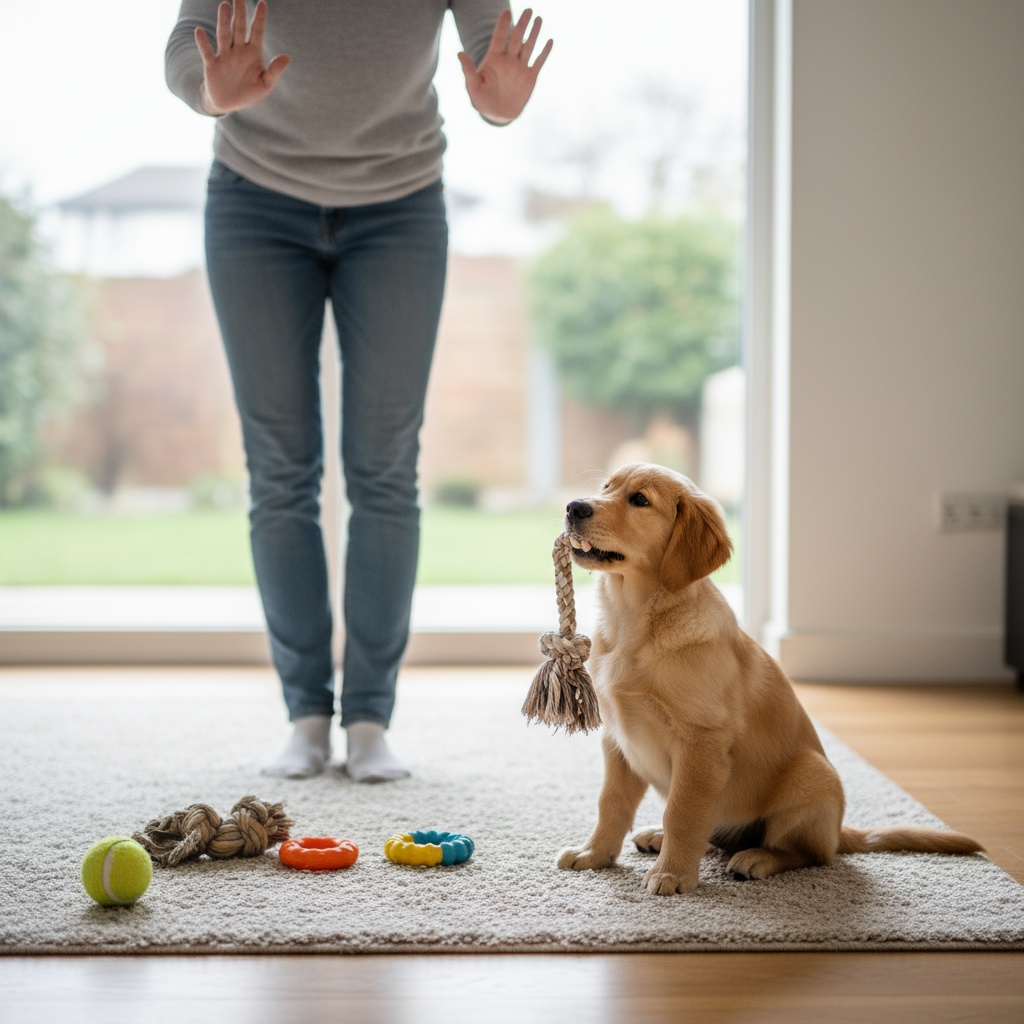
- Loads of Chew Toys: Stock up on chew toys made for teething puppies. There’s a ton of options—rubber, plush, rope, whatever your pup likes best.
- Keep toys within reach in every room where puppy hangs out. That way you can redirect fast.
- Encourage puppy to chew on these toys, especially during times when biting is worst (like play).
- If they go for your hand, swap for a toy without scolding. Make the toy way more fun!
- Praise every time your puppy chews the right thing. Gotta reinforce good choices, y’know?
This method will train puppy to not bite you or your stuff and clarity rocks for a young dog.
Step 4: Structured Play for Training Puppy to Not Bite
It’s not just about what you DON’T want. It’s about what you DO want, right? Structured, gentle play is key to train puppy to not bite. Try these strategies out:
- Never use hands as toys. This teaches your dog it’s okay to bite hands. Bad habit city!
- Tug toys: Engage your pup with a rope toy or soft tug. If your puppy’s teeth touch you: Drop the toy and walk away for a minute. Game over. Puppy quickly learns: “Oops, my bad, that ended the fun.”
- Chase and fetch games are SOLID. Use balls, squeakers, or soft toys.
- Short training sessions can help with impulse control (sit, stay, etc) and burn off energy so there’s less biting.
Step 5: Socialization—More Dogs, Less Biting
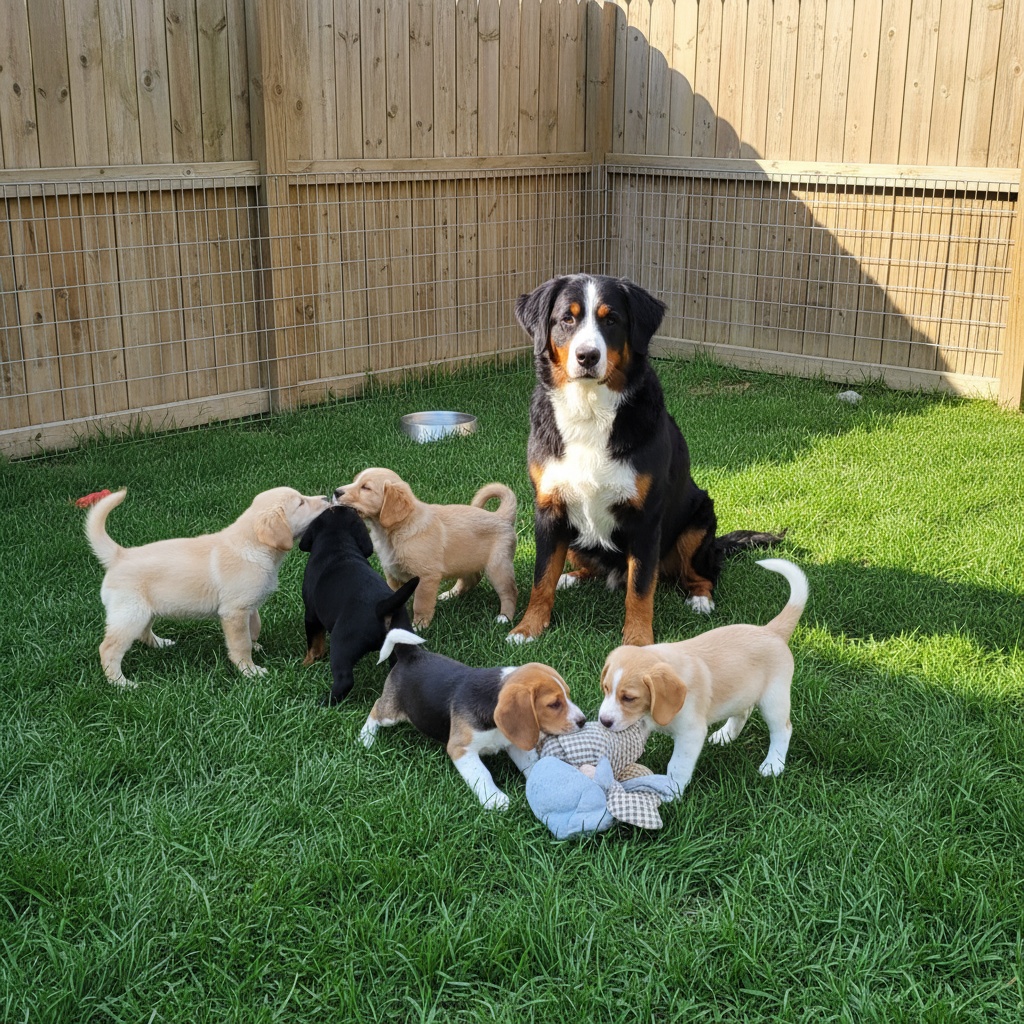
If you want to train puppy to not bite, you gotta make sure they’re around other dogs, too. Social pups are better at bite inhibition and learning polite behavior. Here’s the skinny:
- Set up safe puppy playdates (make sure everyone is vax’d and healthy, duh.)
- Let your puppy interact with confident adult dogs who are good with puppies (these doggos tend to teach manners quickly!)
- If puppy nips too hard, a well-mannered adult or littermate will let ‘em know — instantly. Puppies learn super fast from their own species.
Step 6: Calm Mind = Calm Mouth: Tired Puppies Nip Less!
Biting often ramps up when puppies are bored, frustrated, or over-tired. Help train your puppy to not bite by making sure they get:
- Plenty of exercise
- Brain games: Try puzzle toys, “find it” games with treats, or basic training
- Quiet time: Don’t over-stimulate. Puppies sometimes need naps more than play!
Happy, tired puppies are WAY less likely to nip. True story!
Step 7: Consistency from All Humans
Major tip: if you want to successfully train puppy to not bite, everyone in the house has to be on board. You can’t have one person letting puppy chew on their fingers while everyone else says “ouch!” That’s just confusing for the poor pupper.
- Share your bitin’-stopping plan with all family and friends who interact with the puppy.
- Explain why it’s not cool to let puppy nip for fun, even if it’s “cute.”
- Make sure everyone reacts the same way when puppy bites—a yelp, stop play, redirect to chew toy.
Consistency is the secret sauce to train puppy to not bite effectively.
Step 8: When to Get Pro Help
If you’ve put tons of effort in and the puppy still bites a lot, or gets overly intense/aggressive, don’t panic. Some breeds are just mouthier, or maybe your puppy missed socialization early on. It’s totally okay to call in a professional dog trainer. Here are signs you might need extra help:
- Puppy breaks skin or leaves bruises regularly
- Growling and snapping during everyday handling
- Puppy biting is getting worse, not better, over time
A pro can observe and pinpoint what tweaks will work for YOUR puppy. Sometimes it just takes an outsider’s eye to nail it.
Common Mistakes That Make Puppy Biting Worse
You’re working to train puppy to not bite, but some common mistakes can mess up your hard work. Watch out for these:
- Yelling or harsh punishment: This scares puppies and can actually make biting worse—for real.
- Letting play get too wild: Overstimulation leads to more bites.
- Not enough chew toys: If you don’t give them something to bite, puppies WILL find their own “toy.” Spoiler: it’s gonna be you.
- Roughhousing with hands: This teaches pups hands are toys. Not a lesson you want sticking around!
- Only correcting biting without rewarding gentle behavior: Always reinforce when your puppy chooses to lick or softly mouth instead.
Avoid these traps, and you’ll find it way easier to train puppy to not bite.
What If My Puppy Only Bites Certain People?
Noticed puppy nips you less, but goes wild on the kids or your partner? Don’t sweat it—it’s normal. Some folks get puppies more riled up (especially squealy kiddos or newbies to dogs.) Here are extra steps:
- Ensure everyone is reacting the same way: yelp, stop play, redirect.
- Supervise playtime closely and limit if it gets too intense.
- Teach little ones about gentle play and NOT running/jerking hands away, which can ramp puppy up.
- Consider reward-based training classes for the whole crew—best way to get on the same page!
Keep working together and you’ll train your puppy to not bite ANY of the family—promise!
Why Train Puppy to Not Bite Early?
Why’s it SO important to jump on biting fast? Letting it slide as a puppy can cause massive issues later. Adult dog bites? Not cool. Training early = safe, happy future.
Biting is easier to prevent than cure once it becomes a habit. Every time you redirect, reward, and stop play for nipping, you’re teaching your puppy: Gentle mouths = more fun, biting = game over.
Troubleshooting: When Training Stalls Out
If you feel stuck, double check:
- Are you redirecting EVERY bite, or just some?
- Are humans being consistent?
- Does puppy have enough exercise and mental games?
- Are you mixing up toys, or are they bored?
Sometimes you just need a tweak—a new type of chew toy, earlier walks, or shorter play sessions can suddenly break the cycle. Just keep on keepin’ on till the breakthrough happens.
Recap: Pro Steps to Train Puppy to Not Bite
- React immediately to bites with a yelp and ending play
- Give loads of toys to chew—always redirect biting
- Keep play calm and never use hands as toys
- Socialize with well-mannered dogs
- Tire pup out with exercise and games
- Make sure every human is consistent
- Get pro help if things get intense or you’re just stuck
Remember, every puppy is different. Some will get it in days, others take weeks (or more!) But by sticking with it and using positive methods, you will train your puppy to not bite—and have a fantastic, gentle, happy dog down the road. Hang in there! Your fingers (and everything else) will thank you.