Ah, puppies. Those adorable little balls of fluff, full of boundless energy and pure mischief. If you’re dealing with chewed-up shoes, gnawed furniture, or the remains of what used to be your favorite charger cable, you’re not alone. Everyone who welcomes a puppy into their home quickly discovers just how wild puppy chewing can get. Let’s dig into how to stop puppy chewing and seriously save your stuff (and maybe your sanity) with some practical, real-life solutions, straight from someone who’s been there and got the puppy teeth scars to prove it!
Why Do Puppies Chew Everything?
You might think your pup is on a mission to destroy, but honestly, chewing is totally normal (and even healthy!) doggy behavior. Puppies chew for a ton of reasons, and once you get why, you’ll be way better armed to stop puppy chewing before it becomes a nightmare:
- Teething: Just like human babies, puppies go through teething. Their gums hurt, and biting down brings relief.
- Exploration: Dogs explore the world with their mouths. That cushion? It’s basically their Google search.
- Curiosity & Fun: Chewing is entertaining—no joke. Puppies are easily bored and need to do stuff.
- Comfort: Gnawing feels good and can help calm them in a weird, new environment.
- Attention: Sometimes, chewing gets your reaction—yep, even negative attention counts!
OK, so you get the why. But let’s get into how to stop puppy chewing before you lose one more pair of socks.
Recognizing Normal vs. Problem Chewing
Every puppy chews, but when does it become a problem? Understanding the difference helps you decide how intense your anti-chewing campaign needs to be.
- Normal chewing: Puppy works over toys, chew sticks, maybe even the odd house slipper—rarely repeatedly attacking the same spot.
- Problem chewing: You see constant, destructive gnawing on things like furniture, doors, electric cords, or repeated chewing of your stuff, even after redirection.
When to Worry
- Puppy eats non-food things (rocks, fabric). Call your vet ASAP—could be serious.
- Chewing when left alone or after a change in the house? Could be anxiety or stress.
How to Stop Puppy Chewing: Step-by-Step
If you want a chill home (and to keep your favorite sneakers intact), you need a plan. Here’s how to stop puppy chewing, starting right now:
1. Puppy-Proof Your Space
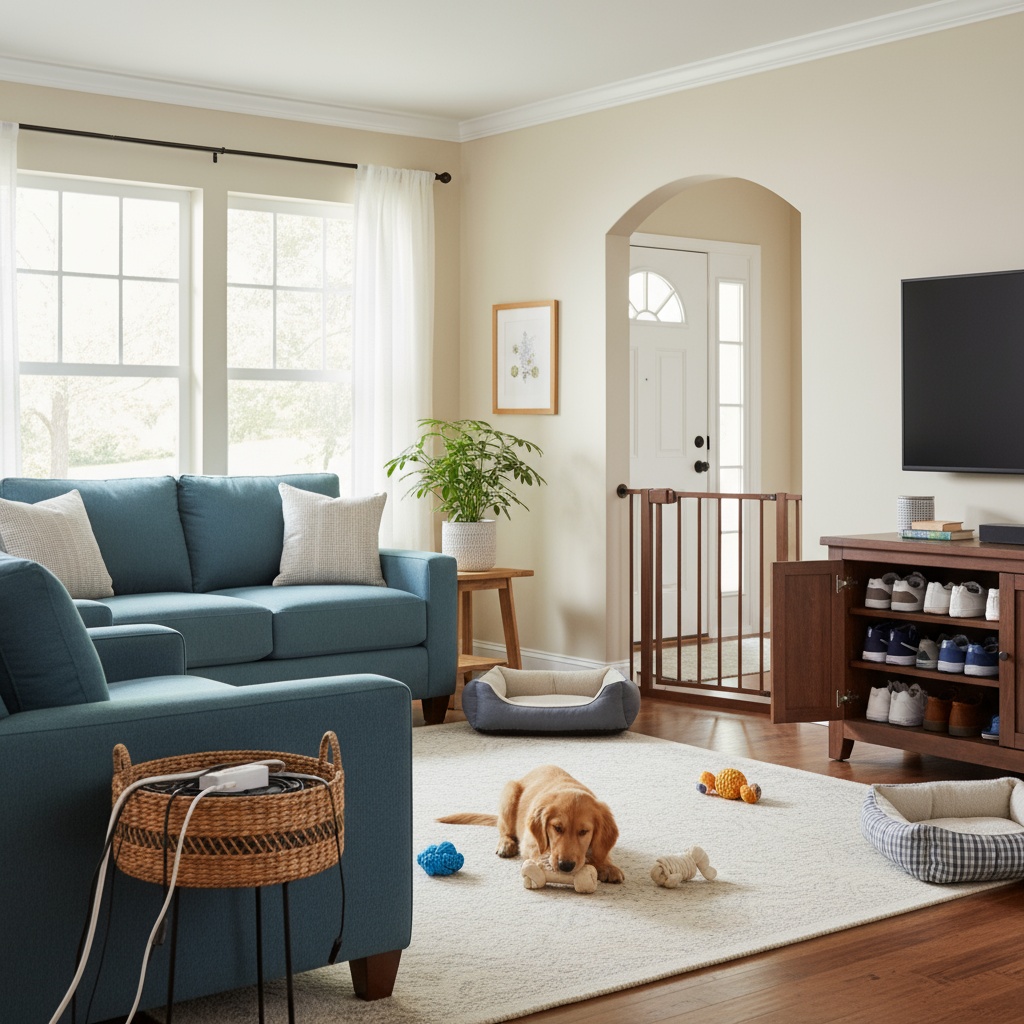
- Clear the battlefield: Remove ALL chewable, non-toy objects at puppy-level. This includes shoes, bags, electrical cords, and random stuff that’s been living on the floor. Seriously, if you don’t want it chewed, don’t tempt fate.
- Barricade as needed: Use puppy gates to keep your fluffy tornado out of rooms filled with irresistible chewables (like kids’ rooms or laundry).
- Wrap or hide cords: Cords are super dangerous—use cord covers, tuck them behind furniture, or tape ’em up.
2. Load Up on Chew Toys
- Offer variety: Different pups have different chew styles—soft plush, rubber toys, rope, or hard nylabones. Let your puppy sample a range until you find the hits.
- Rotate toys: Puppies get bored quick. Keep things fresh by rotating 2-3 toys every day.
- Special tip: For teething relief, pop a rubber toy in the fridge—the coolness feels awesome!
3. Redirect Like a Pro
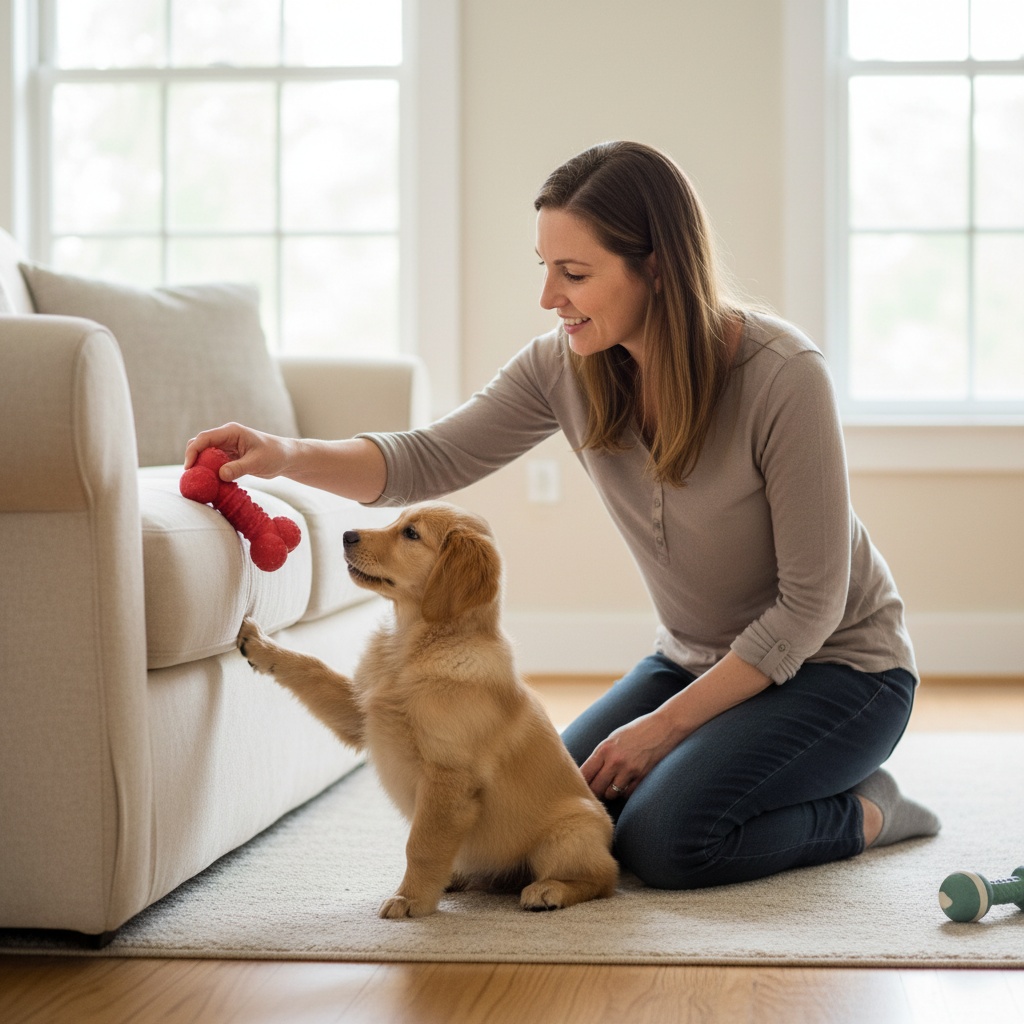
- Interrupt, then swap: Catch your puppy in the act of chewing something off-limits? Don’t freak. Calmly say “uh-uh” or “leave it,” then immediately swap with an approved chew toy.
- Praise like crazy: The minute pup chews the right thing, bring out your happy dance and treats.
4. Supervise or Contain
- Active watching: Keep your puppy in the same room as you. Leash ’em to your belt if you have to.
- Use a crate/playpen: Crates aren’t mean—they’re safe, and they keep puppy out of trouble when you can’t be right there. Always put a safe chew toy inside!
5. Exercise That Energy Out
- Honestly, a tired puppy is a chill puppy. Make sure pup’s getting plenty of walks, playtime, sniffing games, and training sessions—mental and physical stimulation mean less boredom chewing.
6. Use Bitter Sprays (Sparingly)
- Stuff like bitter apple spray can work—but test on a hidden area first, and never rely solely on sprays. It’s just a deterrent, NOT a solution by itself.
7. Avoid Common Mistakes
- Don’t yell or punish: Scolding can scare your puppy, not teach ‘em what’s right. It also won’t help if you punish after the fact—dogs live in the moment.
- Don’t offer old shoes or socks as toys: Your puppy can’t tell the diff between your “approved” chew shoe and your favorite new Nikes, honestly!
Extra Tips for Specific Chewing Zones
Shoes & Laundry
- Keep laundry basket out of reach and always put shoes away.
- Sprinkle some toys in the coat room to lure your puppy away from temptation.
Furniture Legs
- Try double-sided tape or aluminum foil—many pups hate the feel and lose interest.
- Apply bitter spray if necessary, and keep offering a nearby toy or chewy treat as an alternative.
Baseboards/Walls
- Block off with furniture, baby gates, or storage bins until the chewing urge passes.
- Redirect ALL chewing to toys and reinforce with treats and praise.
When Chewing Just Won’t Quit: Time for Next-Level Help
If you’re following all the basic how to stop puppy chewing advice but your puppy’s still shredding everything, it’s time to dig deeper:
- Vet check: Rule out dental, tummy, or nutritional issues.
- Consider anxiety: Some pups chew out of stress. Is your routine changing a lot? New baby, moving, or long hours alone could be the cause.
- Enlist a trainer: Professional dog trainers can ID the issues fast and coach you through solutions for serious chewing cases.
Bonus: DIY Chew Toy Ideas
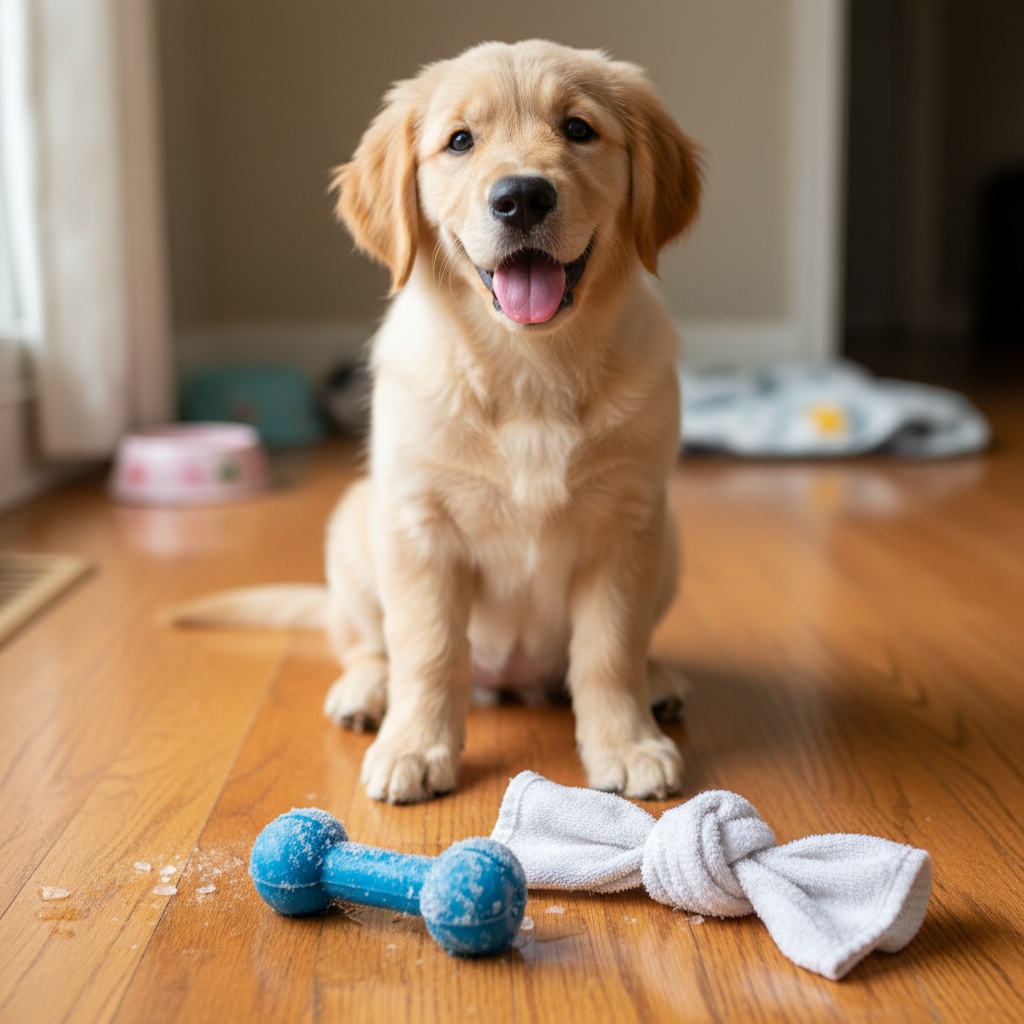
- Frozen washcloth: Wet an old washcloth, knot it, and freeze. It’s gold for sore gums (always supervise!)
- Stuffed Kongs: Fill a rubber Kong with sticky stuff (peanut butter, banana, or their kibble mixed with plain Greek yogurt) and freeze for a longer-lasting distraction.
- Cardboard boxes: Let puppy destroy a small cardboard box under your watchful eye. Messy, but harmless and deeply satisfying for most pups!
How Long Does the Chewing Phase Last?
Here’s the deal—puppy chewing isn’t forever, but it can feel like ages. Most puppies start to chill out by 6 months as their adult teeth settle in and they learn household rules. Some may relapse around 7-12 months, which is totally normal. Keep up with your how to stop puppy chewing plan and remember: consistency is KEY.
Frequently Asked Questions About How to Stop Puppy Chewing
What if my puppy ignores their chew toys?
- Try a different toy type, texture, or flavor. Some pups love rubber, others go for rope, and a few just crave stinky bully sticks. Make the toy more interesting by stuffing with treats or playing tug, so your pup thinks, ‘Hey, this is way better than shoes!’
Is it OK to crate my puppy when I can’t supervise?
- Absolutely! Just make sure the crate is a safe, comfy place (never for punishment). Add a chew toy and keep crate time limited to how long your pup can hold their bladder.
Should I scold or discipline my puppy for chewing?
- It’s way more effective (and kind) to redirect than punish. If you catch them, calmly swap to a toy, then reward. Scolding can backfire and make pups anxious.
When should I get help for excessive puppy chewing?
- If you’re seeing persistent, destructive chewing even with consistent training, talk to your vet or a certified dog trainer. Extra chewing can mean health issues or anxiety.
The Bottom Line on How to Stop Puppy Chewing
If you’re buried in chewed-up stuff, remember: every dog parent’s been there. How to stop puppy chewing isn’t magic. It takes patience, redirection, supervision, and a little creativity with your approach. Stay consistent, channel that chewing energy, and soon you’ll have a grown-up pup who actually listens and leaves your shoes alone. Hang in there—soon you’ll be looking back at these days and laughing (seriously) as you slip on your un-gnawed sneakers in peace.